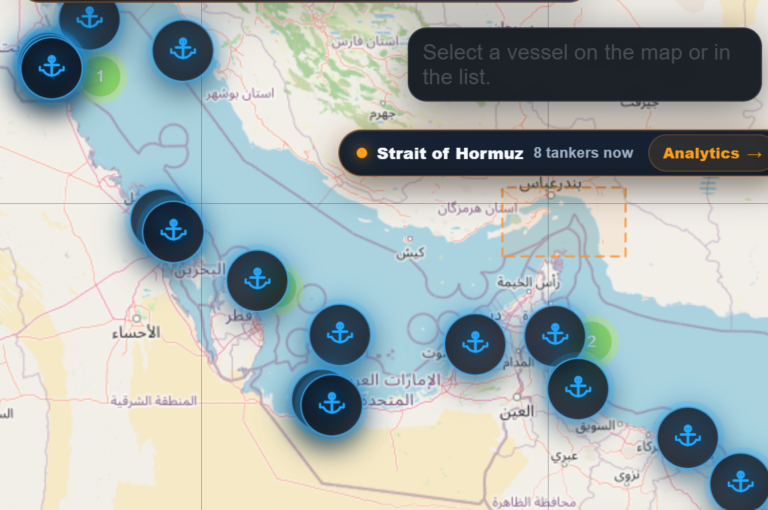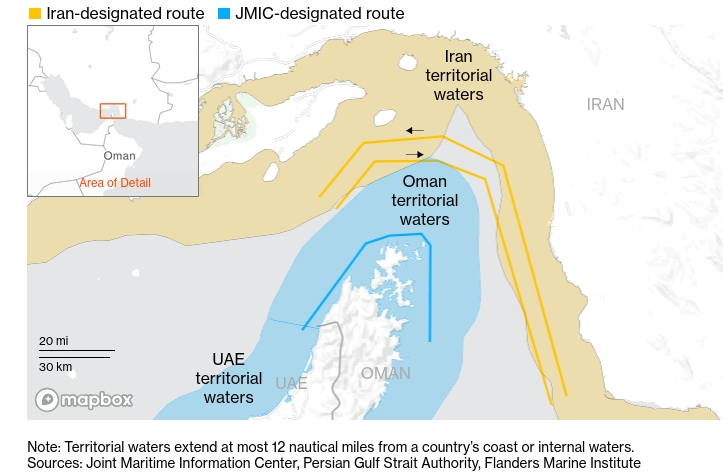
Map of the Strait of Hormuz showing the territorial waters of the United Arab Emirates (UAE), Oman, and Iran.
Obtaining outside data.
Checking internet sources, using keywords: Strait of Hormuz LNG traffic
News from various sources:
The content provided encompasses a range of information concerning the Strait of Hormuz, particularly focusing on the traffic and geopolitical tensions affecting this critical maritime passage for oil and LNG exports. Here is a summary of the relevant points:
Current Situation:
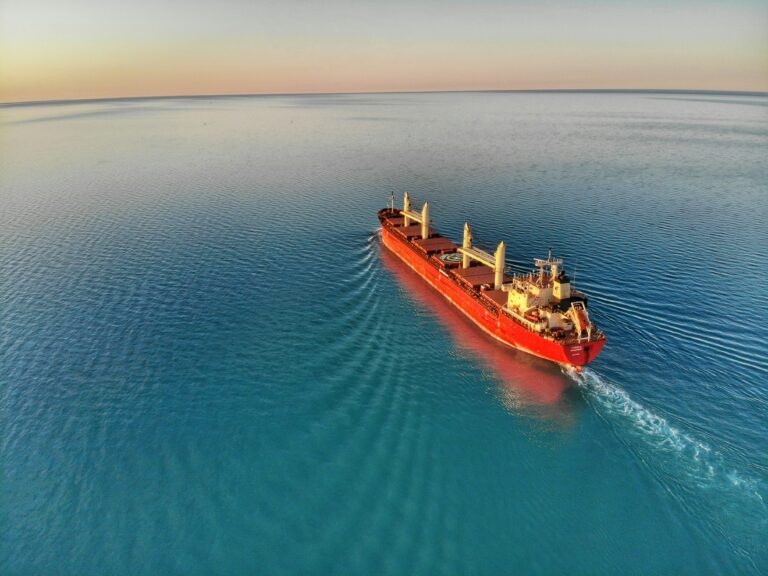
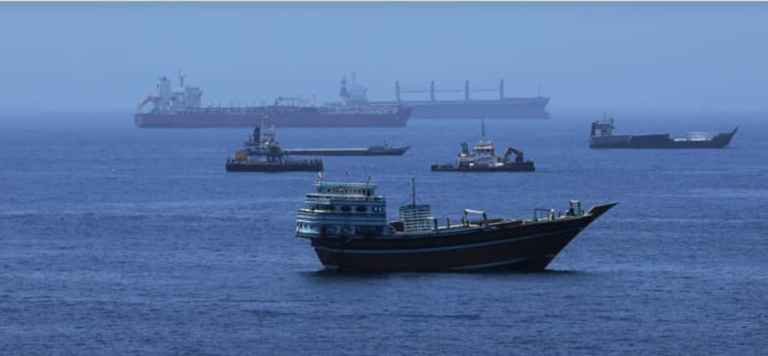
- Vessel traffic through the Strait of Hormuz has declined significantly in recent months and is at a near three-month low, attributed to ongoing tensions and stalled negotiations between the U.S. and Iran.
- Recent reports indicate that on August 11, 2026, only six vessels passed through the Strait, a dramatic decrease from pre-conflict levels of around 140 ships daily.
U.S.-Iran Relations:
- Discussions between the U.S. and Iran regarding the full reopening of the Strait have not led to a resolution. Iran has refused to permit full access until its demands are met.
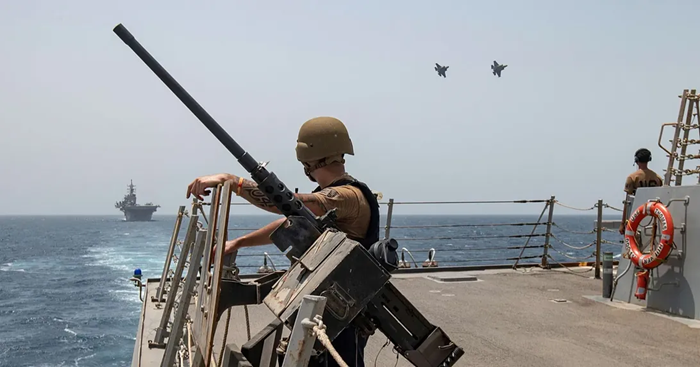
- The U.S. has been escorting oil tankers through the Strait with military assistance, maintaining oil flow despite traffic disruptions.
Geopolitical Tensions:
- The situation has been exacerbated by military strikes and retaliatory actions from both sides, preventing a significant recovery of maritime traffic.
- Iran has conducted attacks on commercial vessels, impacting shipping routes and contributing to the decline in vessel numbers.
Economic and Market Impacts:
- The disruption has affected global energy prices, particularly influencing European natural gas markets due to their reliance on LNG supplies from this route.
- There is an increased focus on alternative routes and managing traffic through temporary corridors along the Omani and Iranian coasts, with ongoing discussions between Iran and Oman.
Future Prospects:
- Despite recent temporary recoveries in traffic, the overall security situation remains volatile, and the reopening of the Strait to normal levels is uncertain.
- Analysts suggest that a sustained reduction in Hormuz traffic could have long-term impacts on energy markets, prompting discussions about alternative energy sourcing and routes.
Regional and Global Dynamics:
- The U.S. remains committed to maintaining the Strait open for global commerce, employing military resources to assure the transit of oil and gas.
- The ongoing crisis underscores the strategic importance of the Strait of Hormuz as a global energy chokepoint and the complexities of navigating geopolitical tensions that influence its status.
This complex geopolitical situation continues to evolve, with significant implications for global energy security and market stability.
Overall, while some facts are not yet verifiable due to their futuristic nature in the provided context, many of them, if true, would affect the likelihood of unimpeded LNG traffic in the Strait by 2026. The geopolitical and military dynamics, as well as ongoing negotiations and alternative routes, are pivotal in determining future conditions.
Fact-checked summary:
Based on the provided fact-checking list, a summary of true and relevant statements regarding whether the LNG traffic through the Strait of Hormuz will become de facto unimpeded by the end of 2026 is as follows: Current vessel traffic through the Strait of Hormuz has declined significantly due to U.S.-Iran tensions and stalled negotiations, which is crucial for predicting future traffic conditions. U.S.-Iran discussions to reopen the Strait have stalled due to unmet demands by Iran, rendering diplomatic negotiations critical for resolving disruptions. The U.S. escorts oil tankers through the Strait, a significant measure to maintain commerce continuity amid tensions, while geopolitical tensions, including military strikes and retaliation by Iran, have impacted the recovery of maritime traffic, contributing to the declined vessel numbers. These disruptions affect global energy prices, notably in European LNG markets, reflecting the interconnectedness of global energy markets with Strait conditions. Discussions about alternative routes involving Iran and Oman are logical, considering the strategic need, and alternatives could ease reliance on the Strait. The security situation remains volatile, and analysts foresee long-term impacts on energy markets, influencing strategic planning. The U.S. is committed to keeping the Strait open, using military resources, which is crucial in maintaining an open trade route, due to its role as a global energy chokepoint.
OpenAI gives a base rate of 0.4 (40%)
The question difficulty is rated 7 (0 to 10)
Historical weighted factors include:
Historical US-Iran Relations, 0.3
Global Energy Markets Stability, 0.2
Military Presence in Middle-East, 0.25
Precedence of Alternative Route Implementation, 0.25
A Bayesian calculation could be performed as follows:
Using historical factors and current events influencing the situation, such as military presence and diplomatic efforts, estimate the likelihood of improvement. Considering U.S.-Iran diplomatic history (30% weight), current energy market stability (20% weight), military actions (25% weight), and alternatives (25% weight). Each factor is rated on 0 to 1, with values being 0.3, 0.7, 0.8, and 0.5 respectively. Bayesian update considering these factors gives around 0.45 probability of resolution.
Bayesian base rate: 0.45 (45%)
Sufficient news to provide a good forecast? 1 (0 or 1)
News is relevant, topical and unbiased? 1 (0 or 1)
Question classification: scenario_based_forecast
Expected time (days) until question close: 139
The following were considered in order to produce this base rate:
The base rate reflects historical frequency of successful diplomatic resolutions to similar geopolitical tensions, current military presence to keep the Strait open, and historical repetitions of similar tensions resolving without major disruptions. This considers frequency of minor conflicts, frequency of strategic interest in Strait, and how often military interventions have been successful in keeping commerce routes open.
Ideally, the news feed would contain the following sorts of information for a better forecast:
Additional information that would aid in this forecast includes specific details on ongoing negotiations between the U.S. and Iran, any pre-planned military actions in the region, or any developments regarding alternative routes. Economic forecasts for global LNG demand would also be informative.
Some potential divergent considerations that might affect the base rate:
Potential unexpected geopolitical shifts, such as a sudden increase in regional tensions or a breakthrough in alternative route logistics, could significantly affect the resolution. Alternative energy market movements or unforeseen diplomatic hostilities are also potential disruptors.
The following chain of events are necessary for the question to resolve positively:
- U.S.-Iran diplomatic negotiations successfully lead to an agreement that satisfies both parties, resulting in improved relations. (Possible)
- The U.S. and allies maintain a consistent and effective military presence to ensure the security of LNG traffic through the Strait. (Probable)
- There are no unforeseen escalations in military tensions or conflicts in the region that could close or severely disrupt the Strait. (Possible)
- Implementation of alternative routes for LNG traffic reduces reliance on the Strait, diminishing potential for disruptions. (Possible)
Querying Claude (AI predicts: 0.38 – confidence: 4)
Querying OpenAI (AI predicts: 0.35 – confidence: 5)
Guide to Jeremy Lichtman’s Multi-AI Oracle Reports
Question Type: Binary
Median from LLMs: 0.37
Base rate: 0.4 (from OpenAI)
SD: 0.02
MAPD: 0
Confidence: 4.5
Conf Mode: Low
Mellers: 0.31
Reverse Mellers: 0.41
Theory of Mind: 0.425 (What did the LLMs think other LLMs predicted?)
Beta Distribution: 0.99
Close Type: B (B = cautious # closer to 50%; A/C = closer to extremes)
LLM responses: 2
Model value: 0.37
The situation in the Strait of Hormuz is complex, characterized by stalled U.S.-Iran negotiations that hinder a formal resolution, persistent geopolitical tensions marked by military activities, and a resulting significant decline in LNG vessel traffic. The U.S. continues to provide partial security by escorting tankers, but this does not fully mitigate the disruptions. While alternative routes are under discussion, they are not yet viable at scale. Recent developments suggest that the probability of achieving a state of ‘de facto unimpeded’ traffic is slightly below the base rate of 0.4, with an estimated 0.38 likelihood. However, this prediction remains susceptible to change due to potential diplomatic breakthroughs, Iranian domestic pressures, regional actors’ interventions, or shifts in the characterization of traffic conditions. The remaining timeframe of approximately 4.5 months before the end of 2026 further constrains the probability of a resolution within this period.
Runtime: 108 seconds.
About The Author