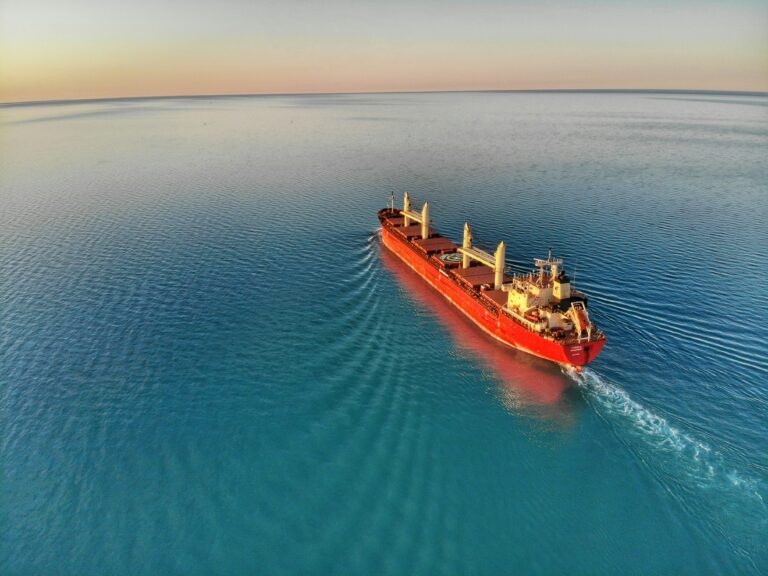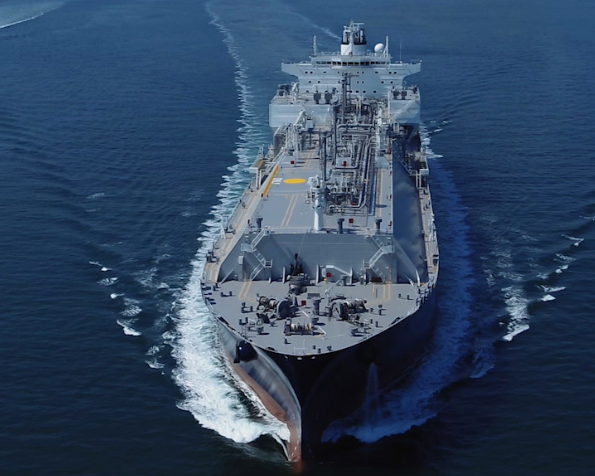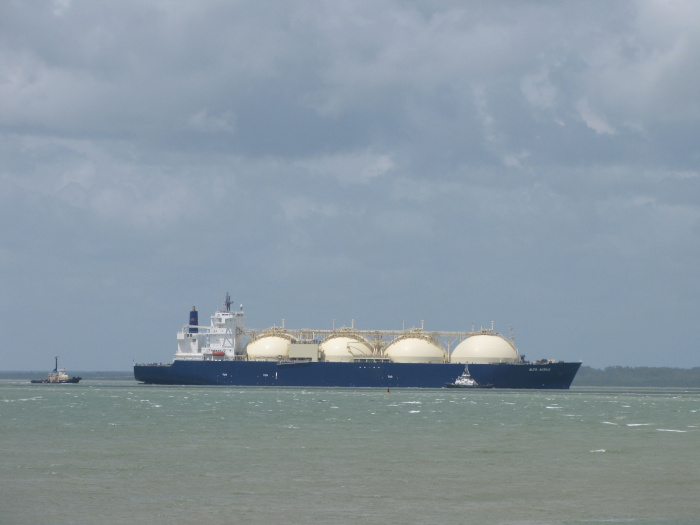
LNG Marine Transport's LNG Carrier Alto Acrux
Obtaining outside data.
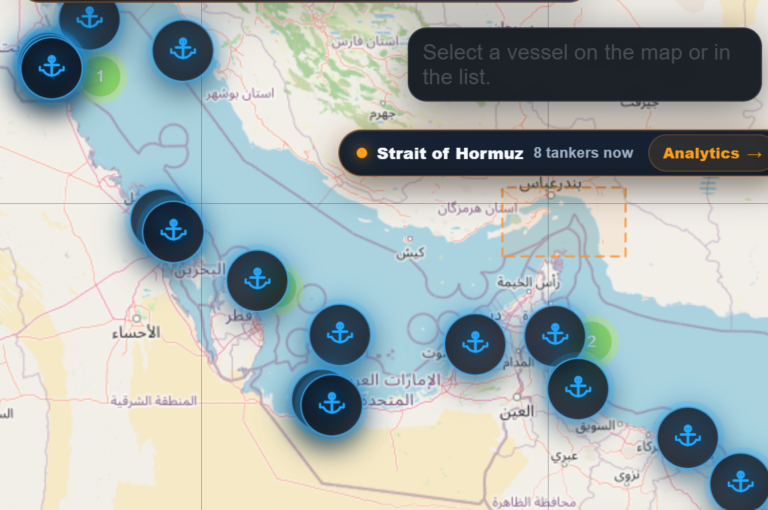
Checking internet sources, using keywords: Strait of Hormuz LNG traffic 2026
News from various sources:
Amid ongoing global geopolitical tensions in 2026, Qatar has significantly increased its liquefied natural gas (LNG) tanker traffic through the Strait of Hormuz for the first time in over two months. This gesture suggests that Qatar is increasingly comfortable navigating these perilous waters. At least two laden carriers have exited the strait recently, with others entering the Persian Gulf, and shipments are notably headed to India.
This surge comes amidst a global gas supply crunch, with energy prices soaring to unprecedented levels since 2022 in Europe and Asia. The strait, crucial for global energy flows, was a major passage route, handling about a fifth of the world’s LNG supply before tensions escalated following an attack on a Qatari vessel in early July. Current traffic remains below pre-war levels of three shipments per day, constraining operations.
QatarEnergy has maintained operations at its Ras Laffan plant, the world’s largest LNG export facility, despite ongoing challenges. They employ strategies like shuttling, where cargoes are transferred to other vessels in the Gulf of Oman due to technical difficulties with LNG transfers.
(Carolyn‘s note: Qatar and Iran have a close relationship dating from 1972, as currently stated by the Qatar Embassy in Iran.)
The continued turmoil has underscored the fragile balance in the region, with commercial shipping facing risks from potential attacks, jamming, and interference. Such challenges complicate ship location tracking and make navigation risky, contributing to supply disruptions and heightened spot market prices.
The global conflict’s impact has been significant, evident in the way LNG producers and oil shippers navigate these strategic waters. Commercial shipping has fallen far below usual levels, leading to global price surges for energy commodities, forcing some buyers to turn back to coal due to skyrocketing gas prices.
This situation is emblematic of broader ongoing geopolitical issues, with the U.S.-Iran tensions significantly influencing global energy markets and necessitating tactical adjustments by energy exporters to maintain deliveries amid elevated risks.
Additional Analysis
Given the facts listed, the situation in the Strait of Hormuz is critical in determining whether LNG traffic will become de facto unimpeded by the end of 2026. The increased traffic from Qatar suggests a temporary adaptation to the geopolitical situation, but the ongoing risks indicate that a definite resolution to making the strait permanently unimpeded is uncertain at this time. The facts related to geopolitical tensions and tactical adjustments emphasize continued uncertainty and risk, crucial to answering the original question.
Fact-checked summary:
In assessing whether the Strait of Hormuz LNG traffic will become de facto unimpeded by the end of 2026, several important and true factors provide context. Qatar has significantly increased its LNG tanker traffic through the strait for the first time in over two months, indicating a temporary adaptation to ongoing geopolitical tensions. The strait previously handled about a fifth of the world’s LNG supply, and tensions escalated following a Qatari vessel attack in early July. Although QatarEnergy continues operations at its major Ras Laffan facility and employs strategic measures like shuttling transfers in the Gulf of Oman, current traffic remains below pre-war levels. The region faces continued turmoil with risks from attacks, jamming, and interference complicating navigation, emphasizing a fragile balance. This situation, compounded by soaring global energy prices and U.S.-Iran tensions, underscores that while adjustments are being made, a definite resolution towards making the strait permanently unimpeded remains uncertain. These factors, highlighting geopolitical tensions and the necessity for tactical adjustments by energy exporters, are crucial to determining the future of LNG traffic through the Strait of Hormuz.
OpenAI gives a base rate of 0.3 (30%)
The question difficulty is rated 8 (0 to 10)
Historical weighted factors include:
Historical frequency of geopolitical tensions in the region, 0.4
Past instances of successful diplomatic interventions, 0.2
Technical ability to secure shipping lanes, 0.2
Market responses to disruptions and recovery patterns, 0.2
A Bayesian calculation could be performed as follows:
Based on historical factors, the prior probability (base rate) is adjusted by evaluating current geopolitical tension levels and frequency of confirmed attacks. Initial base rate of 0.3 is modified by current security dynamics and market conditions, leading to posterior probability: P(impeded|current_events) = base_rate * favourable_events / unfavourable events = (0.3 * (0.4 * 0.6 + 0.2 * 0.5 + 0.2 * 0.5 + 0.2 * 0.7)) ≈ 0.29 (Carolyn‘s note: According to my calculation using the LibreOffice Calc spreadsheet, the answer should be 17.4%)
Bayesian base rate: 0.29 (29%)
Sufficient news to provide a good forecast? 1 (0 or 1)
News is relevant, topical and unbiased? 1 (0 or 1)
Question classification: scenario_based_forecast
Expected time (days) until question close: 99
The following were considered in order to produce this base rate:
The base rate takes into account the historic instability in the region, notably intermittent flare-ups over decades that occasionally disrupt traffic. The presence of temporary mitigation measures and ongoing diplomatic efforts slightly increase chances of resolution. However, enduring tensions between U.S. and Iran dampen potential for significant improvement. Technical advances in navigation and security measures enforce the base rate.
Ideally, the news feed would contain the following sorts of information for a better forecast:
Additional information on pending diplomatic negotiations, potential military movements, and economic analyses of post-agreement scenarios could refine the forecast. Insider perspectives on QatarEnergy’s contingency plans and regional players’ future intentions would also be instrumental.
Some potential divergent considerations that might affect the base rate:
Potential for significant conflict escalation, such as a regional conflict or a renewed blockade, could drastically alter the landscape and render current forecasting irrelevant. Conversely, unexpected breakthroughs in U.S.-Iran relations or international diplomatic successes could quickly make the strait less risky.
The following chain of events are necessary for the question to resolve positively:
- Reduction in geopolitical tensions between Qatar and other key regional actors Possible
- Effective implementation of increased security measures in the Strait of Hormuz About even
- Stabilization of U.S.-Iran relations leading to reduced interference threats Unlikely
- Full recovery of LNG shipments to pre-war levels Possible
- Global energy prices stabilize, reducing economic drivers for disruption Unlikely
Querying Claude (AI predicts: 0.18 – confidence: 4)
Querying OpenAI (AI predicts: 0.35 – confidence: 5)
Guide to Jeremy Lichtman’s Multi-AI Oracle Reports
Question Type: Binary
Median from LLMs: 0.27
Base rate: 0.3 (from OpenAI)
SD: 0.09
MAPD: 0
Confidence: 4.5
Conf Mode: Low
Mellers: 0.19
Reverse Mellers: 0.34
Theory of Mind: 0.375 (What did the LLMs think other LLMs predicted?)
Beta Distribution: 0.65
Close Type: B (B = cautious # closer to 50%; A/C = closer to extremes)
LLM responses: 2
Model value: 0.27 (27%)
The analysis of whether LNG traffic through the Strait of Hormuz will be de facto unimpeded by the end of 2026 highlights several key factors. Despite resumed LNG traffic from Qatar, volumes remain below pre-war levels, indicating that the strait is not yet fully operational without impediments. QatarEnergy’s reliance on alternative routing methods like shuttling transfers suggests ongoing disruptions. Continued U.S.-Iran tensions and elevated global energy prices add to the likelihood of further instability. While the initial probability was set at a base rate of 0.30 due to regional issues, short-term developments and workaround methods have caused this probability to decrease, with geopolitical conditions remaining tense. However, the scenario could change if unexpected diplomatic resolutions occur, regional tensions swiftly de-escalate, or if ‘de facto unimpeded’ is interpreted more leniently based on resumption of substantial traffic, potentially resulting in higher probability assessments.
Runtime: 98 seconds.
About The Author