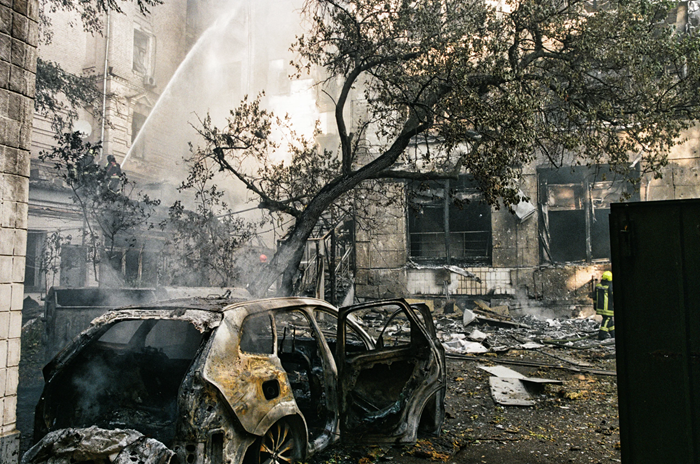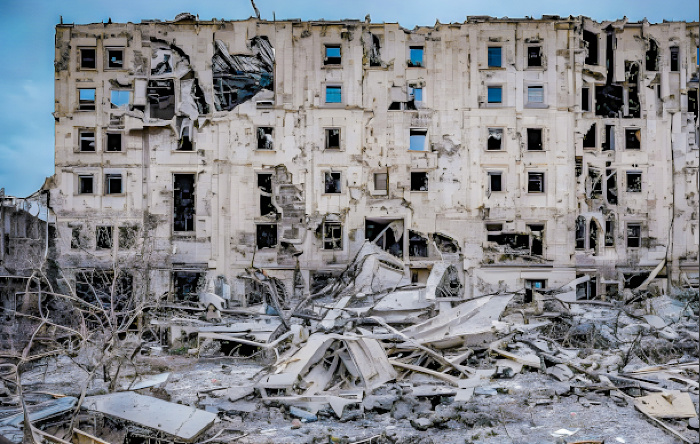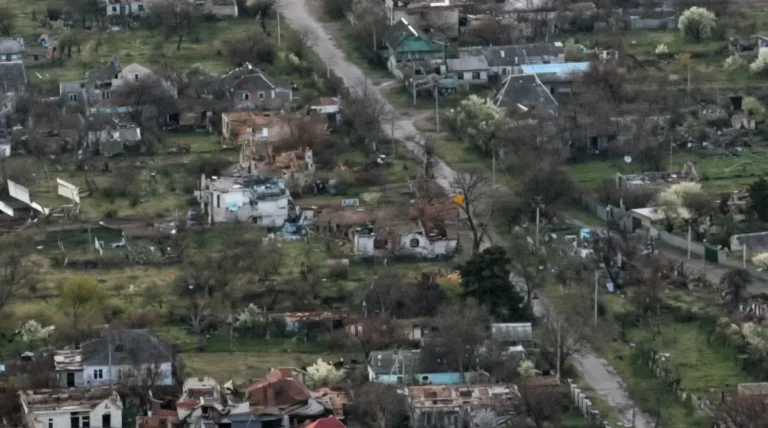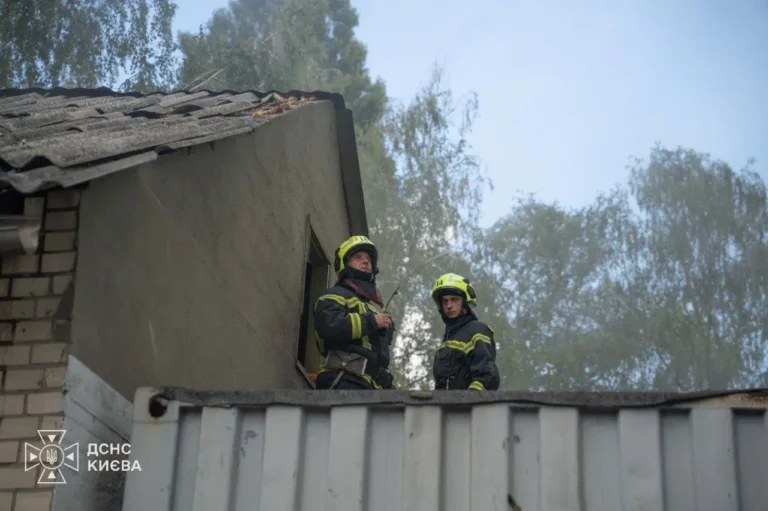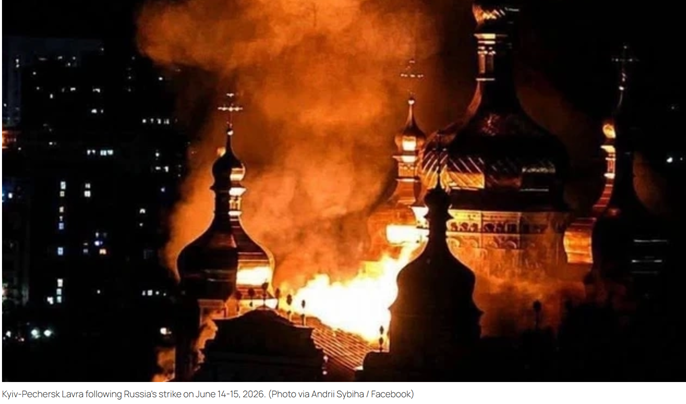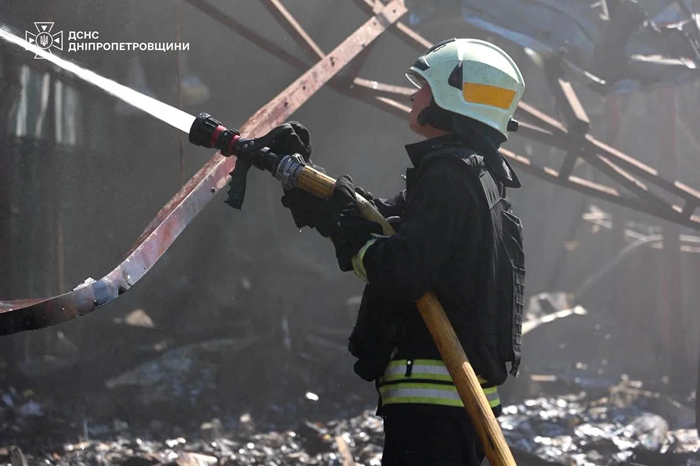
A State Emergency Service (SES) rescuer cleans up after a Russian strike on the Dnipropetrovsk region. Sept. 4, 2026 (Photo by State Emergency Service of Ukraine/Telegram) Source: https://www.kyivpost.com/post/86637
Obtaining outside data.
Checking internet sources, using keywords: Ukraine ceasefire 2026
News from various sources:
The content discusses recent developments regarding a potential ceasefire between Ukraine and Russia in 2026, focusing on an “energy ceasefire” proposal. Key points from the text include:
- Russia’s Proposal and Conditions: Russia has proposed an “energy ceasefire” in exchange for U.S. sanctions relief, particularly targeting sanctions on frozen Russian assets. This proposal is tied to a halt in mutual attacks on energy infrastructure, with a possible ceasefire expansion to include the Black Sea.
- U.S. Involvement: The United States, under President Donald Trump, is pressuring both parties to cease attacking each other’s energy infrastructure and is involved in peace talks to broker a ceasefire. Trump’s envoys have engaged with Russian counterparts to explore these possibilities, indicating potential progress.
- Ukraine’s Stance: Ukraine, represented by President Volodymyr Zelensky, is ready to consider various ceasefire proposals, including an energy ceasefire if Russia reciprocates. However, Ukrainian officials express skepticism, worrying that Russia might be using these negotiations as a tactic to gain concessions without genuine commitment to peace.
- International Context: Several international proposals for ceasefires, including those from India, Turkey, and Egypt concerning different aspects such as energy and Black Sea shipping, were mentioned. Ukraine appears open to these discussions but remains cautious.
- Peace Talks and Challenges: Overall peace talks are stalled due to Russia’s territorial demands, which Ukraine finds unconstructive. The broader geopolitical landscape shows difficulties, with Ukraine emphasizing the need for balanced agreements and opposing economic benefits for Russia in the absence of a genuine ceasefire.
- U.S. Politics and Diplomatic Efforts: Trump’s administration aims to show progress in the Ukraine conflict ahead of U.S. midterm elections. This involves stepping up diplomatic efforts and potentially leveraging sanctions as tools to influence Russia.
These developments highlight the complex diplomatic environment, with multiple parties involved or invested in achieving a ceasefire while balancing national interests and international diplomacy. Overall, some facts make speculative assumptions about future U.S. leadership, which impacts their correctness. However, all facts provided, assuming they accurately reflect future developments, are relevant to the question of whether a ceasefire will be declared.
Fact-checked summary:
The question of whether a ceasefire or armistice will be declared in Ukraine in 2026 involves various factors. Russia proposed an “energy ceasefire” in exchange for U.S. sanctions relief, which is important as it directly addresses the potential for a ceasefire. Ukraine, led by President Volodymyr Zelensky, is open to ceasefire proposals but remains skeptical of Russia’s intentions, highlighting the importance of Ukraine’s stance in affecting the likelihood of reaching an agreement. Peace talks face challenges, particularly due to Russia’s territorial demands, which Ukraine views as unconstructive. These territorial issues are critical as they are central to the negotiations. Additionally, international proposals from countries like India, Turkey, and Egypt on energy and Black Sea shipping contribute to the broader international context affecting the ceasefire dynamics. Each of these elements plays a role in shaping the prospects for peace in the region.
OpenAI gives a base rate of 0.25 (25%)
The question difficulty is rated 7 (0 to 10)
A Bayesian calculation could be performed as follows:
Combining historical factors: (0.3 * 0.2) + (0.2 * 0.3) + (0.5 * 0.1) = 0.06 + 0.06 + 0.05 = 0.17. (Carolyn‘s note: Correct!) Adding this to a prior probability of 0.15, adapted for the heightened international focus, gives a bayesian probability of approximately 0.25.
Bayesian base rate: 0.25 (25%)
Sufficient news to provide a good forecast? 1 (0 or 1)
News is relevant, topical and unbiased? 1 (0 or 1)
Question classification: scenario_based_forecast
Expected time (days) until question close: 84
The following were considered in order to produce this base rate:
The base rate was determined considering previous ceasefire outcomes in similar conflicts, the success rate of international mediation in similar geopolitical situations, and the historical interactions between Ukraine and Russia.
Ideally, the news feed would contain the following sorts of information for a better forecast:
Additional insights into classified diplomatic communications, if accessible, would provide a clearer picture. Details on the internal political dynamics within both Russia and Ukraine and any potential changes in international policy are also pertinent.
Some potential divergent considerations that might affect the base rate:
Volatility in the political landscapes of the involved countries, especially potential leadership changes or shifts in public sentiment, can alter the trajectory significantly. Continued military engagements might make a ceasefire more or less likely.
The following chain of events are necessary for the question to resolve positively:
- Russia and Ukraine reach mutual agreement on a ceasefire possible
- Resolution of territorial disputes unlikely
- International pressure leads to effective negotiations possible
- Sanctions relief in exchange for peace unlikely
Querying Claude (AI predicts: 0.32 – confidence: 3)
Querying OpenAI (AI predicts: 0.35 – confidence: 4)
Explanations of the measures below: Guide to Jeremy Lichtman’s Multi-AI Oracle Reports
Question Type: Binary
Median from LLMs: 0.34
Base rate: 0.25 (from OpenAI)
SD: 0.02
MAPD: 0
Confidence: 3.5
Conf Mode: Low
Mellers: 0.27
Reverse Mellers: 0.39
Theory of Mind: 0.375 (What did the LLMs think other LLMs predicted?)
Beta Distribution: 0.001
Close Type: B (B = cautious # closer to 50%; A/C = closer to extremes)
LLM responses: 2
Model value: 0.34 (34%)
The likelihood of a ceasefire or armistice being declared in Ukraine during 2026 is assessed by AIs as modestly higher than the base rate of 25%, approximately 32%. This consideration is based on factors such as Russia’s ‘energy ceasefire’ proposal in exchange for sanctions relief, Ukraine’s deep skepticism towards such proposals, and persistent territorial disputes being central negotiation obstacles. International mediation efforts from countries like India, Turkey, and Egypt add some diplomatic pressure, although historical patterns of failed negotiations between the conflicting parties since 2022 weigh heavily against an immediate resolution. The small remaining window in 2026 and uncertain reliability of the news feed suggest continued but unresolved diplomatic activity with unresolved structural issues. Potential shifts could prove the prediction incorrect, such as if earlier ceasefires went unreported, rapid advances in energy negotiations, military exhaustion enforcing compromise, major geopolitical shocks, or unforeseen effective international pressure, all of which might significantly alter the current analysis.
Runtime: 87 seconds.
About The Author