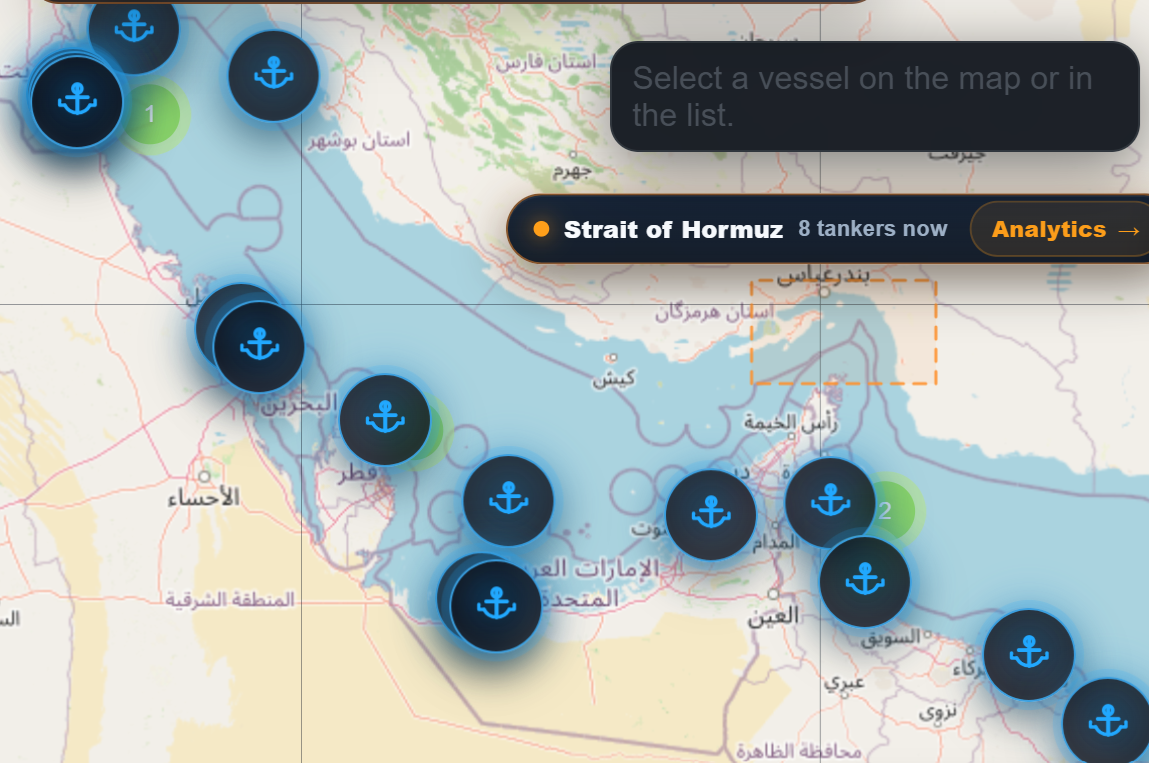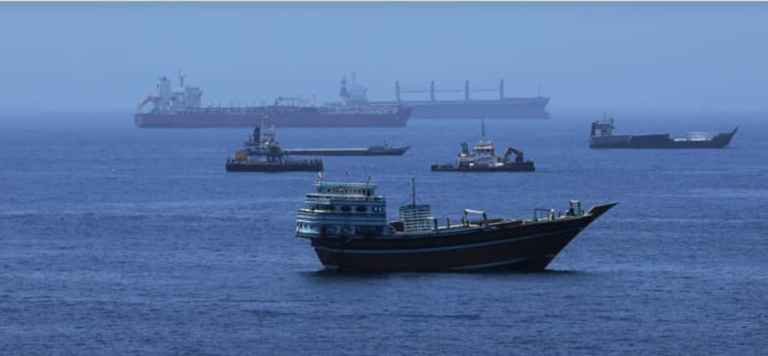
United States Central Command (CENTCOM) announced on Monday, October 5, 2026, that U.S. forces have destroyed 13 commercial vessels over the past 12 weeks while enforcing a naval blockade against Iran. The command alleged that the targeted ships had either breached the blockade or operated as part of a “multi-billion-dollar covert network managed by the Islamic Revolutionary Guard Corps (IRGC).”
Obtaining outside data.
Checking internet sources, using keywords: Brent Crude price 2026
News from various sources:
The obtained content provides a detailed analysis of Brent crude oil prices and the market outlook for 2026. Here are the key points and developments outlined in the articles:
Price Forecasts and Influences:
- UBS revised its Brent crude forecast for 2026 and 2027, citing ongoing disruptions in Middle East supply primarily related to issues with the US-Iran agreement. They project Brent to reach $100 per barrel in Q4 2026.
- The oil price volatility is significantly influenced by geopolitical tensions, notably in the Middle East, where attacks on infrastructure have impacted supply routes like the Strait of Hormuz.
Market Conditions:`
- The oil market is currently tight, with disruptions in the Strait of Hormuz impacting crude supply. This has resulted in higher-than-expected Brent prices, trading above $100 per barrel.
- Resilience is observed in Brent prices amid market fluctuations, driven by geopolitical risks including Houthi attacks and other regional tensions.
Strategic Reserves and Output Adjustments:
- The G7 countries have coordinated the release of strategic petroleum reserves, totaling 100 million barrels, to alleviate supply concerns.
- Saudi Arabia is working on restoring the East-West pipeline, previously damaged by drone strikes, which could ease some chokepoint pressures.
Impact on Upstream Operations:
- Equinor (EQNR), Shell (SHEL), and TotalEnergies (TTE) are poised to benefit from the elevated Brent prices due to their extensive upstream operations in various regions.
- These companies are focusing on expanding production and managing costs to benefit from the favorable crude price environment.
Analysts’ Views and Scenarios:
- Goldman Sachs and JPMorgan project lower Brent prices for late 2026 than current spot prices due to expectations of a resolution to geopolitical tensions.
- Multiple scenarios depict varying Brent price trajectories depending on developments in the geopolitical landscape and supply chain adjustments. These scenarios range from a bearish outlook of $88-$92 if supply issues resolve, to bullish projections above $120 if disruptions persist.
Pipeline and Shipping Concerns:
- The Strait of Hormuz remains a critical point of concern for global oil shipments. Any disruptions here significantly impact crude prices.
- Saudi efforts to reroute oil through other channels like the East-West pipeline are crucial for market stability but may not fully mitigate geopolitical risks.
Overall, the market is characterized by uncertainty due to geopolitical risks, supply chain vulnerabilities, and strategic reserves management, all contributing to price volatility for Brent crude into 2026. The critical and relevant facts (if true) suggest a continued elevated price environment for Brent crude, conflicting with the expectation of prices falling below $50 per barrel. The accuracy of forecasts from UBS and other financial institutions plays a significant role in resolving this question.
Fact-checked summary:
Several confirmed facts provide insights into the factors influencing oil prices as we consider whether Brent crude might fall below $50 per barrel in 2026. Geopolitical tensions, particularly in the Middle East, have a significant impact on oil price volatility due to potential supply disruptions. Actions like the coordinated release of 100 million barrels from strategic petroleum reserves by G7 countries reflect efforts to manage supply concerns, which also influence prices. Saudi Arabia’s efforts to restore its East-West pipeline, damaged by drone strikes, are important for maintaining supply channels and market stability. Similarly, disruptions in the Strait of Hormuz, a crucial chokepoint for global oil transport, significantly affect crude prices. Collectively, these elements suggest stability and potentially elevated Brent prices, making it less likely for prices to fall below $50, with financial institutions’ forecasts contributing to this expectation.
OpenAI gives a base rate of 0.15 (15%)
The question difficulty is rated 7 (0 to 10)
Historical weighted factors include:
Geopolitical tensions, 0.4
Global economic stability, 0.3
Technological advancements in energy, 0.15
Market interventions by major economies, 0.15
A Bayesian calculation could be performed as follows:
To calculate the Bayesian probability, consider each factor’s impact on the oil price. The initial probability (base rate) is adjusted by considering the current geopolitical tensions (low likelihood of decrease), global economic trends (moderate likelihood), technological changes in energy sectors (possible), and interventions like strategic reserve releases (low likelihood): Posterior = Prior * (Likelihood of each factor / Sum of weights). The weighted sum suggests a low probability of Brent crude falling below $50.
Bayesian base rate: 0.1 (10%)
Sufficient news to provide a good forecast? 1 (0 or 1)
News is relevant, topical and unbiased? 1 (0 or 1)
Question classification: scenario_based_forecast
Expected time (days) until question close: 85
The following were considered in order to produce this base rate:
The base rate is derived from historical observations of oil price movements under similar geopolitical and economic conditions. With factors like geopolitical tensions and strategic reserve releases historically keeping prices elevated, the likelihood of Brent crude falling below $50 is low.
Ideally, the news feed would contain the following sorts of information for a better forecast:
Additional data on current supply chain dynamics, OPEC’s strategic decisions, and real-time economic indicators would enhance the forecast accuracy.
Some potential divergent considerations that might affect the base rate:
If geopolitical tensions unexpectedly ease or renewable technology adoption accelerates beyond projections, these could cause significant shifts in the oil market, altering the base rate prediction.
The following chain of events are necessary for the question to resolve positively:
- Significant global economic recession reducing oil demand substantially. Unlikely
- Major advancements and widespread adoption of alternative energy sources reducing oil dependence. Possible
- Sustained geopolitical stability and no major supply disruptions in key oil-producing regions. Unlikely
- Continued strategic petroleum reserve releases leading to oversupply. Unlikely
Querying Claude (AI predicts: 0.18 – confidence: 5)
Querying OpenAI (AI predicts: 0.1 – confidence: 7)
Guide to Jeremy Lichtman’s Multi-AI Oracle Reports
Question Type: Binary
Median from LLMs: 0.14
Base rate: 0.15 (from OpenAI)
SD: 0.04
MAPD: 0
Confidence: 6
Conf Mode: Normal
Mellers: 0.07
Reverse Mellers: 0.24
Theory of Mind: 0.16 (What did the LLMs think other LLMs predicted?)
Beta Distribution: 0.57
Close Type: A (B = cautious # closer to 50%; A/C = closer to extremes)
LLM responses: 2
Model value: 0.14 (14%)
The likelihood of Brent Crude oil prices falling below $50 per barrel by the end of 2026 is considered low by various AI analyses due to several factors. Historically, Brent crude has only dipped below $50 during major events like the COVID-19 crash and the 2015 oil glut, and recent prices in the $70-80 range suggest a drastic decline would be necessary. OPEC+ is expected to manage supply to defend prices above $50, as Middle East geopolitical tensions and supply disruptions tend to support higher prices. While the base rate for such a price drop is 0.15, given the limited time left in 2026 and robust current market conditions, the estimated probability has been adjusted slightly higher to 0.18. However, potential risks that could lead to this prediction being inaccurate include a sudden severe global recession, OPEC+ disunity leading to a supply surge, or unexpected geopolitical stability in the Middle East. Such developments could shift market dynamics rapidly, but all would need to occur within the remaining short timeframe to affect prices significantly.
Runtime: 117 seconds.
About The Author