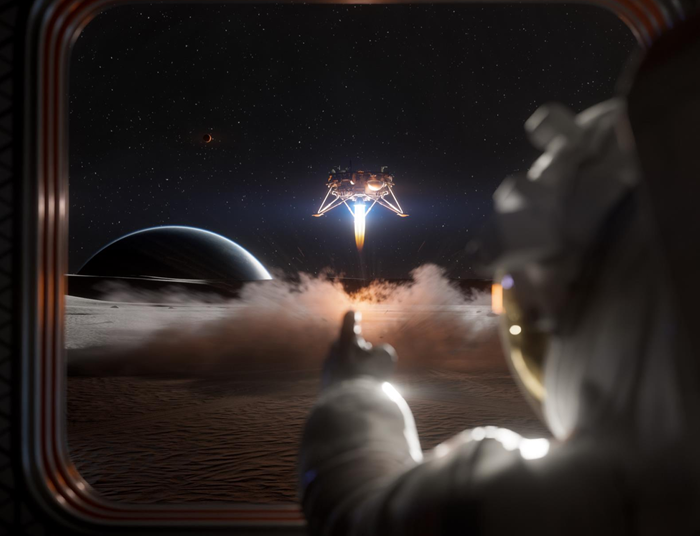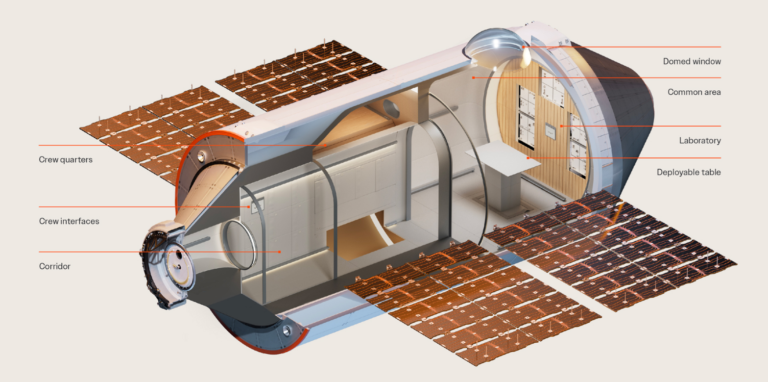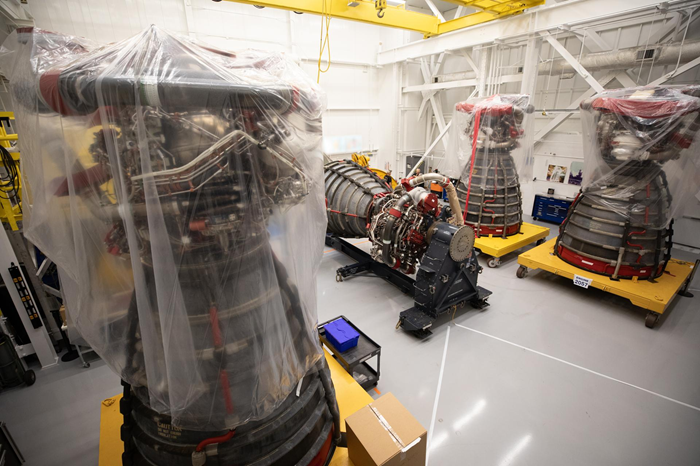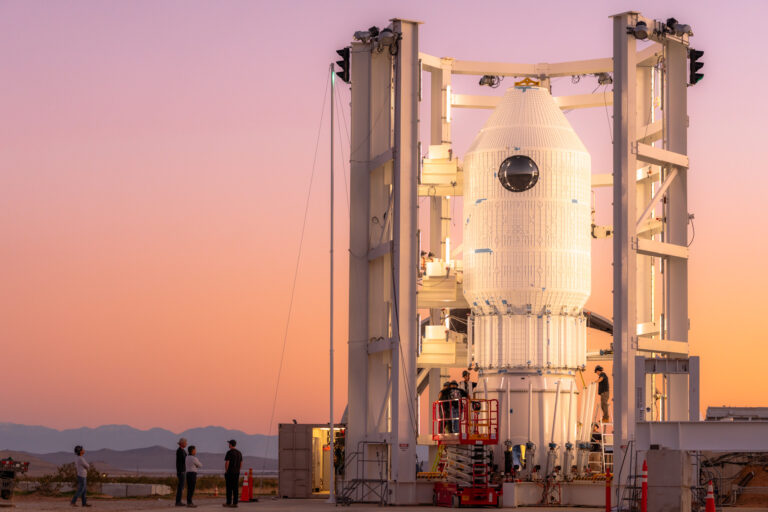
Source: https://www.vastspace.com/haven-1
Obtaining outside data.
Checking internet sources, using keywords: new space habitat humans 2027
News from various sources:
Fact-checked summary:
Based on current data up to October 2023, although there are ongoing developments and initiatives by organizations like NASA and private companies such as SpaceX, Blue Origin, and Axiom Space to establish new space habitats for humans, there is no definitive evidence or guarantee that such a habitat will be visited by humans before the end of 2027. This information is critical as it directly addresses the original question about the timeline for visiting new space habitats. The developments indicate significant progress in space habitat projects, highlighting a wider context and understanding of future potential visits. However, gathering further information on these projects is essential for making more informed predictions.
OpenAI gives a base rate of 30%
The question difficulty is rated 8 (0 to 10)
A Bayesian calculation could be performed as follows:
Given the base factors and considering current advancements in technology and collaboration trends, we use a starting base rate of 0.3. Using the historical factors, assume probabilities: 0.5 (previous space habitats), 0.6 (international cooperation), 0.5 (ambitious missions). Bayesian estimation: 0.3 * (0.5 + 0.6 + 0.5)/3 = 0.3 * 0.53 = 0.159. Adjust for positive trends and recurrent challenges, we conclude with an updated Bayesian estimate of approximately 0.25.
Bayesian base rate: 25%
Sufficient news to provide a good forecast? 0 (0 or 1)
News is relevant, topical and unbiased? 1 (0 or 1)
Question classification: scenario_based_forecast
Expected time (days) until question close: 953
The following were considered in order to produce this base rate:
The base rate was established by evaluating past achievements in the field of space exploration, particularly concerning habitats and manned missions. Historically, new space habitats face significant delays and challenges, resulting in approximately 30% success in adhering to projected timelines for human visits.
Ideally, the news feed would contain the following sorts of information for a better forecast:
Additional data on ongoing projects, technical milestones, and specific commitments from governments and companies would enhance forecast accuracy. Monitoring for breakthroughs in space technologies or policy changes is crucial.
Some potential divergent considerations that might affect the base rate:
Advancements in technology and the growing interest of private companies in space exploration could expedite progress. Conversely, unforeseen technical difficulties, budget cuts, geopolitical tensions, or safety concerns could further delay the projects.
The following chain of events are necessary for the question to resolve positively:
- Completion of construction and launch of a new space habitat. (Moderately likely)
- Successful coordination and collaboration between space agencies and private companies for a manned mission. (Moderately likely)
- Approval and allocation of necessary funding for manned missions. (Likely)
- Successful test missions leading to manned missions. (Likely)
- Resolution of technical and logistical challenges for a safe human visit. (Moderately likely)
Querying Claude (AI predicts: 0.18 – confidence: 4)
Querying Mistral (AI predicts: 0.45 – confidence: 6)
Querying OpenAI (AI predicts: 0.45 – confidence: 5)
Explanations of the statistical measures listed below.
Question Type: Binary
Median from LLMs: 0.45
Base rate: 0.3 (from OpenAI)
SD: 0.13
MAPD: 0.18
Confidence: 5
Conf Mode: Low
Mellers: 0.43
Reverse Mellers: 0.47
Theory of Mind: 0 (What did the LLMs think other LLMs predicted?)
Beta Distribution: 0.11
Close Type: B (B = cautious # closer to 50%; A/C = closer to extremes)
LLM responses: 3
Model value: 45%
Multiple analyses converge on the conclusion that the likelihood of a new space habitat being visited by humans before the end of 2027 is low, with estimates ranging between 18% and 30%. This is primarily due to historical patterns of delay in the space industry, where new projects seldom adhere to original schedules due to technical, financial, and logistical challenges. Axiom Space appears to be the most promising candidate, although it, too, has faced significant delays. Private sector involvement and technological advancements offer potential acceleration, but inherent uncertainties and dependencies on successful sequencing (construction, launch, and manned mission approvals) remain significant. However, some variability in outcomes is possible, influenced by unexpected rapid technological progress, new alliances, or shifts in definitions of what constitutes a ‘new space habitat.’ Notably, ongoing initiatives by China or novel developments by SpaceX could alter the predicted timeline.
Runtime: 54 seconds.
About The Author