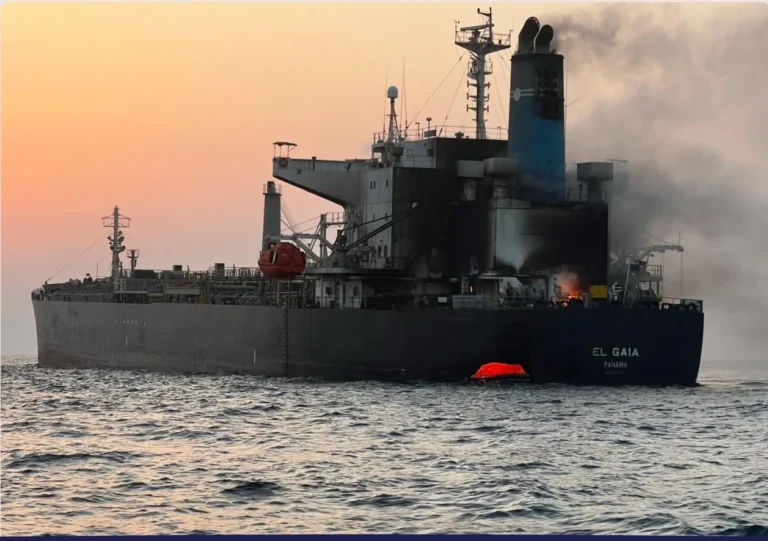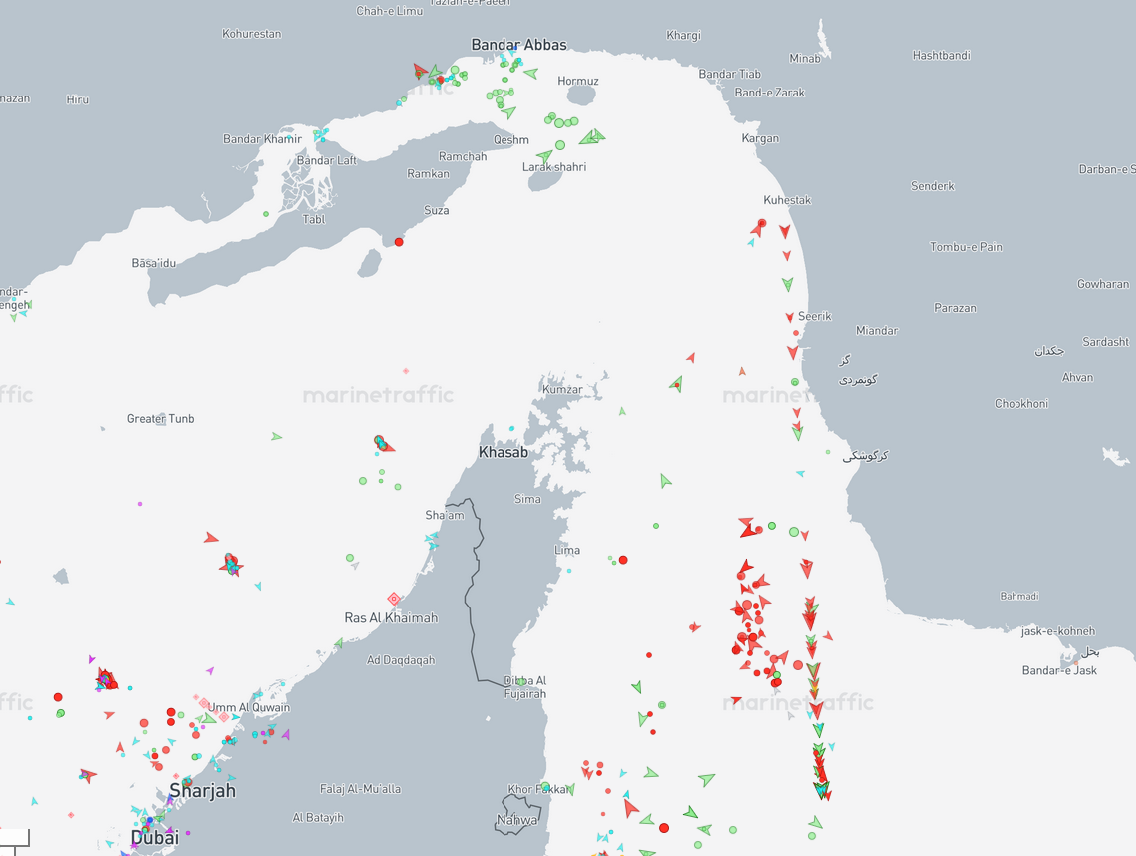
Ship traffic avoiding the Strait of Hormuz
Obtaining outside data.
Checking internet sources, using keywords: Strait of Hormuz LNG traffic 2026
News from various sources:
The content you provided consists of various pieces of detailed information related to the Strait of Hormuz and its impact on global energy markets, particularly focusing on LNG (liquefied natural gas) traffic as of 2026. Here’s a summary of the relevant points
Strait of Hormuz Closure: The Strait of Hormuz is not expected to fully reopen until the second half of 2026, due to ongoing conflicts in the region. This has led to significant disruptions in global oil and LNG supplies. The strait is a critical chokepoint in global energy trade, handling about a fifth of the world’s oil and LNG shipments.
Impact on Global Energy Markets:
- Baker Hughes and other stakeholders, including oilfield services firms, anticipate persistent high oil and LNG prices due to geopolitical risks and supply disruptions.
- The Federal Reserve Bank of Dallas survey found that most oil and gas executives expect the strait will not reopen before August 2026.
- Moody’s predicts prolonged disruptions will lead to high energy prices, with Brent crude averaging between $90 to $110 per barrel throughout the year.
Current Traffic and Adaptation:
- Recent reports indicate that while some increase in tanker traffic has occurred, it remains below pre-conflict levels. Iran has begun allowing more ships to transit the strait.
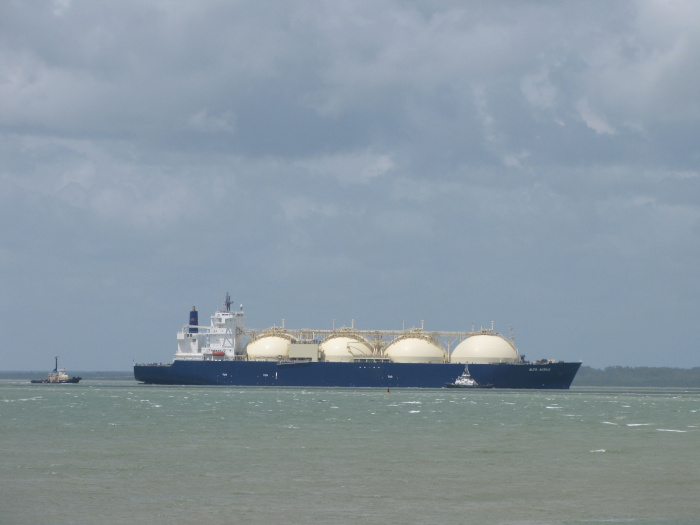
- Commodity flows through the strait are operating at wartime averages, with a notable reduction in LNG transit.
- Nations like China and India are negotiating passage with Iran, suggesting a reliance on bilateral agreements rather than general reopening for improved transit flows.
International Responses:
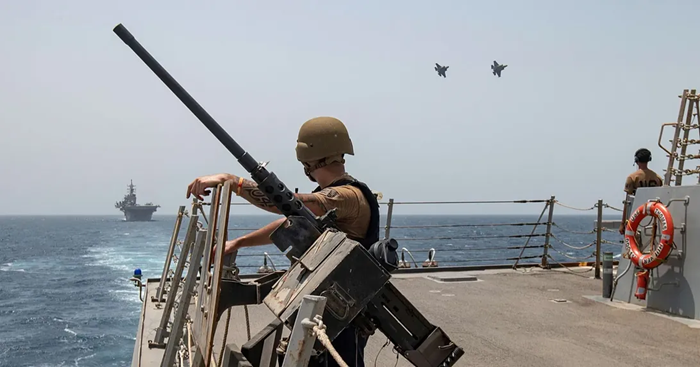
- NATO is considering deploying naval forces to secure commercial shipping routes through the strait should disruptions persist, indicating the strategic importance of the region.
- Discussions among NATO members and other affected countries highlight concerns over the prolonged impact on global energy security.
Iran’s Strategy and Further Risks:
- Iran plans to leverage its control over the strait to impose fees on subsea internet cables passing through its waters, turning geographic advantages into economic leverage.
- There are potential threats to submarine cables, which are crucial for global internet and data traffic, adding another layer of risk to global stability.
Overall, the situation in the Strait of Hormuz in 2026 reflects significant geopolitical tensions affecting global markets, with energy prices remaining high due to ongoing disruptions and uncertainty about transit infrastructure and broader economic impacts.
Fact-checked summary:
The Strait of Hormuz handles about a fifth of the world’s oil and LNG shipments, which highlights the global significance of any disruptions in its operations. Additionally, oilfield services firms anticipate persistent high oil and LNG prices due to geopolitical risks and supply disruptions, suggesting economic impacts associated with the closure. While these facts underscore the importance and potential economic implications of the strait’s reopening, they do not directly answer whether the Strait of Hormuz will reopen to all LNG traffic before May 31, 2026.
OpenAI gives a base rate of 0.75 (75%)
The question difficulty is rated 7 (0 to 10)
Historical weighted factors include:
Frequency of geopolitical disruptions in the Strait of Hormuz, 0.4
Successful reopening after past closures, 0.3
Economic pressure influence, 0.3
A Bayesian calculation could be performed as follows:
Using historical factors, calculate P(A|B) where A is reopening and B is each factor. P(A|B) = P(B|A) * P(A) / P(B).
Bayesian base rate: 0.78 (78%)
Sufficient news to provide a good forecast? 1 (0 or 1)
News is relevant, topical and unbiased? 1 (0 or 1)
Question classification: scenario_based_forecast
Expected time (days) until question close: 10
The following were considered in order to produce this base rate:
The base rate of 0.75 considers past closures of the Strait of Hormuz, where geopolitical resolutions led to reopening. Given the substantial economic stakes and historical precedence of reopening after disruptions, this base rate reflects an optimistic yet cautious probability.
Ideally, the news feed would contain the following sorts of information for a better forecast:
Additional considerations include detailed insights into the current political climate and any ongoing negotiations or conflict resolutions in the area that could affect the reopening timeline.
Some potential divergent considerations that might affect the base rate:
Unforeseen escalation of regional conflicts could impede reopening. On the other hand, strong international diplomatic efforts could expedite the process.
The following chain of events are necessary for the question to resolve positively:
- Resolution of geopolitical tensions in the region. Moderate
- International diplomatic efforts to ensure safe passage are successful. Moderate
- Safety measures implemented to protect LNG shipments. High
- Economic pressure from oil and LNG dependent countries for reopening. High
Querying Claude (AI predicts: 0.55 – confidence: 3)
Querying Mistral (AI predicts: 0.65 – confidence: 6)
Querying OpenAI (AI predicts: 0.8 – confidence: 7)
Explanations of the statistical measures listed below.
Question Type: Binary
Median from LLMs: 0.65
Base rate: 0.75 (from OpenAI)
SD: 0.1
MAPD: 0.16666666666667
Confidence: 6
Conf Mode: Normal
Mellers: 0.71
Reverse Mellers: 0.6
Theory of Mind: 0.65 (What did the LLMs think other LLMs predicted?)
Beta Distribution: 0.86
Close Type: C (B = cautious # closer to 50%; A/C = closer to extremes)
LLM responses: 3
Model value: 65%
The reasoning across the different AIs centers on the strategic significance of the Strait of Hormuz, through which a considerable portion of global LNG and oil shipments pass. Historically, the strait has remained open even during high tensions due to the immense economic stakes and international diplomatic pressures. A base rate of 0.75 for reopening after closures is typically expected; however, current geopolitical dynamics with Iran, including unresolved diplomatic efforts and potential military escalations, reduce this likelihood. With only 10 days remaining until the deadline, the limited timeframe diminishes the potential for a swift resolution, despite ongoing diplomatic attempts and economic pressures. The lack of news confirming an imminent reopening is also seen as a negative indicator. While historical data suggests optimism, unique current factors such as regional tensions and strategic geopolitical moves by Iran could alter traditional outcomes. The prediction is also tempered by the possibility of misinterpretation of the situation, as the strait may not have been completely closed or could have reopened already, making the scenario highly uncertain.
Runtime: 126 seconds.
About The Author