Strait of Hormuz
This is its condensed report. Full version here.
Grok response:
- Title: Iran oil tankers turned back by US blockade, Hormuz traffic sparse
Description: Reuters article on shipping data showing minimal traffic through the Strait amid ongoing US-Iran tensions.
Published: April 27, 2026
Summary: Six Iranian oil tankers were forced back by US blockade, with only seven ships transiting in the past day per Kpler and SynMax data, none carrying oil for global markets. The strait, handling 20% of world oil and LNG, remains curtailed due to stalled talks. Thousands of seafarers are stranded as risks persist.[1] - Title: ADNOC LNG tanker crosses Strait of Hormuz for first time since Iran war
Description: Reuters report on ship-tracking data confirming a rare LNG transit.
Published: April 27, 2026 (updated April 29)
Summary: A UAE-managed ADNOC LNG tanker crossed the strait after weeks without signal, marking the first loaded LNG transit since February 28 war start. Previously unseen since March 30 in the Gulf, it appeared off India. This isolated event highlights otherwise halted LNG flows.[2] - Title: Strait of Hormuz traffic highest in weeks, but Qatar LNG vessels make U-turn
Description: MSN aggregation of shipping news on weekend transits amid restrictions.
Published: April 29, 2026
Summary: 21 ships transited over the weekend, highest since early March decline, but Qatar LNG carriers reversed course. Traffic remains far below normal amid dual blockades. No sustained LNG resumption reported.[3] - Title: First Fully Loaded L.N.G. Tanker Since War Began Crosses Strait
Description: New York Times business report on a breakthrough LNG transit.
Published: April 28, 2026
Summary: One laden LNG tanker passed after two months of effective halt, contrasting 2025 average of three daily. US and Iran blockades persist, trapping supplies. Experts note risks prevent normalization.[4] - Title: When will Strait of Hormuz be ‘safe’ for commercial shipping again?
Description: Al Jazeera feature on stranded ships and clearance challenges.
Published: April 28, 2026
Summary: 2,000 ships stranded in Gulf; US estimates six months to clear Iranian mines. Even if reopened, insurance costs could surge 20x pre-war. No full traffic resumption amid ongoing war.[5] - Title: Strait of Hormuz Live Tracker — Real-Time Shipping & Oil Tanker Traffic
Description: Live monitoring site status update.
Published: April 30, 2026 (real-time)
Summary: Strait briefly reopened April 21 but closed again April 22; currently CLOSED to commercial traffic. Live data shows minimal or no LNG carrier movements. Blockades by Iran and US ongoing.[6] - Title: Oil ends up nearly 3% as Hormuz disruption outweighs ceasefire hopes
Description: Reuters energy market update tying prices to strait status.
Published: April 28, 2026
Summary: Stalled peace talks leave strait largely closed, constraining 20% global oil/gas; traders price prolonged disruption. Isolated transits like ADNOC LNG noted but not indicative of full access. Trump’s rejection of Iranian proposal maintains deadlock.[7] - Title: Iran says Strait of Hormuz is ‘open’ but tracking shows few ships moving
Description: BBC news on Iranian claims vs reality.
Published: April 17, 2026 (relevant to pattern of reversals)
Summary: Iran declared strait open during ceasefire but data showed minimal movement; pattern repeated in late April. 20% global oil/LNG affected. Ships restricted to Iranian-designated lanes with permissions.[8] - Post by Kpler (@Kpler): Strait of Hormuz traffic remains tightly constrained
Description: X post with vessel crossing data as of April 27.
Published: April 28, 2026
Summary: Only 6 crossings on April 27 (3 commercial, including sanctioned LPG/steel); no LNG noted. Tied to negotiations, not safe conditions. Mobility selective, caution prevails.[9] - Title: How traffic through the Strait of Hormuz shrank to a trickle
Description: CNN visualization of monthly traffic collapse.
Published: April 29, 2026
Summary: March saw only 154 vessels vs normal thousands; April similar despite brief openings. LNG from Qatar trapped, causing global repricing. No path to full LNG resumption before May.[10]
Current Status and Recent Developments
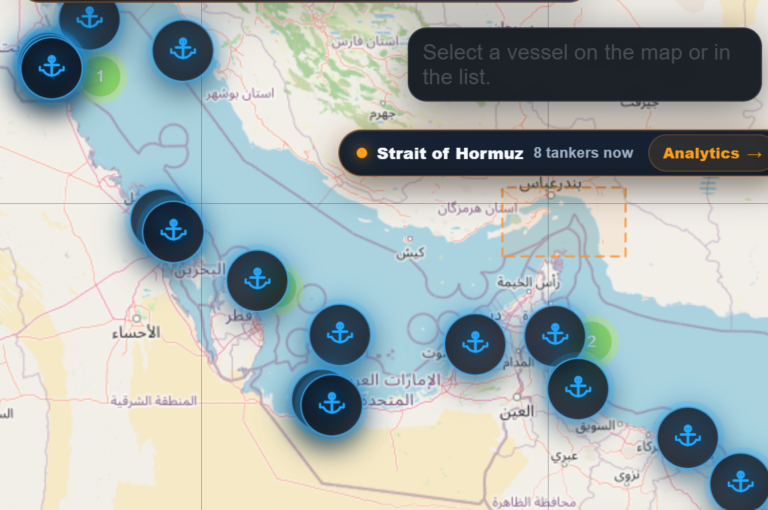
As of April 30, 2026, the Strait of Hormuz remains severely restricted to international maritime traffic, including LNG carriers, due to mutual blockades by Iran and the US amid the ongoing war that began February 28, 2026.[11] Normal daily transits of 125-140 vessels (including ~3 laden LNG tankers) have plummeted to 5-21 sporadically, with ~90-95% reduction; live trackers report 0-3 vessels active and “CLOSED” status.[6][12] This traps ~13 million bpd oil and 300 million cubic meters/day LNG inside the Gulf, primarily Qatar’s exports (42% of some importers’ LNG), forcing shutdowns and reroutes.[13]
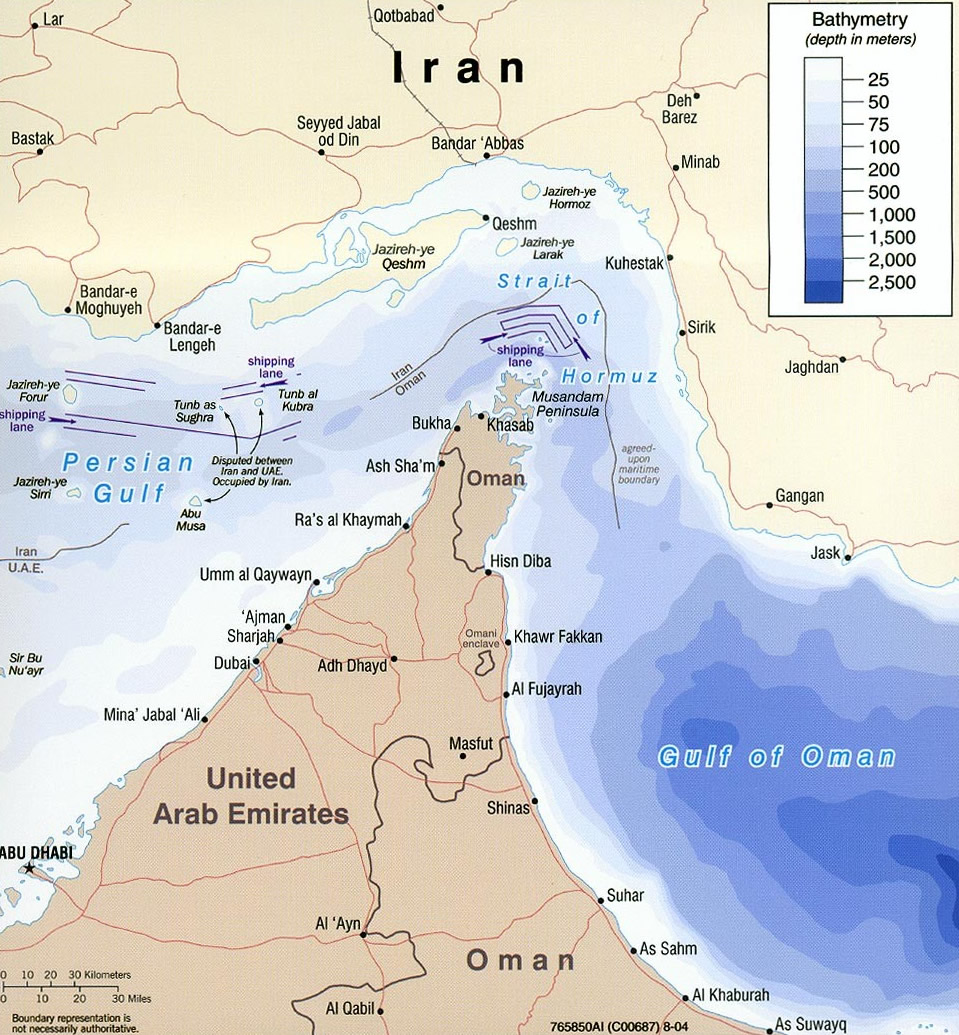
Isolated LNG breakthroughs occurred April 27-28: one ADNOC (UAE) tanker crossed outbound to India (first since war), and another reported, but Qatar vessels U-turned amid warnings.[2][3] These are exceptions via Iranian “safe lanes” with permissions, not indicative of unrestricted access; most tankers reverse or anchor outside.[9]
Pattern of Temporary Openings and Reversals
Iran announced “complete openness” April 17 (tied to 10-day ceasefire), prompting brief ~12-20 transits, but revoked April 18 after US blockade refusal, firing on vessels (e.g., Indian ships, tankers).[8][14] Similar April 21 reopening collapsed by April 22; traffic hit post-war highs (77 vessels Mar 30-Apr 5) but fell below 10/day by April 6.[15] No major outlet (Reuters, NYT, BBC, AP) reports sustained reopening to all international LNG traffic—claims are contradicted by data showing “muted,” “trickle,” or “halted.”[1]
Diplomatic Stalemate and Expert Views
Talks via Pakistan/Moscow stalled; Iran proposes reopening tied to US ending blockade/war (April 26-27 offers rejected by Trump).[16] US maintains naval presence, seizing tankers; Iran deploys mines (6-month US clearance estimate).[5] Experts (Brookings, shipping analysts) warn normalization could take weeks-months post-ceasefire due to insurance (20x hike), mine risks, and trust issues; no full LNG resumption expected soon.[5][17]
Impacts and Market Data
Oil (Brent ~$109, WTI ~$105 as of April 30) reflects prolonged disruption; LNG markets repricing higher (UK nat gas 117.6p/therm high).[7] Pre-war: 20% global oil/LNG via strait; now ~70% tanker drop, 150+ anchored outside.[18] With <24 hours to May 1 and no breaking reports of full LNG access from major outlets, criteria unmet; traffic data confirms severe restrictions persist.[19]
=== Forecast Result ===
=== Reasoning ===
An analysis of the current situation in the Strait of Hormuz indicates that the conditions for a “Yes” resolution are extraordinarily unlikely to be met before the May 1, 2026 deadline. The forecast is based on the severe discrepancy between the resolution criteria and the facts on the ground, compounded by an extremely short timeframe.
Reasoning for the Forecast
- Current State is “Severely Restricted”: The resolution criteria’s core condition is that LNG traffic must no longer be “halted or severely restricted.” As of April 30, 2026, all available evidence points to traffic being severely restricted. Multiple sources confirm that vessel traffic has plummeted by 90-95% from its pre-war normal of 120-140 vessels per day. Real-time trackers have even reported the strait as “CLOSED” to commercial traffic. While there has been an isolated transit of a single loaded LNG tanker, an event so rare it was newsworthy, it stands in stark contrast to the pre-war average of three per day and does not constitute a reopening. Critically, LNG vessels from Qatar, a primary exporter, have recently been observed reversing course, demonstrating that consistent access is not available.
- Insurmountable Time Constraint: The question resolves in less than 24 hours. For a “Yes” resolution, not only would a complete diplomatic and military reversal have to occur, but major news outlets would also need to verify and report that traffic is no longer severely restricted. Given the current stalemate in negotiations and the entrenched military positions, a sudden breakthrough is highly improbable.
- Structural Barriers to Reopening: Even in the highly unlikely event of an immediate ceasefire agreement today, the operational reality on the water would not change instantly.
- Insurance and Risk: Major shipping and insurance companies have deemed the strait too high-risk, a policy that would not be reversed in mere hours. Confidence would need to be rebuilt over days or weeks, not moments.
- Physical Dangers: The US military estimates a six-month timeline would be required to clear the strait of Iranian mines after hostilities cease. This physical danger would keep traffic severely restricted regardless of any political declarations.
- Assumptions and Confidence:
- Assumption 1: The provided high-quality intelligence from sources like Reuters, NYT, BBC, and data firms like Kpler is accurate. The probability of this assumption being incorrect is extremely low (<1%), as the sources are numerous and corroborating.
- Assumption 2: A “black swan” diplomatic event will not materialize and be fully implemented in the next 18 hours. The probability of this assumption failing is exceptionally low. Even if a deal were announced, the resolution criteria hinge on the de facto state of traffic (“no longer severely restricted”), which would lag far behind any political announcement.
Given these factors, the path to a “Yes” resolution is virtually non-existent. The current state is the polar opposite of the resolution criteria, and there is no time for this to change.
Probability: 1%
End
About The Author