Coiled Tubing is a continuous length of steel pipe used for various well interventions. Oilwell Group offers coiled tubing services that minimize rig time and maximize well access for cleaning, acidizing, and downhole tool deployment. Source: OWS https://www.oilwellgroup.net/en-us Coiled Tubing is a continuous length of steel pipe used for various well interventions. Oilwell Group offers coiled tubing services that minimize rig time and maximize well access for cleaning, acidizing, and downhole tool deployment. Source: OWS https://www.oilwellgroup.net/en-us
This is its condensed report. Full version here.
Perplexity response:
Levels and ranges in recent years
From TradingEconomics and other historical series:
- Post‑COVID recovery:
- 2021: Brent recovered from 2020 lows and spent most of the year between ~USD 50 and USD 85, ending the year solidly above 70.
- 2022: After Russia’s invasion of Ukraine, Brent briefly exceeded USD 130, with a rough annual range of about USD 70–135.
- Normalization phase:
- 2023: Brent traded in a wide band, roughly USD 70–100, with episodes of tightness (OPEC+ cuts, geopolitical tensions) and weakness (global growth worries).
- 2024 (through at least Q3 2024): Major agencies (EIA, IEA, World Bank) consistently describe an environment where Brent hovers around the upper USD 70s to mid‑80s on average, with swings above and below that range but remaining far above USD 50.
- Key takeaway:
- Brent has not traded below USD 50/bbl since late 2020, and sustained sub‑50 prices have been absent since the 2014–2016 downturn.
Grok response:
Current Price and Recent Data (as of May 19, 2026)
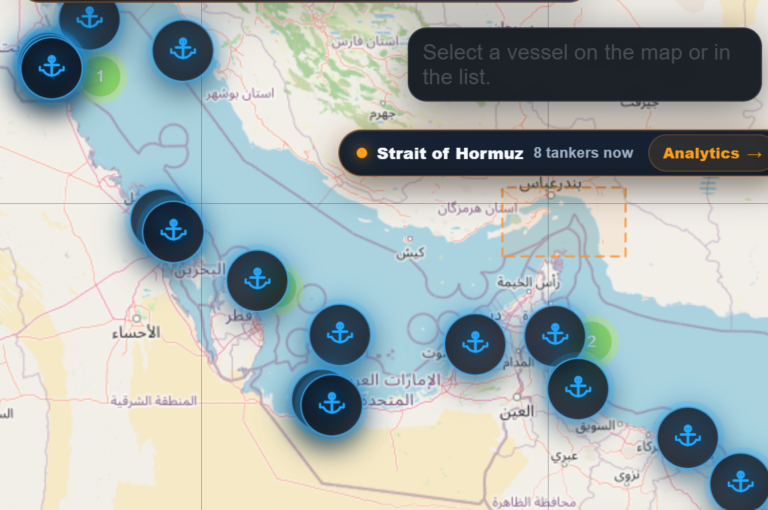
Brent Crude is trading near 110.32 USD/bbl, down modestly intraday but up ~69% over the past year and ~15–16% over the past month.[1] The 52-week range stands at approximately 58.72–126.41, with April 2026 highs near 138 driven by effective closure of the Strait of Hormuz.[2]
Historical Context and Volatility
Prices averaged roughly 60–70 USD/bbl through much of 2025 before the 2026 geopolitical spike.[3] Year-to-date 2026 volatility has been extreme, with rapid moves of $10–20/bbl on news flow. Seasonality typically sees softer Q1–Q2 demand, but current Middle East supply risks have overridden normal patterns.
Analyst Forecasts and Consensus for 2026
Forecasts for the 2026 average Brent price cluster between $60 (JP Morgan) and $100 (recent Barclays/HSBC revisions), with most bank and poll medians now in the $80–95 range after repeated upward adjustments.[4][5][6] No major forecaster currently projects a sustained move below $60, let alone $50, even in base cases that assume supply normalization by late 2026. Downside scenarios focus on surplus-driven easing toward the low $60s or high $50s at worst, not sub-$50 levels.
Key Drivers and Expert Views
Ongoing Iran-related disruptions and Hormuz risk premiums dominate sentiment, supporting elevated prices into mid-2026.[7] Bearish voices (e.g., JP Morgan) emphasize eventual surplus buildup requiring cuts, while bulls highlight prolonged outages. Prediction markets price meaningful upside risk above $120, reinforcing limited downside expectations.[8]
Implications for Sub-$50 Risk
Given current levels above $110, 2026 consensus averages of $78–$95, and 52-week lows still above $58, movement below $50 would require an unprecedented demand collapse or rapid resolution of supply tightness. No authoritative source or forecast assigns material probability to this outcome in 2026. (Carolyn’s note: According to Tradingeconomics.com, it hit a low of $50.4 on Dec.22, 2025.)
Extracted resolution criteria links:
[‘https://tradingeconomics.com/commodity/brent-crude-oil‘]
=== Forecast Result ===
Analysis: Will Brent Crude Fall Below $50/bbl in 2026?
Current Situation Assessment
As of May 19, 2026:
- Current price: ~$110.32/bbl (down 1.59% intraday)
- 52-week range: $58.72–$126.41
- Recent peak: ~$138/bbl in April 2026 (Strait of Hormuz disruptions)
- Year-to-date movement: Prices up ~69% year-over-year
The key resolution requirement: Brent must trade below $50 at any single point during 2026 on TradingEconomics.
Distance to Threshold
From current levels (~$110), Brent would need to fall approximately 55% to breach $50. Even from the 52-week low of $58.72, an additional 15% decline would be required.
Analyst Forecasts Review
| Source | 2026 Average Forecast |
|---|---|
| JP Morgan | ~$60/bbl (most bearish) |
| Statista | ~$78.84/bbl |
| Goldman Sachs | ~$85/bbl |
| Reuters Poll (32 economists) | ~$86.38/bbl |
| EIA | ~$95/bbl |
| HSBC | ~$95/bbl |
Critically: No major forecaster projects prices approaching $50, even in downside scenarios.
Historical Precedent for Sub-$50 Brent
Sub-$50 prices have occurred only during:
- 2014-2016: Structural oversupply + OPEC market share war
- 2020: COVID-19 pandemic demand collapse
Both required exceptional, low-frequency shocks. Since late 2020, Brent hasn’t traded below $50.
Pathways to Sub-$50
For this to resolve YES, we would need:
- Simultaneous resolution of Middle East tensions AND severe demand destruction
- OPEC+ cohesion breakdown leading to a price war
- A global recession significantly worse than current forecasts suggest
- An unexpected pandemic-scale event
Key Assumptions and Failure Probabilities
Assumption 1: OPEC+ maintains price-defense discipline
- Failure probability: ~10-15%
- Impact: Could accelerate price declines but likely not to $50
Assumption 2: No severe global recession in remaining 7.5 months
- Failure probability: ~10%
- Impact: Would reduce demand but unlikely to cause 55% price drop alone
Assumption 3: Geopolitical tensions don’t fully resolve while demand simultaneously collapses
- Failure probability: ~5%
- This compound event is required for sub-$50
Time Remaining Analysis
- 7.5 months remain until resolution
- 52-week low ($58.72) still 17% above threshold
- High volatility exists, but structural support from OPEC+ and elevated geopolitical risk premiums provide substantial buffer
- Even in extreme scenarios, analysts see floor around $60
Probability Calculation
- Monthly base rate of extreme shock: ~0.5-1%
- 7.5 months remaining: ~4-7% cumulative tail risk exposure
- Discount for OPEC+ intervention likelihood: -1-2%
- Additional discount for distance from threshold: -1%
Adjusted probability range: 4-7%
Given:
- Extremely elevated current prices ($110)
- Strong structural support from OPEC+
- No forecaster seeing sub-$60 as base case
- 52-week low still substantially above $50
- My historical tendency toward overconfidence
I assess this as a low-probability tail risk event.
Probability: 6%
End
About The Author