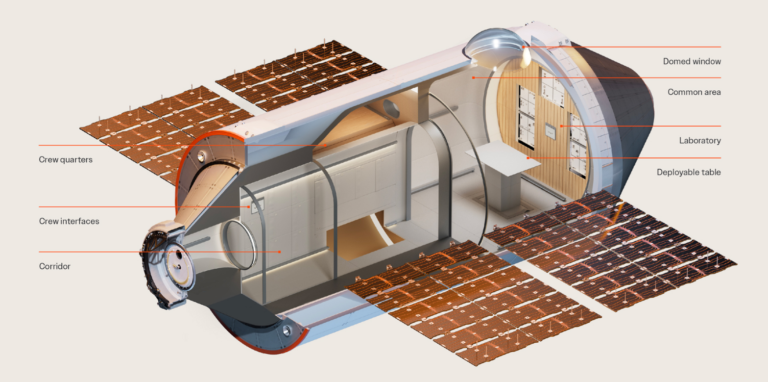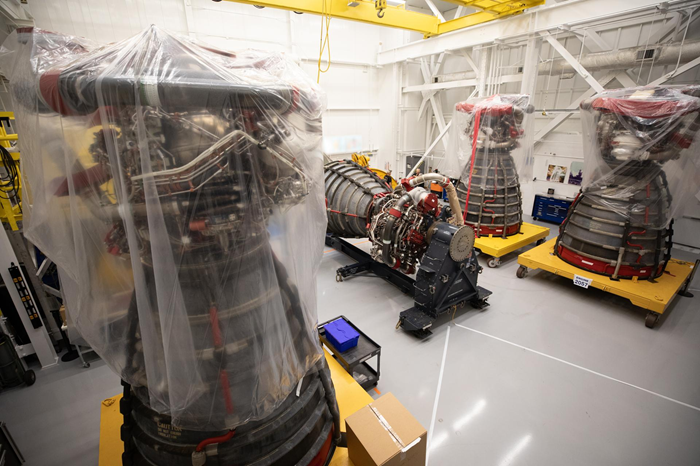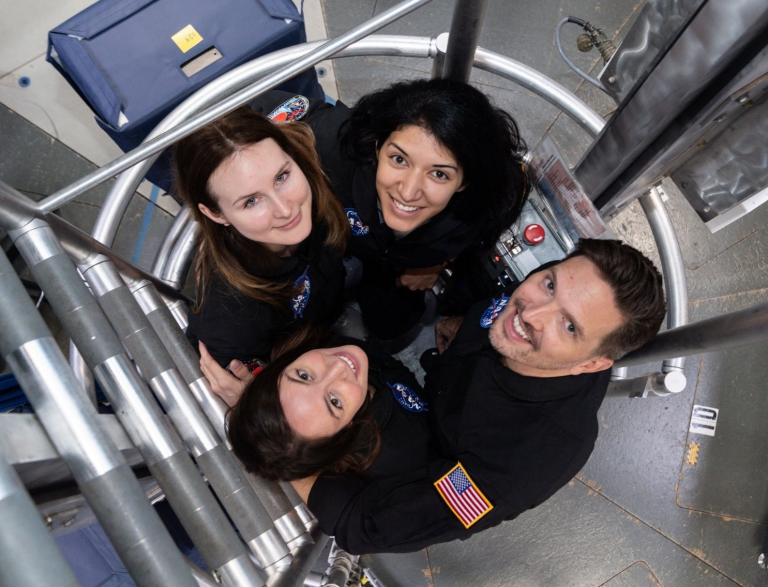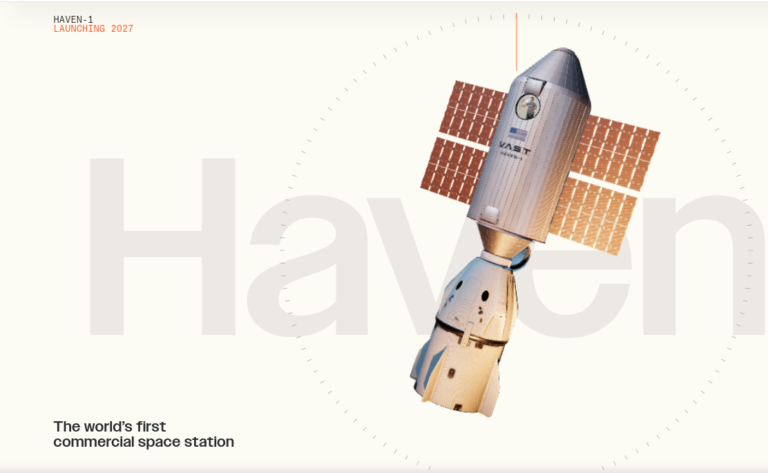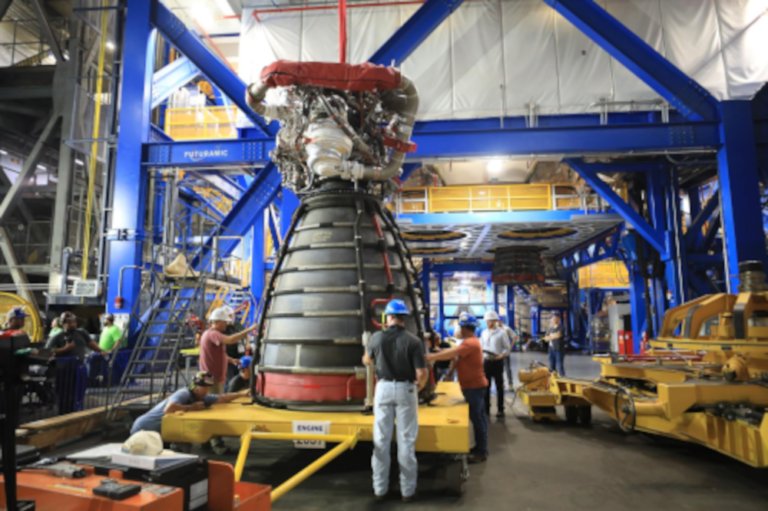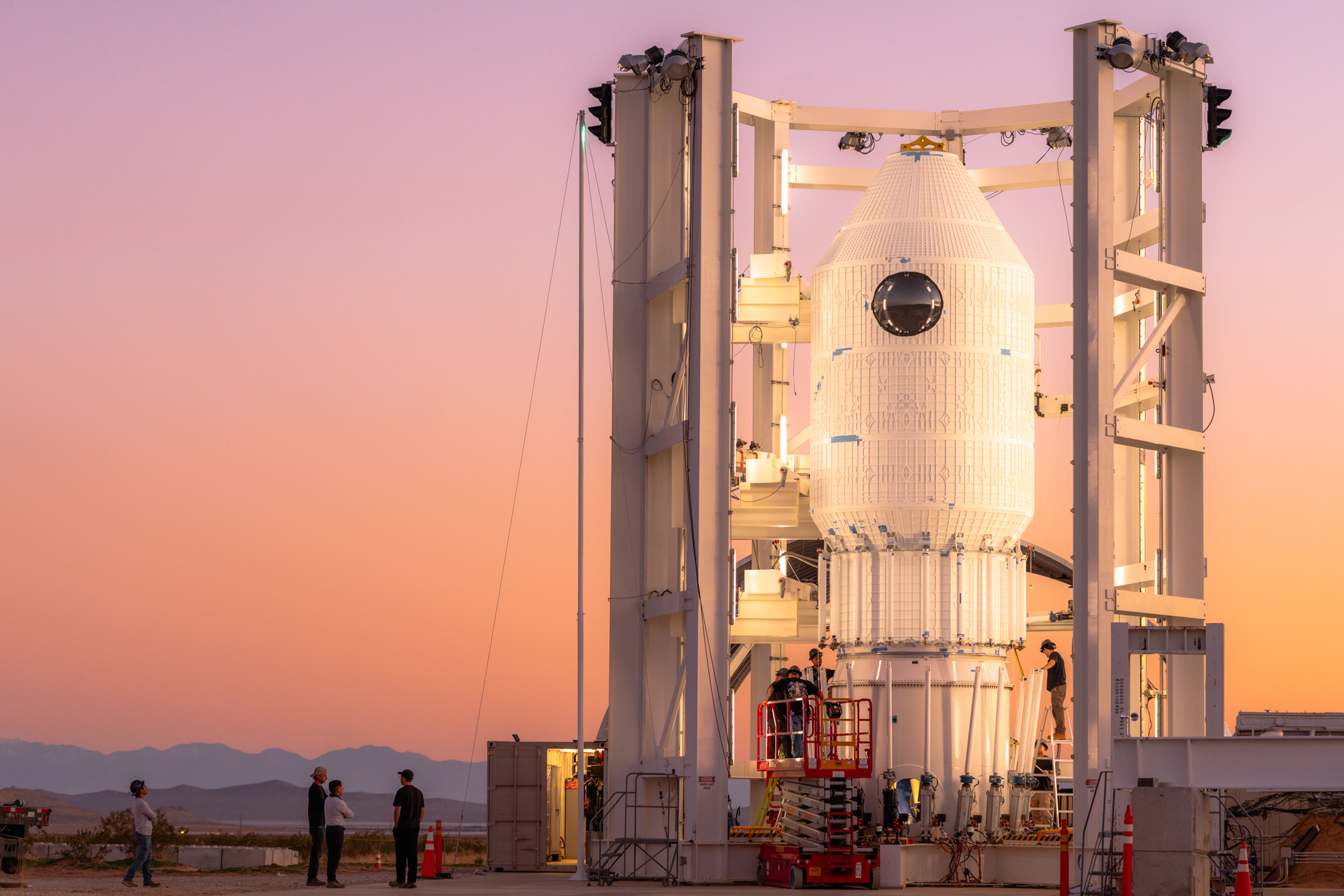
Haven-1 flight primary structure at Vast’s testing site in Mojave, CA. Source: https://www.vastspace.com/updates/vast-advances-haven-1-into-integration-phase
Deepseek Binary response:
The question resolves Yes if humans visit any new space habitat other than the ISS or Tiangong before 2027-12-31. The dominant candidate is Vast’s Haven-1, with recent September 2026 sources indicating an early-2027 launch and a planned crewed mission in 2027. Orbital Reef and Starlab remain on later timelines, and a Starship-based habitat is unlikely to host humans by 2027.
Key assumptions and risks:
- Haven-1 launches on schedule (early 2027). Vast has already slipped from a 2025 target to early 2027. Further slippage is common in space hardware, but the recent CEO statement and Aviation Week reporting give a credible near-term target. Probability of launch by mid-2027: roughly 55–65%.
- A crewed Dragon mission reaches Haven-1 before end-2027. If Haven-1 launches in Q1 2027, a crew visit later in 2027 is plausible; if launch slips to Q2 or later, the crewed mission likely slips to 2028. Conditional on a Q1 launch, chance of a crew visit by end-2027 is high (~80–90%), but the margin is thin.
- No other new habitat resolves the question. Axiom’s attached module is arguably part of the ISS and not intended here; Starship crewed habitat use by 2027 is very unlikely; Orbital Reef and Starlab are not near crewed operation.
Combining these, the probability of a Yes resolution is substantial but not high, given the history of commercial space station delays and the tight timeline. I estimate around 45%.
Data sufficiency: Sufficient
Probability: 45%
Anthropic Binary response:
Looking at this question, I need to assess the likelihood that a new space habitat (Haven-1, Orbital Reef, Starlab, or Starship-based station) will be visited by humans before December 31, 2027.
Key considerations:
- Haven-1 is the clear leading candidate. Multiple independent, recent (September 2026) sources corroborate a Q1 2027 launch target, following a schedule reset earlier in 2026. This is a specific, near-term commitment reaffirmed by the CEO at an industry event—a stronger signal than typical vague roadmap statements.
- Track record of delays. Haven-1’s original target was 2025; it has already slipped ~2 years to 2027. This pattern of schedule slippage is common in aerospace hardware programs (NewSpace companies in particular routinely slip 6-18 months beyond stated targets). This is a significant risk factor for further delay beyond 2027.
- Buffer time exists. If Haven-1 launches in Q1 2027 as stated, there would be roughly 9 months of buffer before the resolution deadline for the actual crewed visit (30-day mission via Dragon) to occur. This provides meaningful cushion against moderate delays, though not against major ones.
- Backup candidates unlikely to contribute. Orbital Reef and Starlab are both described as targeting “second half of the 2020s” or later, with no specific near-term crewed mission dates. These are unlikely to achieve human occupancy before Haven-1 or independently by 2027. Starship-based stations remain speculative/exploratory for this timeframe.
- Positive signals: Vast claims a “Haven Demo” 2025 success (uncrewed precursor), suggesting some technical capability already demonstrated; internal hiring activity aligns with a 2027 operational timeline; NASA/SpaceX Dragon infrastructure is well-funded and available for crew transport.
- Key uncertainty: Whether “Q1 2027” reaffirmed in Sept 2026 will itself slip. Given one major slip already occurred, and complex space hardware/certification processes often take longer than announced, a further 6-12 month slip (pushing into 2028) is a real possibility—historically this type of slip happens in a large fraction of ambitious NewSpace programs.
Assessment: Balancing the credible near-term commitment against the demonstrated pattern of schedule slippage and typical aerospace hardware delays, along with buffer time built into the 2027 window, I estimate a moderate-but-not-high probability of success.
Data sufficiency: Sufficient
Probability: 40%
=== Forecast Result ===
=== Reasoning ===
Looking at this question, I need to assess the likelihood that a new space habitat (Haven-1, Orbital Reef, Starlab, or Starship-based station) will be visited by humans before December 31, 2027.
Key considerations:
- Haven-1 is the clear leading candidate. Multiple independent, recent (September 2026) sources corroborate a Q1 2027 launch target, following a schedule reset earlier in 2026. This is a specific, near-term commitment reaffirmed by the CEO at an industry event—a stronger signal than typical vague roadmap statements.
- Track record of delays. Haven-1’s original target was 2025; it has already slipped ~2 years to 2027. This pattern of schedule slippage is common in aerospace hardware programs (NewSpace companies in particular routinely slip 6-18 months beyond stated targets). This is a significant risk factor for further delay beyond 2027.
- Buffer time exists. If Haven-1 launches in Q1 2027 as stated, there would be roughly 9 months of buffer before the resolution deadline for the actual crewed visit (30-day mission via Dragon) to occur. This provides meaningful cushion against moderate delays, though not against major ones.
- Backup candidates unlikely to contribute. Orbital Reef and Starlab are both described as targeting “second half of the 2020s” or later, with no specific near-term crewed mission dates. These are unlikely to achieve human occupancy before Haven-1 or independently by 2027. Starship-based stations remain speculative/exploratory for this timeframe.
- Positive signals: Vast claims a “Haven Demo” 2025 success (uncrewed precursor), suggesting some technical capability already demonstrated; internal hiring activity aligns with a 2027 operational timeline; NASA/SpaceX Dragon infrastructure is well-funded and available for crew transport.
- Key uncertainty: Whether “Q1 2027” reaffirmed in Sept 2026 will itself slip. Given one major slip already occurred, and complex space hardware/certification processes often take longer than announced, a further 6-12 month slip (pushing into 2028) is a real possibility—historically this type of slip happens in a large fraction of ambitious NewSpace programs.
Assessment: Balancing the credible near-term commitment against the demonstrated pattern of schedule slippage and typical aerospace hardware delays, along with buffer time built into the 2027 window, I estimate a moderate-but-not-high probability of success.
Data sufficiency: Sufficient
Probability: 40%
End
About The Author