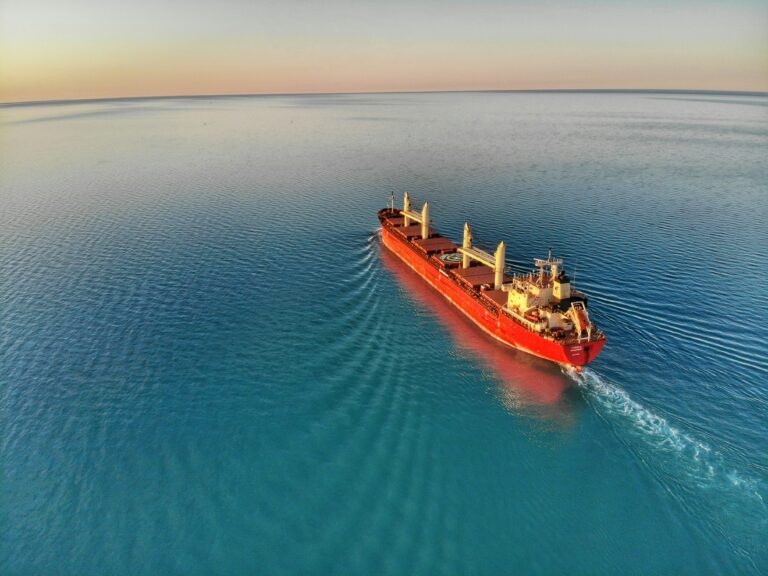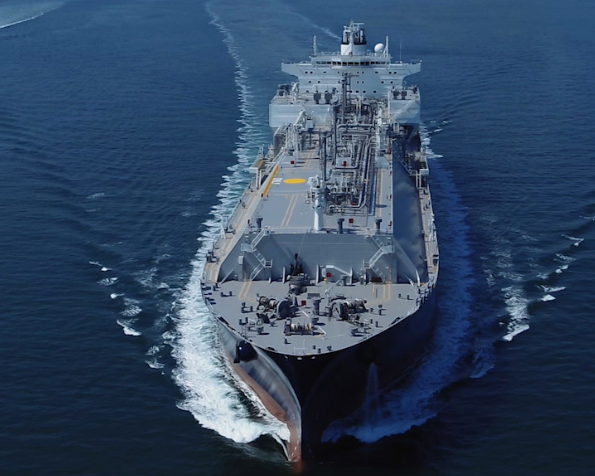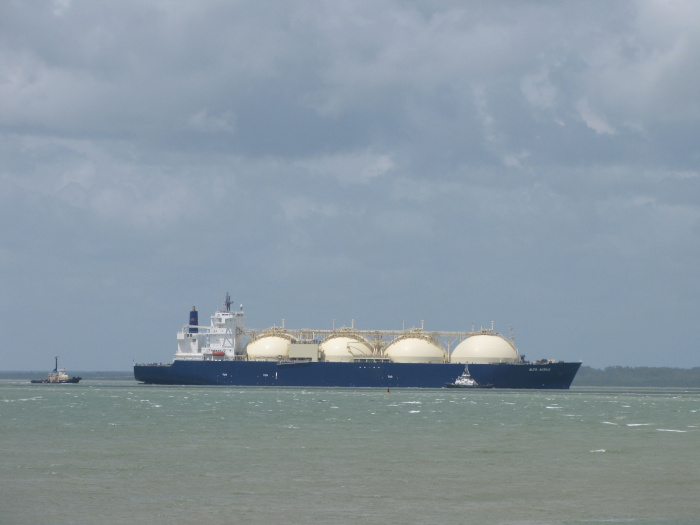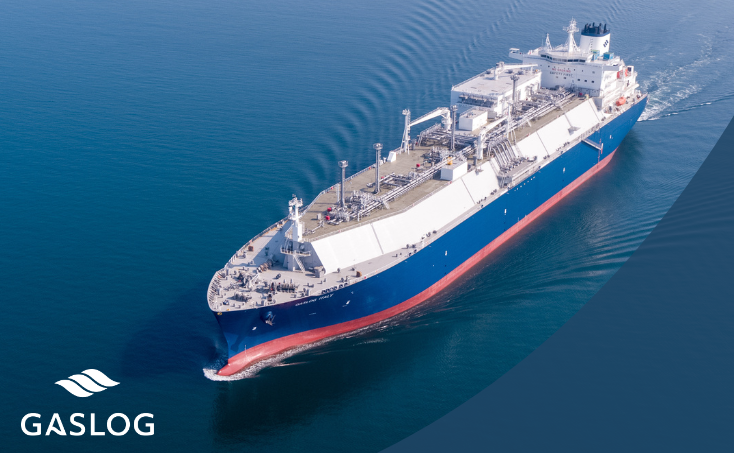
GasLog confirmed that its LNG carrier GasLog Shanghai was involved in an incident on July 31 while departing the Strait of Hormuz. “Everyone onboard is safe and accounted for and the vessel is stable,” the company said in a statement. Source: https://www.gaslogltd.com/
Obtaining outside data.
Checking internet sources, using keywords: Strait of Hormuz LNG traffic
News from various sources:
The extracted web content focuses on the ongoing geopolitical tensions and their impact on LNG traffic through the Strait of Hormuz, a critical global shipping route for oil and LNG. Below is a summarized overview of the key points:
- Iranian Toll Imposition: Several major shipping groups have appealed to the UN to block Iran’s imposition of tolls on vessels passing through the Strait of Hormuz. This move underscores concerns about potential disruptions to this key shipping route, crucial for oil and LNG traffic.
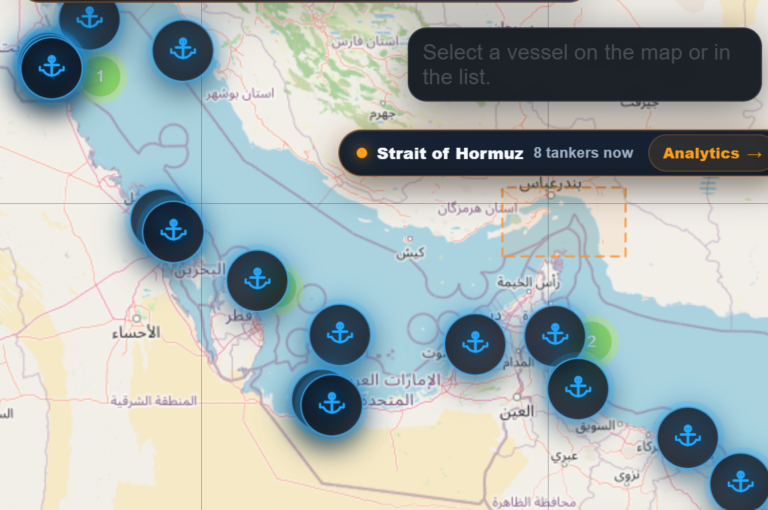
- Shipping Traffic Resumption: After a period of reduced activity due to regional security concerns, LNG tanker traffic in the Strait of Hormuz surged, reaching its highest level in two weeks as of late July 2026. This indicates a tentative recovery in maritime traffic despite ongoing tensions.
- Military Escalations and Economic Strategies: The instability in the Strait is tied to broader military tensions between the United States and Iran, particularly after Iran targeted U.S. interests and allies. A U.S. blockade aims to pressure Iran economically, with the strategic goal of reopening the strait and ensuring the safety of global oil and gas exports.
- Potential Impact and Future Scenarios: The situation has led to discussions about different strategic possibilities:
- “No War, No Peace” Scenario: Persistent tensions, with intermittent disruptions affecting the Gulf economies.
- Return to Full-Scale War: A risky escalation to decisively impact Iran’s military capabilities.
- Comprehensive Peace Agreement: Currently the least likely scenario, involving negotiations easing sanctions on Iran.
- Market Implications: The unpredictable conditions at the Strait have caused fluctuations in global energy markets, with LNG prices in Asia surging due to disruptions. Observers point out that Qatar, a major LNG exporter, could face significant setbacks if consistent transit through Hormuz cannot be maintained.
- Diplomatic Developments: Iran and Oman were reportedly close to an agreement on managing shipping through the strait, allowing control over vessels entering and exiting the Persian Gulf. However, the U.S. rejects any arrangement requiring vessels to pay passage fees to Iran.
- Outcomes for Exporters: Economies reliant on the Strait for LNG exports, such as Qatar, are exploring alternative strategies to sustain their market presence amid prolonged disruptions.
The Strait of Hormuz remains a strategic point amid the ongoing U.S.-Iran conflict, playing a pivotal role in global energy supply chains. The fluctuating security dynamics and political maneuvers around the strait continue to shape the landscape for international trade routes.
Overall, these facts collectively paint a picture of a volatile strategic point with various factors influencing whether LNG traffic through the Strait of Hormuz will become unimpeded by 2026.
Fact-checked summary:
The geopolitical situation in the Strait of Hormuz remains complex, with several factors influencing LNG traffic. Historically, tensions between the United States and Iran have caused instability in the region, which is critical to understanding the area’s current dynamics. Such instability is further compounded by concerns about market implications, including fluctuations in global energy prices, particularly in Asia, due to unpredictable conditions at the Strait. Economies dependent on the Strait, such as Qatar, are logically exploring alternative strategies to mitigate potential disruptions in LNG exports. Additionally, diplomatic movements have been observed, with reports that Iran and Oman may be nearing an agreement on shipping management, although the U.S. maintains its rejection of Iranian tolls. These developments underscore that while there might be efforts to facilitate unimpeded traffic, achieving this goal by 2026 is uncertain due to ongoing regional tensions and strategic calculations.
Querying Claude (AI predicts: 0.32 – confidence: 3)
Querying OpenAI (AI predicts: 0.45 – confidence: 5)
Guide to Jeremy Lichtman’s Multi-AI Oracle Reports
Question Type: Binary
Median from LLMs: 0.39
Base rate: 0.45 (from OpenAI)
SD: 0.07
MAPD: 0
Confidence: 4
Conf Mode: Low
Mellers: 0.34
Reverse Mellers: 0.42
Theory of Mind: 0.44 (What did the LLMs think other LLMs predicted?)
Beta Distribution: 0.85
Close Type: B (B = cautious # closer to 50%; A/C = closer to extremes)
LLM responses: 2
Model value: 0.39 (39%)
The collective analyses emphasize the volatile geopolitical climate, largely shaped by US-Iran tensions, as a major factor affecting LNG traffic in the Strait of Hormuz by the end of 2026. A historical context reveals that while the Strait remains predominantly open, incidents of harassment have deterred truly unimpeded passage. Qatar and other regional economies depend significantly on the Strait’s accessibility for LNG exports. Current diplomatic engagements, such as the potential Iran-Oman agreement, spark cautious optimism, but US objections to Iranian toll propositions signify ongoing friction. The fluctuating risk, exacerbated by fragile nuclear deal negotiations and regional conflicts, casts uncertainty on completely wave-free shipping traffic ahead. While the chance of enduring diplomatic breakthroughs or rapid agreement implementations to ease tensions exists, the resultant probability of achieving ‘de facto unimpeded’ conditions by 2026 remains moderate at best, with some assessments estimating it at only around 32%.
Runtime: 132 seconds.
About The Author