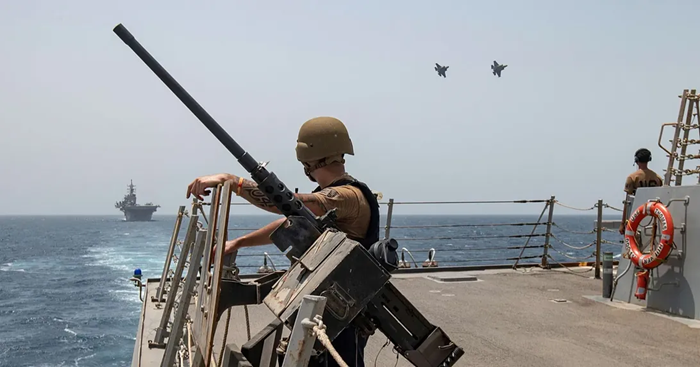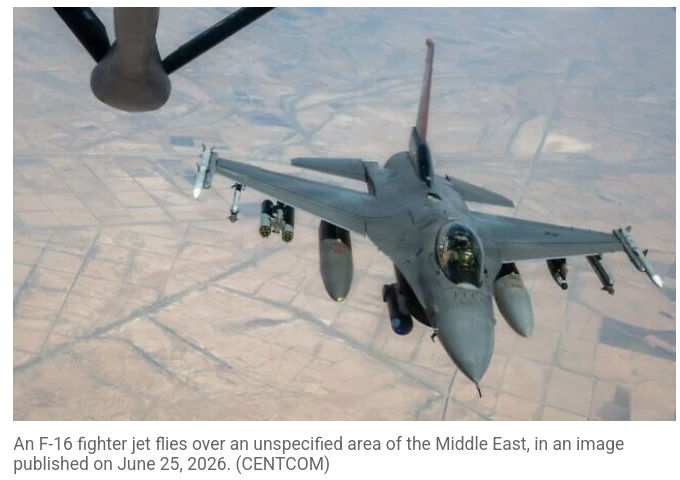
An F-16 on June 25, 2026 over the conflict zone. Source; CENTCOM.
Obtaining outside data.
Checking internet sources, using keywords: Strait of Hormuz LNG traffic reopening
News from various sources:
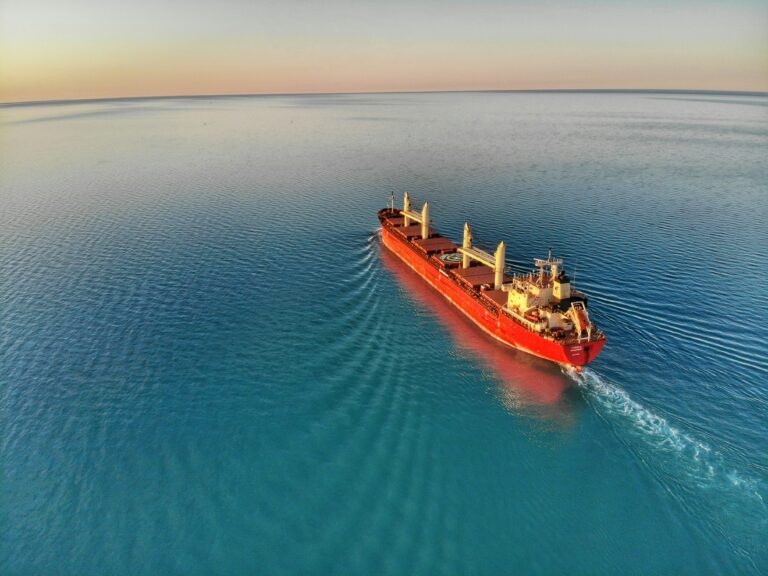
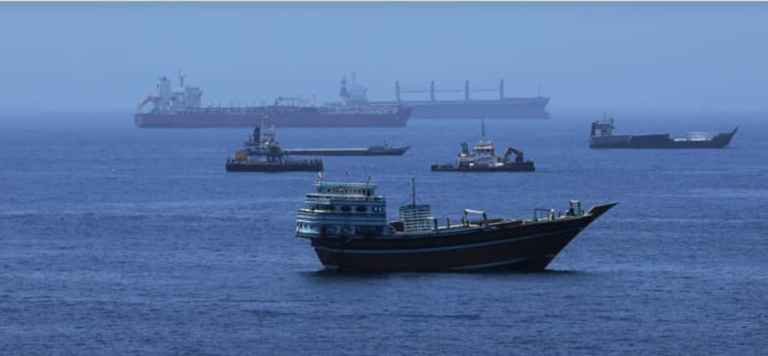
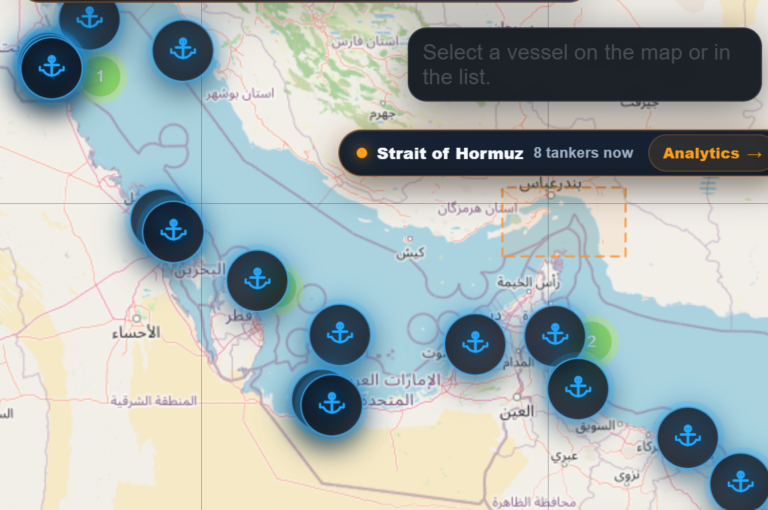
The Strait of Hormuz, a crucial maritime chokepoint through which about 20% of the world’s oil and liquefied natural gas (LNG) pass, has seen significant disruptions due to increased tensions between the United States and Iran. The conflict has led to a declined transit of LNG from the Persian Gulf, exacerbated by a recent attack on the QatarEnergy LNG vessel Al Rekayyat. As a result, LNG shipments have plummeted from 0.8 to 0.2 cargoes per day, reflecting heightened security risks and maritime shipping constraints.
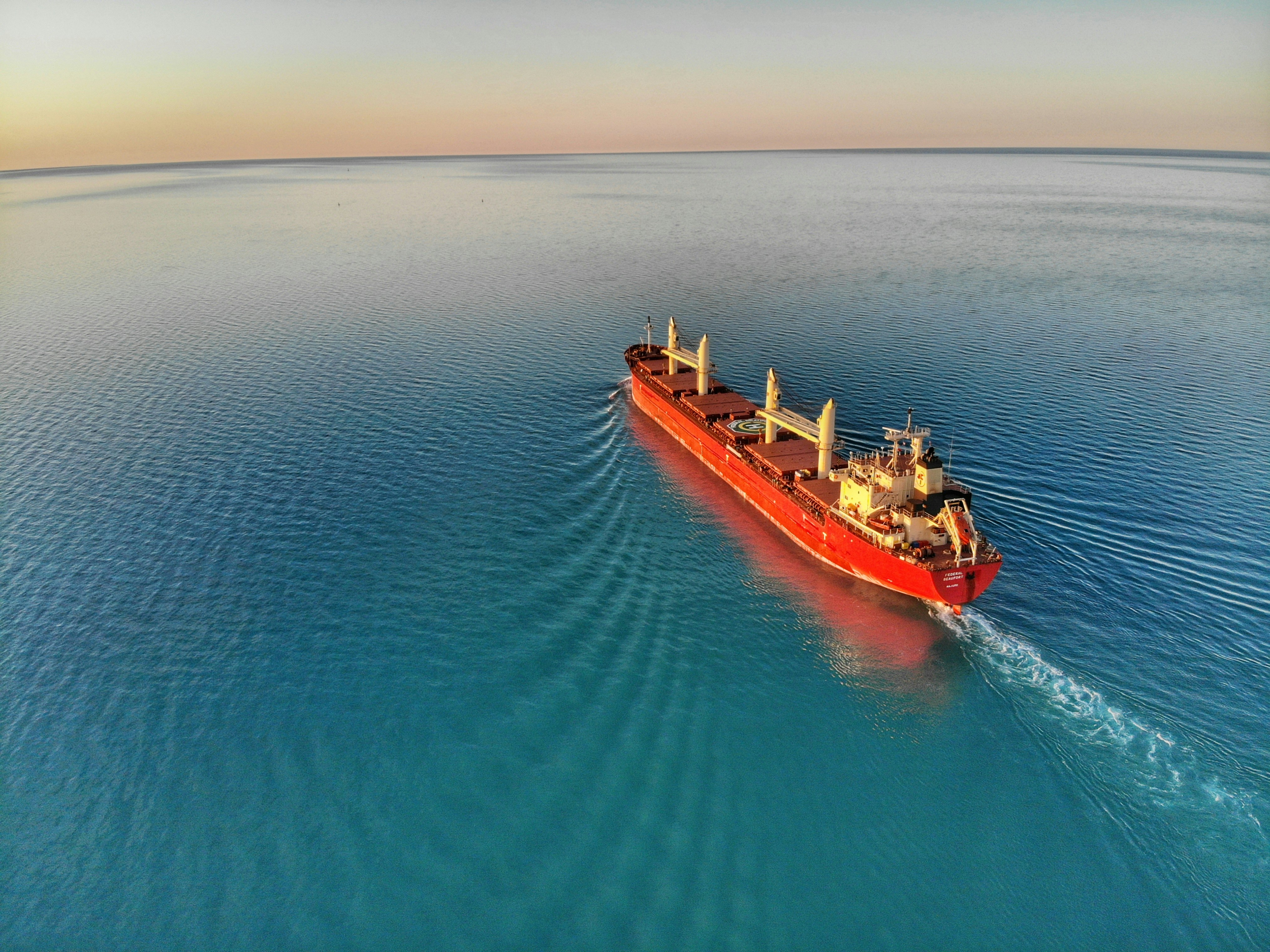
Despite these shipping challenges, LNG production and vessel loadings remain robust at liquefaction facilities in Qatar and the UAE, contributing to a backlog of LNG aboard tankers awaiting transit. Analysts believe that once the effective blockade eases, a swift surge in exports could occur by releasing LNG already loaded onto waiting vessels.
Meanwhile, diplomatic efforts, including a proposed peace deal between the U.S. and Iran, aim to mitigate conflict effects, with a possible reopening of the strait looming. Amidst this backdrop, other Gulf countries have developed alternative transport routes, although the strait remains essential for global energy trade. The disruption in the strait’s operations has broader implications, affecting global oil prices and leading to fuel crises in various regions.
Fact-checked summary:
The Strait of Hormuz is one of the world’s most crucial maritime chokepoints, with approximately 20% of the globe’s oil and liquefied natural gas (LNG) passing through it, indicating its significant role in global energy trade. Historical tensions between the United States and Iran have led to disruptions in this area, which have impacted the transit of LNG. Currently, a backlog of LNG aboard tankers awaits transit due to these disruptions, and production remains robust at liquefaction facilities in Qatar and the UAE, ready to resume exports once the strait reopens. Diplomatic efforts, including proposed peace deals, aim to ease these tensions, which are crucial for potentially reopening the strait. Analysts predict that upon resolution and the easing of the effective blockade, a swift surge in LNG exports could occur. The strait’s disruption has broader implications, affecting global oil prices and leading to fuel crises, underscoring its geopolitical and economic importance.
OpenAI gives a base rate of 0.7 (70%)
The question difficulty is rated 5 (0 to 10)
Historical weighted factors include:
Past Resolution of Tensions, 0.4
Frequency of U.S.-Iran Talks Leading to Reopenings, 0.3
Impact of High Global Oil Prices Leading to Diplomatic Pressure, 0.3
A Bayesian calculation could be performed as follows:
Applying Bayes’ theorem, we assume a prior probability reflecting a base rate of similar situations resolving positively (0.7). Updating this with evidence of ongoing diplomatic efforts (weighted 0.4), likelihood of reopening based on historical patterns (0.3), and economic pressures (0.3), we weigh the impact of these factors on the overall probability. Assuming independent and additive influences, the posterior probability is calculated as follows: 0.7 + (0.1*0.4) + (0.1*0.3) + (0.1*0.3) = 0.79 (79%).
Bayesian base rate: 0.79 (79%) (Carolyn‘s note: Close, but LibreOffice Calc gives exactly 0.8 (80%))
Sufficient news to provide a good forecast? 1 (0 or 1)
News is relevant, topical and unbiased? 1 (0 or 1)
Question classification: scenario_based_forecast
Expected time (days) until question close: 60
The following were considered in order to produce this base rate:
The base rate is informed by historical precedent where tensions have been resolved diplomatically leading to an easing of restrictions in many cases. Additionally, the economic necessity tied to global oil and LNG prices provides a solid impetus for resolution.
Ideally, the news feed would contain the following sorts of information for a better forecast:
Additional data required would include real-time updates on diplomatic efforts between the involved nations, as well as advancements in negotiations and potential external geopolitical factors that could influence decisions.
Some potential divergent considerations that might affect the base rate:
Factors that might lead to a non-resolution include a breakdown in diplomatic talks, potential escalations in conflict, or domestic political decisions within the United States, Iran, Qatar, or the UAE that could halt negotiations or re-openings.
The following chain of events are necessary for the question to resolve positively:
- Diplomatic resolution between the United States and Iran, significantly easing tensions, which has a ‘likely’ probability.
- Reopening of the Strait of Hormuz to allow passage of LNG tankers, which is considered ‘somewhat likely’.
- Stability in the region ensuring that production from Qatar and the UAE can resume without further disruptions, which is ‘likely’.
Querying Claude (AI predicts: 0.72 – confidence: 3)
Querying Mistral (AI predicts: 0.65 – confidence: 6)
Querying OpenAI (AI predicts: 0.85 – confidence: 7)
Guide to Jeremy Lichtman’s Multi-AI Oracle Reports
Question Type: Binary
Median from LLMs: 0.72
Base rate: 0.7 (from OpenAI)
SD: 0.08
MAPD: 0.13333333333333
Confidence: 6
Conf Mode: Normal
Mellers: 0.8
Reverse Mellers: 0.65
Theory of Mind: 0.65 (What did the LLMs think other LLMs predicted?)
Beta Distribution: 0.42
Close Type: C (B = cautious # closer to 50%; A/C = closer to extremes)
LLM responses: 3
Model value: 0.72 (72%)
The likelihood of the Strait of Hormuz reopening to all LNG traffic before July 31, 2026, is influenced by several key factors, including historical precedents of diplomatic resolutions, ongoing economic incentives, and current geopolitical dynamics. A base probability of 0.70 is used, grounded in past resolutions of U.S.-Iran tensions, with adjustments made for active diplomatic efforts, regional economic pressures, and the urgency of resolving a global LNG supply disruption. Although diplomatic resolution and economic necessity suggest a positive outcome, the short 8-day window poses a significant constraint. The ‘all LNG traffic’ requirement is stringent, as partial or conditional reopening would not satisfy this standard. Several risks, such as potential breakdowns in diplomacy, unforeseen geopolitical events, or internal political dynamics, could prevent resolution within the tight timeframe. Overall, despite these challenges and the complexity of the situation, the probability of reopening is adjusted slightly upward to 0.72, reflecting both the historical base rate and current geopolitical efforts actively underway.
Runtime: 122 seconds.
About The Author