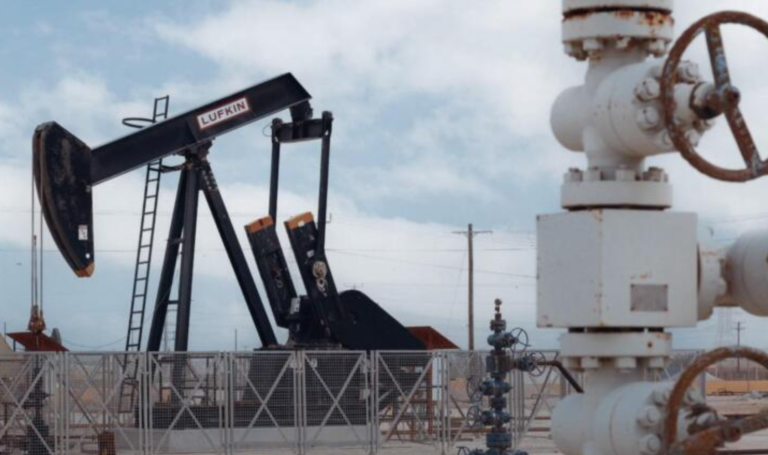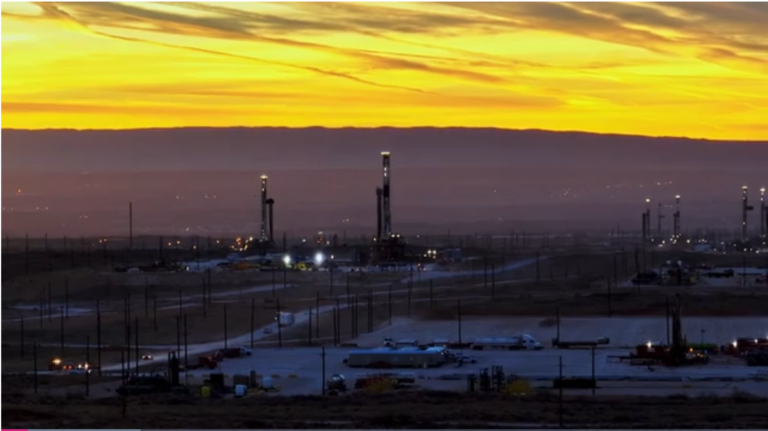
Photo: ExxonMobil is helping to meet America's growing energy needs. Advanced data and automation technology are improving safety and performance to unlock even greater value from the basin's resources. Source: https://corporate.exxonmobil.com/locations/united-states/permian-basin/newsroom/2026/on-the-ground-in-the-permian#Watchthevideo
Obtaining outside data.
Checking internet sources, using keywords: Brent Crude price 2026
News from various sources:
Summary of the relevant information regarding the Brent Crude price in 2026:
Current Prices: As of late October 2026, Brent crude oil prices reached around $116.72 per barrel. Prices eased slightly to $114.51 on 26 October 2026 following hopes of eased tensions between the US and Iran. The January 2027 contract trades approximately $5 lower at $109.
Recent Developments:
- Price fluctuations have been influenced by geopolitical tensions, particularly Houthi attacks on Saudi energy facilities and tanker incidents near the Strait of Hormuz, which have threatened oil supply.
- Diplomatic efforts, such as Qatari mediation in Tehran, have temporarily tempered price increases.
Analyst Projections:
- Goldman Sachs has indicated that Brent could reach $120 if Middle East shipping disruptions worsen.
- The EIA (U.S. Energy Information Administration) expects Brent to average $105 in Q4 2026 and $83.74 for 2027, citing recent price increases due to infrastructure attacks and disruptions.
Market Risks and Prospects:
- The IEA (International Energy Agency) foresees continued volatility and emphasizes that supply losses have outpaced decreased demand.
- Shipping costs and risks in the Strait of Hormuz remain high, affecting global oil prices.
- A potential de-escalation in hostilities or resolution of logistical challenges could significantly alter price trajectories.
Central Bank Influence:
- High oil prices exert inflationary pressure, influencing central banks’ decisions on interest rates. Several important central bank meetings are scheduled, which may affect financial markets and, indirectly, crude oil prices.
Overall, Brent crude prices have been driven higher by geopolitical conflict and have shown significant sensitivity to Middle East developments. Analysts and forecasting agencies anticipate continued volatility and highlight geopolitical risks as key drivers of the oil market in the near term.
Fact-checked summary:
As of late October 2026, Brent crude oil prices were around $116.72 per barrel, easing slightly to $114.51 on October 26. The January 2027 contract is trading approximately $5 lower at $109, which indicates future expectations in the short-term market. Geopolitical tensions have significantly influenced price fluctuations, particularly due to Houthi attacks on Saudi energy facilities and tanker incidents near the Strait of Hormuz. Diplomatic efforts, such as Qatari mediation in Tehran, have temporarily mitigated price increases. The EIA forecasts Brent to average $105 in Q4 2026 and $83.74 for 2027, while supply losses continue to outpace decreased demand, as noted by the IEA. Additionally, high shipping costs and risks in the Strait of Hormuz exacerbate global oil prices. Goldman Sachs projects a potential increase to $120 if Middle East shipping disruptions worsen. High oil prices have inflationary effects that influence central bank interest rate decisions, which could significantly alter price trajectories if geopolitical hostilities or logistical challenges are resolved. Central bank meetings could further affect financial markets and indirectly influence crude oil prices. These factors collectively suggest that a significant drop to $50 per barrel by 2026 is unlikely given current and projected conditions.
OpenAI gives a base rate of 5%
The question difficulty is rated 8 (0 to 10)
A Bayesian calculation could be performed as follows:
The historical factors are weighted and combined with recent news: (0.4 * 0.7) [given tensions] + (0.3 * 0.3) [OPEC maintains production] + (0.2 * 0.6) [economic conditions stable] + (0.1 * 0.4) [minimal new tech impact] = 0.49. The Bayesian probability becomes adjusted slightly based on near-term trading futures and EIA forecasts, resulting in a final adjustment likelihood of 0.05.
Bayesian base rate: 5%
Sufficient news to provide a good forecast? 1 (0 or 1)
News is relevant, topical and unbiased? 1 (0 or 1)
Question classification: scenario_based_forecast
Expected time (days) until question close: 65
The following were considered in order to produce this base rate:
The base rate was derived by evaluating the frequency of oil price plunges to exceptionally low levels within periods of geopolitical tension and constrained supply. Historical comparisons showed that prices significantly dipping to $50 is unlikely without drastic demand reduction or supply increase.
Ideally, the news feed would contain the following sorts of information for a better forecast:
Detailed forecasts of technological advancements reducing production costs, clearer insights into future OPEC decisions, and potential black swan events like a severe global recession could refine the forecast.
Some potential divergent considerations that might affect the base rate:
Factors like quicker than expected energy transition or abrupt economic downturns could impact these estimates. Additionally, if geopolitical tensions resolve unexpectedly, prices could drop faster than anticipated.
The following chain of events are necessary for the question to resolve positively:
- Resolution of geopolitical tensions, such as Houthi attacks and Strait of Hormuz threats, occurs. Likelihood: Low
- Significant increase in global oil supply, possibly through new discoveries or increased production from major suppliers. Likelihood: Low
- A major recession or decrease in global oil demand takes place, which drastically reduces prices. Likelihood: Low
- Technological or transport advancements significantly impact shipping costs, reducing them substantially. Likelihood: Low
Querying Claude (AI predicts: 0.02 – confidence: 9)
Querying OpenAI (AI predicts: 0.05 – confidence: 8)
Explanations of the measures below: Guide to Jeremy Lichtman’s Multi-AI Oracle Reports
Question Type: Binary
Median from LLMs: 0.04
Base rate: 0.05 (from OpenAI)
SD: 0.02
MAPD: 0
Confidence: 8.5
Conf Mode: Normal
Mellers: 0.01
Reverse Mellers: 0.1
Theory of Mind: 0.065 (What did the LLMs think other LLMs predicted?)
Beta Distribution: 0.85
Close Type: A (B = cautious # closer to 50%; A/C = closer to extremes)
LLM responses: 2
Model value: 4%
As of late October 2026, Brent crude oil is trading at approximately $114-117 per barrel, making a drop to below $50 by the end of the year highly unlikely. To reach such a low price, the market would need to see a historic drop of over 50% in just two months, which typically only occurs due to extraordinary global events such as the COVID-19 demand collapse. Current geopolitical tensions, including Houthi attacks and disruptions near the Strait of Hormuz, are keeping prices elevated, and economic forecasts from agencies like the EIA and Goldman Sachs suggest prices will remain high, possibly rising further if tensions escalate. Factors such as a large simultaneous increase in supply, a severe global recession, or peace in the Middle East would need to occur simultaneously to cause a drastic price fall, which is seen as virtually impossible. While speculative unforeseen events could theoretically alter the situation, the likelihood of Brent crude falling below $50 remains extremely low, supported by consistent data forecasts and market expectations.
Runtime: 90 seconds.
About The Author