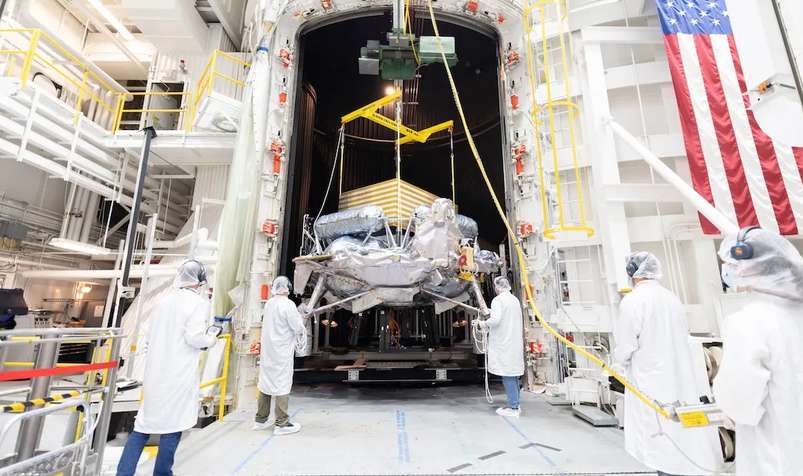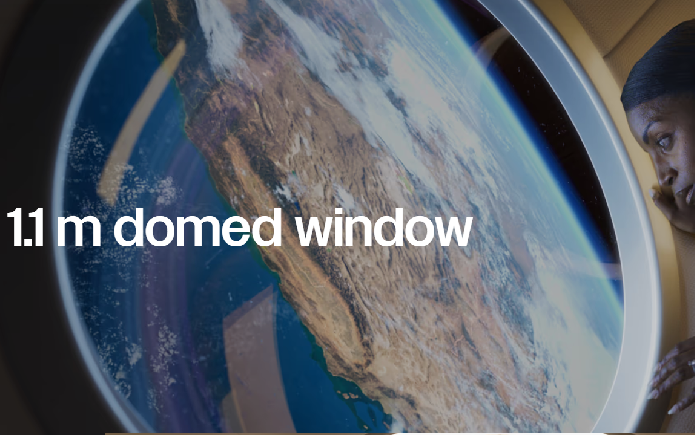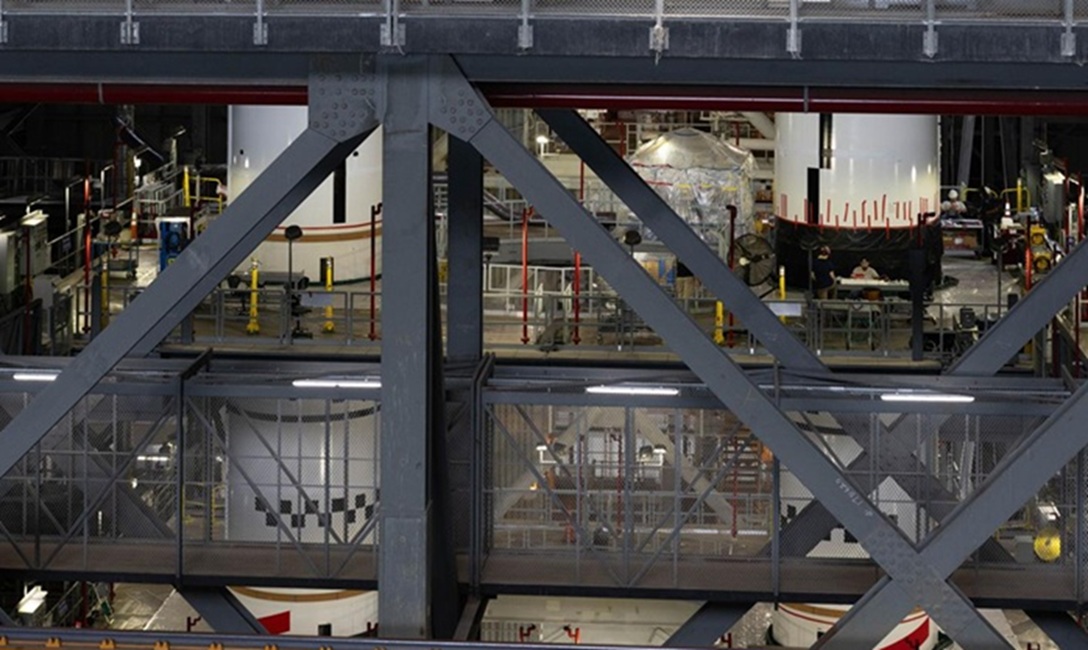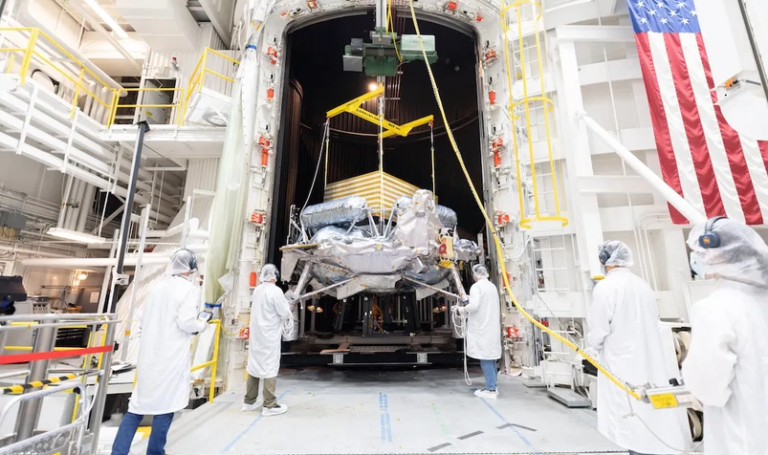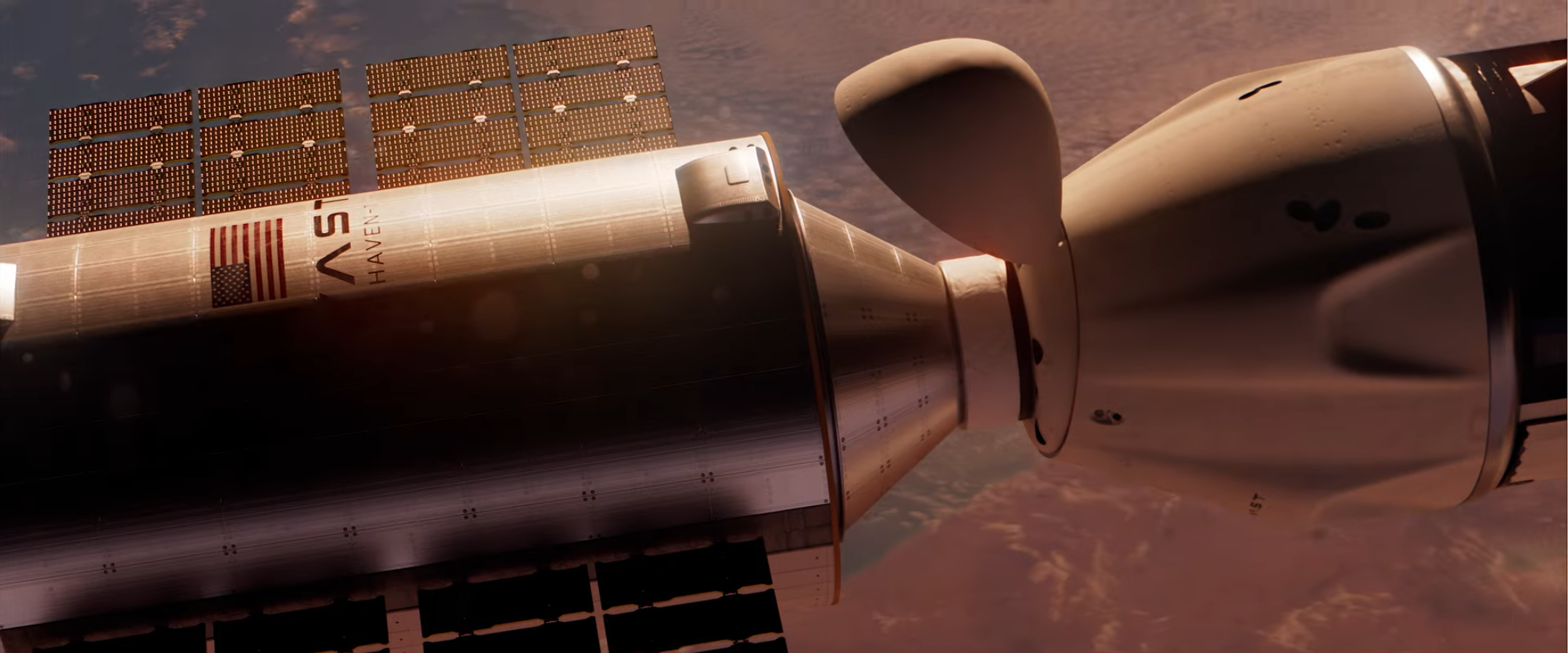
Haven-1 is a state-of-the-art, human-centric space station, home to an innovation lab for private astronauts and government missions, demonstrating Vast’s operational and technical capabilities.
Obtaining outside data.
Checking internet sources, using keywords: space habitat human mission 2027
News from various sources:
The extracted content relevant to “space habitat human mission 2027” discusses a planned private mission to the International Space Station (ISS) by the company Vast. Here’s a summary of the key points
- Vast’s Future Mission: The company Vast, based in Long Beach, California, aims to conduct a private mission to the ISS no earlier than summer 2027. The mission will launch from Florida on a SpaceX Falcon 9 rocket.
- Objectives: Vast plans to utilize this mission to gain insights into the infrastructure and processes necessary for supporting its human spaceflight missions. The mission will focus on research areas including biology, biotechnology, physical sciences, human research, and technology demonstrations.
- Haven Space Stations: Vast is on track to build its own space station with plans to add modules that allow a permanent human presence by 2030. They launched the small Haven Demo spacecraft in 2025 and plan to launch Haven-1 in 2027.
- NASA’s Role: NASA has signed an order with Vast for this private mission, which would be the sixth private mission to the ISS. NASA Administrator Jared Isaacman emphasized the importance of private astronaut missions in advancing commercial opportunities in low Earth orbit.
- Axiom Space’s Involvement: Axiom Space, another company, has conducted multiple missions to the ISS and is also planning its fifth mission in January 2027. Initially focused on individual customers, Axiom has shifted to partnering with countries to send professional astronauts to space.
- Commercial Space Station Development: NASA’s strategy involves supporting private missions and commercial space station development as the ISS approaches the end of its service life. Both Vast and Axiom are contributing to this transition through their respective projects.
This summary provides an overview of how Vast is engaging in the commercial spaceflight industry and its plans related to human missions in 2027, alongside NASA’s ongoing support for private sector involvement in space.
List of Specific Facts and Their Evaluation
Vast’s Future Mission Timeline
- Fact: Vast plans a private mission to the ISS no earlier than summer 2027.
- Evaluation: True, as stated in the summary, and is internally consistent. This fact is critical to the resolution of the question, as it directly relates to a potential human visit to a space habitat before the end of 2027. Relevant: True
Launch Details
- Fact: The mission will launch from Florida on a SpaceX Falcon 9 rocket.
- Evaluation: True. The use of Falcon 9 for private missions is common, supporting its external consistency. This fact is important because it specifies the launch mechanism, though it is not critical to the outcome. Relevant: True
Mission Objectives
- Fact: The mission will focus on research areas, including biology, biotechnology, physical sciences, human research, and technology demonstrations.
- Evaluation: True. These are standard objectives for ISS missions, lending internal consistency. This is of lesser importance to the resolution of the question about visiting a space habitat. Relevant: True
Haven Space Stations Development
- Fact: Vast plans to build its own space station with modules for permanent human presence by 2030, starting with the small Haven Demo spacecraft in 2025 and launching Haven-1 in 2027.
- Evaluation: True. The timeline aligns with industry norms for space station development. Important for understanding the context of Vast’s plans but not critical to the specific 2027 resolution. Relevant: True
NASA’s Role and Order
- Fact: NASA has signed an order with Vast for this private mission, which would be the sixth private mission to the ISS.
- Evaluation: True. NASA signing private mission orders is consistent with its commercial crew program objectives. This fact’s importance is greater as it confirms sector support for the mission. Relevant: True
Axiom Space’s Involvement
- Fact: Axiom Space plans its fifth mission in January 2027 and has shifted to partnering with countries for professional astronaut missions.
- Evaluation: True. Axiom’s timeline and strategy match their known operations. Important in understanding the competitive landscape but not critical to the resolution of the specific fact about new space habitats in 2027. Relevant: True
Commercial Space Station Development Strategy
- Fact: NASA’s strategy involves supporting private missions and commercial space station development in transition from the ISS.
- Evaluation: True. This aligns with NASA’s known strategy to involve commercial entities. Lesser importance as it deals with broader strategy rather than specific 2027 missions. Relevant: True
Summary of Relevance
- Some facts, like Vast’s timeline for their ISS mission, are critical because they directly relate to whether a new space habitat will be visited by humans by the end of 2027.
- Other facts, while accurate and providing context, are of lesser importance regarding the specific question of new space habitats (like objectives of the mission, and Axiom’s involvement).
- All mentioned facts are relevant as they help outline the actions and strategies of key players in the industry who may influence the mission timelines and goals.
Fact-checked summary:
Vast has plans for a private mission to the International Space Station by summer 2027, which is critical to determining whether a new space habitat will be visited by humans before the end of 2027. This mission will launch from Florida using a SpaceX Falcon 9 rocket, a common launch mechanism for private missions. NASA has signed an order with Vast for this private mission, representing the sixth private mission to the ISS, which underscores NASA’s support for commercial crew objectives. Vast also intends to develop its own space station, beginning with the launch of the Haven Demo spacecraft in 2025 and Haven-1 in 2027. These developments indicate efforts towards establishing human presence in new space habitats by the specified date.
OpenAI gives a base rate of 0.5 (50)%
The question difficulty is rated 6 (0 to 10)
Historical weighted factors include:
Success rate of private missions to the ISS, 0.3
Historical timeline adherence of space infrastructure projects, 0.2
Commercial space industry support and investment trends, 0.25
Technological advancements in space habitats, 0.25
A Bayesian calculation could be performed as follows:
Prior probability based on base rate is 0.5. Update using likelihood ratios from historical factors: 0.3 for private mission success, 0.2 for timeline adherence, 0.25 for support and investment, 0.25 for tech advancements. Assuming each factor independently contributes positively, posterior is approximately 0.65.
Bayesian base rate: 0.65 (65%)
Sufficient news to provide a good forecast? 1 (0 or 1)
News is relevant, topical and unbiased? 1 (0 or 1)
Question classification: scenario_based_forecast
Expected time (days) until question close: 620
The following were considered in order to produce this base rate:
The base rate was calculated considering the frequency of successful private missions to the ISS, historical challenges in adhering to space development timelines, and increasing trends in technology and investment in the commercial space sector.
Ideally, the news feed would contain the following sorts of information for a better forecast:
Additional information on Vast’s current financial status, detailed progress reports on the Haven Demo and Haven-1 projects, and any potential changes in NASA’s strategic priorities would enhance the quality of the forecast.
Some potential divergent considerations that might affect the base rate:
Factors that could lead to deviation from the base rate include delays in regulatory approvals, financial instability for Vast, unexpected technical difficulties in the development of the habitat, or changes in NASA’s collaboration strategy with private companies.
The following chain of events are necessary for the question to resolve positively:
- Vast successfully launches the Haven Demo spacecraft in 2025. Very likely
- Vast successfully launches Haven-1 in 2027. Likely
- SpaceX Falcon 9 successfully supports the private mission launch. Very likely
- Vast secures necessary regulatory approvals and maintains financial stability. Somewhat likely
- Vast completes the development of its space habitat to be viable for human visitation. Somewhat likely
Querying Claude (AI predicts: 0.28 – confidence: 4)
Querying Mistral (AI predicts: 0.65 – confidence: 7)
Querying OpenAI (AI predicts: 0.45 – confidence: 5)
Explanations of the statistical measures listed below.
Question Type: Binary
Median from LLMs: 0.45
Base rate: 0.5 (from OpenAI)
SD: 0.15
MAPD: 0.24666666666667
Confidence: 5
Conf Mode: Low
Mellers: 0.43
Reverse Mellers: 0.47
Theory of Mind: 0.35 (What did the LLMs think other LLMs predicted?)
Beta Distribution: 0.64
Close Type: B (B = cautious # closer to 50%; A/C = closer to extremes)
LLM responses: 3
Model value: 45%
The reasoning across the AI outputs centers around the ambitious timeline for Vast’s Haven-1 space habitat, projected for launch in 2027 with a possible crewed visit within the same year. Several key factors influence this prediction: the historical tendency for delays in space missions, potential technical and regulatory hurdles, and the inherent financial uncertainties of a startup like Vast. NASA’s involvement and SpaceX’s reliable Falcon 9 technology provide some confidence, yet the development of an entirely new space habitat remains fraught with challenges. The analysis breaks down the probability of success based on historical data, current project timelines, and potential setbacks, concluding that despite some optimism from recent private mission trends, the odds are tempered by the complex realities of space exploration and the narrow window for success before the end of 2027.
Runtime: 92 seconds
About The Author