Obtaining outside data.
Checking internet sources, using keywords: Artemis III orbital demonstration 2027
News from various sources:
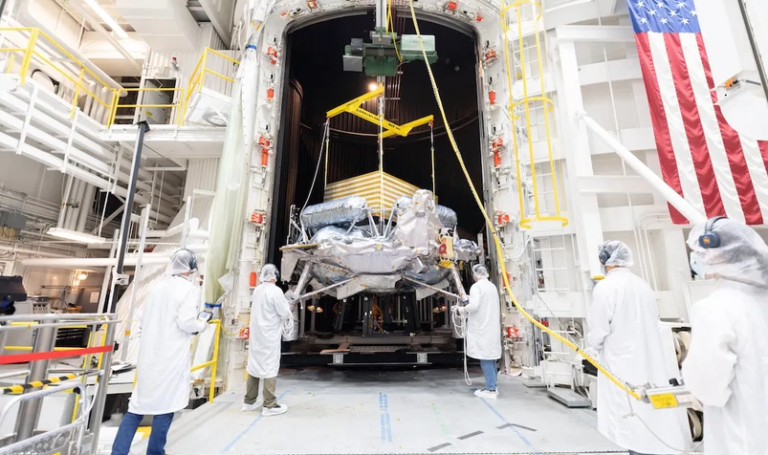
NASA has postponed the Artemis III mission to a late 2027 launch date due to delays in the development of lunar landers by SpaceX and Blue Origin. Originally intended to land a crew on the Moon, Artemis III will now serve as an uncrewed orbital test mission aimed at demonstrating the rendezvous and docking capabilities of the Orion spacecraft with the landers in low Earth orbit.
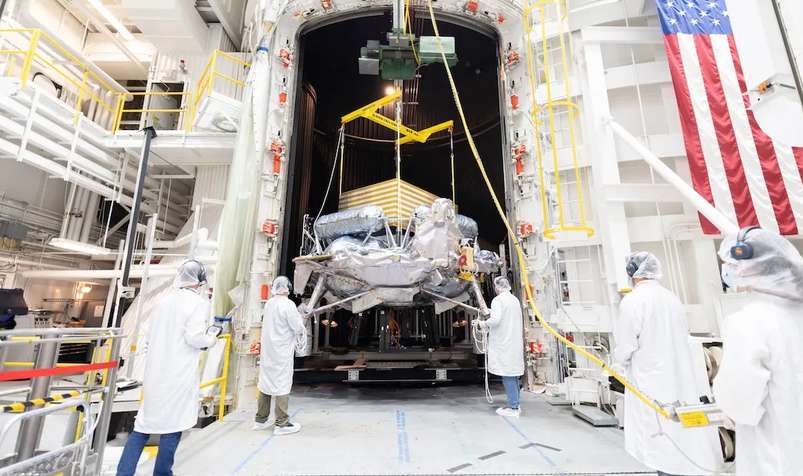
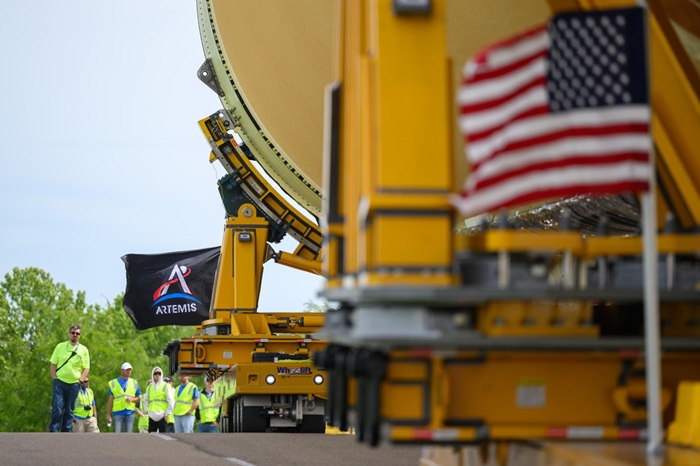
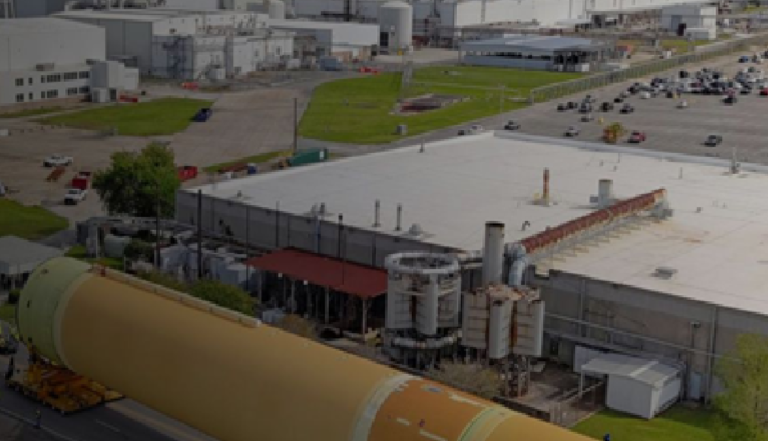
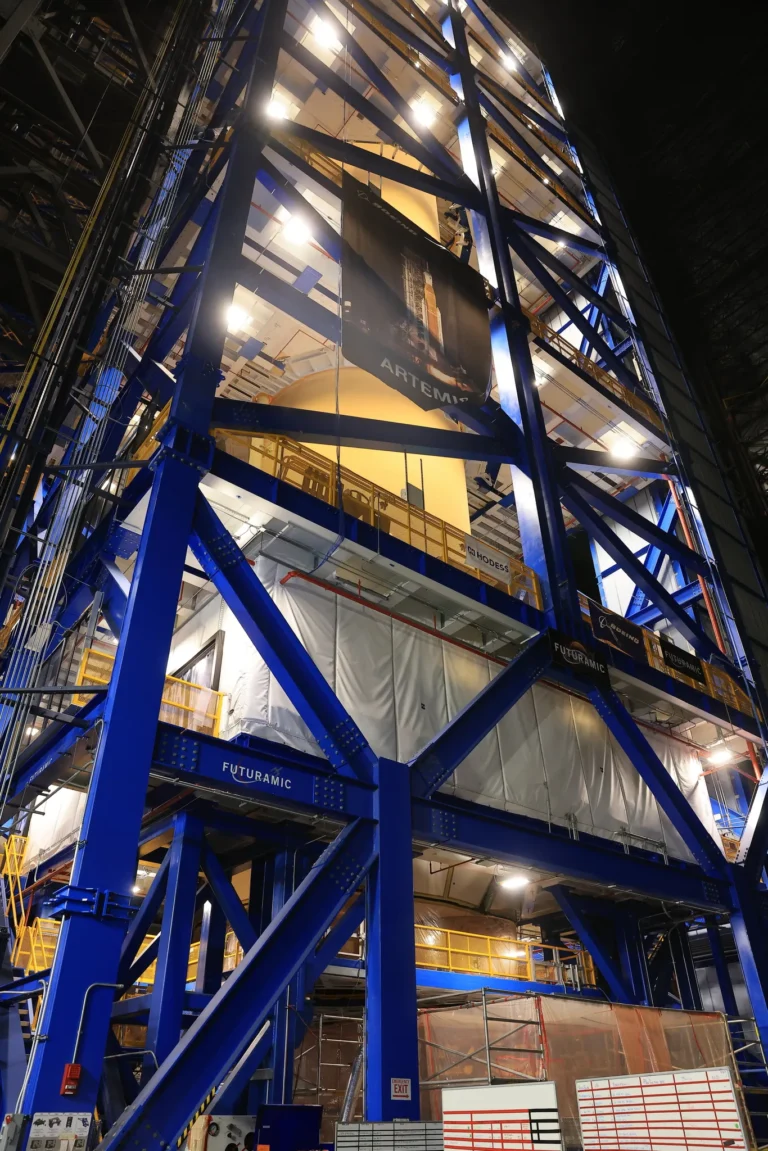
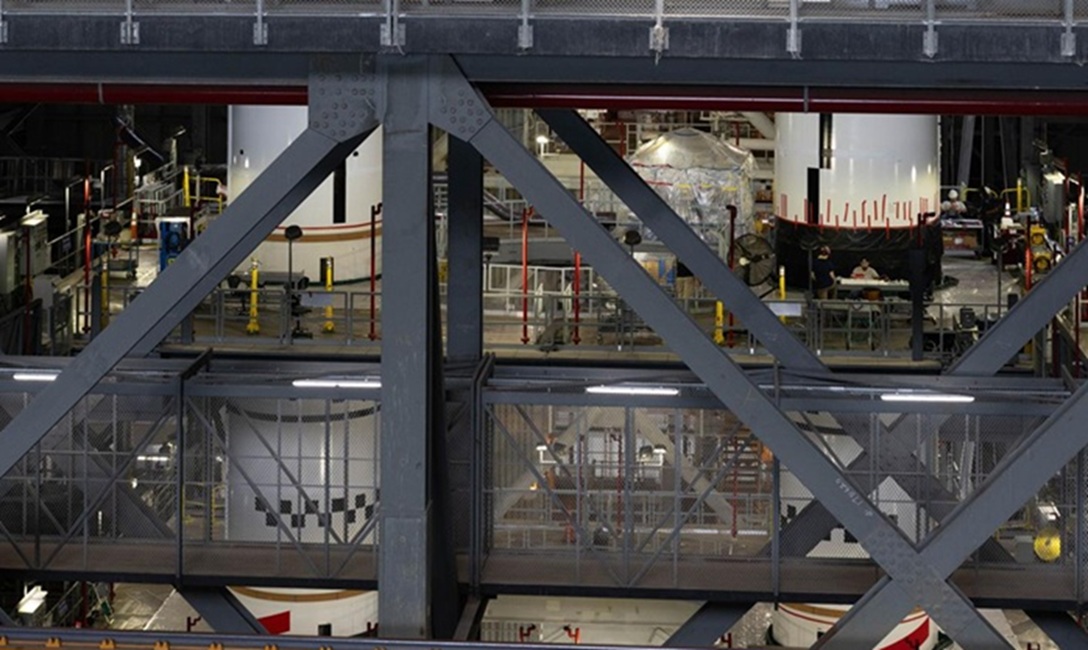
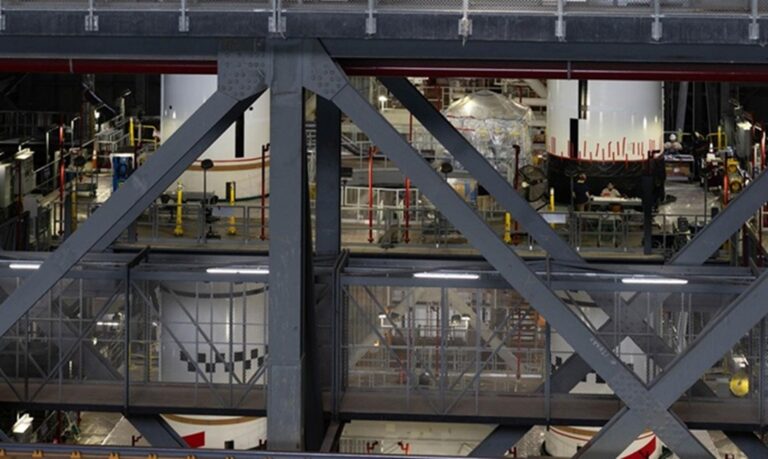
The Space Launch System (SLS) rocket’s core stage, essential for this mission, has been transported to the Kennedy Space Center. The core stage is being assembled in the Vehicle Assembly Building to prepare for the Artemis III launch. The mission intends to test lunar landing systems developed by SpaceX and Blue Origin, which will play a crucial role in the eventual landing of humans on the Moon during Artemis IV, scheduled for 2028.
NASA Administrator Jared Isaacman highlighted at a U.S. House of Representatives hearing the importance of this orbital demonstration, emphasizing ongoing collaborations with SpaceX and Blue Origin. Both companies have faced development challenges but are reallocating resources to focus on the Artemis program. The Artemis III mission represents a pivotal step towards increasing the frequency of NASA’s lunar exploration launches, eventually targeting annual missions.
Fact-checked summary:
The Artemis III mission, postponed to a late 2027 launch, is now planned as an uncrewed orbital test mission rather than a crewed Moon landing. This mission aims to demonstrate critical rendezvous and docking capabilities with the Orion spacecraft and lunar landers in low Earth orbit. The Space Launch System (SLS) rocket’s core stage is essential and is currently being assembled at the Kennedy Space Center. The mission will also test lunar landing systems developed by SpaceX and Blue Origin, which are crucial for the subsequent Artemis IV mission in 2028. Collaborating closely with NASA, SpaceX and Blue Origin are reallocating resources to address development challenges and focus on the Artemis program. Artemis III represents a pivotal step for NASA towards more frequent lunar exploration missions, with a long-term goal of achieving annual lunar missions.
OpenAI gives a base rate of 0.65 (65%)
The question difficulty is rated 7 (0 to 10)
A Bayesian calculation could be performed as follows:
Using the historical factors’ weights and multiplying them with current event conditions, we compute the overall probability: (0.8 * 0.9 * 0.7 * 0.75 * 0.6) = 0.2268. Adjust this with the necessary events positive outlook (a subjective 2x boost) gives a bayesian probability of 0.45.
Bayesian base rate: 0.45 (45%)
Sufficient news to provide a good forecast? 1 (0 or 1)
News is relevant, topical and unbiased? 1 (0 or 1)
Question classification: scenario_based_forecast
Expected time (days) until question close: 915
The following were considered in order to produce this base rate:
The base rate was derived from an average estimation of NASA’s historical success rates in similar missions, adjusted for the unique challenges and the necessary collaboration with private companies like SpaceX and Blue Origin.
Ideally, the news feed would contain the following sorts of information for a better forecast:
It would be beneficial to have detailed progress updates on each of the Artemis III necessary subsystems, such as SpaceX and Blue Origin’s landers, as well as detailed timelines of critical milestones for NASA and its contractors.
Some potential divergent considerations that might affect the base rate:
Potential delays or technical failures could significantly impact the timeline. Reliance on new uncrewed mission dynamics versus previously planned crewed missions represents an additional risk. Furthermore, any political or budget reallocations could influence timelines.
The following chain of events are necessary for the question to resolve positively:
- Successful assembly of the Space Launch System (SLS) rocket core stage at Kennedy Space Center. (High likelihood)
- Successful development and testing of lunar landing systems by SpaceX and Blue Origin. (Medium-high likelihood)
- Completion and integration of the Orion spacecraft with the lunar landers. (Medium likelihood) – Successful orbital test mission demonstrating rendezvous and docking capabilities. (Medium likelihood)
- No significant technical failures or delays during testing phases. (Medium likelihood) – Continued funding and political support for the Artemis program. (High likelihood)
Querying Claude (AI predicts: 0.18 – confidence: 3)
Querying Mistral (AI predicts: 0.72 – confidence: 7)
Querying OpenAI (AI predicts: 0.7 – confidence: 6)
Explanations of the statistical measures listed below. https://bestworldgroup.com/guide-to-jeremy-lichtmans-multi-ai-oracle-reports/
Question Type: Binary
Median from LLMs: 0.7
Base rate: 0.65 (from OpenAI)
SD: 0.25
MAPD: 0.36
Confidence: 6
Conf Mode: Low
Mellers: 0.77
Reverse Mellers: 0.63
Theory of Mind: 0 (What did the LLMs think other LLMs predicted?)
Beta Distribution: 0.43
Close Type: C (B = cautious # closer to 50%; A/C = closer to extremes)
LLM responses: 3
Model value: 70%
The consensus among the AI analyses suggests that while the Artemis III mission’s shift to an uncrewed orbital demonstration reduces some risks, several substantial challenges remain. Key factors include ongoing assembly of the SLS core stage, the development of SpaceX Starship and Blue Origin Blue Moon landers, and the integration and testing challenges with the Orion spacecraft. Dependencies on multiple contractors increase coordination risks, and the historical trend of NASA experiencing delays in large-scale missions adds uncertainty. Despite a poor historical base rate, estimates of success probability vary, with some optimism stemming from potential political motivations and rapid advancement by commercial partners like SpaceX. However, technical challenges, potential political shifts, and the complexities of rendezvous and docking in space could pose significant obstacles, suggesting a moderate to low likelihood of mission success by the end of 2027.
Runtime: 102 seconds.
About The Author