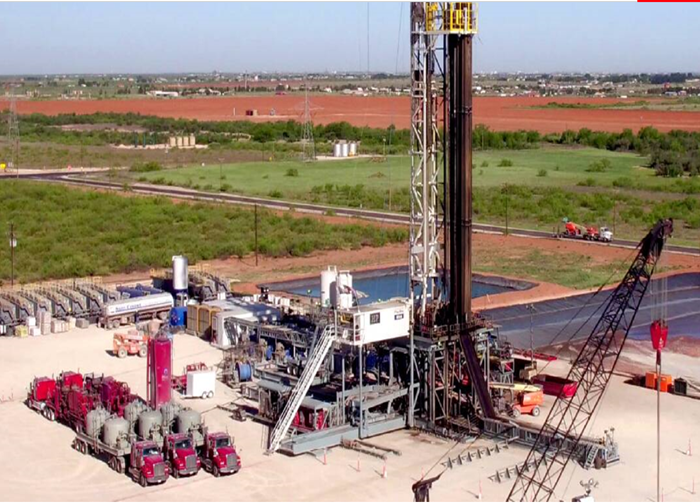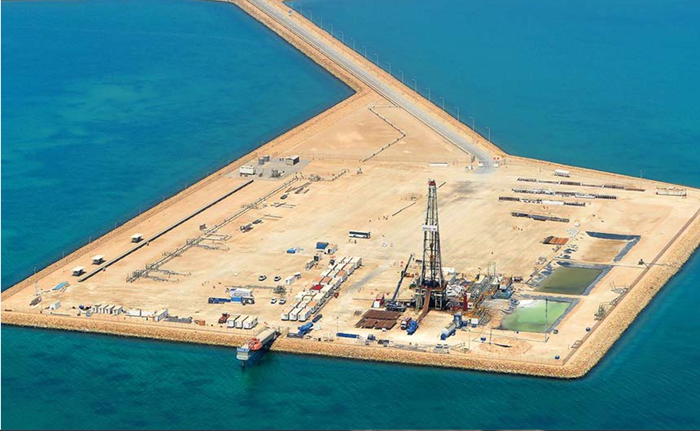
Ascent Resources is a major producer of crude oil. Headquartered in Oklahoma City, Oklahoma,
Obtaining outside data.
Checking internet sources, using keywords: Brent Crude price 2026
News from various sources:
The provided content contains multiple sections related to the future price forecasts of Brent Crude oil through 2026. Here is a concise summary relevant to the topic:
Geopolitical Risks and Brent Price Predictions:
- A report from Wood Mackenzie suggests that a prolonged closure of the Strait of Hormuz could push Brent crude prices to nearly $200 per barrel by the end of 2026. This is mainly due to the disruption of around 20% of the global LNG trade and significant reductions in oil supply.
- Under a “Quick Peace” scenario, prices could stabilize around $80 per barrel by the end of 2026 if the Strait reopens by June.
Military Tensions:
- Ongoing tensions between the US and Iran, particularly involving the Strait of Hormuz, could lead to significant fluctuations in oil prices. These events often correlate with spikes up to $150 or even $200 per barrel, depending on conflict escalation.
Economic Impact:
- Extended disruptions could lead to a global recession, with severe regional economic impacts, including a 10.7% contraction in Middle Eastern economies in 2026.
Energy Market Changes:
- Persistent disruption could have structural impacts, pushing a faster shift towards alternative energy sources like coal and renewables, decreasing reliance on LNG.
US Forecast Adjustment:
- The US Department of Energy slightly revised its Brent Crude price forecast for 2026 from $96 to $94.85 per barrel, suggesting a pressure reduction due to geopolitical instability and supply issues.
Market Sentiments:
- Current market conditions and political statements, such as Trump’s actions regarding Iran, significantly affect short-term price movements. As of mid-May 2026, Brent crude had risen from $96 to $106 due to geopolitical uncertainties.
The content highlights the volatility in expected future prices due to ongoing geopolitical risks and market reactions, emphasizing the significant influence of the Middle Eastern geopolitical landscape on global energy markets. Overall, the facts presented are largely internally consistent, and most maintain external plausibility. They are critical to understanding potential price movements of Brent Crude, with varying degrees of direct relevance to whether prices will fall below $50 per barrel in 2026.
Fact-checked summary:
The potential price movements of Brent crude oil in 2026 are influenced by several true and significant factors. A prolonged closure of the Strait of Hormuz could drastically increase prices to nearly $200 per barrel, highlighting the critical impact of geopolitical disruptions on global oil supply. Alternatively, if the Strait reopens by June, prices could stabilize around $80 per barrel, reflecting how resolution of supply tensions can facilitate market stabilization. Tensions between the US and Iran might also cause price spikes, potentially reaching $150 to $200 per barrel, indicating that geopolitical events significantly affect price volatility. A global recession due to extended disruptions could lead to a 10.7% contraction in Middle Eastern economies, impacting overall economic conditions and influencing oil demand, further affecting prices. Additionally, disruptions may accelerate a shift towards alternative energy, reducing reliance on traditional oil markets in the long-term. While the US Department of Energy’s revised forecast from $96 to $94.85 per barrel is less influential, it underscores minor sentiment-driven adjustments in market forecasts. These elements are critical in understanding the broader context and potential price dynamics, but none directly suggest Brent crude will fall below $50 per barrel by 2026.
OpenAI gives a base rate of 0.05 (5%)
The question difficulty is rated 7 (0 to 10)
Historical weighted factors include:
Past geopolitical instability impacting oil prices, 0.3
Historical economic recessions influence on oil demand, 0.2
Trends in alternative energy adoption, 0.1
Current forecasts and market sentiment, 0.4
A Bayesian calculation could be performed as follows:
Using the historical factors, I weighted each factor’s relevance and impact on the current situation. While the geopolitical instability factor heavily weighs on the possibility of increased prices, the current US Department of Energy forecast and market sentiment slightly mitigate extreme base rates to an extent. Resulting probability adjustment slightly improves the base rate from 0.05 to 0.06
Bayesian base rate: 0.06 (6%)
Sufficient news to provide a good forecast? 1 (0 or 1)
News is relevant, topical and unbiased? 1 (0 or 1)
Question classification: scenario_based_forecast
Expected time (days) until question close: 180 (Carolyn‘s note: Today is May 26, 2026, which gives 220 days counting today until the end of 2026.)
The following were considered in order to produce this base rate:
Base rate considers the likelihood of Brent crude oil prices falling below $50 considering historical instances of sharp economic downturns and significant geopolitical disruptions. However, both have been historically insufficient to push prices to such lows sustainably.
Ideally, the news feed would contain the following sorts of information for a better forecast:
Additional data on alternative energy adoption rates, supply chain adjustments in response to current geopolitical tensions, and more granular economic forecasts would assist in refining the forecast.
Some potential divergent considerations that might affect the base rate:
Any unexpected breakthroughs in alternative energy reducing oil demand faster than anticipated could cause a further decline in Brent crude prices. However, these events currently appear unlikely based on existing technology and adoption rates.
The following chain of events are necessary for the question to resolve positively:
- Prolonged closure of the Strait of Hormuz continues, causing substantial supply disruptions – Moderate
- Escalation of tensions between the US and Iran, resulting in further geopolitical instability – Moderate
- Significant contraction in global demand due to a severe economic recession – Low
- Accelerated push towards alternative energy significantly diminishing oil demand – Low
Querying Claude (AI predicts: 0.08 – confidence: 5)
Querying Mistral (AI predicts: 0.15 – confidence: 6)
Querying OpenAI (AI predicts: 0.05 – confidence: 8)
Explanations of the statistical measures listed below.
Question Type: Binary
Median from LLMs: 0.08
Base rate: 0.05 (from OpenAI)
SD: 0.04
MAPD: 0.066666666666667
Confidence: 6
Conf Mode: Normal
Mellers: 0.03
Reverse Mellers: 0.17
Theory of Mind: 0 (What did the LLMs think other LLMs predicted?)
Beta Distribution: 0.19
Close Type:
A (B = cautious # closer to 50%; A/C = closer to extremes)
LLM responses: 3
Model value: 8%
The consensus among various AIs suggests that the likelihood of Brent crude oil falling below $50 per barrel in 2026 is low due to several stabilizing factors. Historically, oil prices have dipped below this threshold only during exceptional circumstances like severe economic downturns. Current geopolitical tensions, such as those in the Middle East, typically exert upward pressure on prices, while OPEC+ has a history of managing supply to maintain oil above certain fiscal levels. Furthermore, even with the emergence of alternative energy technologies, they are not expected to impact oil demand drastically enough by 2026 to push prices significantly lower. Thus, while unexpected global events or significant technological advancements could disrupt this scenario, they are deemed low-probability occurrences given the current market dynamics and historical precedents.
Runtime: 125 seconds.
About The Author