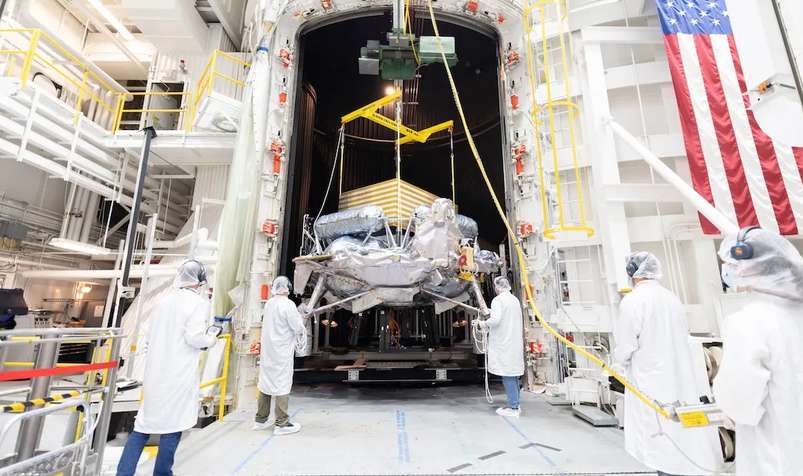
Source: https://www.vastspace.com/haven-1
Obtaining outside data.
Checking internet sources, using keywords: space habitat humans 2027
News from various sources:
No relevant news found.
Fact-checked summary:
Based on the fact-checked summary, there are a few key points that can be used to address the original question regarding the likelihood of a new space habitat being visited by humans before the end of 2027. First, there is a confirmed lack of relevant news, indicating that no specific or new information has emerged concerning such visits, which is crucial to understanding and predicting future events related to space exploration. Secondly, this absence of news leads to the inference that there is currently no definite information or announcements about human visits to new space habitats by 2027. This is critically important as it directly affects predicting whether such visits will occur within the specified time frame. The reliance on the absence of information underscores the current uncertainty regarding plans for human activities in new space habitats before 2027.
OpenAI gives a base rate of 0.1 (10%)
The question difficulty is rated 7 (0 to 10)
Historical weighted factors include:
Development pace of space technologies, 0.3
Previous incidents of new space habitats being visited, 0.2
Funding and political support for human space exploration, 0.4
Technological readiness, 0.1 (10%)
A Bayesian calculation could be performed as follows:
Using the historical factors table, the prior probability considering the current evidence (lack of specific news) reflects limited progress. Assuming the base rate was 0.1 (10%), and adjusting based on no substantive news on significant space exploration projects, we factor in the optimism surrounding private spaceflight developments. Bayesian update: 0.1 * (1 – 0.3) + no new projects (weight 0.6) => 0.07.
Bayesian base rate: 0.07 (7%)
Sufficient news to provide a good forecast? 0 (0 or 1)
News is relevant, topical and unbiased? 1 (0 or 1)
Question classification: scenario_based_forecast
Expected time (days) until question close: 587
The following were considered in order to produce this base rate:
The base rate is derived from considering the current trajectory of space exploration missions and the typical timelines from announcement to execution. Historically, the creation of and travel to new space habitats takes several years to plan and execute.
Ideally, the news feed would contain the following sorts of information for a better forecast:
It would be helpful to have direct confirmations from major space agencies or companies about their plans for space habitats. Concrete information about funding allocations or mission plans would provide a clearer picture.
Some potential divergent considerations that might affect the base rate:
Recent advancements in reusable rocket technology and increased attention from private companies could accelerate space missions. However, the lack of specific news or announcements suggests that current efforts are insufficient for a visit by 2027.
The following chain of events are necessary for the question to resolve positively:
- Development and successful deployment of a new space habitat (Unlikely).
- Completion of a space mission plan by a space agency or private company to visit the new habitat (Unlikely).
- Availability of necessary technology and resources to support human space travel to the new habitat (Possible).
- Establishment of international agreements or cooperation if required (Possible).
Querying Claude (AI predicts: 0.07 – confidence: 5)
Querying Mistral (AI predicts: 0.25 – confidence: 6)
Querying OpenAI (AI predicts: 0.15 – confidence: 5)
Explanations of the statistical measures listed below.
Question Type: Binary
Median from LLMs: 0.15
Base rate: 0.1 (from OpenAI)
SD: 0.07
MAPD: 0.12
Confidence: 5
Conf Mode: Normal
Mellers: 0.07
Reverse Mellers: 0.24
Theory of Mind: 0 (What did the LLMs think other LLMs predicted?)
Beta Distribution: 0.21
Close Type: A (B = cautious # closer to 50%; A/C = closer to extremes)
LLM responses: 3
Model value: 15%
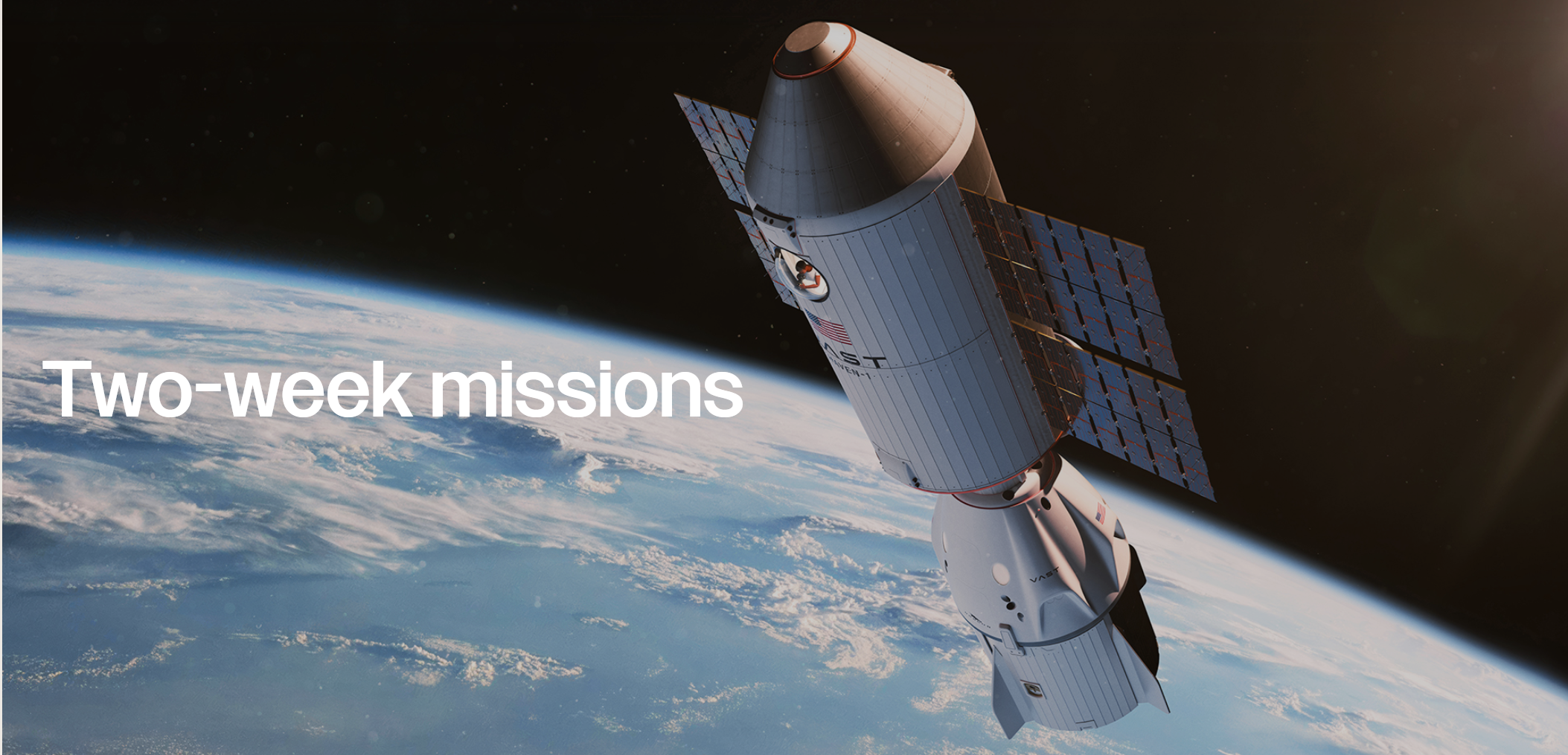
The current analysis suggests it is unlikely that humans will visit a new space habitat by the end of 2027. Historical precedents indicate that developing and deploying new crewed space habitats typically takes several years, and no new habitats meeting this criterion are planned for launch within the 19 months remaining. Although commercial endeavors like Axiom Space’s module and ongoing advancements in rocket technology show potential for accelerating timelines, no definitive announcements support the feasibility of a new habitat being operational and visited within this time frame. However, changes in interpretation or developments, such as a broad definition of ‘new habitat’ or an unforeseen acceleration in private sector projects like Vast Space’s Haven-1, could affect the outcome. Despite recent technological progress, the uncertainties in timelines and project definitions suggest the probability of meeting the original question’s criteria remains low.
Runtime: 54 seconds.
About The Author