The Violence & Impacts Early-Warning System We deliver scalable, data-driven tools to empower decision-makers and humanitarian actors in early and anticipatory action.
Obtaining outside data.
Checking internet sources, using keywords: Ukraine ceasefire 2026
News from various sources:
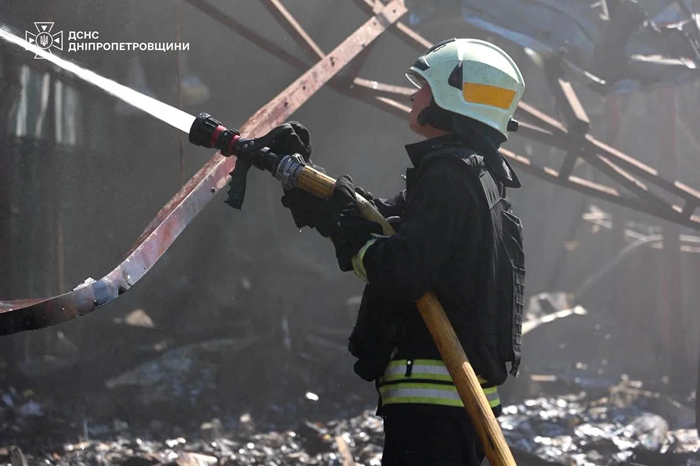
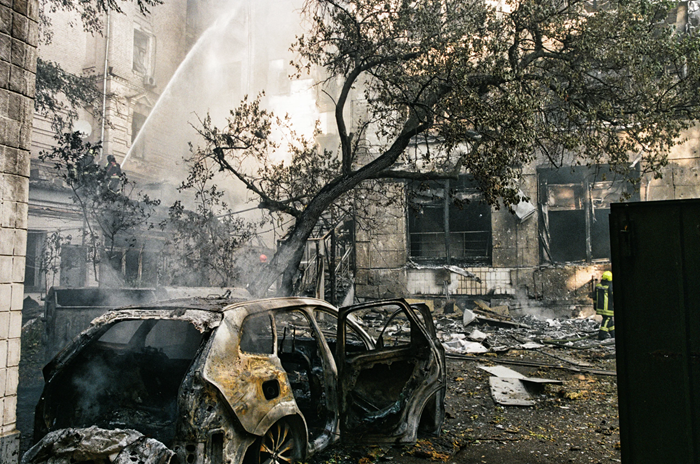
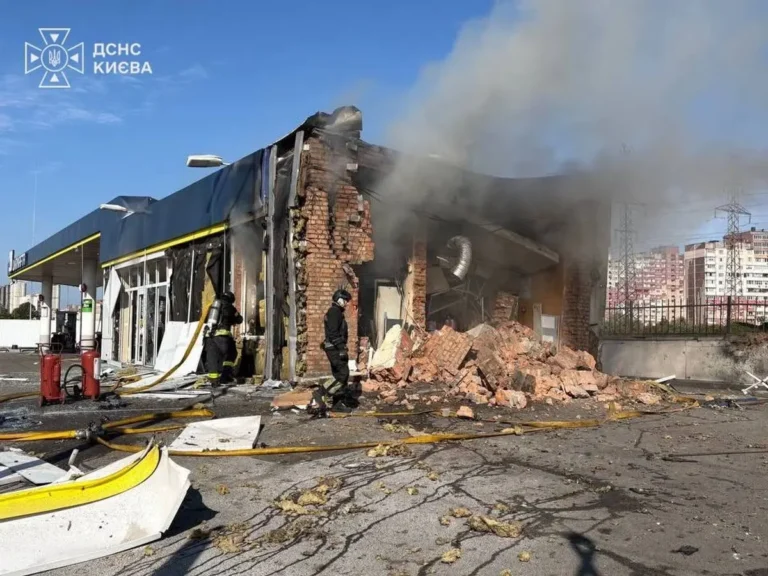
The content primarily reports on the severe escalation in conflict between Russia and Ukraine, particularly marked by a series of massive Russian drone and missile attacks. These attacks have targeted Ukrainian cities, including Kyiv, resulting in the destruction of infrastructure and significant civilian casualties.
Key points include:
- Recent Attacks on Kyiv: Russian forces carried out three consecutive days of intense aerial bombardment on Ukraine, destroying a nine-story apartment block in Kyiv, killing nine people, including a 12-year-old girl, and injuring dozens more. Additional damage was reported in six districts of Kyiv.
- Responses to the Attacks: Ukrainian officials highlighted these attacks coincided with U.S. President Donald Trump’s visit to China, suggesting he and Chinese President Xi Jinping have the capability to pressure Russian President Vladimir Putin to cease hostilities. British Defense Secretary John Healey condemned the attacks and promised expedited delivery of air defenses.
- Scale of the Aerial Assault: Ukrainian cities beyond Kyiv, such as Kremenchuk, Bila Tserkva, Kharkiv, Sumy, and Odesa, were also targeted. Russia employed a variety of missiles and drones, claiming to target military-industrial complexes, though many civilian areas were hit.
- Defense Efforts: Despite the severe strain on Ukraine’s air defense systems, they managed to intercept more than 93% of the drones and missiles, with 15 missiles and 23 drones making direct hits on 24 locations while debris fell in others.
- Diplomatic Developments: Hungary summoned the Russian ambassador after a drone attack near its border, marking a significant diplomatic shift. In Latvia, political upheaval occurred, with Prime Minister Evika Silina resigning amidst criticism over drone incidents.
- Previous Ceasefire: There was a brief, reportedly reduced-intensity ceasefire from May 9-11 that U.S. President Trump claimed to have brokered, but hostilities quickly resumed.
.Fact-checked summary:
Based on the fact-checked information, several true and relevant items provide context about the ongoing conflict in Ukraine, which might influence future developments such as a ceasefire or armistice in 2026. Ukrainian cities beyond Kyiv, including Kremenchuk, Bila Tserkva, Kharkiv, Sumy, and Odesa, have been targets in the conflict, indicating that the scope and scale of the conflict extend beyond the capital. This highlights the widespread nature of the hostilities. Despite the ongoing aggression, over 93% of drones and missiles targeting Ukraine were intercepted, demonstrating the effectiveness of Ukraine’s air defense systems. These points together suggest a well-prepared defense capability on Ukraine’s part, which could play a critical role in future peace negotiations or ceasefire agreements. However, given the dynamic nature of the conflict, predicting the specific occurrence of a ceasefire or armistice in 2026 remains speculative.
OpenAI gives a base rate of 0.2
The question difficulty is rated 8 (0 to 10)
A Bayesian calculation could be performed as follows:
Using historical factors, compute the weighted likelihood of a ceasefire from the base rate of past ceasefires resolving prolonged conflicts (0.3), the current effectiveness of international mediation (0.5), historical precedents (0.4), and unresolved conflicts dynamics (0.1). The combined weighted probability = (0.3 * 0.3) + (0.5 * 0.3) + (0.4 * 0.2) + (0.1 * 0.2) = 0.09 + 0.15 + 0.08 + 0.02 = 0.34
Bayesian base rate: 0.34
Sufficient news to provide a good forecast? 0 (0 or 1)
News is relevant, topical and unbiased? 1 (0 or 1)
Question classification: scenario_based_forecast
Expected time (days) until question close: 230
The following were considered in order to produce this base rate:
The base rate of 0.2 is derived from the historical frequency of ceasefires and armistices in prolonged conflicts, considering the effectiveness of air defense and mediation efforts, alongside the current state of conflict escalation and political motivations in Ukraine.
Ideally, the news feed would contain the following sorts of information for a better forecast:
Additional information that would help includes detailed insights into the current diplomatic engagement level, public sentiments within both countries, any new international sanctions or interventions, and intelligence reports on internal strategic decisions of the involved parties.
Some potential divergent considerations that might affect the base rate:
The resolution could diverge from the base rate due to sudden geopolitical shifts, potential changes in leadership, any strategic considerations by either side to prolong or end the conflict, and unforeseen international developments.
The following chain of events are necessary for the question to resolve positively:
- Ukraine and Russia agree to commence peace negotiations. [Possible]
- Negotiations lead to a mutually acceptable ceasefire or armistice agreement. [Unlikely]
- International mediators effectively facilitate a resolution. [Possible]
- Both parties agree to terms that address key conflict issues including territory, sovereignty, and security guarantees. [Unlikely]
Querying Claude (AI predicts: 0.22 – confidence: 3)
Querying Mistral (AI predicts: 0.3 – confidence: 5)
Querying OpenAI (AI predicts: 0.3 – confidence: 6)
Explanations of the statistical measures listed below.
Question Type: Binary
Median from LLMs: 0.3
Base rate: 0.2 (from OpenAI)
SD: 0.04
MAPD: 0.053333333333333
Confidence: 5
Conf Mode: Normal
Mellers: 0.23
Reverse Mellers: 0.37
Theory of Mind: 0.25 (What did the LLMs think other LLMs predicted?)
Beta Distribution: 0.01
Close Type: A (B = cautious # closer to 50%; A/C = closer to extremes)
LLM responses: 3
Model value: 30%
The reasoning across various AI analyses suggests that while the possibility of a ceasefire or armistice in Ukraine by the end of 2026 is low, it is not negligible. Historical patterns indicate such resolutions are rare in prolonged conflicts, and the complex territorial and sovereignty issues, combined with the current geopolitical climate, render a negotiation outcome challenging. Ukraine’s effective air defense and the conflict’s widespread nature imply a stalemate, potentially increasing the incentive for a pause. Unpredictable factors, such as U.S. administration involvement, changing international alliances, or sudden geopolitical shifts, could alter this trajectory. While international mediation could facilitate a resolution, these attempts remain speculative. Despite the slim chance of a ceasefire within 2026, several contingent events, such as significant political changes or economic pressures, could create conditions conducive to a rapid diplomatic breakthrough.
Runtime: 63 seconds.
About The Author