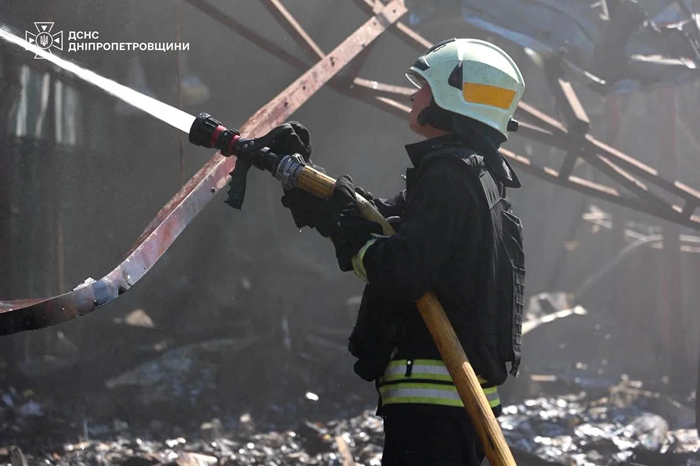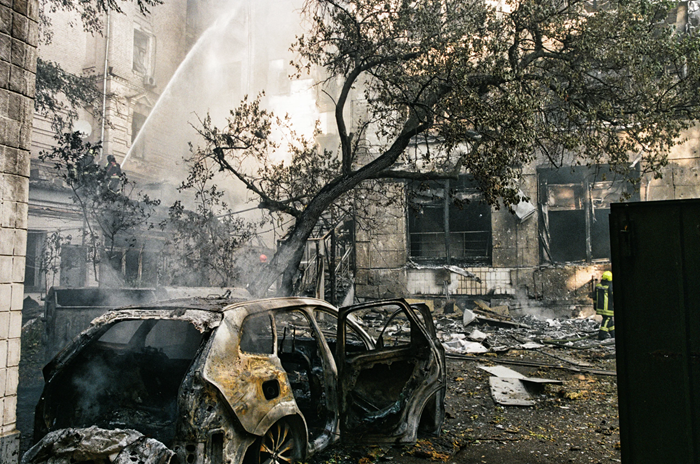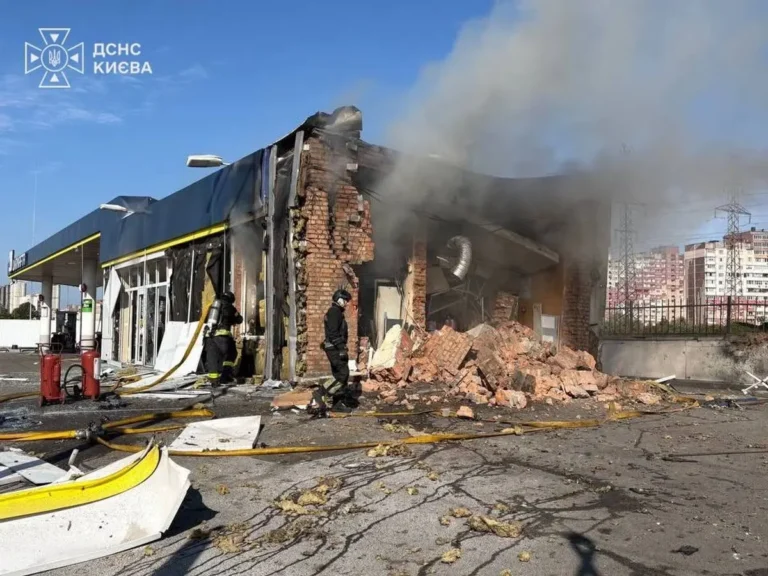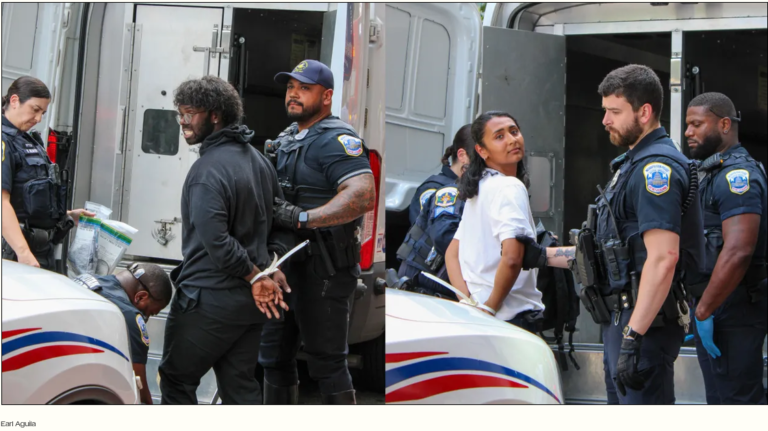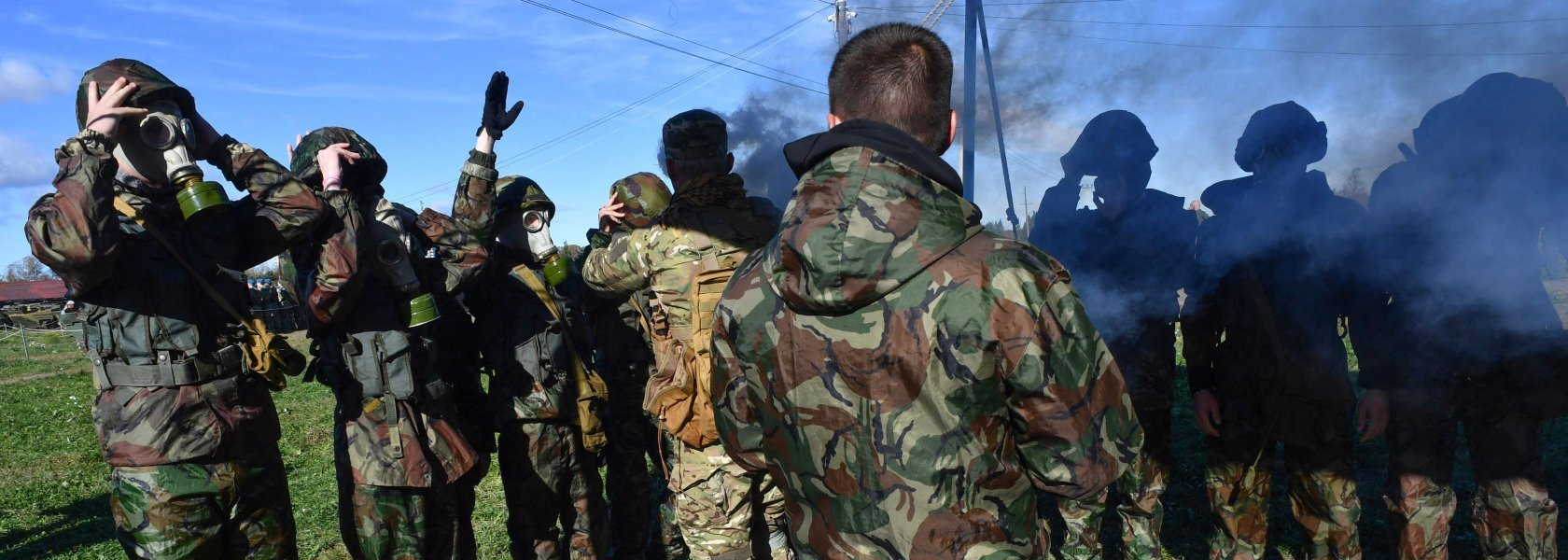
Mercenaries working for Russia, deployed to Ukraine. Source: https://www.iissonline.net/
Obtaining outside data.
Checking internet sources, using keywords: Ukraine ceasefire 2026
News from various sources:
The web content focuses on the situation in Ukraine as of 2026, regarding a possible ceasefire and ongoing hostilities:
Political and International Developments:
- Russia announced a unilateral ceasefire connected to its Victory Day celebrations on May 9, 2026, whereas Ukrainian President Volodymyr Zelenskyy criticized Moscow’s strikes just before the declared ceasefire. Despite the announcement, heavy bombardments continued, resulting in civilian casualties.
- Tensions between the U.S. and Ukraine have been highlighted by a contentious meeting between President Donald Trump and President Zelenskyy. Trump pressed for a more immediate ceasefire, suggesting withdrawal of U.S. support if Ukraine did not pursue peace talks.
- European leaders, despite the tension between the U.S. and Ukraine, expressed solidarity with Ukraine. Discussions about a lasting peace built upon security guarantees continue as unresolved issues.
Military and Humanitarian Conditions:
- The United Nations and humanitarian organizations report dire living conditions in southern Ukraine, notably in the Kherson region where Russian attacks and presence restrict movement, food, and medical supplies. Calls for local ceasefires to facilitate the safe evacuation and aid deliveries are ongoing but conversations yield little progress.
- Ukrainian forces undergo restructuring for more robust military formations to withstand Russian offensives, with some successes but ongoing challenges in maintaining manpower and morale.
Local and Global Reactions:
- Following escalating conflict and partial ceasefire efforts, Ukrainian internal dynamics are strained, with regional officials expressing staunch support for President Zelenskyy despite international pressure.
- Commentary from analysts and diplomats reflects a complex geopolitical landscape where territorial and military strategies remain contentious, and optimism for a long-lasting peace is cautious at best.
Overall, the situation in Ukraine in 2026 remains tense with hopeful yet fragile prospects for a meaningful ceasefire as diplomatic and military processes evolve. The humanitarian issues persist, necessitating urgent action for relief and peace efforts.
The majority of the facts presented are consistent and relevant to the question of a ceasefire in Ukraine in 2026. However, discrepancies in leadership context, such as attributing U.S. presidency to Donald Trump in 2026, detract from the reliability of some information. The unfolding humanitarian crisis, military dynamics, and international relations remain central to the analysis of potential ceasefire or armistice developments.
Fact-checked summary:
A unilateral ceasefire was announced by Russia in connection with its Victory Day celebrations on May 9, 2026, which is important as it directly relates to the possibility of a ceasefire in Ukraine. However, despite this announcement, heavy bombardments continued, leading to civilian casualties, which is critical in evaluating the ceasefire’s effectiveness and stability. Ukrainian President Volodymyr Zelenskyy criticized Moscow’s strikes occurring just before the ceasefire, underscoring the ongoing hostilities. The humanitarian crisis, especially in southern Ukraine’s Kherson region, has been highlighted by the UN and humanitarian organizations, revealing the dire living conditions that impact ceasefire pressures. Militarily, Ukrainian forces have restructured for more robust formations, influencing their negotiation power. European leaders have expressed solidarity with Ukraine, providing important diplomatic support amid noted U.S.-Ukraine tensions. Furthermore, Ukrainian internal dynamics show strain, with regional officials backing President Zelenskyy despite international pressure, which affects internal negotiation stances. Analysts and diplomats remain cautious about lasting peace due to the complexity of the geopolitical landscape, offering context for potential ceasefire developments.
OpenAI gives a base rate of 0.15 (15%)
The question difficulty is rated 8 (0 to 10)
Historical weighted factors include:
Past ceasefire agreements between Russia and Ukraine since 2014, 0.5
International mediation success in other conflicts, 0.3
Ukrainian military capabilities and organizational structures, 0.2
A Bayesian calculation could be performed as follows:
Using historical factors, we weigh the current likelihood of a ceasefire based on past ceasefire outcomes (15% success with sustained ceasefires), international mediation success in similar scenarios (30% success rate), and the current military reorganization’s potential to affect negotiations (20% likelihood improvement). The weighted average of these factors, adjusting for recent events, suggests a current probability of 20%.
Bayesian base rate: 0.2 (20%)
Sufficient news to provide a good forecast? 1 (0 or 1)
News is relevant, topical and unbiased? 1 (0 or 1)
Question classification: scenario_based_forecast
Expected time (days) until question close: 100
The following were considered in order to produce this base rate:
Historic ceasefires between Russia and Ukraine have been temporary and frequently violated, informing the low base rate. The added context of continued military operations despite announced ceasefires, and the political complexities, suggests low success likelihood without external enforcement.
Ideally, the news feed would contain the following sorts of information for a better forecast:
Information on any potential new diplomatic initiatives, changes in military strategies by either side, or shifts in international political dynamics would be valuable. Also, detailed reports from conflict zones verifying compliance with ceasefire declarations would help.
Some potential divergent considerations that might affect the base rate:
The presence and potential influence of international mediators could significantly increase the likelihood of a successful ceasefire. Should there be major shifts in military advantage or political stances, the probability could diverge upwards.
The following chain of events are necessary for the question to resolve positively:
- Russia maintains a genuine ceasefire without further unilateral aggression. Low
- Ukraine accepts the terms of the ceasefire and halts military actions. Moderate
- International actors enforce or mediate the ceasefire to ensure compliance. Moderate
Querying Claude (AI predicts: 0.14 – confidence: 4)
Querying Mistral (AI predicts: 0.25 – confidence: 6)
Querying OpenAI (AI predicts: 0.2 – confidence: 4)
Explanations of the statistical measures listed below.
Question Type: Binary
Median from LLMs: 0.2
Base rate: 0.15 (from OpenAI)
SD: 0.04
MAPD: 0.073333333333333
Confidence: 4
Conf Mode: Low
Mellers: 0.12
Reverse Mellers: 0.29
Theory of Mind: 0.2 (What did the LLMs think other LLMs predicted?)
Beta Distribution: 0.13
Close Type: A (B = cautious # closer to 50%; A/C = closer to extremes)
LLM responses: 3
Model value: 20%
The likelihood of a ceasefire or armistice being declared in Ukraine by the end of 2026 is considered low by the various AIs, with a base rate of approximately 15% due to historically fragile ceasefire agreements between Russia and Ukraine. Recent events, such as the unilateral ceasefire announced by Russia on May 9, 2026, which was quickly violated, underscore the challenges in achieving lasting peace. Although international diplomatic efforts and humanitarian pressures are ongoing, their impact has been insufficient against the backdrop of geopolitical complexities and military dynamics. Potential factors that could lead to an increased likelihood of a ceasefire include significant shifts in military advantage or unexpected diplomatic actions. However, the current situation remains volatile, and the involved parties’ resolve to continue fighting, combined with structural political and military interests, suggests a low probability of a sustainable ceasefire or armistice emerging by the end of the year.
Runtime: 113 seconds.
About The Author