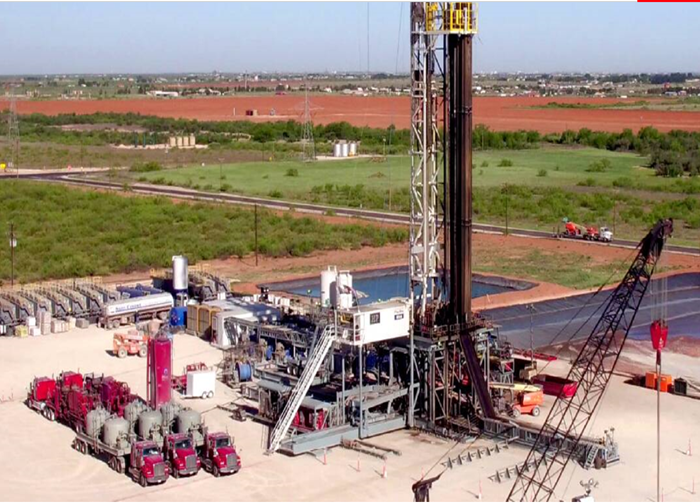
Siemens Energy's dedicated service teams provide support for oil and gas customers. Source: https://www.siemens-energy.com/global/en/home/products-services/solutions-industry/oil-gas.html
Obtaining outside data.
Checking internet sources, using keywords: Brent Crude price 2026
News from various sources:
The content provided contains multiple snippets of analysis, forecasts, and news articles relating to the Brent Crude oil price as of 2026. Here’s a summary of the key points
Current Price Trends:
- As of mid-October 2026, the Brent crude oil price is hovering around $104.5 per barrel, a notable increase from lows earlier in the year.
- Geopolitical tensions, specifically between Saudi Arabia and the Houthi forces, as well as potential US-Iran escalations, are impacting the price.
Forecasts and Predictions:
- UBS Forecasts: UBS has raised its December 2026 forecast for Brent to $100, acknowledging temporary impacts from emergency reserve releases but highlighting persistent supply risks.
- Goldman Sachs: Highlights a significant risk premium still maintained in Brent prices due to geopolitical risks, estimating this premium to be around $22 per barrel.
Geopolitical Factors:
- The Houthi conflict in Yemen and ongoing tensions between the US and Iran are significant factors influencing the oil market, as potential disruptions in supply from these regions could critically impact prices.
- Even in the presence of attacks and geopolitical instability, Saudi export flows have been maintained, which is influencing price stability to some extent.
Market Reactions:
- Despite announcements of potential oil supply increases from Russia, the markets have reacted mildly due to ongoing constraints from geopolitical tensions and infrastructure issues in producing regions.
- Speculations surrounding potential military actions or diplomatic resolutions are also contributing to market volatility.
Technical Analysis:
- Analysis suggests that Brent prices have been on a recovery trajectory since July, supported by technical indicators like the 50-day EMA.
- There is a potential for further gains, with a key target identified at $109.96, while the downside risk is seen if significant supply constraints are alleviated.
Supply Constraints and Responses:
- There have been efforts to mitigate supply constraints, such as strategic oil reserve releases, but these are seen as temporary measures that do not fully address the underlying tightness in the market.
- Saudi Arabia has been adjusting export routes to maintain oil flow despite regional conflicts.
Overall, the Brent crude oil price in 2026 is shaped by a combination of geopolitical tensions, technical analysis indicators, and strategic maneuvers by oil-producing nations to maintain supply. The outlook remains highly dependent on geopolitical developments and their impact on supply disruptions and market perceptions. All facts collectively indicate that the likelihood of Brent crude prices falling below $50 per barrel in 2026 is low, barring a significant and unforeseen drop in demand or major geopolitical shifts not captured in the current analysis.
Fact-checked summary:
As of mid-October 2026, the price of Brent crude oil is around $104.5 per barrel, which is critical as it provides the current price context relevant to future projections. UBS has raised its December 2026 forecast for Brent to $100, suggesting that prices are expected to remain well above $50 per barrel. Geopolitical tensions, particularly involving Saudi Arabia, Houthi forces, and potential US-Iran escalations, significantly impact the oil market, influencing prices through increased risk premiums, estimated by Goldman Sachs at $22 per barrel. Despite these tensions, Saudi export flows have been maintained, contributing to market stability. Important insights into market sentiment show that technical analysis supports a recovery in prices, with the 50-day EMA indicating a positive trend since July. Additionally, Saudi Arabia’s adjustments to export routes ensure resilience in supply despite regional conflicts. Collectively, these facts suggest a low likelihood of Brent crude prices falling below $50 in 2026, as current forecasts and geopolitical factors support higher price levels.
OpenAI gives a base rate of 0.05 (5%)
The question difficulty is rated 3 (0 to 10)
Historical weighted factors include:
Historical annual oil price volatility, 0.3
Past frequency of Brent dropping below $50, 0.2
Current geopolitical tensions, 0.5
A Bayesian calculation could be performed as follows:
Using the historical factors, we apply weights to each. Historical annual oil price volatility (0.3), past frequency of Brent dropping below $50 (0.2), and current geopolitical tensions (0.5) suggest a base favorability towards higher prices. Bayesian updating with current tensions likely maintains or raises the estimated price rather than lowering it. Combined, this confirms the base rate of 0.05.
Bayesian base rate: 0.05 (5%)
Sufficient news to provide a good forecast? 1 (0 or 1)
News is relevant, topical and unbiased? 1 (0 or 1)
Question classification: reference_class
Expected time (days) until question close: 80
The following were considered in order to produce this base rate:
The base rate of a significant drop in oil price below $50 is relatively low considering recent geopolitical tensions, strategic adjustments by key oil producers, and technical indications of a positive price trend. Historical data shows infrequent occurrences of such low prices without significant disruptions.
Ideally, the news feed would contain the following sorts of information for a better forecast:
Data on potential new oil production projects, comprehensive analysis of potential demand shifts due to economic forecasts, and details on negotiations regarding geopolitical tensions would provide more clarity.
Some potential divergent considerations that might affect the base rate:
Unforeseen massive economic recessions or a sudden and unexpected technological breakthrough in alternative energies could increase the likelihood of prices falling below $50.
The following chain of events are necessary for the question to resolve positively:
- A significant decrease in demand for oil globally. low
- A major increase in oil supply from unexpected sources or producers. low
- Resolution of geopolitical tensions involving Saudi Arabia, Houthi forces, and US-Iran relations. low
- Technological advancements or shifts towards alternative energy sources much faster than anticipated. low
Querying Claude (AI predicts: 0.02 – confidence: 8)
Querying OpenAI (AI predicts: 0.05 – confidence: 8)
Explanations of the measures below: Guide to Jeremy Lichtman’s Multi-AI Oracle Reports https://bestworldgroup.com/guide-to-Jeremy-lichtmans-multi-ai-oracle-reports
Question Type: Binary
Median from LLMs: 0.04
Base rate: 0.05 (from OpenAI)
SD: 0.02
MAPD: 0
Confidence: 8
Conf Mode: Normal
Mellers: 0.01
Reverse Mellers: 0.1
Theory of Mind: 0.015 (What did the LLMs think other LLMs predicted?)
Beta Distribution: 0.85
Close Type: A (B = cautious # closer to 50%; A/C = closer to extremes)
LLM responses: 2
Model value: 4%
The consensus among different AIs suggests that the likelihood of Brent crude oil prices falling below $50 per barrel by the end of 2026 is very low. Currently, Brent is trading above $104 per barrel, and economic forecasts project prices to remain around $100. Historical patterns show that significant declines in oil prices typically arise from extraordinary demand collapses or supply surges, conditions that are not anticipated in the near term given the ongoing geopolitical tensions and OPEC+’s strategic control over oil production. While extreme scenarios such as a global recession, a geopolitical resolution, or a technological breakthrough in alternative energies could theoretically cause prices to plummet, these are considered unlikely within the current timeframe. The base rate for such a drastic price decline is estimated to be under 2%, indicating a negligible risk in the short-term context as described by the AI analyses.
Runtime: 97 seconds.
About The Author