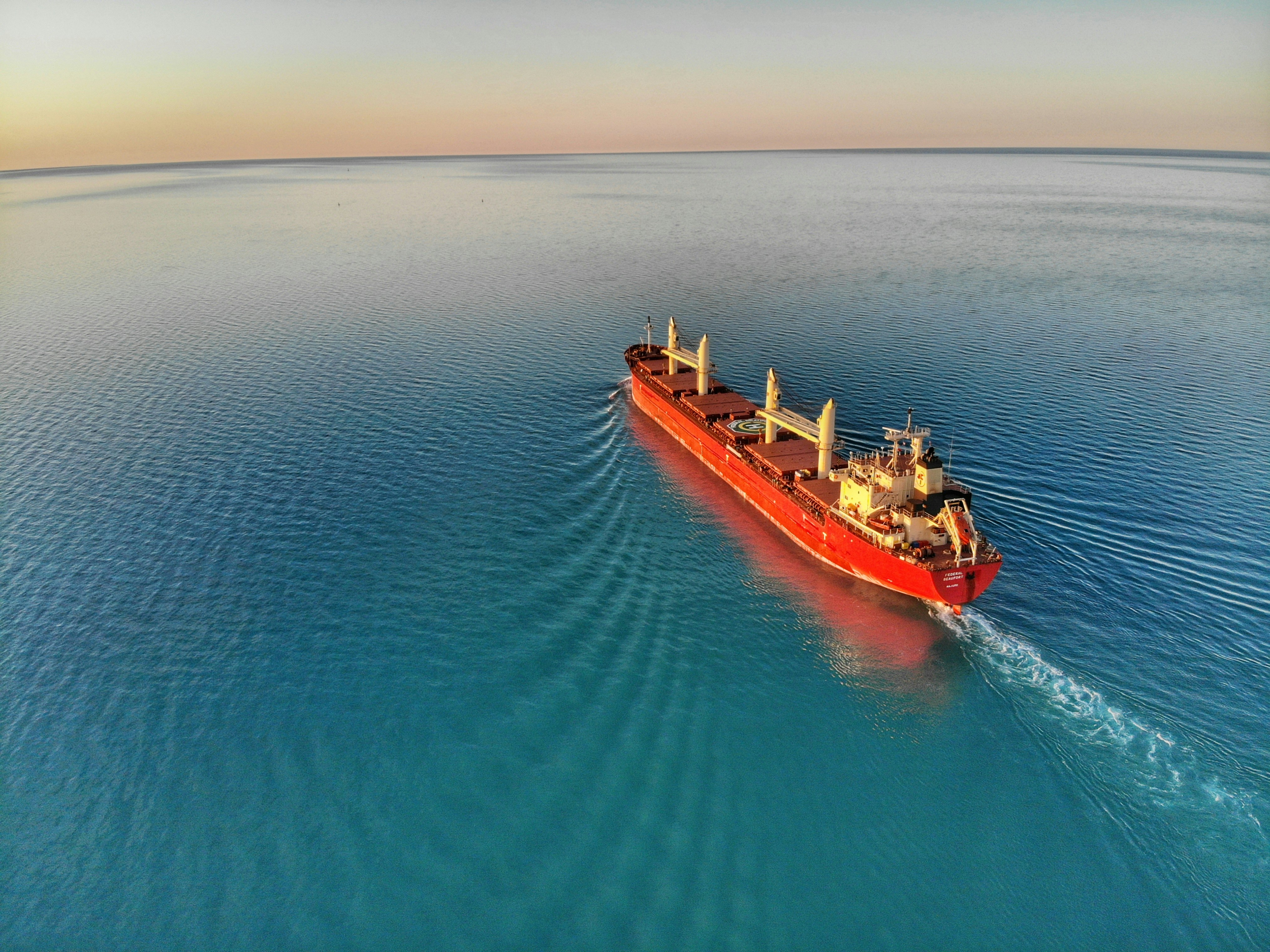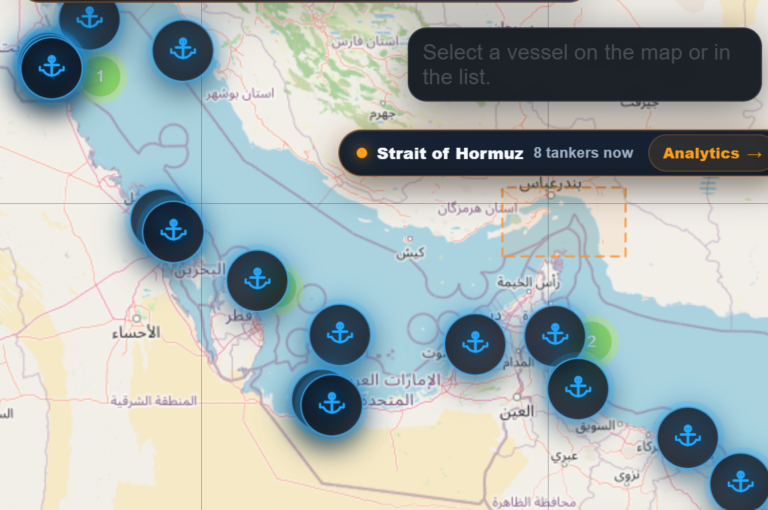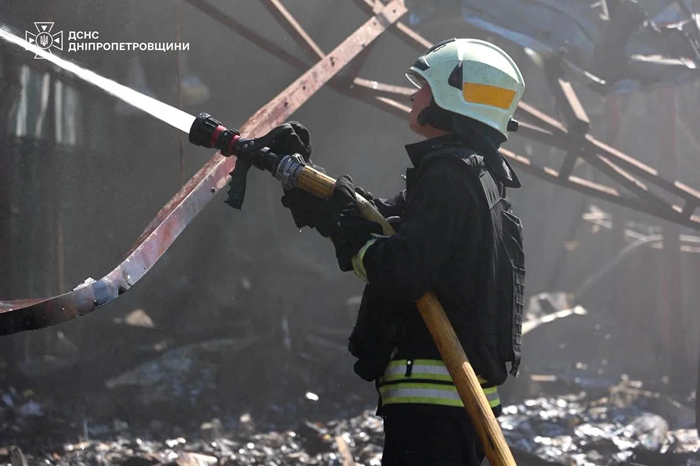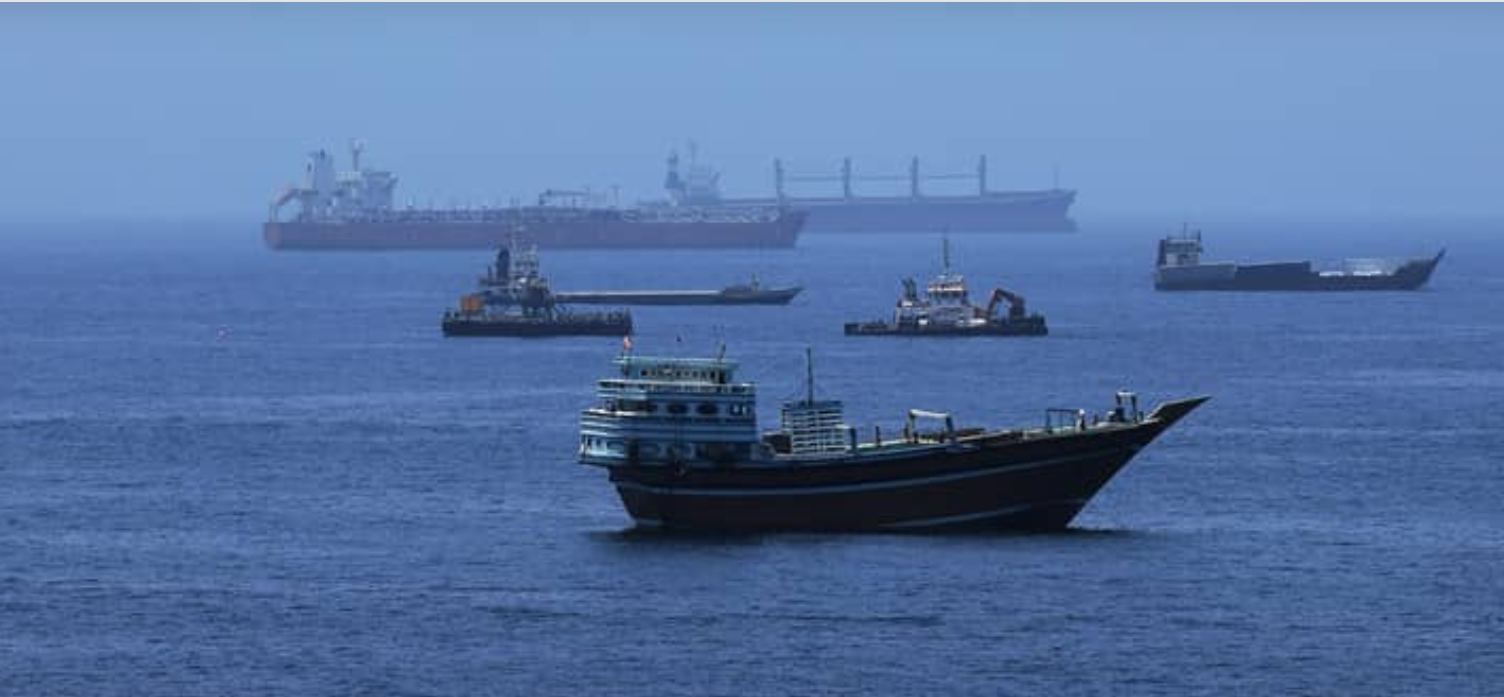
LNG traffic in Hormuz picks up despite US-Iran war. Data from Kpler and LSEG show the return of tankers carrying cargo from Qatar’s Ras Laffan terminal, although some vessels may have traveled with AIS transponders switched off. More liquefied natural gas vessels linked to QatarEnergy have resumed visible transit through the Strait of Hormuz in recent weeks despite the ongoing US-Iran conflict, according to shipping data from Kpler and LSEG. Source: Screenshot from https://en.royanews.tv/news/74262/LNG-traffic-in-Hormuz-picks-up-despite-US-Iran-war.
Deepseek Binary response:
The current evidence strongly indicates severe disruption, not an unimpeded state. As of late September 2026, Qatar’s LNG exports are still down by roughly 96% since the war began, force majeure has been extended into late November/early December, and gCaptain describes only limited, fragile, and well-below-normal transits. For the question to resolve Yes, there would need to be a major security/diplomatic breakthrough followed by rapid restoration of routine LNG traffic, all within about three months.
Main paths to Yes:
- A US-Iran ceasefire/peace deal or effective safe-passage arrangement, followed by QatarEnergy lifting force majeure and LNG traffic returning to near-normal levels.
- A US Navy escort regime that becomes regular enough that traffic is no longer considered severely restricted.
Both paths are possible but unlikely on this timeline. Even if a breakthrough occurred in October, logistics, insurance, force majeure, and shipping confidence would take weeks or months to normalize. A breakthrough in November or December would leave very little time for gCaptain to report de facto unimpeded traffic before year-end. The current extension of force majeure through early December is a strong signal that normalization is not expected before then.
Timeline rough estimates:
- By end of October 2026: very low, around 1–2%.
- By end of November 2026: low, around 3–5%.
- By end of December 2026: modestly higher, around 6–8%.
The base case remains continued severe restriction, with only partial intermitttent recovery. I therefore forecast a low but non-negligible probability, accounting for the small chance of a sudden diplomatic or military de-escalation.
Data sufficiency: Sufficient
Probability: 7%
=== Reasoning ===
Analysis of Current Status and Resolution CriteriaAnalysis of Current Status and Resolution Criteria
The question asks whether Strait of Hormuz liquefied natural gas (LNG) traffic will become de facto unimpeded by December 31, 2026, as reported by maritime news outlet gCaptain. The resolution criteria explicitly define “de facto unimpeded” as maritime LNG traffic no longer being halted or severely restricted.
Baseline and Current Conditions (as of October 1, 2026)
- Severe Disruption: Following the outbreak of the war in Iran in late February 2026 and an attack on a Qatari vessel in early July 2026, LNG traffic through the Strait collapsed by approximately 96% (from 509 cargoes down to 18 over equivalent multi-month periods). Normal baseline throughput was roughly three LNG shipments per day (~21 per week, ~90 per month).
- Recent Uptick vs. Normalcy: Late September 2026 reports in gCaptain and other trade publications indicate a slight resumption, with 2 to 4 laden vessels transiting per week. However, gCaptain explicitly characterized this as a fragile, tentative uptick amidst an ongoing crisis, noting that overall tanker crossings fell to multi-month lows by late September.
- Commercial and Legal Position: QatarEnergy has formally extended force majeure notices to Asian and European buyers through the end of November and into early December 2026. This demonstrates that key commercial operators do not anticipate unrestricted or reliable passage during October and November.
- Geopolitical & Winter Leverage: Iran’s primary strategic leverage over the United States, Europe, and GCC partners is the winter energy crunch. Tehran has offered conditional reopening plans (demanding maritime authorization, fees, or an end to the US naval blockade), while Washington continues to insist on unconditional freedom of navigation. Previous agreements, such as the mid-June memorandum of understanding, broke down within weeks.
Comparison Across Multiple Time Horizons
To calibrate the probability over the 91-day window remaining until the end of 2026:
- Within 1 month (by October 31, 2026): ~3%
Force majeure is locked in place, diplomatic talks are fraught, and current volumes remain 80–90% below prewar norms. - Within 3 months (by December 31, 2026 — Resolution Window): ~15%
Requires a rapid diplomatic agreement, successful de-escalation, mutual removal of maritime threats/mines, normalization of war-risk insurance, and QatarEnergy lifting force majeure in December, culminating in gCaptain declaring the passage de facto unimpeded. - Within 6 months (by March 31, 2027): ~38%
Winter energy pressures may force a durable truce or compromise once maximum seasonal leverage is exhausted. - Within 12 months (by September 30, 2027): ~65%
Historically, severe maritime blockades and chokepoint crises tend to reach negotiated compromises or military enforcement solutions within 12 to 18 months.
Core Assumptions and Failure Probabilities
Assumption 1: Diplomatic talks will not achieve an immediate, fully executed reopening deal before late Q4 2026.
- Probability of assumption failure: 22%.
- Impact: If talks between Washington, Tehran, and Qatari mediators produce a breakthrough in October or early November that immediately guarantees safe transit, traffic could rapidly ramp up toward normal by late December.
Assumption 2: Operational and security normalization has significant friction and lag even after an agreement.
- Probability of assumption failure: 30%.
- Impact: If insurance underwriters instantly drop war-risk premiums, mine clearance is deemed complete immediately, and QatarEnergy rapidly brings Ras Laffan capacity back without phased ramp-up delays, gCaptain could report unimpeded transit faster than expected.
Assumption 3: gCaptain maintains a strict maritime standard for “unimpeded”.
- Probability of assumption failure: 15%.
- Impact: As a maritime industry publication, gCaptain focuses on commercial vessel risk, escorts, and route safety. If it prematurely characterizes a partial, escorted, or conditional transit scheme as “de facto unimpeded”, the question could resolve Yes earlier.
Synthesis
Combining the low likelihood of a near-term comprehensive settlement during the onset of peak winter leverage, the explicit extension of force majeure through early December, and the operational lags required to shift from ~15% of normal traffic back to unhalted, unrestricted transit, the overall probability of a “Yes” resolution before year-end remains low.
Data sufficiency: Sufficient
Probability: 15%
End
About The Author