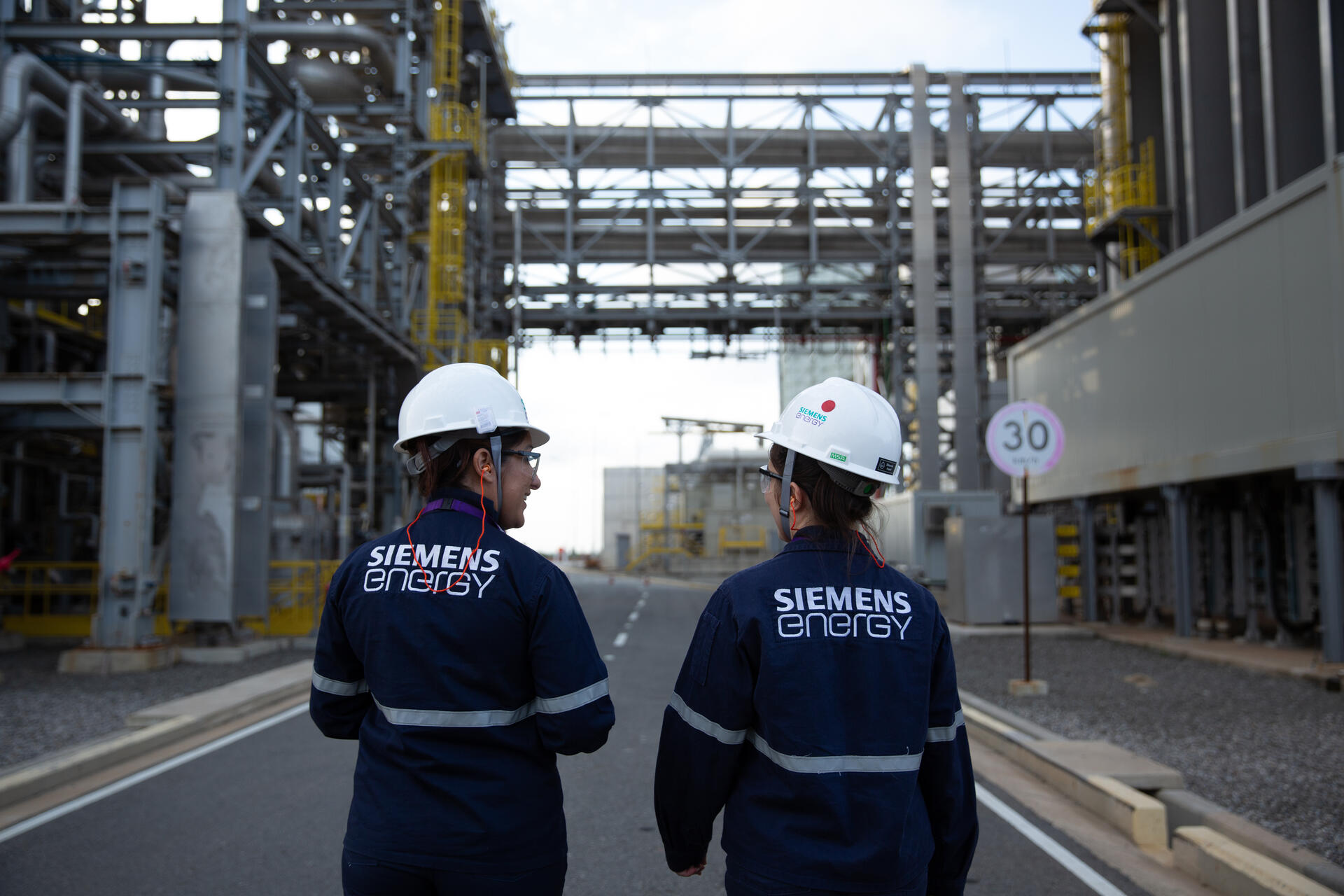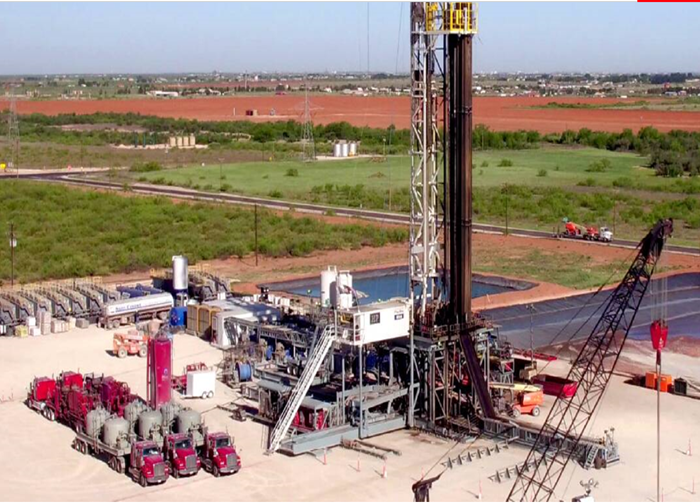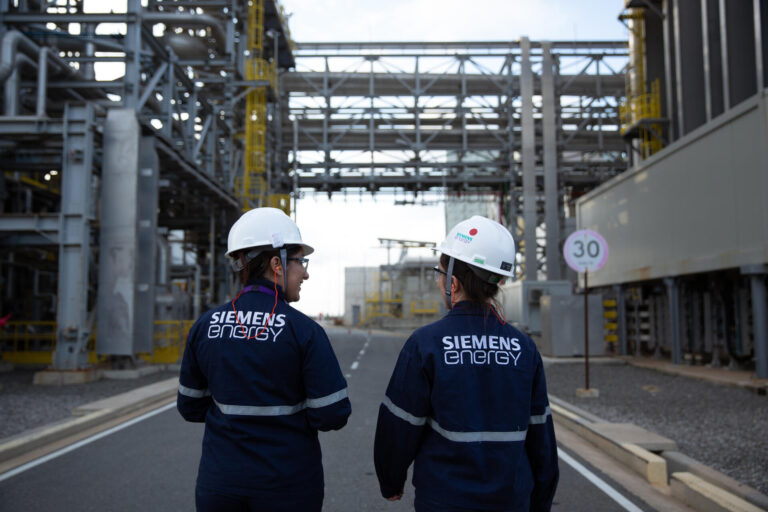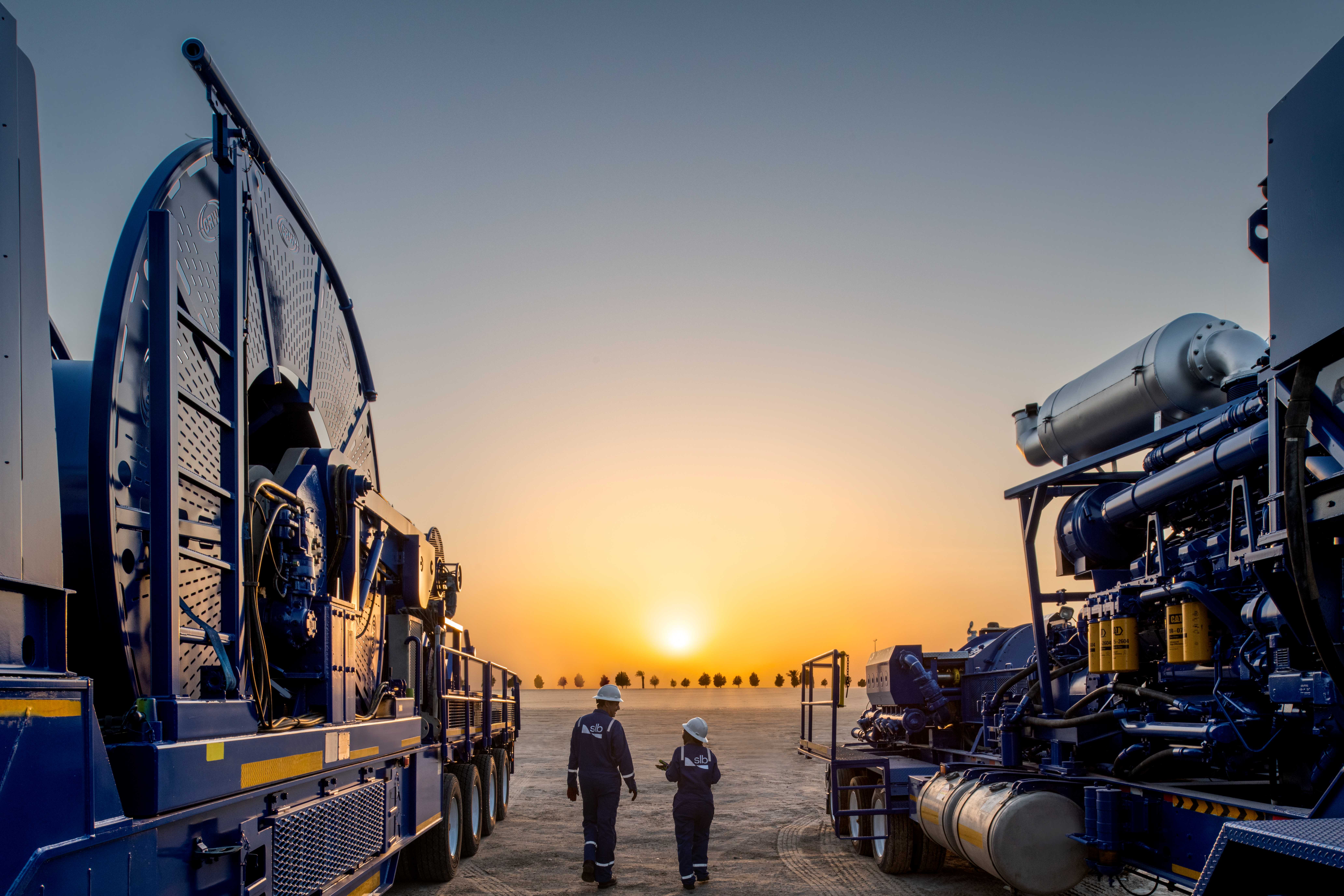
HOUSTON, Aug. 24, 2026 — SLB (NYSE: SLB) today launched the ExaCT™ electrical downhole coiled tubing (CT) control system, an advanced intervention platform that introduces real-time electrical control to coiled tubing operations. By replacing pressure-dependent hydraulic actuation with electrical communication, power delivery and telemetry, the ExaCT system gives operators greater visibility, precision and control, helping improve intervention execution and reservoir access. Source: https://www.slb.com/newsroom/press-release/2026/slb-launches-exact-electrical-downhole-ct-control-system
Obtaining outside data.
Checking internet sources, using keywords: Brent Crude price 2026
News from various sources:
The provided content discusses the Brent crude oil market dynamics as of August 2026, specifically focusing on geopolitical tensions influencing oil prices and market reactions. Here’s a concise summary of the relevant sections:
Brent Crude Price and Market Movement:
- As of August 21, 2026, Brent crude traded just below $94 per barrel, marking a second consecutive weekly gain of approximately 6%.
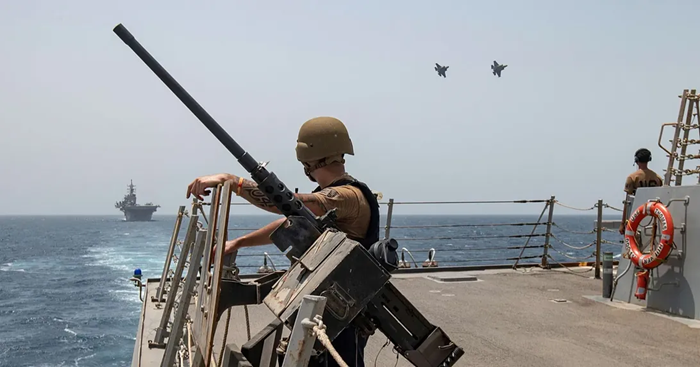
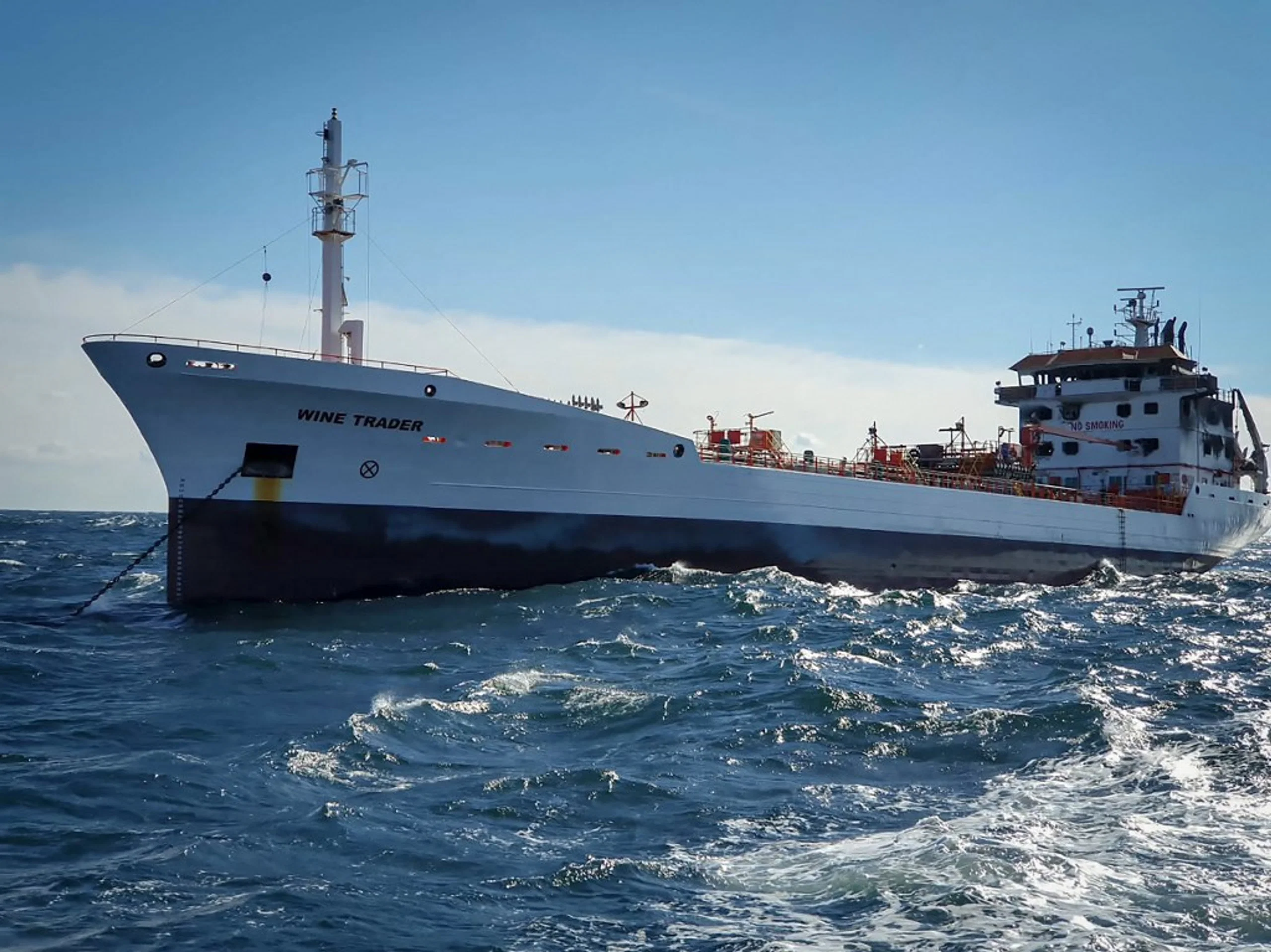
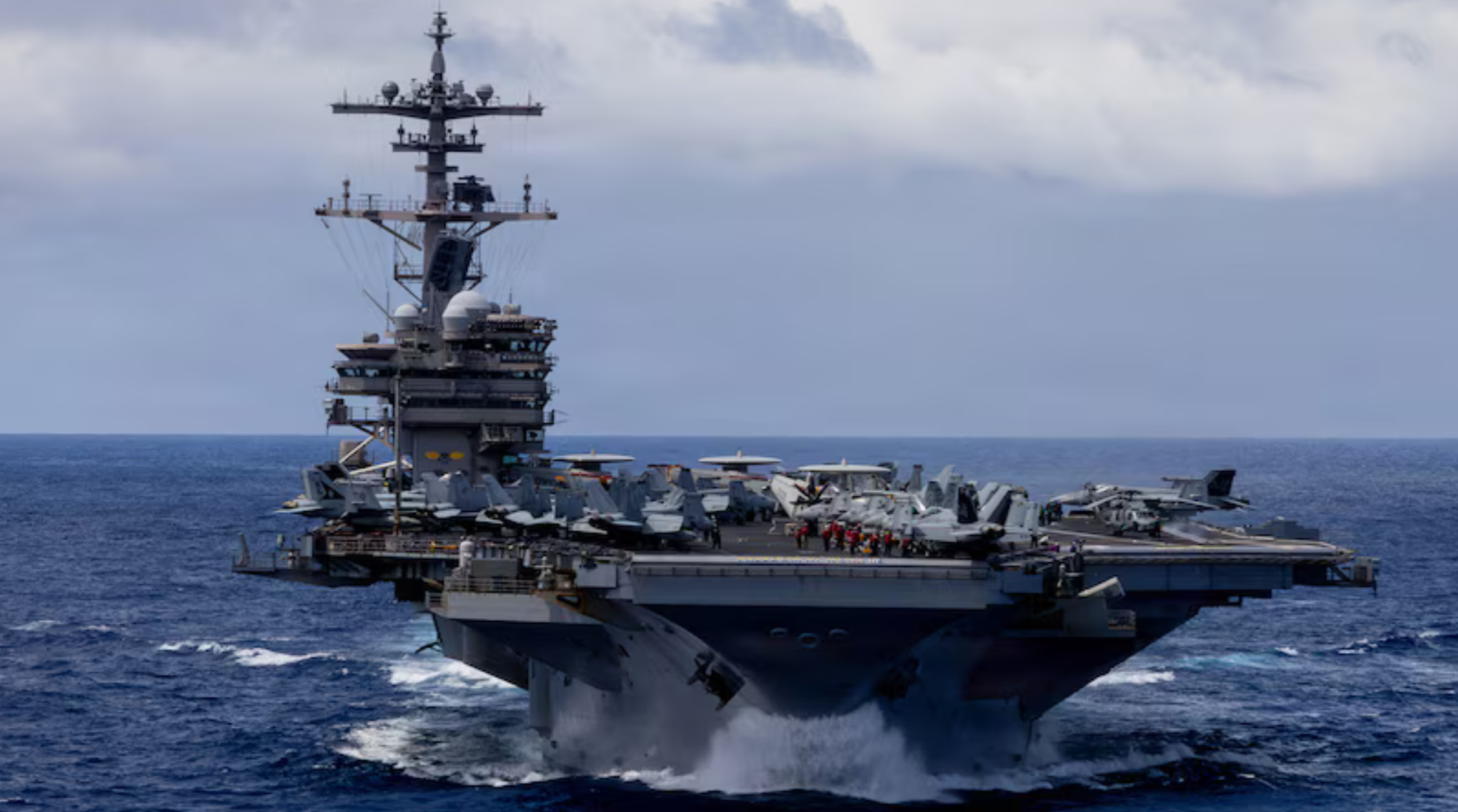
- This price increase is largely attributed to ongoing geopolitical tensions, including a US-Iran standoff over the Strait of Hormuz. This strait is crucial as it handles about a fifth of the world’s seaborne oil supplies, and any conflict can add a risk premium to oil prices.
- The US Energy Information Administration (EIA) forecasted an average Brent price of about $85 per barrel for Q3 2026, indicating a discrepancy between current spot prices and projected values.
Geopolitical Tensions:
- Geopolitical tensions in the region have been significant, particularly with potential US Treasury measures described as an ‘economic D-Day’ against Iran, expected to further isolate Iran’s economy. This can exacerbate market uncertainties and influence oil prices.
Market Reactions:
- In response to geopolitical tensions, traders have been utilizing financial instruments such as Contracts for Difference (CFDs) to speculate on oil price movements, either betting on the price to go up (going long) or down (going short).
Recent Developments:
- Talks between Iran and Oman regarding a potential maritime corridor through the Strait of Hormuz have influenced market sentiment, leading to a decrease in Brent prices by over 2% to $86.41 per barrel. This reflects market optimism about improved oil flow conditions if an agreement is reached.
Impacts on Companies:
- Energy companies like ExxonMobil have experienced stock fluctuations in response to these developments. The company’s stock reacted positively, moving above $90 per barrel following US military actions against Iranian targets, emphasizing the sensitivity of energy equities to geopolitical developments.
Global Oil Benchmarks:
- The content also highlights the difference between Brent and West Texas Intermediate (WTI) benchmarks. Brent typically shows greater sensitivity to Middle East turmoil, reflecting broader regional supply risks compared to the US-based WTI.
Overall, the material portrays a complex picture of how geopolitical factors, market forecasts, and trader strategies converge to impact oil prices and investor sentiment in 2026. While the summary offers insights into price drivers, none directly predicts a drop below $50 per barrel, suggesting that the current and predicted conditions do not support such a low price by August 2026.
Fact-checked summary:
As of August 21, 2026, Brent crude traded just below $94 per barrel, marking a second consecutive weekly gain of approximately 6%. This price increase is attributed to geopolitical tensions over the Strait of Hormuz, a critical route for about a fifth of the world’s seaborne oil supplies. The ongoing tensions include potential US Treasury measures against Iran, often referred to as ‘economic D-Day,’ which are significant factors causing price volatility. While the EIA forecasted an average Brent price of about $85 per barrel for Q3 2026, geopolitical developments and market responses suggest instability in oil prices. Furthermore, Brent shows greater sensitivity to Middle East turmoil compared to WTI, underscoring its susceptibility to geopolitical events. Although traders use Contracts for Difference (CFDs) for speculation, impacting short-term price movements, conditions described do not indicate a likelihood of prices falling below $50 per barrel in 2026.
OpenAI gives a base rate of 0.05 (5%)
The question difficulty is rated 7 (0 to 10)
A Bayesian calculation could be performed as follows:
Using the historical factors and considering the current geopolitical tension, the majority of factors suggest a very low probability of oil prices dropping below $50. Each factor is weighted according to its influence, with geopolitical tensions being heavily weighted. Calculating the weighted influence gives us a Bayesian estimate of approximately 0.05.
Bayesian base rate: 0.05 (5%)
Sufficient news to provide a good forecast? 1 (0 or 1)
News is relevant, topical and unbiased? 1 (0 or 1)
Question classification: scenario_based_forecast
Expected time (days) until question close: 120
The following were considered in order to produce this base rate:
The base rate was determined by looking at historical data where oil fell below $50 and considering current geopolitical tensions, global economic trends, and energy market dynamics. Events in these areas significantly influence oil prices, and their current states suggest low likelihood.
Ideally, the news feed would contain the following sorts of information for a better forecast:
Information about long-term energy policy shifts, unexpected major economic crises, or substantial geopolitical agreements would improve the quality of the forecast.
Some potential divergent considerations that might affect the base rate:
Should there be an unexpected collapse in global oil demand, rapid technological advancements in extraction, or significant reduction in geopolitical tensions, the price could drop more drastically than anticipated.
The following chain of events are necessary for the question to resolve positively:
- Geopolitical tensions in the Middle East, particularly around the Strait of Hormuz, must decrease substantially. (Improbable)
- Global demand for oil must fall sharply, possibly due to economic recession or substantial increases in alternative energy uptake. (Unlikely)
- New significant discoveries of easily accessible oil reserves must occur, increasing supply. (Improbable)
- Technological advancements drastically reducing the cost of oil extraction and production must become widely adopted. (Unlikely)
Querying Claude (AI predicts: 0.02 – confidence: 7)
Querying OpenAI (AI predicts: 0.05 – confidence: 7)
Guide to Jeremy Lichtman’s Multi-AI Oracle Reports
Question Type: Binary
Median from LLMs: 0.04
Base rate: 0.05 (from OpenAI)
SD: 0.02
MAPD: 0
Confidence: 7
Conf Mode: Normal
Mellers: 0.01
Reverse Mellers: 0.1
Theory of Mind: 0.07 (What did the LLMs think other LLMs predicted?)
Beta Distribution: 0.85
Close Type: A (B = cautious # closer to 50%; A/C = closer to extremes)
LLM responses: 2
Model value: 0.04 (4%)
The consensus among the AIs is that the probability of Brent Crude oil prices falling below $50 per barrel in 2026 is very low, for several reasons. Historically, such sharp declines are rare and typically associated with major global events, none of which are likely given the current geopolitical and economic landscape. Brent Crude is currently trading around $94 per barrel, and factors such as high geopolitical tensions, particularly around the Strait of Hormuz, reinforce elevated prices. OPEC+ supply discipline and strong global demand further support stability in oil prices. While potential scenarios such as a global recession, technological breakthroughs in oil extraction, or a sudden geopolitical resolution could theoretically lead to a significant price drop, these are considered low probability events. Overall, the likelihood of experiencing a drastic fall in oil prices is estimated to be around 2-5% based on historical precedents and current conditions.
Runtime: 81 seconds.
About The Author