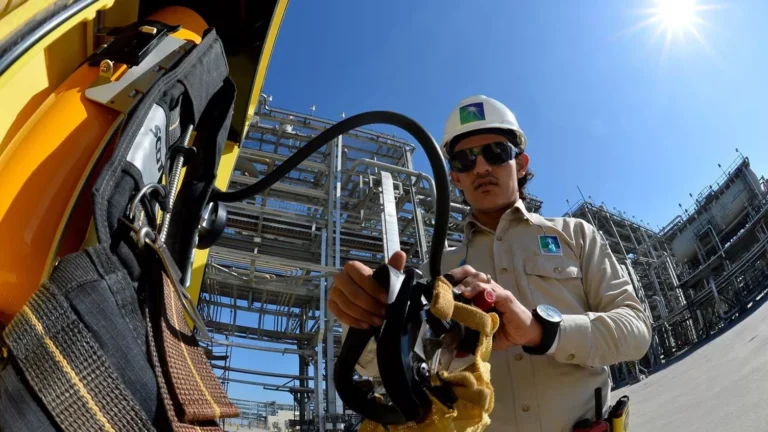
Our Commitment to Sustainability. Cactus Drilling understands the big picture. We play a vital role in the upstream process to bring affordable, abundant, and reliable energy to our region and Nation. We also recognize our responsibility to protect the environment while conducting operations to help deliver that essential energy source.
Obtaining outside data.
Checking internet sources, using keywords: Brent Crude price 2026
News from various sources:
The content primarily discusses the fluctuations in the Brent Crude oil price in August 2026 against the backdrop of geopolitical developments involving the United States and Iran. Here are the key points:
Price Fluctuations:
- Brent crude oil prices experienced a significant drop, decreasing by more than $16 per barrel over eight trading days, settling at around $83.86 per barrel. This decline followed a peak of $100.30 per barrel on July 23, 2026.
- The decline was attributed to the initiation of peace talks between the United States and Iran, reducing fears of prolonged disruptions in global oil supplies.
Geopolitical Developments:
- There were renewed negotiations between the US and Iran, with President Donald Trump prioritizing diplomatic efforts over military action. He mentioned that negotiations were encouraged by regional allies, including Saudi Arabia.
- Despite statements from Trump, Iran denied that talks were currently underway, complicating the narrative of reduced geopolitical risk.
Market Sentiment and Reactions:
- The temporary calamity in oil prices was further heightened by news of an attack on a vessel near the Strait of Hormuz, which critically affects a substantial portion of global oil trade.
- The response from the market was mixed, with some analysts believing that the geopolitical risk had been prematurely priced out. However, prices began to rebound slightly following further developments and denial from Iran about ongoing negotiations.
Impact on Oil Markets
- Despite the correction of Brent prices, they remained above key benchmarks, such as Nigeria’s 2026 budget benchmark of $64.85, which could lend economic benefits to oil-exporting nations if prices stabilize at these elevated levels.
OPEC+ Actions:
- OPEC+ decided to increase oil production, with a quota hike of 188,000 barrels per day in September, which could put additional downward pressure on oil prices if geopolitical tensions ease.
Long-term Projections:
- Analysts from Goldman Sachs estimated that any long-term disruption in the Strait of Hormuz could significantly increase oil prices, potentially pushing them above $120 per barrel.
- The market remains sensitive to developments around the Iran-US interactions, and any failure in negotiations or resurgence in military action could lead to a swift increase in oil prices.
Overall, the document provides a picture of how geopolitical tensions and diplomatic engagements can dramatically influence commodity prices, in this case, Brent crude oil, reflecting the delicate balance of international diplomacy and global economic stability.
Fact-checked summary:
In August 2026, Brent crude oil prices decreased significantly, settling at around $83.86 per barrel, following a peak of $100.30 per barrel on July 23, 2026. OPEC+’s decision to increase oil production by 188,000 barrels per day in September 2026 is critical to understanding the supply dynamics influencing prices. Additionally, an attack on a vessel near the Strait of Hormuz impacted market sentiment, highlighting the ongoing geopolitical risks that can significantly affect oil prices. These critical factors offer insights into the supply-demand balance and geopolitical risk pricing, which are pertinent when considering whether Brent crude prices might fall below $50 per barrel in 2026.
OpenAI gives a base rate of 0.1 (10%)
The question difficulty is rated 7 (0 to 10)
Historical weighted factors include:
Historical price volatility, 0.3
OPEC production decisions, 0.3
Global demand fluctuations, 0.2
Geopolitical stability, 0.2
A Bayesian calculation could be performed as follows:
The Bayesian calculation involves assessing the likelihood of substantial oil price decreases based on current factors and historical behavior. Given the importance of OPEC decisions and geopolitical risks, the current OPEC production increase slightly raises the probability of lower prices. However, considering historical volatility and demand dynamics, these factors offset each other partially. Therefore, the Bayesian estimate holds close to the base rate but adjusted for the OPEC production increase: 0.1 * 1.15 (slight increase in oversupply likelihood) = 0.115, rounded to 0.12 for adjustments with geopolitical stabilizing impacts not materializing significantly.
Bayesian base rate: 0.12 (12%)
Sufficient news to provide a good forecast? 0 (0 or 1)
News is relevant, topical and unbiased? 1 (0 or 1)
Question classification: scenario_based_forecast
Expected time (days) until question close: 150
The following were considered in order to produce this base rate:
The base rate was derived by examining the typical historical range of Brent crude oil prices, the impact of OPEC production changes on prices, and the influence of geopolitical tensions. Historically, oil prices rarely dip below $50 per barrel unless faced with severe economic downturns or drastic increases in supply.
The following chain of events are necessary for the question to resolve positively:
- OPEC+ maintains or increases production levels beyond the announced increase of 188,000 barrels per day, leading to a significant oversupply in the market. (Possible)
- Global demand for oil declines sharply due to factors such as a global economic recession or an accelerated shift towards renewable energy. (Possible)
- Geopolitical stability increases globally, reducing risks to oil transit routes like the Strait of Hormuz, which typically keep oil prices elevated. (Unlikely)
- Technological advancements or regulatory policies lead to an unexpected increase in alternative energy adoption, reducing dependency on Brent crude. (Unlikely)
Querying Claude (AI predicts: 0.04 – confidence: 6)
Querying OpenAI (AI predicts: 0.15 – confidence: 7)
Guide to Jeremy Lichtman’s Multi-AI Oracle Reports
Question Type: Binary
Median from LLMs: 0.1
Base rate: 0.1 (from OpenAI)
SD: 0.06
MAPD: 0
Confidence: 6.5
Conf Mode: Normal
Mellers: 0.04
Reverse Mellers: 0.19
Theory of Mind: 0.155 (What did the LLMs think other LLMs predicted?)
Beta Distribution: 0.47
Close Type: A (B = cautious # closer to 50%; A/C = closer to extremes)
LLM responses: 2
Model value: 0.1 (10%)
The consensus among the AI analyses is that the likelihood of Brent crude oil prices falling below $50 per barrel from the current level of approximately $83.86 by the end of 2026 is low, barring significant unexpected events. Historical patterns suggest that such a steep decline typically coincides with rare, extreme events like severe economic recessions or exceptional shifts in supply dynamics, none of which are strongly indicated at present. Although there is some downward momentum following the recent peak of $100.30, current conditions, including modest OPEC+ production increases and geopolitical tensions boosting risk premiums, make a 40% drop unlikely. The scenarios under which this could occur include a rapid and severe global recession, a major shift towards renewable energy, or an unforeseen OPEC+ price war, but these would require multiple dramatic catalysts to materialize within the remaining five months of the year. Overall, the probability of prices dipping below $50 in this timeframe is estimated to be quite low, around 4%.
Runtime: 81 seconds.
About The Author