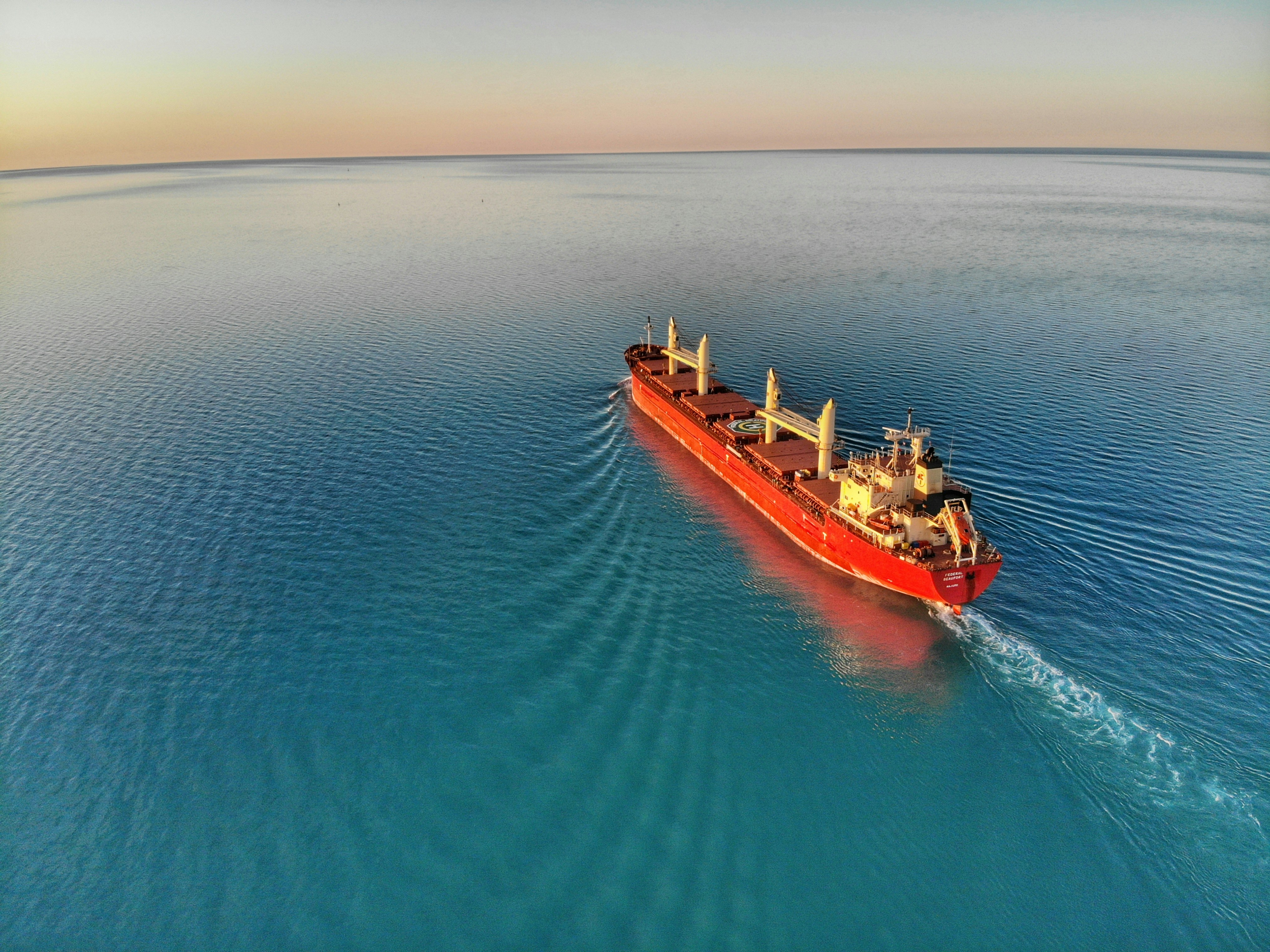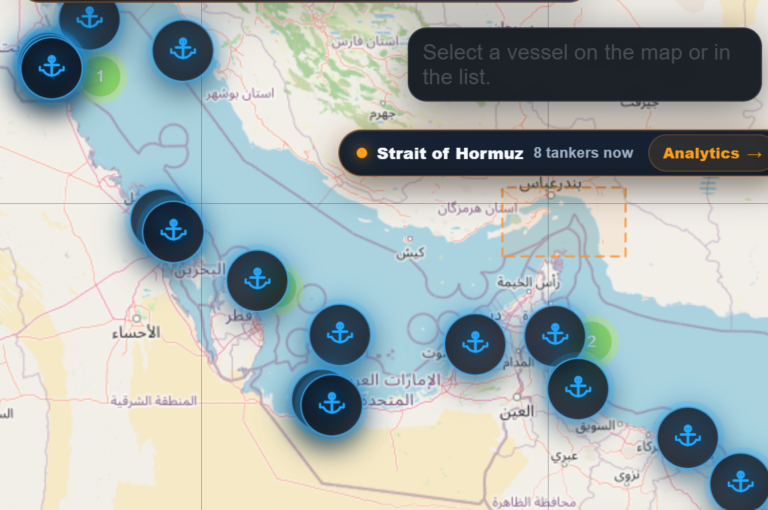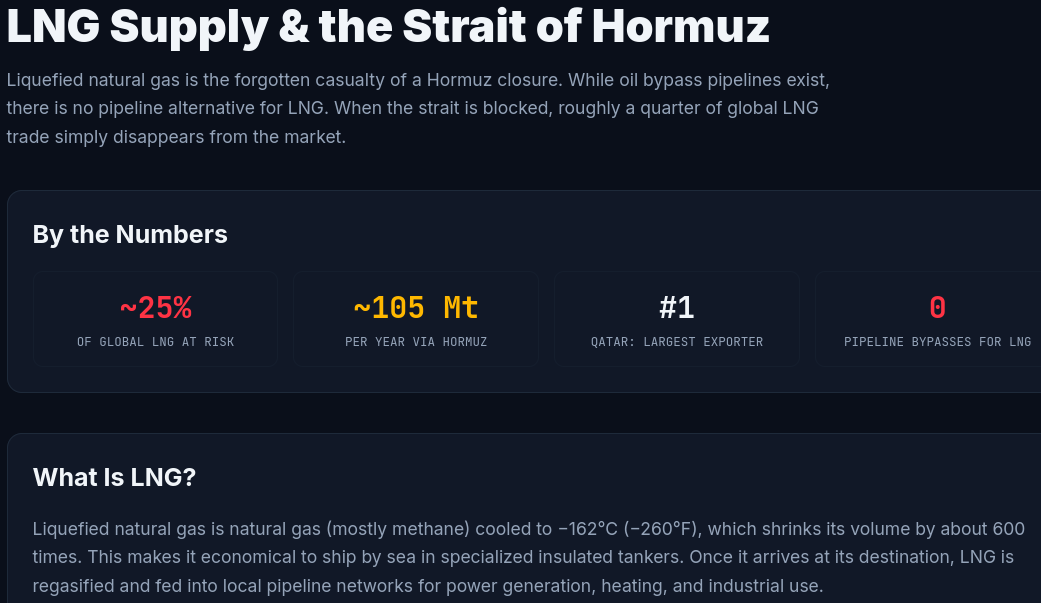
LNG Explainer. Source: https://hormuzstraitmonitor.com/lng-explained/
Grok response:
The Strait of Hormuz remains severely restricted or effectively closed to normal international maritime LNG traffic as of July 23, 2026, with no full reopening reported in major outlets.[1]
Ongoing US-Iran hostilities, including attacks on vessels in early-to-mid July, have reversed earlier partial recovery efforts following a June 2026 MoU.[2]
Recent data shows LNG-specific transits halted since July 11, 2026, with overall tanker traffic at multi-week lows amid renewed escalations.[3]
Here is a list of 10 key recent sources (prioritizing July 2026 publications):
- Kpler blog: “No LNG tankers cross Strait of Hormuz since July 11” (published ~July 2026, data as of mid-July)
This reports that the last known LNG carrier transit was on July 11 (Adnoc-operated Al Hamra); none have entered or exited the MidEast Gulf since. 21 LNG carriers remain trapped in the Gulf, directly tied to escalating US-Iran conflict and attacks on vessels.[1] - CNBC: “Strait of Hormuz traffic: renewed U.S.-Iran conflict chokes Hormuz” (published ~July 21, 2026)
Lloyd’s List and Kpler data show just 40 vessels transited July 17-19 (avg. ~13/day), down sharply; tanker/gas carrier movements fell to 30 crossings from 90 the prior week. This reflects immediate deterioration after July 15 blockade resumption amid hostilities.[2] - Reuters: “Traffic slows through Strait of Hormuz as Iran tensions flare” (July 10, 2026)
LNG and oil tanker traffic hit its lowest daily level since June 28 on July 10 (10 ships vs. 14-22 earlier); overall still far below pre-war 125-140 daily average despite some ballast LNG entries. Japan-linked vessels continued limited movements, but broader slowdown tied to flare-ups.[3] - Al Jazeera: “Strait of Hormuz: What has happened since the US-Iran MoU on June 17” (July 9, 2026)
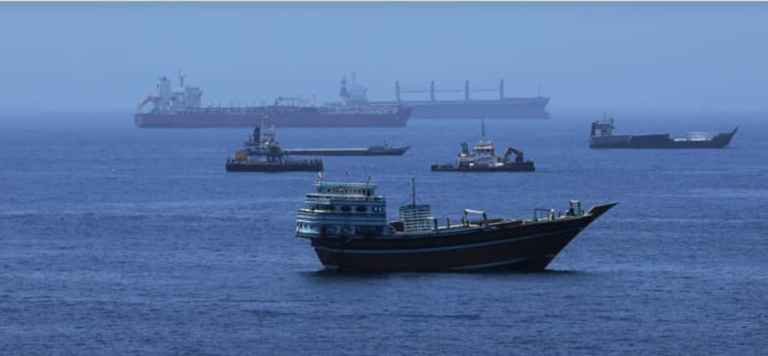
The waterway had reopened post-June 17 MoU but traffic averaged only 28 ships/day (513 total June 18-July 5) vs. pre-war ~100/day. Many ships remain stuck; renewed cloud over passage due to ongoing tensions and attacks (e.g., on Qatari LNG tanker).[4] - Wikipedia: “2026 Strait of Hormuz crisis” (updated through July 2026)
Shipping largely blocked by Iran since Feb 28, 2026; details July incidents including strikes on Qatari LNG tanker Al Rekayat and Saudi oil tanker Wedyan on July 6-7. Notes temporary reopenings followed by re-closures amid US-Iran exchanges.[5] - Energy Intelligence: “Hormuz LNG Traffic Stalls After US-Iran Hostilities Resume” (July 14, 2026)
LNG traffic through Hormuz stalled post-attack on Qatari vessel and military exchanges; expected to return only to pre-MOU (low) levels, not normal operations, due to security deterioration.[6] - WTO Data Lab Strait of Hormuz Trade Tracker (June 29, 2026 update)
LNG outbound shipments show no meaningful progress post-June MoU, with seven-day moving average near zero and no AIS-traceable LNG transits to outside destinations. Recovery uneven; LNG/fertilizer segments largely at standstill.[7] - LinkedIn post by Carolyn Meinel (referencing July 16, 2026 status)
States the Strait remains severely restricted for international maritime traffic, including LNG, as of mid-July amid conflict. Highlights ongoing halt despite earlier partial easing.[8] - Baird Maritime / Reuters shipping data (June 23, 2026)
Early signs of recovery post-June MoU with some empty Qatar LNG tankers entering, but this predates July escalations and attacks that reversed gains. Traffic far from normalized.[9] - CFR / other analysis on MoU fragility (early-mid July 2026 updates)
The June 17 US-Iran ceasefire/MoU aimed at reopening but is unraveling; no return to pre-conflict LNG/oil flows, with risks persisting from mines, insurance, and renewed strikes.[10]
No major news outlet as of July 23, 2026, reports a full reopening to all international LNG traffic. Recent trends point to further restriction rather than normalization in the remaining days before July 31. Expert shipping data (Kpler, Lloyd’s) consistently shows LNG-specific flows at zero or near-zero post-July 11.
=== Forecast Result ===
Current Status Assessment
As of July 23, 2026, with 8 days remaining until resolution:
LNG traffic status:
- No LNG tankers observed transiting Hormuz since July 11-16, 2026 (sources vary slightly)
- 21 LNG carriers reportedly trapped in the Gulf
- 10-day moving average of laden LNG transits fell to near 0
- Overall tanker traffic at 1-2 transits/day (vs. pre-war 125-140/day)
Formal status:
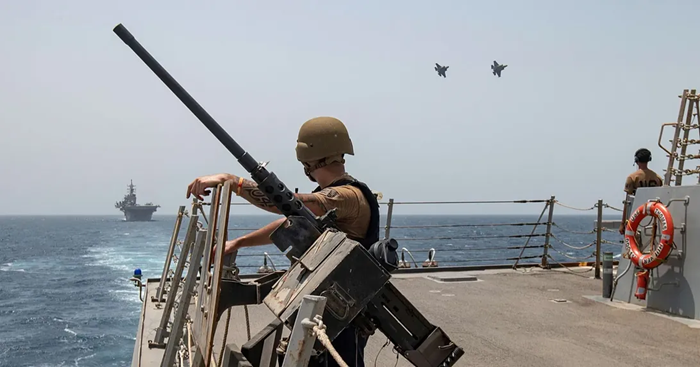
- Dual US-IRGC blockades reinstated
- IranWarLive tracker labels strait as “CLOSED”
- IRGC Navy explicitly stated no transit permits while US “hostile actions” continue
- June 17 MoU effectively defunct; President Trump dismissing ceasefire
Key Assumptions to Test
Assumption 1: The political/military stalemate continues through July 31
- Evidence strongly supports this: collapsed MoU, no negotiations progress, explicit blockade declarations from both sides
- Probability this assumption is WRONG (sudden breakthrough): ~4%
- Even in June’s MoU scenario, reopening to “all” international LNG traffic took days after agreement
Assumption 2: Even a partial political agreement would achieve “all international maritime LNG traffic” resumption within the window
- Resolution requires traffic to be “no longer halted or severely restricted”—a very high bar
- Historical precedent: June MoU opened strait to ~28 ships/day (still well below pre-war 100+/day normal)
- Probability this assumption allows Yes resolution even with partial deal: ~2%
Assumption 3: Research accurately reflects ground truth as of July 23
- Research is very recent (July 19-22), multiple corroborating sources
- Probability significantly outdated: ~3%
Timeline Analysis
- Probability of reopening in next 8 days: ~3%
- Probability of reopening in next 30 days: ~10-15%
- Probability of reopening in next 6 months: ~40-60% (given historical conflict resolution patterns)
The 8-day window is extremely tight. The base case (no change) strongly favors continued closure. Both sides have made explicit statements about maintaining blockades. The required standard (“all international maritime LNG traffic no longer halted or severely restricted”) is very demanding. Historical base rate for such dramatic reversals in active military conflicts within 8 days is extremely low.
Adjusting for Historical Overconfidence
Since I should compensate for overconfidence and account for the ~35% historical resolution rate, and this situation clearly points to continued closure with very little evidence of imminent resolution, the base case is overwhelmingly “No.”
Probability: 3%
End
About The Author