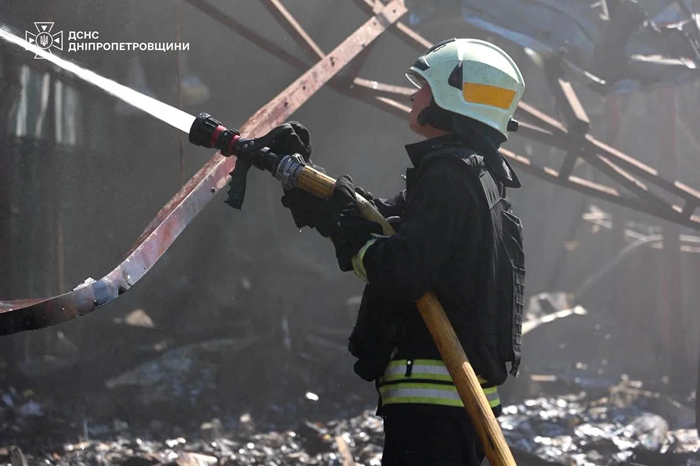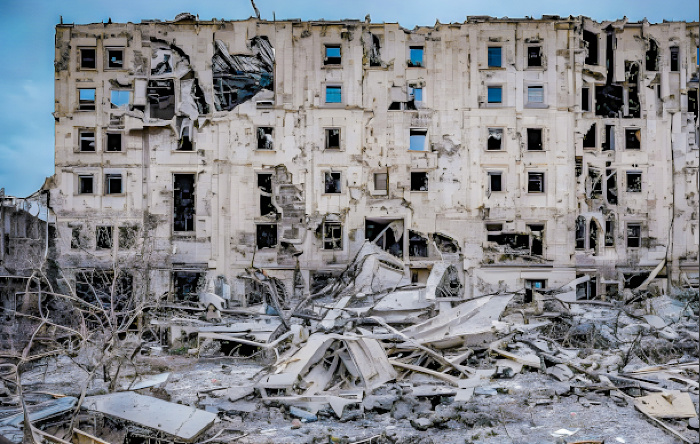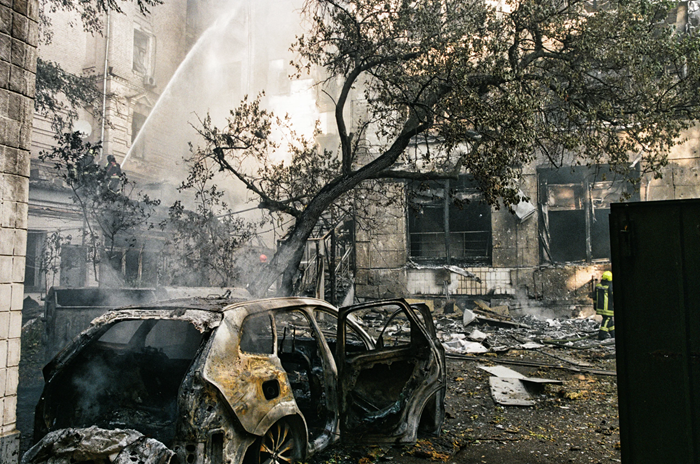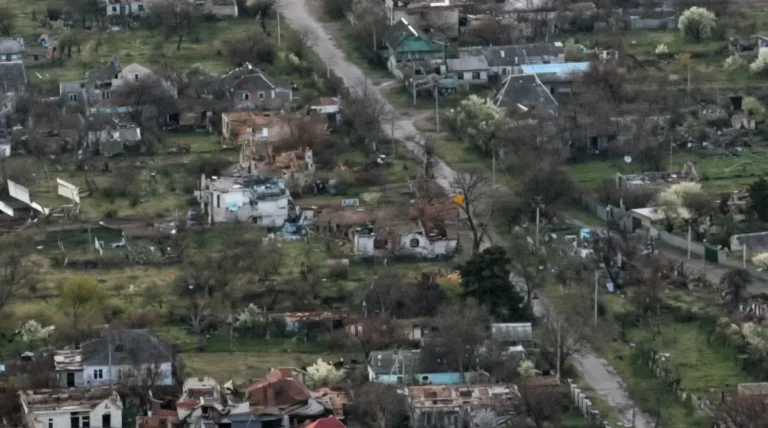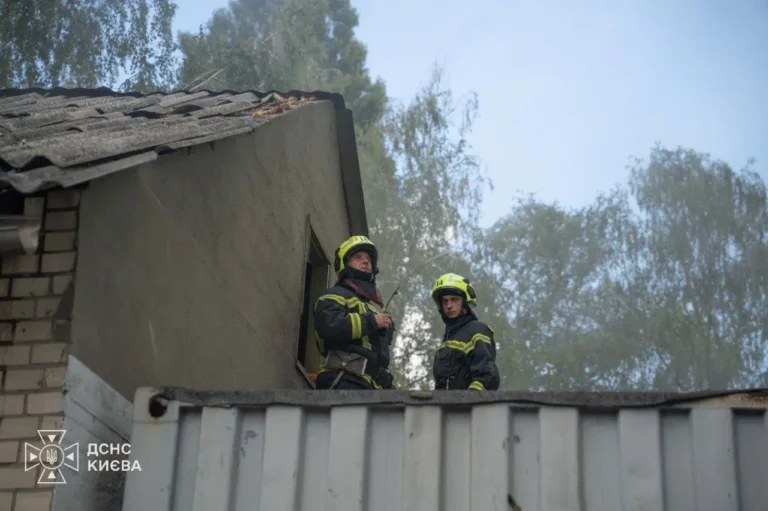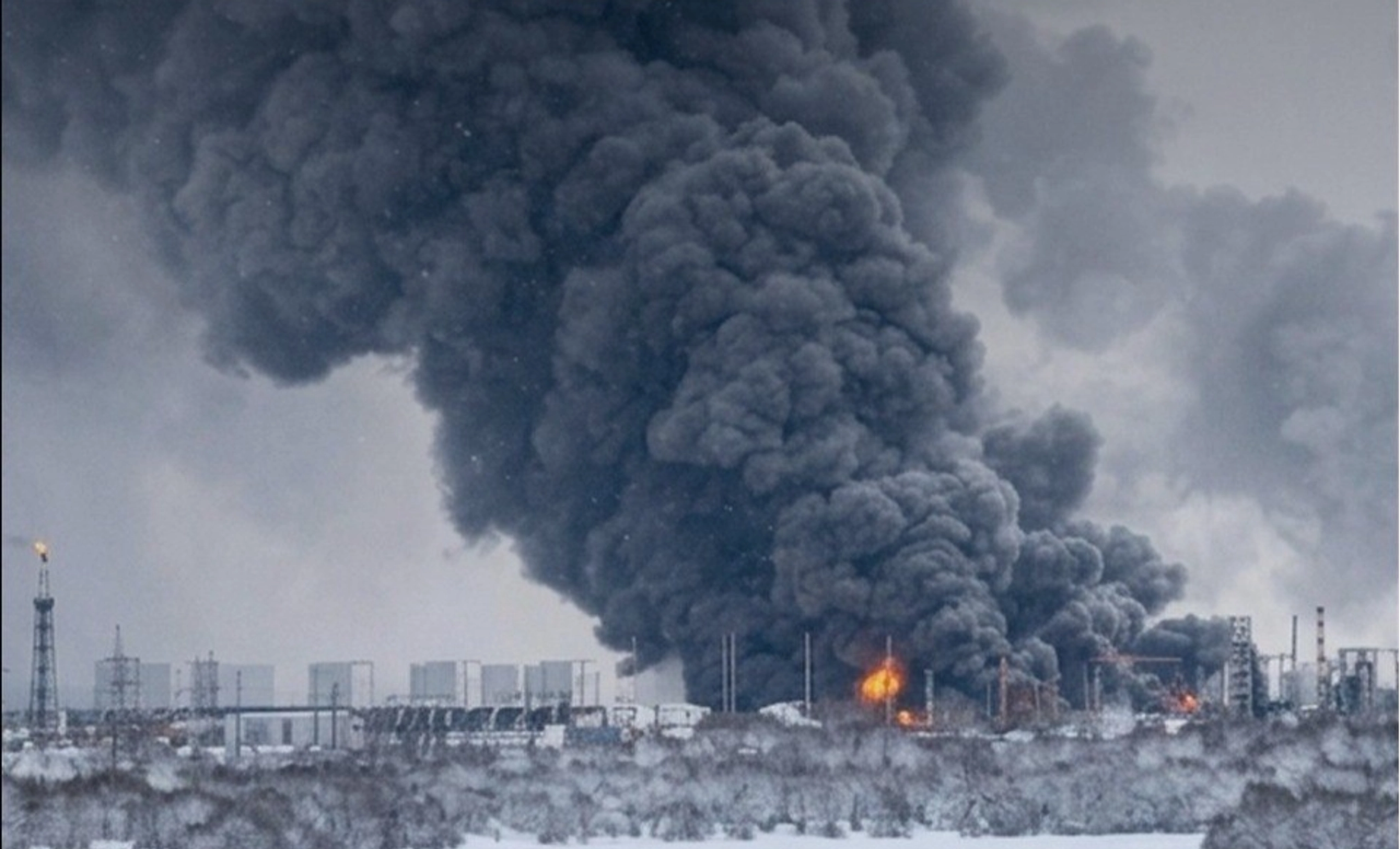
Aug. 14, 2026, the Strategic Communications Department of the Armed Forces of Ukraine published an image on Telegram showing a fire at an industrial facility with the caption: “We’ll warm ourselves with the fire of Russian oil refineries.” Source: Photo by Armed Forces of Ukraine, https://www.kyivpost.com/post/82362
Grok response:
Citations:
- Title: Russia dismisses idea of Black Sea ceasefire
Description: Reuters report on the latest diplomatic development regarding a potential limited truce.
Date: August 14, 2026
Summary: Russia rejected proposals for a Black Sea ceasefire, with spokeswoman Maria Zakharova calling them “half-measures” that would only give Ukraine temporary relief. She accused Ukraine of “brazen acts of terrorism” against shipping while noting no formal Turkish proposal had been received. Attacks on commercial vessels have driven up global grain prices, but Moscow sees no grounds for even a regional pause.[1] - Title: Zelenskiy: Ukraine has given US negotiators proposals for ending the war with Russia
Description: Reuters coverage of Ukraine’s latest peace initiative amid stalled talks.
Date: August 11, 2026
Summary: President Zelensky stated Ukraine submitted fresh proposals to U.S. negotiators Steve Witkoff and Jared Kushner for ending the conflict. Talks have been largely stalled since the Iran war erupted, though both sides expect U.S. visits soon. Zelensky also claimed Russia plans a new mobilization of hundreds of thousands after its September parliamentary elections.[2] - Title: Endgame: Russia’s war economy hits its limits
Description: Kiel Institute for the World Economy report analyzing Russia’s fiscal and structural situation.
Date: June 11, 2026
Summary: Russia’s liquid sovereign wealth assets have fallen to 1.8% of GDP from 6.5% at the war’s start, with Q1 2026 oil/gas revenues down 45% year-on-year and the budget deficit already exceeding the full-year target. Growth has stagnated near 0.4%, constrained by record labor shortages, inflation, and sanctions; dependence on China for trade and dual-use goods has grown sharply. Experts describe this as an emerging economic endgame creating an opening for tighter Western measures.[3] - Title: How Russia is luring foreign nationals to fight in Ukraine
Description: Deutsche Welle investigation into Russia’s global recruitment practices.
Date: July 22, 2026
Summary: Ukraine’s intelligence estimates Russia has recruited at least 27,000 foreigners from over 130 countries, often via deception promising civilian jobs before forcing them to the front; another 18,500 are targeted for 2026. Recruits from Kenya, Cuba, Bangladesh and elsewhere report being used as human shields, with high casualties and some cases amounting to human trafficking. Russia claims all participation is voluntary and has restricted recruitment from some “friendly” countries after diplomatic pressure.[4] - Title: Trump hopes for extension to agreed three-day Ukraine-Russia ceasefire
Description: Reuters report on the U.S.-brokered short truce.
Date: May 8, 2026 (updated May 9)
Summary: Russia and Ukraine confirmed agreement to a three-day halt in “kinetic activity” from May 9-11, including a 1,000-for-1,000 prisoner swap, following Trump’s public request. Both sides had previously accused each other of violating separately declared short ceasefires around Victory Day and Easter. Trump expressed hope it could be extended as a step toward ending the war.[5] - Title: Putin says he thinks Ukraine conflict ‘coming to an end’
Description: BBC coverage of Putin’s Victory Day remarks.
Date: May 10, 2026
Summary: Speaking after a scaled-back parade, Putin stated he believes “the matter is coming to an end” regarding the special military operation, while condemning Western backing for Zelensky. The comments coincided with the start of the U.S.-brokered three-day ceasefire and prisoner exchange. He offered no indication of dropping territorial demands.[6] - Title: Putin sticks to hardline stance on war in Ukraine, but says Trump ideas could bring peace
Description: Reuters on Putin’s latest public comments.
Date: June 5, 2026
Summary: Putin reiterated that Russia will achieve its military goals and insisted any deal must include Ukrainian withdrawal from all claimed territories plus recognition of annexations. He said Russia is prepared to honor “compromises” discussed with Trump in Alaska but Ukraine must also agree. He accused the EU of trying to prolong the conflict.[7] - Title: The Time Is Ripe for Russia-Ukraine Peace Talks, But Putin Could Escalate Conflict
Description: Council on Foreign Relations analysis of mid-2026 diplomatic window.
Date: July 10, 2026
Summary: Ukraine has halted Russian advances and conducted deep strikes, while Trump’s meeting with Zelensky at the NATO Ankara summit created some momentum. Putin still hopes Western support will wane but faces a more unified NATO. The article warns Putin might escalate militarily to strengthen his negotiating position before any serious talks.[8] - Title: Signs of an Imminent End to the Ukraine War Are Deceptive
Description: Carnegie Endowment assessment of 2026 prospects.
Date: February 18, 2026
Summary: Despite expectations that 2026 would be decisive, a lasting settlement remains unlikely due to incompatible territorial claims and Russia’s rejection of European security guarantees for Ukraine. Both sides have incentives to intensify fighting to improve their positions. Exhaustion and U.S. pressure could produce a freeze, but not a genuine end to hostilities.[9] - Title: Russia-Ukraine ceasefire in 2026?
Description: Metaculus community forecast on a bilateral ceasefire.
Date: Ongoing (community prediction as of mid-2026)
Summary: Forecasters assign roughly 13% probability to a bilateral ceasefire taking effect and lasting 30 days entirely within 2026. Short humanitarian pauses have occurred, but analysts emphasize the difficulty of a durable deal given maximalist positions. Most expect the war to continue well into 2027.[10]
Detailed Rundown:
The most recent diplomatic activity shows no momentum toward a new or extended pause. On August 14, Russia publicly dismissed even a limited Black Sea ceasefire proposal (aimed at protecting grain shipping) as unacceptable “half-measures.” Putin has mixed “the war is coming to an end” rhetoric (May) with repeated insistence on maximalist conditions (June).[1]
The Russian economy is widely described as approaching an “endgame”: fiscal buffers largely exhausted, official 2026 growth forecast cut to ~0.4% (with Q1 contraction), oil/gas revenues collapsing in early 2026 before a temporary Iran-war oil-price boost, persistent inflation, and severe labor shortages. Military spending remains high (~8-9.5% of GDP). Russia has ramped up recruitment of foreigners—estimates of 27,000-42,000 already enlisted from 130+ countries, with 18,500 more targeted this year, often from Africa, South Asia, and Latin America via deceptive job offers. These fighters are frequently used in high-casualty roles. North Korean troops have also been reported. This aligns with the “increasing use of mercenary soldiers recruited from around the world.”[3]
Battlefield dynamics remain attritional. Russia controls roughly 19-20% of Ukraine and has made slow territorial gains in 2026, but Ukraine has blunted larger offensives, conducted deep strikes, and received continued (if politically variable) Western support.[8]
=== Forecast Result ===
Analysis of Ceasefire/Armistice Probability in Ukraine (August 14 – December 31, 2026)
=== Reasoning ===
Key Facts from Research
What has already happened in 2026 (before today):
- Easter ceasefire (April 2026): Short humanitarian pause
- May 9-11 ceasefire: Mutually agreed 3-day halt brokered by Trump administration with prisoner swap
- Both of these do NOT count for resolution (must happen AFTER August 14, 2026)
Current situation (August 14, 2026):
- Russia just today dismissed the Black Sea ceasefire proposal as “half-measures”
- Zelensky submitted new proposals to U.S. negotiators on August 11
- Russia expects new mobilization post-September parliamentary elections
- No major diplomatic breakthrough visible
- Active high-intensity combat continues
Structural Factors
Against a ceasefire (August-December 2026):
- Russia explicitly rejected even a limited Black Sea truce today
- Russia’s stated position requires “root causes” addressed (equivalent to Ukrainian capitulation)
- Russia reportedly planning fresh mobilization after September elections
- Putin’s maximalist demands—full Ukrainian withdrawal from four claimed oblasts—are incompatible with Ukraine’s red lines
- Both sides conducting high-intensity operations
For a ceasefire (August-December 2026):
- Russia’s war economy is approaching structural limits (fiscal buffers at 1.8% GDP, oil revenues down 45%, near-zero growth)
- Russian foreign fighter recruitment indicates domestic manpower problems
- Trump administration maintains active pressure; Witkoff and Kushner visits expected
- Holiday patterns in 2026 produced two short pauses (Easter, Victory Day); Christmas/New Year window remains
- Ukraine is actively proposing ceasefire terms
- The resolution criteria includes temporary ceasefires and regional ones
Base Rate Analysis
- Two officially declared short ceasefires occurred in ~5 months of 2026 = ~0.4/month
- Remaining time window: ~4.5 months
- But Russia is now in a distinctly harder stance than April-May
- Russia’s economic pressure may eventually force pragmatism, but timeline is uncertain
- Metaculus community estimates ~13% for a lasting 30-day ceasefire; since any declared ceasefire qualifies here (including temporary ones), I adjust upward
Critical Assumptions
Assumption 1: Russia maintains its current maximalist/hardline stance
- Probability this assumption holds: ~75-80%
- If Russia softens (due to economic pressure, U.S. ultimatum, or military setback): probability of ceasefire jumps to 50-60%
- Contribution to overall probability adjustment: ~5-8% upward
Assumption 2: Resolution criteria includes temporary/limited ceasefires
- The background explicitly states “A ceasefire is temporary or might only cover one region”
- This lowers the bar considerably from a full armistice
- This is the most permissive interpretation, and one that the background seems to support
Assumption 3: U.S. brokered pressure remains a viable pathway
- The May 9-11 ceasefire showed Trump can pressure both sides into short pauses
- Probability Trump again pushes for a holiday-season pause (especially around Christmas): ~20-25%
- Given Russia’s current hardline posture, probability Russia accepts even a Trump-brokered pause: ~30%
- This pathway contributes ~6-7% to overall probability
Timeline Probabilities
- Ceasefire in remaining August 2026: ~3%
- Ceasefire in September 2026: ~5% (Russia in election mode, mobilization planning)
- Ceasefire in October 2026: ~7%
- Ceasefire in November 2026: ~8%
- Ceasefire in December 2026: ~9% (holiday window, economic pressure peaks)
- Combined (accounting for correlation): ~25-28%
The prior occurrence of two short ceasefires in 2026 before today suggests these events are not impossible, but Russia’s dramatically hardened stance in August (rejecting even the Black Sea limited truce) marks a more hostile posture than during the May negotiations.
Adjusting for superforecasting conservatism and the fact that ~65% of questions resolve negatively in competition settings, I anchor around 22-26%.
Probability: 22%
About The Author