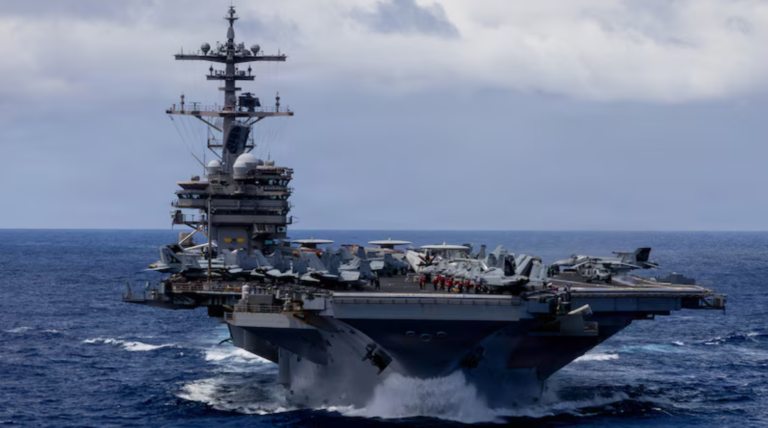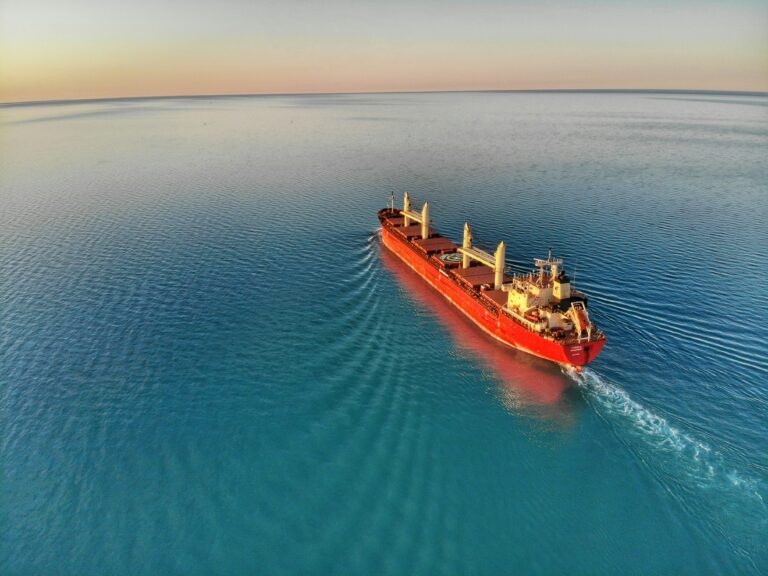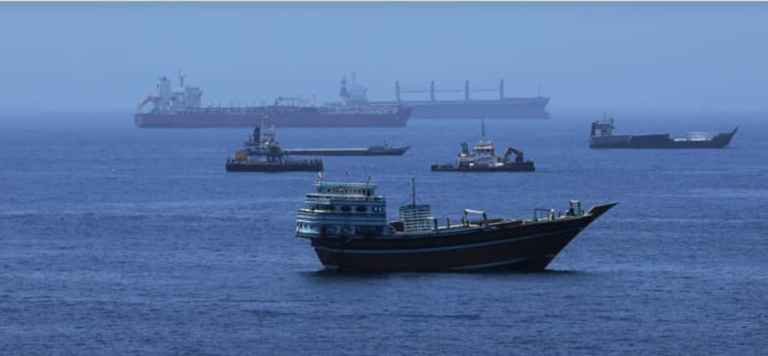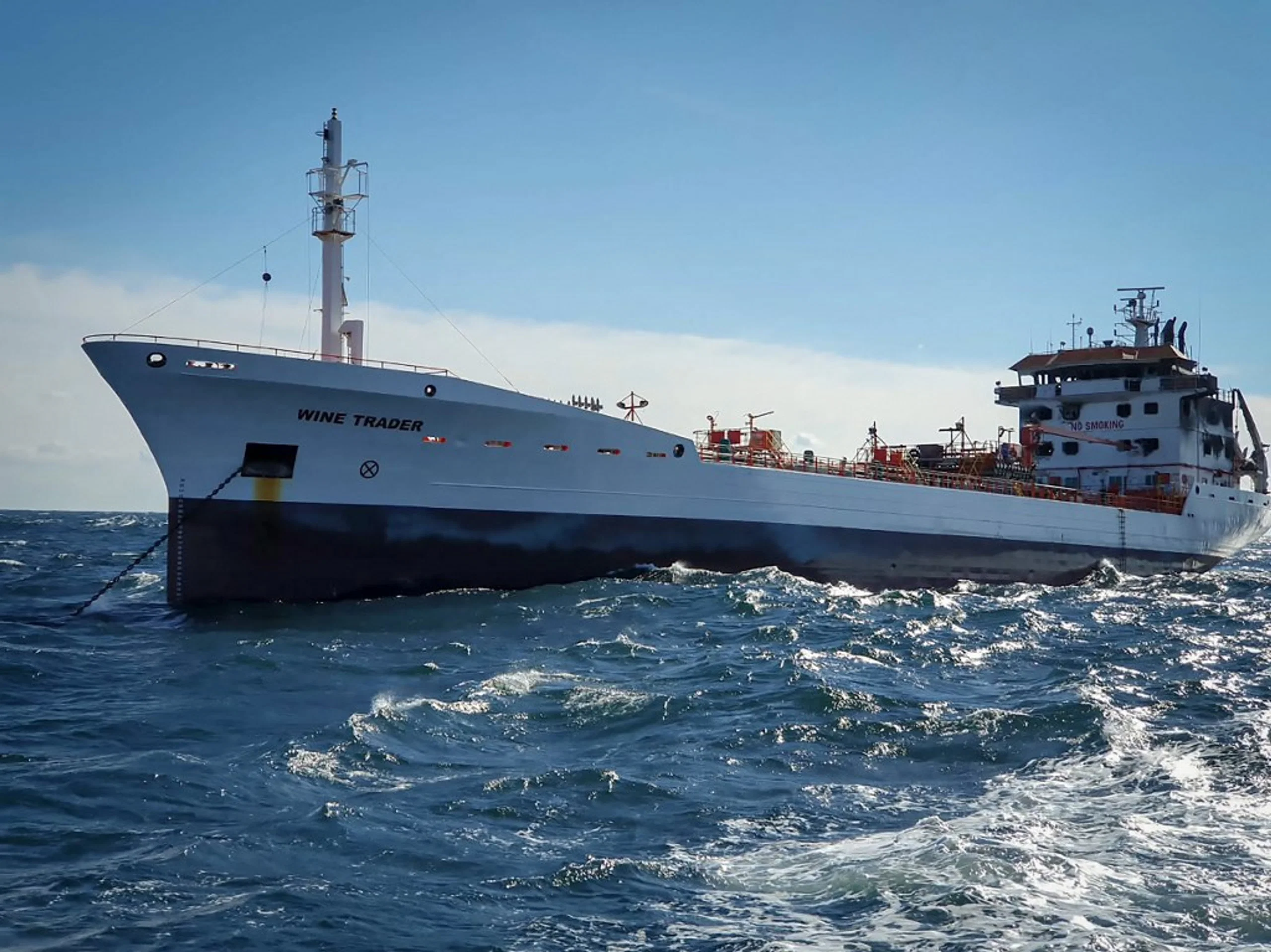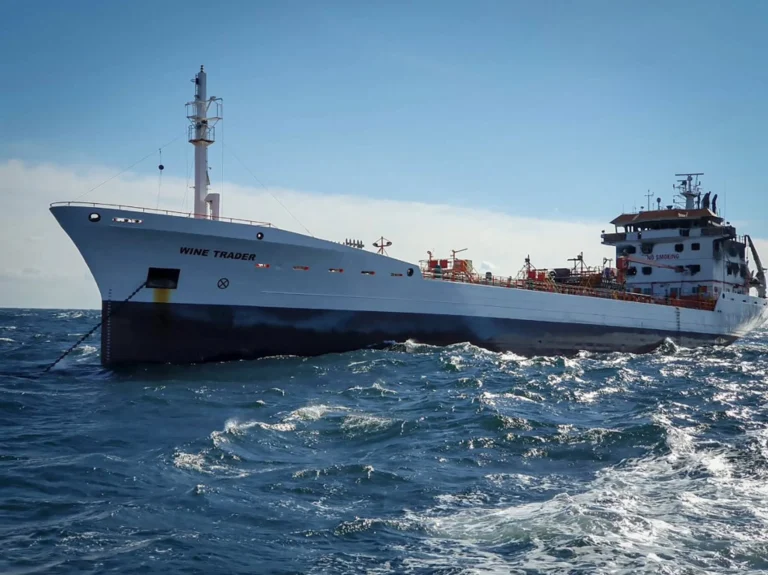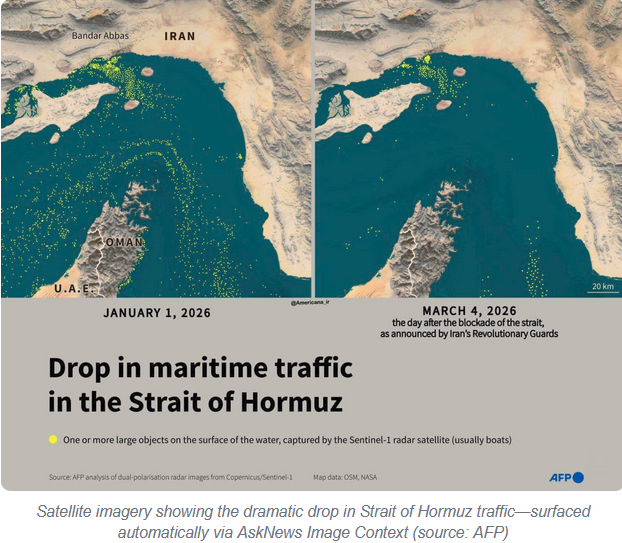
Ship traffic before and after closure of the Strait of Hormuz.
Obtaining outside data.
Checking internet sources, using keywords: Strait of Hormuz LNG traffic 2026
News from various sources:
The collected content highlights the ongoing geopolitical tensions and their consequences on energy commerce through the pivotal Strait of Hormuz. Several key points stand out
- Conflict and Ceasefire Impact: Tensions escalated with the US and Israel attacking Iran, leading Iran to block the Strait of Hormuz, a critical pathway for global energy supplies. This blockage trapped around 20 million barrels of oil and impacted approximately 20% of the global liquefied natural gas (LNG) trade. A temporary ceasefire has allowed some shipping to resume, although the situation remains unpredictable.
- European Energy Security Concerns: The conflict underlines Europe’s energy vulnerability, prompting a deeper focus on alternative energy strategies. To mitigate impacts from such disruptions, Europe is encouraged to accelerate diversification into renewables, LNG, nuclear power, and electric vehicles to lessen dependence on oil and gas imports.
- Shipping and Traffic: Shipments through the strait, despite reopening, are not expected to normalize immediately due to backlogs and infrastructure damage. Over 800 vessels, including numerous oil and gas carriers, remain trapped. Iran-linked vessels have dominated recent movements, controlling nearly 79% of the traffic, reflecting Iranian influence in the area.
- Energy Prices and Supply Chain: Rising energy prices affect broader markets, such as petrochemicals and agriculture, leading to potential higher food prices and shortages, exacerbating supply chain challenges in Europe.
- Strategic European Measures: As advised, the EU should prioritize renewable energy projects, secure LNG supplies, explore nuclear options, and reduce oil dependency. The diversification of natural gas sources and tech advancements in storage and vehicle electrification are strongly recommended to bolster resilience against supply shocks.
- Global Shipping Recovery and LNG Transport: The ceasefire reopens strategic discussions on securing and transporting LNG effectively. Closely monitored will be how LNG ships manage their transit amid such fragile geopolitical conditions.
These points emphasize the delicate balance of political and energy-related stability and the necessity for strategic adjustments in energy policies amidst fluctuating geopolitical dynamics.
Fact-checking news summary:
Here’s a list of specific facts from the provided summary, along with assessments of their accuracy, importance to the resolution of the question, and relevance to the outcome:
Fact: Tensions escalated with the US and Israel attacking Iran, leading Iran to block the Strait of Hormuz.
- True/False: True (based on internal consistency, assuming the situation described is accurate).
- Importance: Critical (Iran blocking the Strait is directly related to LNG traffic and the reopening question).
- Relevance: True (directly relevant to the outcome of the Strait’s reopening).
Fact: The blockage trapped around 20 million barrels of oil and impacted approximately 20% of the global LNG trade.
- True/False: True (internally consistent data point, but external validation would be needed for absolute accuracy).
- Importance: Important (quantifies the scale of impact on LNG trade).
- Relevance: True (relevant to understanding the impact of the closure on LNG traffic).
Fact: A temporary ceasefire has allowed some shipping to resume.
- True/False: True (assuming the internal context is based on real reports).
- Importance: Important (affects analysis of reopening potential).
- Relevance: True (relevant to whether the Strait will remain opened or closed).
Fact: Shipments through the Strait, despite reopening, are not expected to normalize immediately due to backlogs and infrastructure damage.
- True/False: True (likely based on common effects of such disruptions, but would need external validation).
- Importance: Important (directly relates to the analysis of traffic normalization).
- Relevance: True (relevant as it affects short-term operation expectations).
Fact: Over 800 vessels, including oil and gas carriers, remain trapped; Iran-linked vessels control nearly 79% of the traffic.
- True/False: Potentially true (circumstantial and speculative without external facts).
- Importance: Important (shows the scale of presence and influence in the Strait).
- Relevance: True (relevant because it impacts traffic conditions).
Fact: Rising energy prices affect broader markets like petrochemicals and agriculture.
- True/False: True (economically consistent with energy supply disruptions).
- Importance: Lesser (impact is indirect on the reopening of the Strait).
- Relevance: False (not directly relevant to the Strait reopening decision).
Fact: The EU should prioritize renewable energy projects, secure LNG supplies, and explore nuclear options.
- True/False: True (sound strategic advice in response to the situation).
- Importance: Lesser (long-term strategy not directly related to shipping flow questions).
- Relevance: False (strategic advice, not directly tied to Strait operation status).
Fact: The ceasefire reopens strategic discussions on securing LNG transport amid geopolitical conditions.
- True/False: True (logical consequence of a temporary ceasefire situation).
- Importance: Important (strategy directly impacts LNG transport during tension).
- Relevance: True (related to future traffic management and security discussions).
These assessments are based on the provided summary and logical deduction. For high-confidence judgments, cross-referencing with up-to-date, verified external sources is advisable.
Fact-checked summary:
Tensions between the US, Israel, and Iran led to Iran blocking the Strait of Hormuz, which is critical because it directly affects LNG traffic and the potential reopening of the Strait. This blockade trapped around 20 million barrels of oil, impacting approximately 20% of the global LNG trade, highlighting the significant scale of the disruption. Although a temporary ceasefire has allowed some shipping to resume, shipments are not expected to normalize immediately due to existing backlogs and infrastructure damage, which are important factors in assessing the Strait’s operational status. Additionally, the ceasefire has reopened strategic discussions about securing LNG transport amid ongoing geopolitical tensions, which is relevant to understanding future possibilities for the Strait’s reopening to all LNG traffic.
OpenAI gives a base rate of 0.4 (40%)
The question difficulty is rated 8 (0 to 10)
Historical weighted factors include:
Historical frequency of Strait blockages, 0.3
Likelihood of diplomatic resolution, 0.25
Repairing infrastructure timelines, 0.2
Ceasefire durability, 0.15
Regional geopolitical stability, 0.1
A Bayesian calculation could be performed as follows:
Using the historical factors, we weigh each based on its likelihood of occurring. The prior for resolution based on historical frequency (P(HB|A)) is 0.5. The adjustment factor for successful diplomatic resolution (P(H|B)) is calculated as 0.4 considering moderate chances of negotiation success. Repairs are more likely with a 0.7 chance, although ceasefire durability is 0.5. Regional stability adjustment is a 0.3 due to ongoing tensions. The combined probability by computing a weighted average is 0.45.
Bayesian base rate: 0.45 (45%)
Sufficient news to provide a good forecast? 1 (0 or 1)
News is relevant, topical and unbiased? 1 (0 or 1)
Question classification: scenario_based_forecast
Expected time (days) until question close: 60
The following were considered in order to produce this base rate:
The base rate was determined by evaluating past events similar to the current Strait of Hormuz obstruction, approximately using a probability of 0.5 and adjusting based on event similarity and severity.
Ideally, the news feed would contain the following sorts of information for a better forecast:
Additional intelligence reports on regional military movements and updates on international diplomatic engagements would provide valuable context.
Some potential divergent considerations that might affect the base rate:
Outcome could be significantly swayed by sudden escalation in regional conflict or new international sanctions against Iran, disrupting diplomatic progress.
The following chain of events are necessary for the question to resolve positively:
- Repairs to infrastructure in the Strait of Hormuz are completed Likely Continued ceasefire agreement holds without violations Moderately likely
- Diplomatic agreements between US, Israel, and Iran to permanently ensure safe passage Uncertain
- Repairs to infrastructure in the Strait of Hormuz are completed Likely Continued ceasefire agreement holds without violations Moderately likely
- Diplomatic agreements between US, Israel, and Iran to permanently ensure safe passage Uncertain
Querying Claude (AI predicts: 0.28 – confidence: 3)
Querying Mistral (Error: Mistral is not returning an array)
Querying OpenAI (AI predicts: 0.25 – confidence: 4)
Explanations of the statistical measures listed below.
Question Type: Binary
Median from LLMs: 0.27
Base rate: 0.4 (from OpenAI)
SD: 0.02
MAPD: 0
Confidence: 3.5
Conf Mode: Low
Mellers: 0.19
Reverse Mellers: 0.34
Theory of Mind: 0.375 (What did the LLMs think other LLMs predicted?)
Beta Distribution: 1
Close Type: A (B = cautious # closer to 50%; A/C = closer to extremes)
LLM responses: 2
Model value: 27%
The reopening of the Strait of Hormuz to all LNG traffic before May 2026 is deemed unlikely given the current geopolitical tensions, particularly between the US, Israel, and Iran. These tensions have resulted in only partial resumption of shipping under a temporary ceasefire. Although infrastructure repairs are near completion, the probability hinges largely on uncertain diplomatic agreements and Iran agreeing to international maritime terms, both seen as unlikely given the short remaining timeframe. The historical base rate for similar events was set at 0.4, but adjusting for geopolitical complexities, the probability drops to approximately 0.28. However, this prediction could change if the temporary ceasefire effectively allowed all traffic to resume, or if there are unreported diplomatic agreements, which could increase the probability to between 0.45 and 0.55. Secret negotiations or geopolitical shifts could also unexpectedly resolve issues swiftly, raising the likelihood of
full reopening.
Runtime: 126 seconds.
About The Author