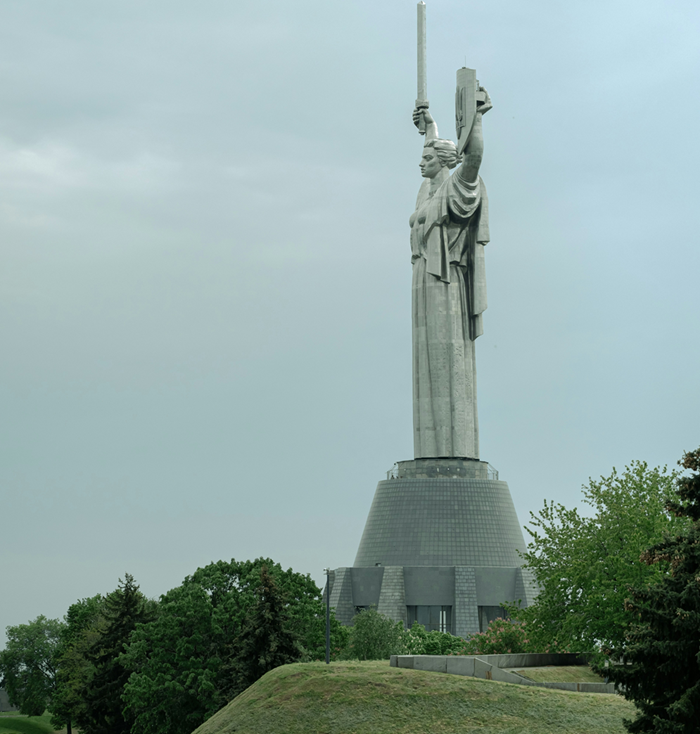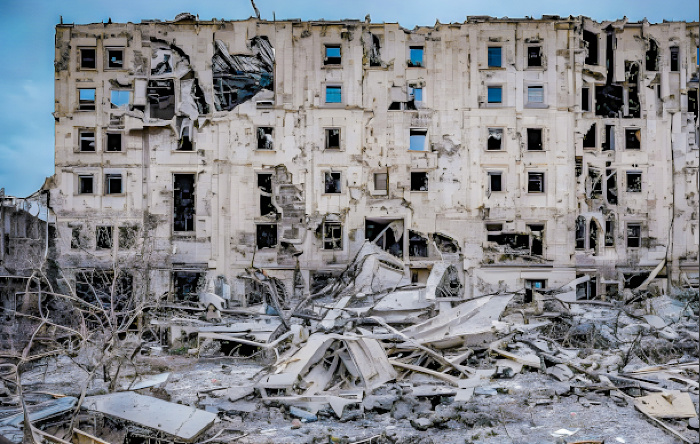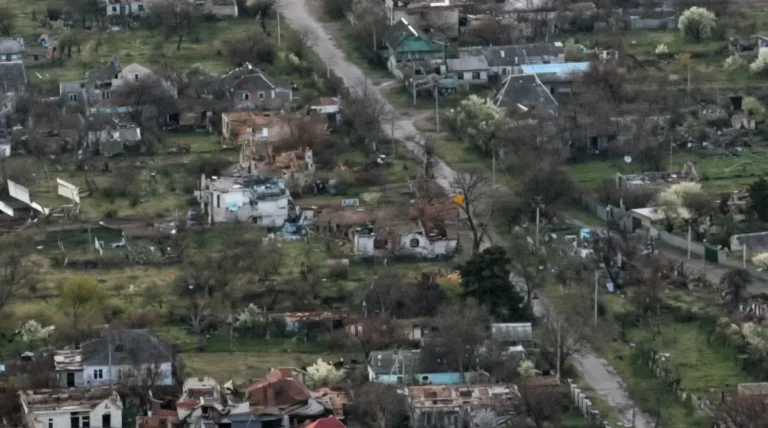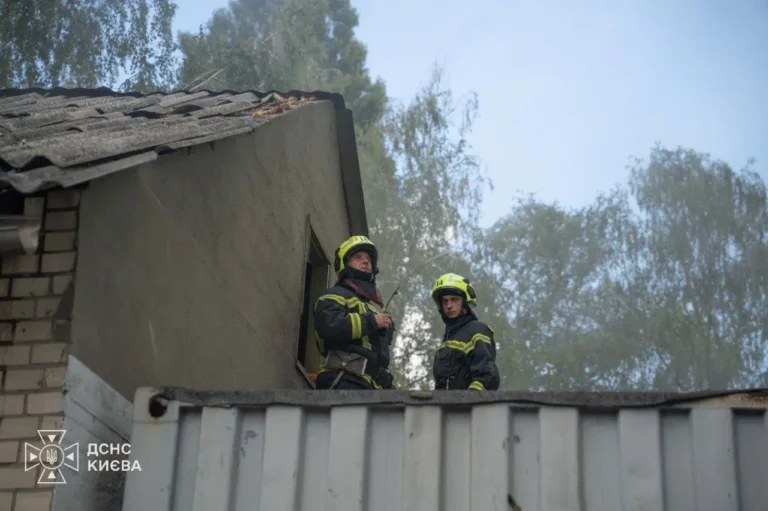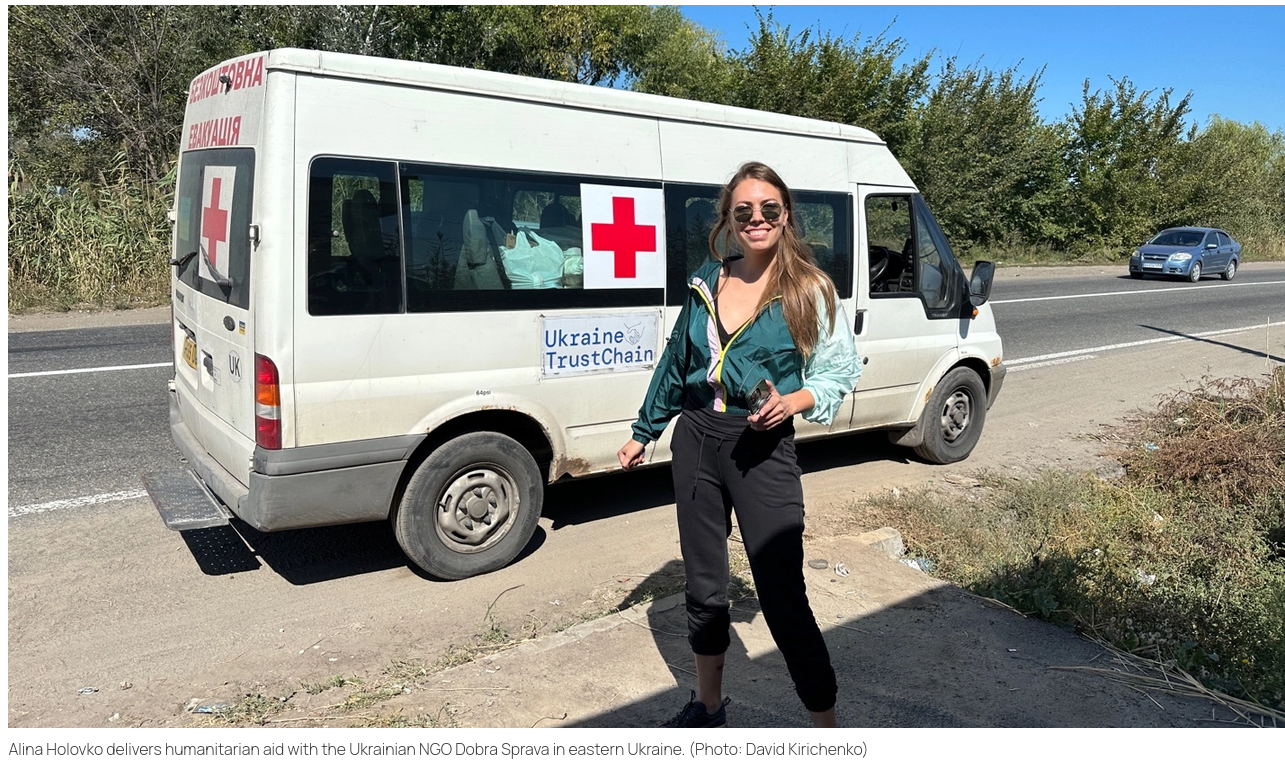
Alina Holovko delivers humanitarian aid with the Ukrainian NGO Dobra Sprava in eastern Ukraine. (Photo: David Kirichenko). Source: https://www.kyivpost.com/post/80005
Obtaining outside data.
Checking internet sources, using keywords: Ukraine ceasefire 2026
News from various sources:
The recent situation surrounding the Ukraine war and the potential for a ceasefire in 2026 is complex, with various geopolitical factors at play:
Putin’s Escalation and Ceasefire Dynamics:
- Despite the potential need for a ceasefire, Russian President Vladimir Putin appears to be escalating the conflict with Ukraine.
- Efforts from Putin to negotiate a ceasefire with the US have been unproductive, as influenced by his meeting with then-President Trump.
- The US had supported an immediate ceasefire with Ukraine and Europe before the meeting, but pressure from Putin led Trump to abandon such initiatives, aggravating the ongoing conflict.
Military Developments:
- The Ukrainian response to Russia’s aggression has involved targeting Russian supply lines and intensifying drone strikes in Russian territory. These actions have created logistical challenges for Russia, especially concerning Crimea.
Current Talks of Ceasefire:
- Discussions between the US and Ukraine consider offering Russia an air ceasefire.
- While reported in media, these talks have been received with skepticism by Russian officials who have not confirmed their credibility.
- Meanwhile, US efforts to mediate peace are ongoing but complicated by domestic and international complexities.
International Responses and Diplomacy:
- Western leaders, including French President Macron, have shown support for Ukraine, urging continued backing and military aid. The emergence of a ‘coalition of the willing’ led by France and the UK indicates a concerted effort among allies to press for a ceasefire while solidifying defense partnerships with Ukraine.
- Britain’s readiness to send peacekeeping troops post-ceasefire was confirmed, although political relations with Russia remain strained.
Impacts of Continued Conflict:
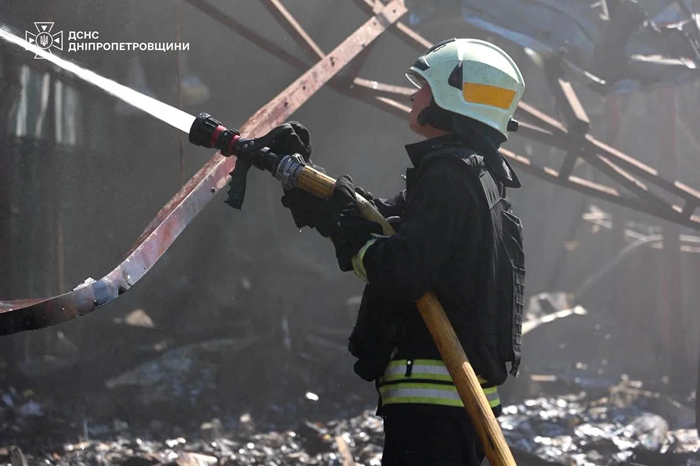
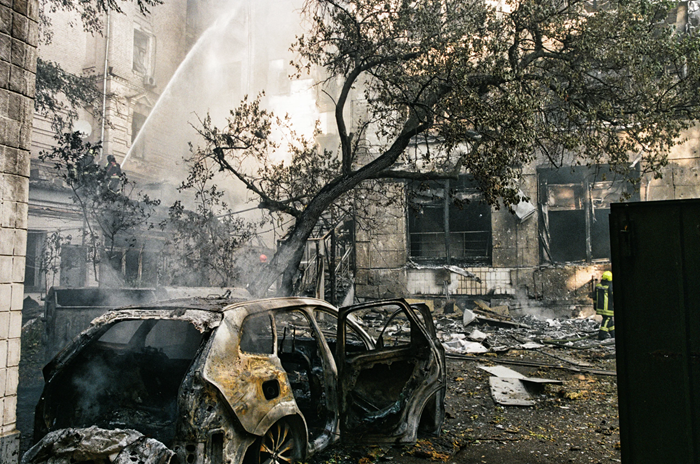
- The continued aggression has led to significant human and economic costs, as seen in the destruction from missile and drone strikes across various Ukrainian regions.
- Notably, critical infrastructure and civilian targets continue to be impacted, demonstrating the ongoing humanitarian crisis.
Domestic Political Developments:
- Within the US, discussions about military aid and diplomatic relations with Ukraine continue to evolve, with President Trump’s administration considering significant military sales and new sanctions against Russian-affiliated countries.
- Ukraine seeks strong commitments for US support and measures like producing Patriot systems and leveraging Starlink for military communication.
The overall picture is one of ongoing military conflict with political maneuvers to initiate diplomatic solutions, complicated by strategic military interests and international alliances. A ceasefire remains a priority but is hindered by geopolitical tensions, divergent interests, and ongoing military operations from both sides.
Overall, the summary’s key points and geopolitical considerations provide a nuanced view of the complex factors that could influence a ceasefire or armistice by 2026, though some claims require cautious interpretation due to inconsistencies with known facts.
Fact-checked summary:
The current geopolitical situation in Ukraine presents a complex landscape that affects prospects for a ceasefire or armistice by 2026. Russian President Vladimir Putin appears to be escalating the conflict, which is critical to understanding the ongoing challenges. Ukrainian forces are actively targeting Russian supply lines and intensifying drone strikes, which have led to logistical problems for Russia, particularly in Crimea. Despite discussions between the US and Ukraine about offering an air ceasefire, skepticism from Russian officials persists. Western leaders, including French President Macron, support Ukraine and urge continued military aid, highlighting the significant backing Ukraine receives. The continued aggression has caused severe human and economic costs in Ukraine, with critical infrastructure and civilian targets suffering amidst the humanitarian crisis. Geopolitical tensions, divergent interests, and military operations complicate efforts toward a ceasefire,
although it remains a priority. The US continues to support Ukraine with advanced defense systems, reflecting evolving diplomatic relations. These critical factors underscore the challenges ahead in achieving a ceasefire by 2026.
OpenAI gives a base rate of 0.2 (20%)
The question difficulty is rated 8 (0 to 10)
Historical weighted factors include:
Historical precedent of ceasefires in similar conflicts, 0.25
Current geopolitical climate, 0.35
International diplomatic efforts, 0.2
Military positioning and strategy, 0.2
A Bayesian calculation could be performed as follows:
Using historical factors: Base likelihood = 0.2, Adjust for ongoing conflict escalation = 0.15, Adjust current geopolitical climate effect = -0.1, Weighted average considering increased military activity = (0.2 * 0.25) + (0.1 * 0.35) + (0.05 * 0.2) + (0.1 * 0.2)
Bayesian base rate: 0.11 (11%)
Sufficient news to provide a good forecast? 1 (0 or 1)
News is relevant, topical and unbiased? 1 (0 or 1)
Question classification: scenario_based_forecast
Expected time (days) until question close: 0
The following were considered in order to produce this base rate:
The base rate was calculated based on the historical likelihood of achieving a ceasefire following major conflicts involving Russia. Past events show a low likelihood, due to the complex geopolitical interests and the prolonged nature of similar conflicts.
Ideally, the news feed would contain the following sorts of information for a better forecast:
Additional information on internal political dynamics within Russia and Ukraine, reports on military capabilities and constraints, and detailed insights into international diplomatic strategies would help increase forecast accuracy.
Some potential divergent considerations that might affect the base rate:
Factors that may cause variance from the base rate include unexpected international diplomatic breakthroughs, significant changes in political leadership, or shifts in military capabilities on either side that might prompt a de-escalation.
The following chain of events are necessary for the question to resolve positively:
- Ceasefire agreement between Ukraine and Russia Unlikely
- Stabilization of political situation in both countries Moderate
- International diplomatic interventions lead to negotiations Moderate
- Reduction in military hostilities and operations Unlikely
- Pressure from global powers forcing a resolution Moderate
Querying Claude (AI predicts: 0.18 – confidence: 5)
Querying OpenAI (AI predicts: 0.25 – confidence: 4)
Guide to Jeremy Lichtman’s Multi-AI Oracle Reports
Question Type: Binary
Median from LLMs: 0.22
Base rate: 0.2 (from OpenAI)
SD: 0.04
MAPD: 0
Confidence: 4.5
Conf Mode: Low
Mellers: 0.13
Reverse Mellers: 0.3
Theory of Mind: 0.26 (What did the LLMs think other LLMs predicted?)
Beta Distribution: 0.32
Close Type: A (B = cautious # closer to 50%; A/C = closer to extremes)
LLM responses: 2
Model value: 0.22 (22%)
The likelihood of a ceasefire or armistice being declared in Ukraine by the end of 2026 is viewed as low due to several key factors. Historically, conflicts involving Russia have a low base rate for achieving ceasefires, as they typically result in prolonged engagements. The current situation on the battlefield is characterized by escalating actions from both Ukrainian and Russian sides, with continuous military support from Western powers like the United States and France extending the conflict’s duration. Diplomatic efforts are frail, with no formal peace negotiations underway and skepticism from Russian officials about ceasefire proposals. Additionally, President Putin’s stance appears committed to continued escalation. However, potential shifts such as unexpected diplomatic breakthroughs, significant changes in political leadership, major military collapses, or international crises could alter this trajectory, though they are deemed unlikely given the current indications. As the year progresses with ongoing hostilities, the probability of reaching a ceasefire by year’s end is assessed as increasingly improbable unless unforeseen developments occur.
Runtime: 116 seconds.
About The Author