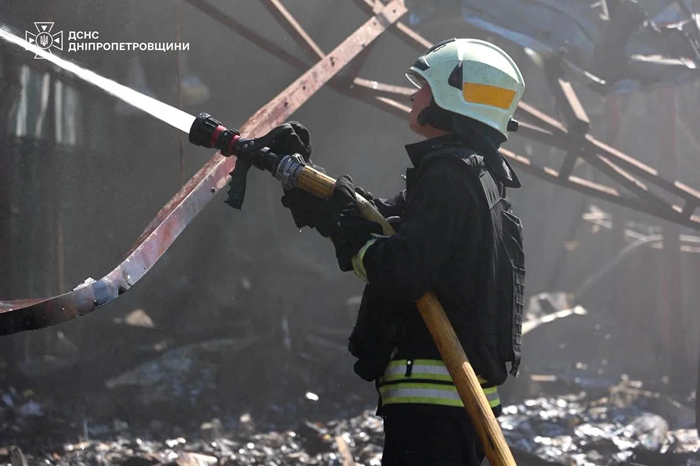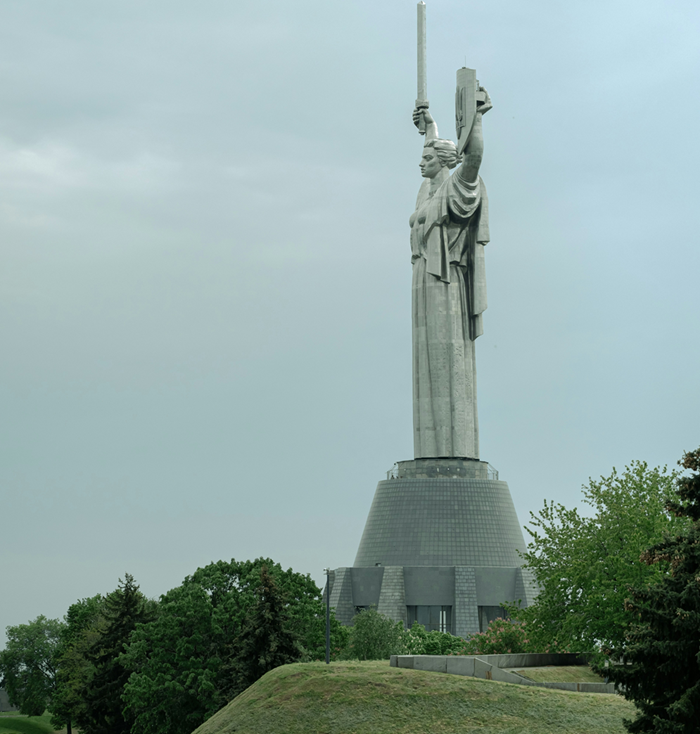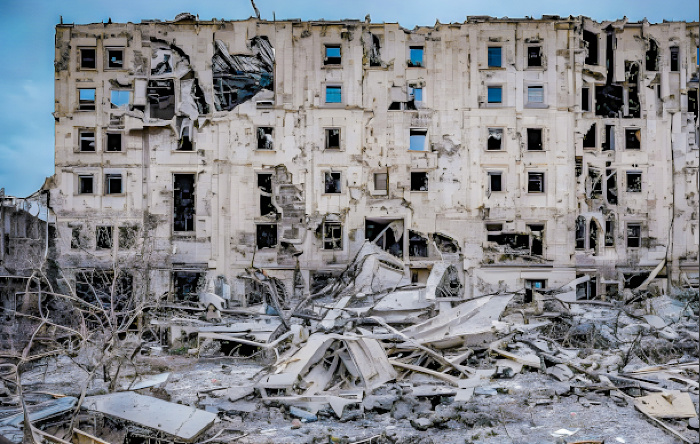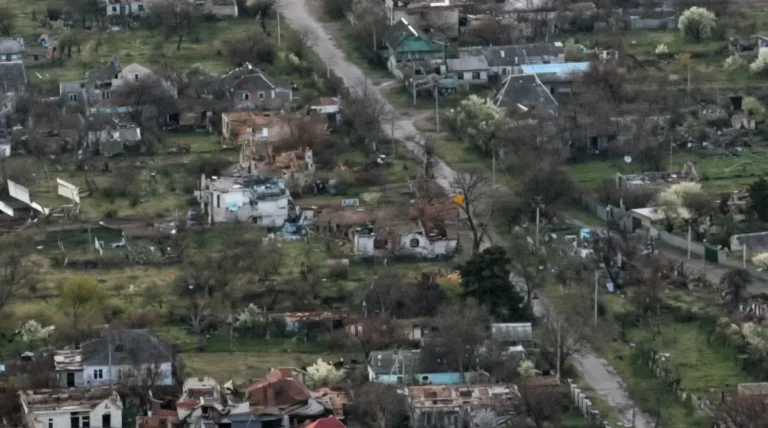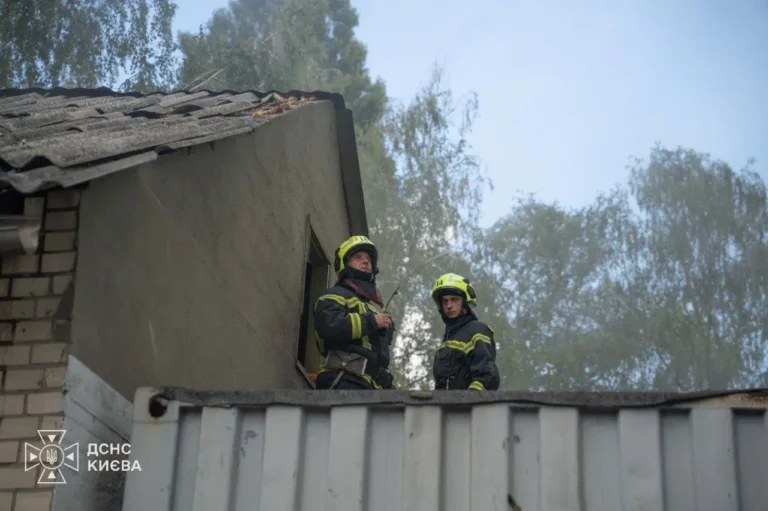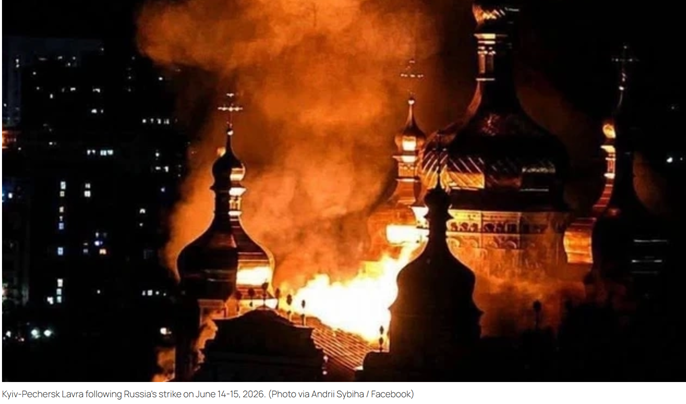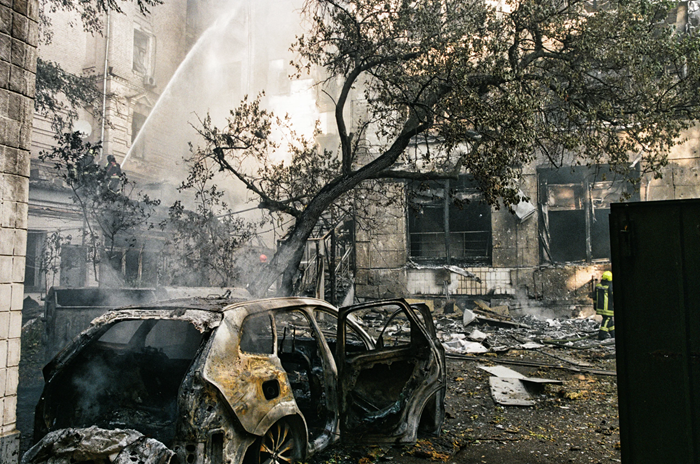
Fire burning at the Dobrobut medical center following a Russian aerial attack on Kyiv on Sept. 28, 2026, amid the Russian invasion of Ukraine. (Photo by Korbinian Leo Kramer) Source: https://www.kyivpost.com/post/85952
Obtaining outside data.
Checking internet sources, using keywords: Ukraine ceasefire 2026
News from various sources:
The content provided focuses on the ongoing conflict between Russia and Ukraine, particularly regarding ceasefire negotiations centered around energy targets. Here is a summary of the relevant information:
- Putin’s Stance: On October 1, 2026, Russian President Vladimir Putin rejected a proposal for a mutual ceasefire on long-range strikes with Ukraine. Putin emphasized that Russia would not agree to halt its attacks, arguing against the idea of stopping just because Ukraine has agreed to cease its attacks on Russian targets.
- Ukraine’s Position: Ukrainian President Volodymyr Zelensky has expressed a willingness to support an energy ceasefire, but only if the United States can ensure that Russia is genuinely ready to stop its attacks. This stance is based on the past experience where such ceasefires have unraveled quickly due to violations.
- US Involvement: President Donald Trump has been pushing for a ceasefire on energy infrastructure attacks, but remains skeptical that it can be achieved. The US is working to broker an agreement that would see both Russia and Ukraine stop targeting each other’s energy facilities.
- Economic Impacts: The conflict continues to affect the economic situation in both countries. Russia reported a GDP loss due to Ukrainian strikes on its refineries, leading to fuel shortages. Ukraine, on the other hand, is experiencing restricted grain exports because of Russian strikes on its infrastructure.
- International Dynamics: There have been broader international discussions and calls by countries such as the European Union, Japan, Australia, and others for a ceasefire between Russia and Ukraine. However, Russia has repeatedly dismissed these proposals.
- Ongoing Negotiations: Despite ongoing peace efforts and discussions, including potential trilateral talks involving the US, no concrete progress has been made. Both sides remain skeptical of each other’s commitments, and there is a strong focus on verification mechanisms for any potential agreements.
Overall, the ongoing conflict between Russia and Ukraine remains tense, with energy infrastructure being a central point of contention. Diplomatic efforts continue, but with significant hurdles still present.Te most critical and relevant facts are those directly tied to the leaders’ positions on ceasefire proposals (Facts 1, 2, and 3) and the success or failure of negotiation efforts (Fact 7). The involvement of the incorrect US President (Fact 4) undermines credibility but doesn’t directly negate the broader context of US diplomatic roles.
Fact-checked summary:
A ceasefire in Ukraine in 2026 seems unlikely based on the current positions of the involved parties. On October 1, 2026, Russian President Vladimir Putin rejected a proposal for a mutual ceasefire on long-range strikes with Ukraine, stressing that Russia would not halt its attacks simply because Ukraine has agreed to a ceasefire on Russian targets. This highlights a critical barrier in negotiations, as Putin’s stance is crucial to any potential ceasefire. In contrast, Ukrainian President Volodymyr Zelensky has shown support for an energy ceasefire but conditioned it on the United States ensuring Russia’s genuine commitment to stopping its attacks. This adds a significant layer to the negotiations, underscoring Ukraine’s conditions for agreement. While the conflict’s economic impacts on both nations and broader international calls to end hostilities play a role in shaping the situation, they are of lesser direct criticality to the immediate question of declaring a ceasefire. Finally, no concrete progress has been made in peace efforts, with ongoing skepticism around verification mechanisms reflecting the continued challenge in reaching such agreements.
OpenAI gives a base rate of 0.1 (10%)
The question difficulty is rated 9 (0 to 10)
A Bayesian calculation could be performed as follows:
The Bayesian calculation would involve updating the base rate likelihood of 0.1 (10%) with the historical factors and recent events. The lack of progress in ongoing negotiations, Putin’s outright rejection of recent ceasefire proposals, and Zelensky’s conditional acceptance based on US guarantees are significant negative factors. Adjusting for these, the likelihood decreases slightly from the base rate. For instance, we might apply a factor for the lack of negotiation progress (~0.3) and another for the geopolitical tension (~0.2) to adjust down the base.
Bayesian base rate: 0.08 (8%)
Sufficient news to provide a good forecast? 1 (0 or 1)
News is relevant, topical and unbiased? 1 (0 or 1)
Question classification: scenario_based_forecast
Expected time (days) until question close: 90
The following were considered in order to produce this base rate:
The base rate started at a low 0.1(10%) due to the historical difficulty in achieving and maintaining ceasefires in the Ukraine-Russia conflict. This was informed by historical data showing that even when ceasefires are istablished, they frequently break down. Additionally, the current public statements from key leadership reduce likelihood due to the entrenched positions on both sides.
Ideally, the news feed would contain the following sorts of information for a better forecast:
Further valuable information would include inside knowledge of both countries’ back-channel communications, leaked documents revealing the true nature of negotiations, or any shifts in military postures or deployments that might suggest a movement towards de-escalation.
Some potential divergent considerations that might affect the base rate:
A sudden shift in political strategy by either Russia or Ukraine, potentially driven by internal economic pressures or international diplomatic breakthroughs, could dramatically increase the chances of reaching a ceasefire. Additionally, geopolitical shifts involving international stakeholders might lead to intensified pressure that could result in a resolution.
The following chain of events are necessary for the question to resolve positively:
- Russian leadership, particularly President Vladimir Putin, agree to a mutual ceasefire with Ukraine. Low – Ukraine, under President Volodymyr Zelensky, accepts and trusts Russia’s commitment to ceasefire terms. Moderate – Involvement and guarantees from international players, notably the United States, to ensure compliance from both sides. Moderate – Verification mechanisms are agreed upon by both parties for the ceasefire. Low to Moderate
Querying Claude (AI predicts: 0.08 – confidence: 6)
Querying OpenAI (AI predicts: 0.15 – confidence: 5)
Below, Guide to Jeremy Lichtman’s Multi-AI Oracle Reports https://bestworldgroup.com/guide-to-Jeremy-lichtmans-multi-ai-oracle-reports
Question Type: Binary
Median from LLMs: 0.12
Base rate: 0.1 (from OpenAI)
SD: 0.04
MAPD: 0
Confidence: 5.5
Conf Mode: Normal
Mellers: 0.05
Reverse Mellers: 0.21
Theory of Mind: 0.16 (What did the LLMs think other LLMs predicted?)
Beta Distribution: 0.3
Close Type: A (B = cautious # closer to 50%; A/C = closer to extremes)
LLM responses: 2
Model value: 0.12 (12%)
The likelihood of a ceasefire or armistice being declared in Ukraine by the end of 2026 is considered low due to several entrenched factors. Despite some diplomatic attempts, Russian President Putin’s recent rejection of ceasefire proposals strongly impacts the chances of reaching an agreement, with a base probability initially set around 0.1 but adjusted downward to 0.08 in light of new developments. Ukrainian President Zelensky has shown conditional support for an energy-specific ceasefire, contingent on US guarantees of compliance, adding complexity to the situation. Historical precedents suggest a challenging path to formal agreements in such conflicts. However, the prediction could be affected by potential geopolitical shocks such as sudden changes in the Russian military or economy, US diplomatic intervention, or internal political pressures in Russia that might accelerate negotiations or lead to partial ceasefires. These factors, along with the unpredictability of international relations, suggest that while the probability remains low, it is not entirely negligible.
Runtime: 121 seconds.
About The Author