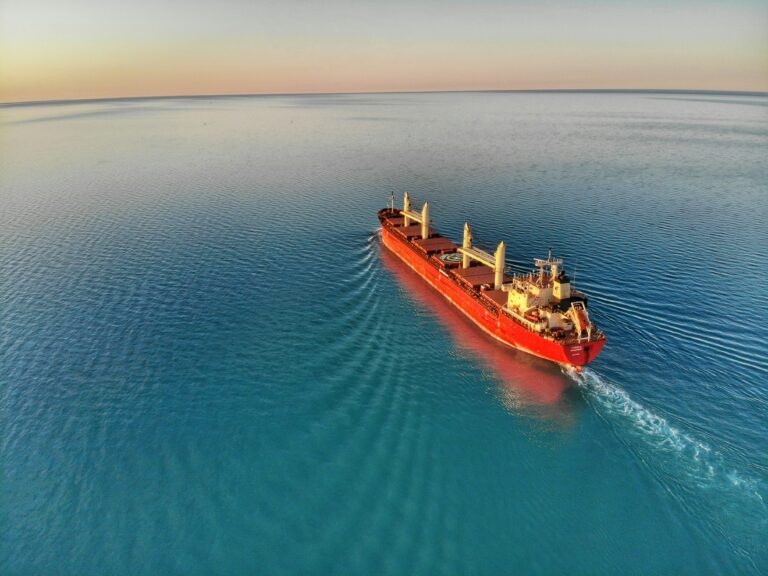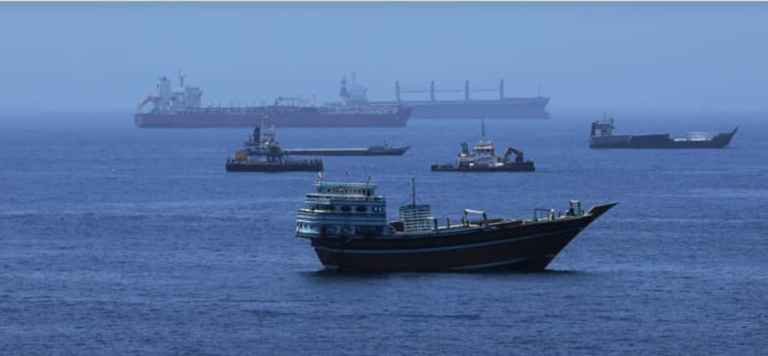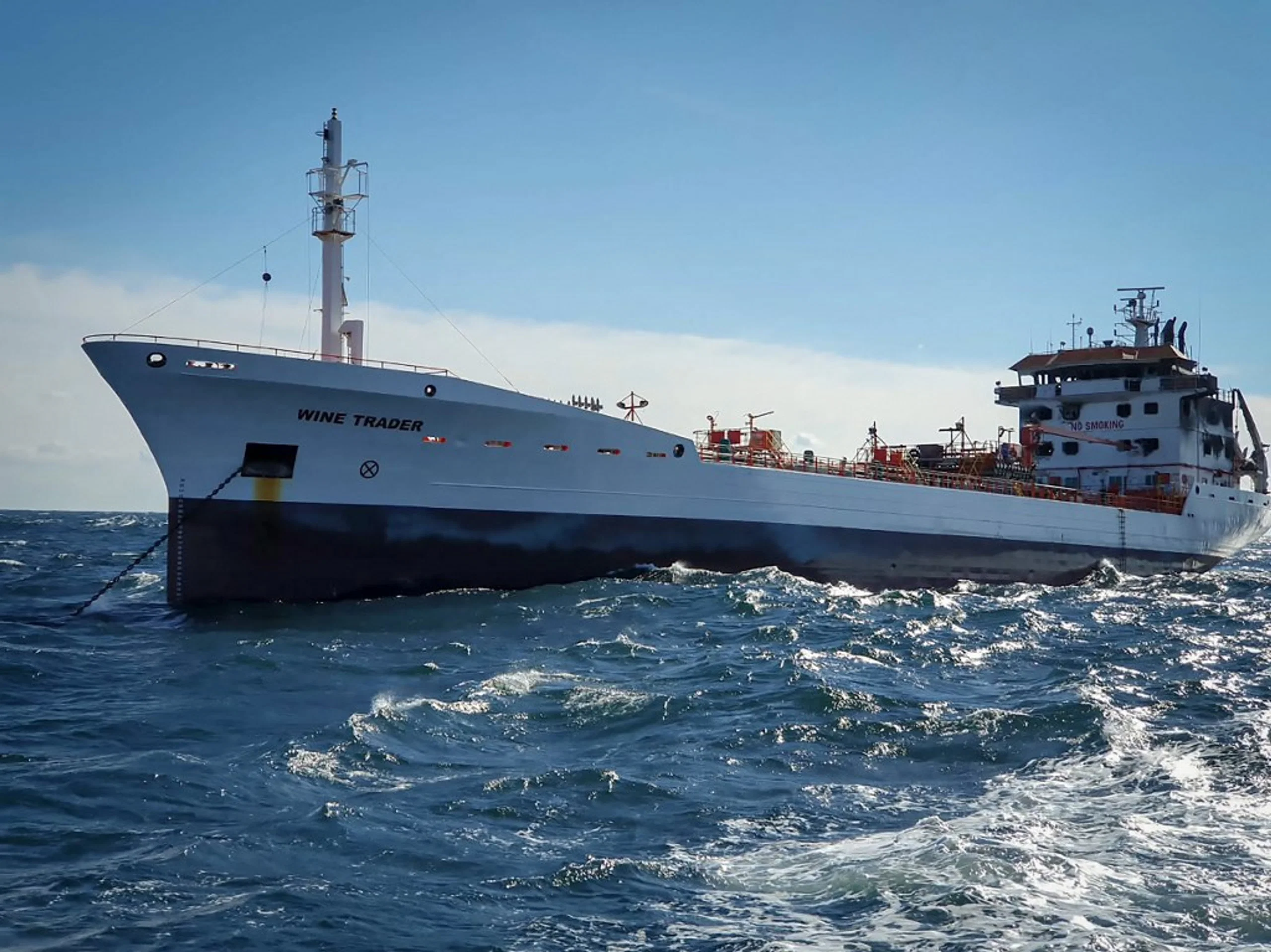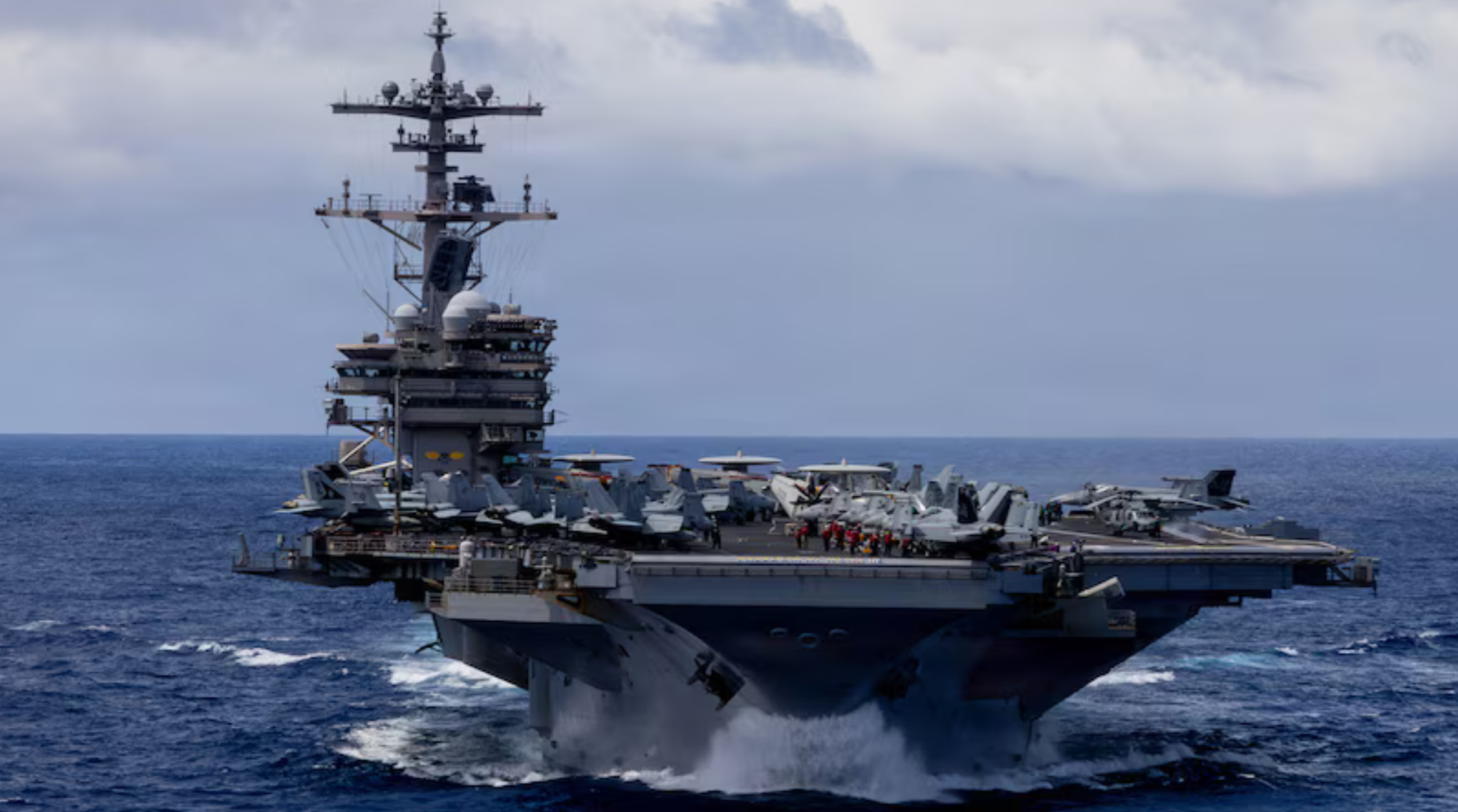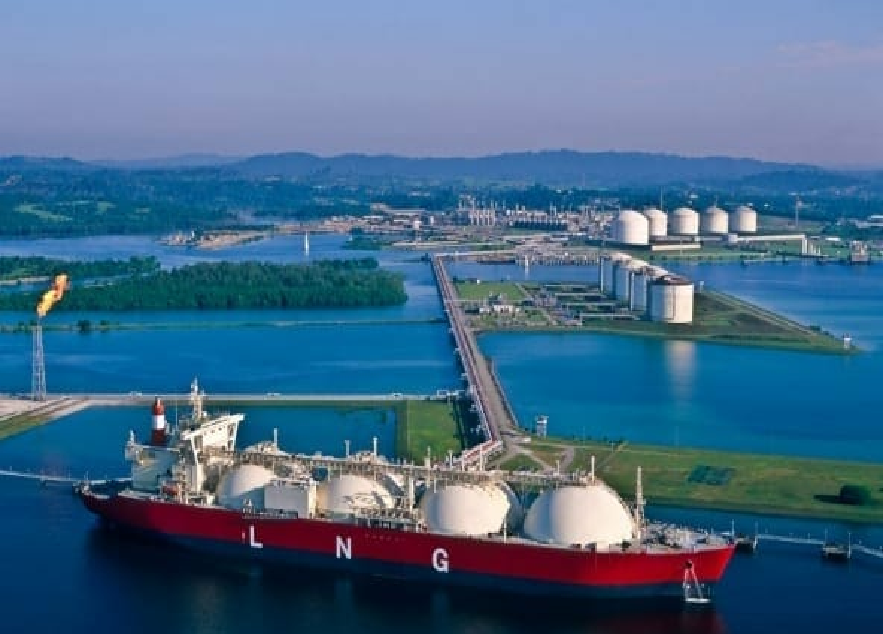
Foreground, an LNG tanker. Source: https://www.strausscenter.org/wp-content/uploads/iStock_lng_tanker2.jpg
Obtaining outside data.
Checking internet sources, using keywords: Strait of Hormuz LNG traffic
News from various sources:
The content discusses the significant disruptions to shipping traffic through the Strait of Hormuz due to the ongoing conflict between the United States, Israel, and Iran. Here are the key points summarized:
- Current Shipping Traffic: The strait, a crucial global energy transit point, has seen a drastic reduction in shipping traffic due to the war. Before the conflict, about 100 ships transited daily, which has now fallen to around five ships per day. These disruptions have significantly impacted global oil and LNG supplies.
- Diplomatic Efforts and Risks: Diplomatic negotiations led by Qatar, Oman, and Iran have been ongoing to open a temporary safe passage through the strait and clear mines to ensure safe navigation. However, U.S. economic sanctions on Iran and regional tensions continue to complicate these efforts.
- Impact on Global Energy Markets: The reduction in Strait of Hormuz traffic has disrupted oil and LNG supplies, exerting pressure on global energy markets. The flow of crude oil from the Gulf has nearly halved since the war began. Countries highly dependent on Middle Eastern oil and LNG, such as Pakistan, Japan, and Kenya, face significant challenges.
- Pakistan’s Energy Struggles: Pakistan, heavily reliant on LNG imports from Qatar passing through the strait, has faced severe supply issues, resulting in power outages and fertilizer production impacts. Pakistan has sought diplomatic channels to secure energy supplies and is exploring alternatives, including discussions with the U.S. for LNG imports.
- Security Concerns: The region remains tense with increased risks of maritime attacks and encounters. Vessels continue to face threats from uncharted mines and projectiles, further deterring traffic through the strait.
- Alternative Routes and Adjustments: Due to security concerns, some shipping activities have shifted to the Red Sea and other areas, with countries reassessing their energy supplies and logistic strategies to mitigate the crisis.
In summary, the Strait of Hormuz crisis is a significant global issue affecting energy supplies and market stability, with ongoing geopolitical and security challenges complicating efforts to resume normal shipping traffic.
Fact-checked summary: As of the current analysis, several key facts stand pertinent to the possibility of unimpeded LNG traffic through the Strait of Hormuz by the end of 2026. Diplomatic negotiations led by Qatar, Oman, and Iran are ongoing, aiming to establish a temporary safe passage through the strait. This is crucial as diplomatic efforts can significantly resolve traffic disruptions. However, these efforts are complicated by U.S. economic sanctions on Iran and persistent regional tensions, which have historically hindered diplomatic relations and could affect the strait’s navigability. The global energy market experiences pressure due to disrupted oil and LNG supplies, highlighting the strategic importance of the strait as a major transit point for energy stability. Additionally, there are increased risks of maritime attacks, particularly due to uncharted mines and projectiles, critically impacting the safety and hence the possibility of unimpeded transit. As a response to these security concerns, shipping routes have shifted to the Red Sea and other areas, indicating that regional instability has led to adjustments in shipping patterns that could affect future traffic through the Strait of Hormuz. These factors underscore the need for robust security assurances and effective diplomatic negotiations to facilitate secure and unimpeded passage through the strait.
OpenAI gives a base rate of 0.3 (30%)
The question difficulty is rated 8 (0 to 10)
A Bayesian calculation could be performed as follows:
The base rate prior is 0.3. Calculate likelihood ratios based on factors: successful diplomacy (0.6), regional tensions (0.3), sanctions (0.2), and security (0.5). Multiply: 0.3 * 0.6 * 0.7 * 0.8 * 0.5 = 0.0504. (Carolyn’s note: OpenOffice Calc says this calculation is exactly correct.)
Bayesian base rate: 0.0504 (5.04%)
Sufficient news to provide a good forecast? 1 (0 or 1)
News is relevant, topical and unbiased? 1 (0 or 1)
Question classification: scenario_based_forecast
Expected time (days) until question close: 126
The following were considered in order to produce this base rate:
The base rate considers the historical difficulty of maintaining secure, unimpeded transit through the Strait of Hormuz amid regional tensions, as well as past failures and successes of diplomatic negotiations in the region.
Ideally, the news feed would contain the following sorts of information for a better forecast:
Additional insights into current shifts in regional alliances, updates on sanctions policies, and comprehensive assessments of maritime security from relevant security agencies would enhance the forecast quality.
Some potential divergent considerations that might affect the base rate:
Possible breakthroughs in the diplomatic arena or significant changes in U.S.-Iran relations could dramatically improve the likelihood. Conversely, increased hostilities or maritime incidents could decrease the chances further.
The following chain of events are necessary for the question to resolve positively:
- A successful diplomatic agreement for safe passage through the Strait of Hormuz, which is moderately likely given ongoing talks despite historical challenges.
- A reduction in regional tensions, which is somewhat unlikely due to persistent geopolitical strife.
- Easing of U.S. sanctions on Iran, which is unlikely without significant changes in international relations.
- Improved maritime security and reduction in the threat of maritime attacks, which is moderately likely with increased international effort.
Querying Claude (AI predicts: 0.42 – confidence: 3)
Querying OpenAI (AI predicts: 0.2 – confidence: 5)
Guide to Jeremy Lichtman’s Multi-AI Oracle Reports
Question Type: Binary
Median from LLMs: 0.31
Base rate: 0.3 (from OpenAI)
SD: 0.11
MAPD: 0
Confidence: 4
Conf Mode: Low
Mellers: 0.24
Reverse Mellers: 0.37
Theory of Mind: 0.325 (What did the LLMs think other LLMs predicted?)
Beta Distribution: 0.44
Close Type: A (B = cautious # closer to 50%; A/C = closer to extremes)
LLM responses: 2
Model value: 0.31 (31%
The collective reasoning emphasizes the complexities surrounding the likelihood of ‘de facto unimpeded’ LNG traffic through the Strait of Hormuz by the end of 2026. Key factors include active but intricate diplomatic negotiations led by Qatar, Oman, and Iran, hindered by entrenched U.S. sanctions on Iran and existing regional tensions such as those involving Iran and Israel, which make substantive diplomatic breakthroughs difficult within a four-month timeframe. However, the term ‘de facto unimpeded’ is considered potentially achievable without formal agreements, provided there are no significant disturbances. The historical precedence of Hormuz’s largely passable status during tensions, combined with heightened international naval presence and economic pressures, lends slight optimism. Nonetheless, geopolitical unpredictability—such as changes in U.S. policy or unexpected de-escalation in hostilities—could alter the current security dynamics, either hindering or facilitating unimpeded passage.
Runtime: 132 seconds.
About The Author