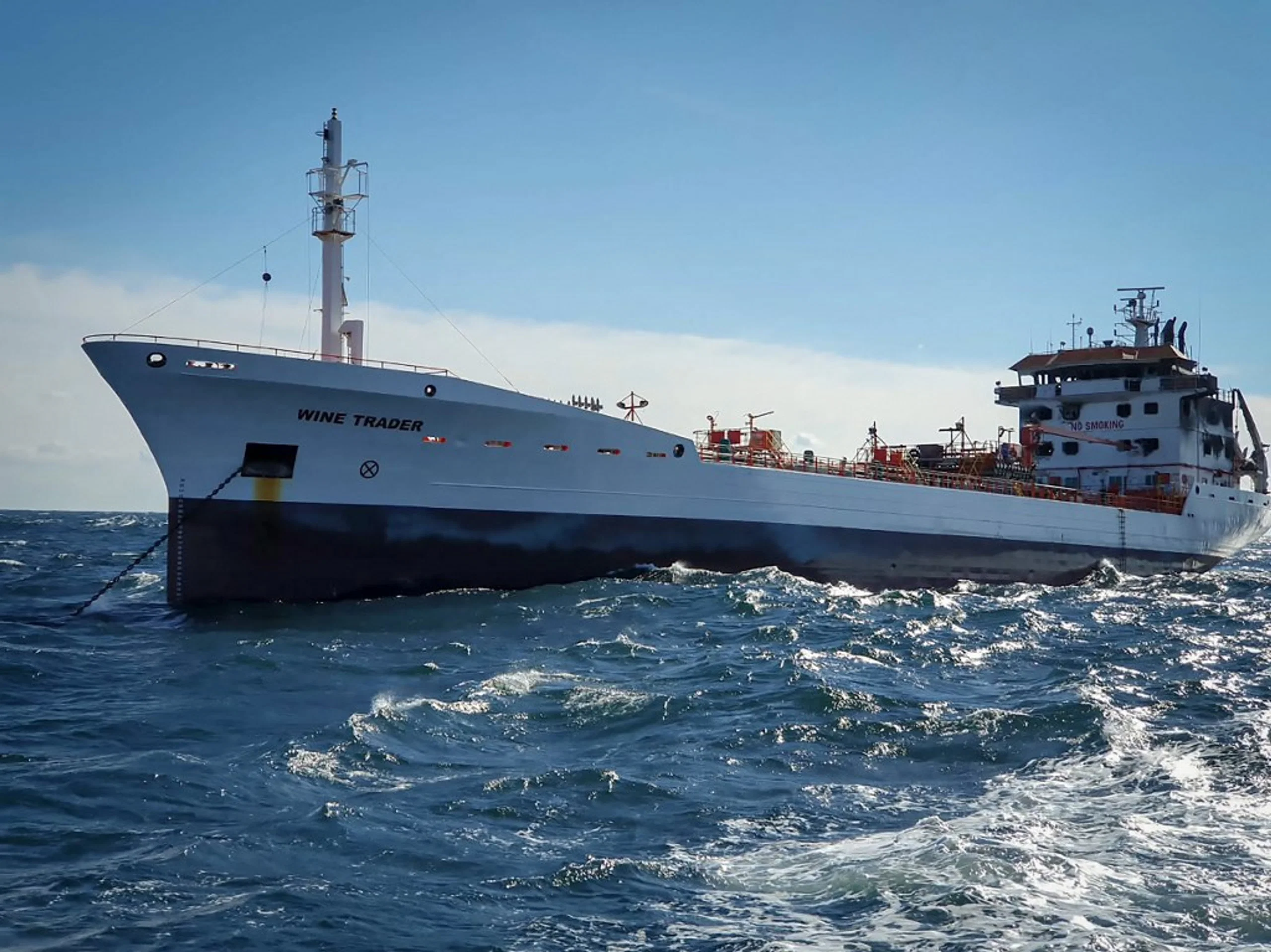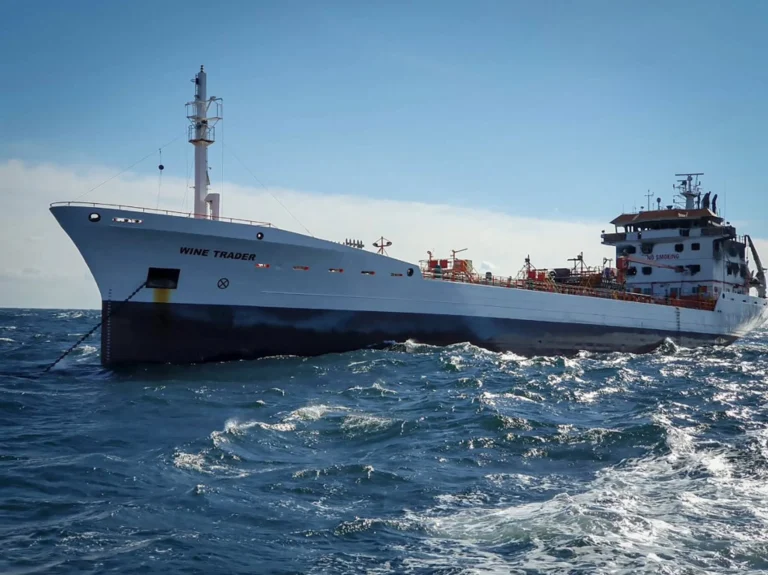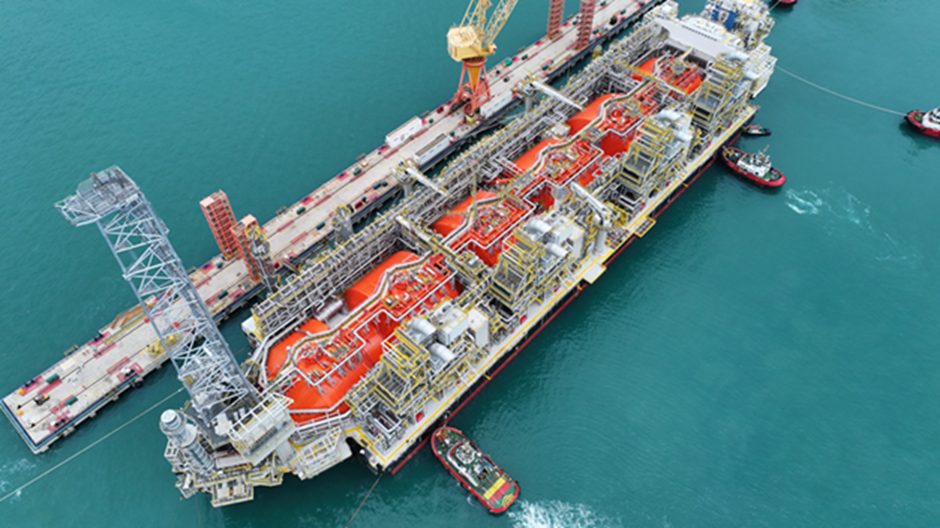
An LNG tanker being positioned alongside a pier by tugboats. Source: Black&Veach https://www.bv.com/en-US/what-we-do/fuels/floating-lng. Black & Veatch’s PRICO® technology delivers on all fronts. With more than 60 years of global LNG experience and dozens of onshore and nearly half of the floating plants in operation globally, Black & Veatch is a trusted leader in delivering bankable, scalable and redeployable LNG solutions.
Grok response:
1. Shipping Traffic Through Strait of Hormuz Rises Slightly, Data Shows (gCaptain / Reuters reprint, August 27, 2026)
gCaptain’s most recent Hormuz coverage notes a modest uptick in visible commodity transits amid ongoing US-Iran standoff and Iran-Oman talks. Visible transits totaled 10 on Wednesday versus 8 on Tuesday, remaining well below a 10-day average of about 15 vessels and far from pre-war norms. The piece highlights continued monitoring of Iran-Oman negotiations on the waterway but gives no indication of normalized or unimpeded LNG flows.[1]
2. How a 95 percent drop in Hormuz traffic changed global shipping (Al Jazeera, August 27, 2026)
Six months into the US-Israel war on Iran, Strait of Hormuz traffic has collapsed from over 100 vessels a day to an average of five, a ~95% drop that has disrupted oil, LNG, and goods flows worldwide. From July 15 to August 23, average daily transits stayed around five, mostly escorted or AIS-dark tankers, after a brief June uptick during a failed MoU. The article underscores that the strait remains effectively closed, with LNG (previously ~19% of global seaborne volumes) among the hardest-hit commodities.[2]
3. 60 days of a broken US-Iran MoU: the market stopped waiting for Hormuz (Kpler, August 19, 2026)
The 60-day Islamabad MoU lapsed on August 17 with no deal, extension, or talks, after only partially clearing a crude backlog without reopening the strait. LNG carriers halted for nearly three weeks before limited late-July dark transits; LPG crossings fell to zero mid-July. Kpler data shows the market is no longer pricing a near-term reopening, with ballast entries into the Gulf at about two per day.[3]
4. LNG traffic through Hormuz grinds to a halt again (Gas Outlook, July 14, 2026, still referenced in late-August context)
After a brief June calm, Iranian attacks on a Qatari and other vessels, followed by US strikes and a reimposed blockade, dropped crossings to 14 on July 12—the lowest in a month—with Iran declaring the strait closed. QatarEnergy paused Ras Laffan ramp-up plans; a trickle of dark transits continued but overall traffic near standstill. The piece warns of another extended outage for LNG, which relies exclusively on Hormuz.[4]
5. First Qatar LNG Shipment Moves Through Hormuz (gCaptain / Bloomberg, May 10, 2026)
The Al Kharaitiyat, loaded at Ras Laffan, became Qatar’s first post-war LNG export through Hormuz, using the Iranian-approved northern route after earlier U-turns. This followed two ADNOC cargoes and came amid Qatar’s production halt and force majeure. gCaptain framed it as a rare, limited exception rather than a return to normal traffic.[5]
6. Hormuz Traffic Slowly Picking Up as Oil and LNG Tankers Resume Transits (gCaptain / Reuters, June 22, 2026)
Four Qatar-controlled LNG tankers entered via the Iranian route and two ADNOC vessels delivered to India after dark transits, coinciding with a June MoU. Traffic showed early signs of recovery but remained a fraction of pre-war levels. gCaptain noted QatarEnergy’s curbed exports since February 28 and no widespread empty-LNG inbound movement yet.[6]
7. The Battle for Hormuz Will Reshape the Global LNG Market (CSIS, August 5, 2026)
The June 17 US-Iran MoU collapsed in July after Iranian targeting of shipping; the US reimposed a blockade and escort operations. Qatar managed ~40 loaded LNG tankers (~2.8 mt) in June, but renewed attacks could close the route again within hours; crossings had fallen 70% from the truce period. The paper describes a “no war, no peace” stalemate with high risk of further LNG disruption.[7]
8. Comment: The Iran War and Disruption to LNG (Oxford Institute for Energy Studies, March 23, 2026, with later updates)
QatarEnergy ceased Ras Laffan production and declared force majeure after the March 2 closure; ~20% of global LNG supply was blocked. Daily transits fell from 95 to 4 vessels. Later Oxford notes (August) describe a “Hotel California” phase in which tankers can enter but rarely leave, with sporadic dark or intra-Gulf deliveries only.[8]
9. Escalating Iran War Seen Curbing Even More LNG Supply Through Year’s End (Natural Gas Intelligence, July 24, 2026)
QatarEnergy extended force majeure to mid-October after July attacks halted a planned restart; 18 Qatari LNG tankers remained offshore Ras Laffan. Kpler now expects a prolonged period of constrained Hormuz LNG transit through year-end, cutting ~21 mt versus prior outlook and keeping Asian/European prices near $19/MMBtu.[9]
10. Fewer than 20 ships transit key Strait of Hormuz over weekend, data shows (Reuters, August 24, 2026)
Weekend commodity transits stayed below 20 (4 on Sunday, 13 on Saturday) under dual Iranian/US blockades; eight VLGCs (mostly empty inbound or Iranian LPG outbound) moved but no LNG tankers were noted. UKMTO reported AIS-detected transits ~90% below pre-conflict baselines and 23 projectile incidents since July 6. Traffic remains suppressed with many dark or aborted voyages.[10]
The Strait of Hormuz, through which roughly 19-20% of global seaborne LNG (primarily Qatari Ras Laffan and UAE Das Island cargoes) normally transits, has been effectively closed or severely restricted since Iran’s March 2, 2026 announcement following US-Israeli strikes that began February 28. Pre-war daily transits exceeded 100 vessels (often 125-140); recent averages are 5-15, a 90-95% collapse, with LNG even more constrained than oil or LPG.
Qatar halted liquefaction, declared force majeure, and has only sporadically loaded or transited cargoes—often AIS-dark, via Iranian-approved northern routes, or via ship-to-ship transfers outside the strait.
A June 17 MoU briefly raised overall transits to ~20/day and allowed ~40 LNG movements that month, but it collapsed in July after attacks on Qatari LNG tankers (Al Rekayyat July 7, GasLog Shanghai late July) and other vessels; traffic then fell back and LNG crossings essentially stopped after July 11.
As of late August 2026, Kpler, UKMTO, and Al Jazeera data show single-digit daily transits, high war-risk insurance (up to 40x), hundreds of stranded vessels, and continued dark or escorted movements only.
gCaptain’s latest (August 27) reports a slight rise to 10 visible commodity transits but still far below normal and with no LNG-specific normalization; earlier gCaptain pieces documented the first isolated Qatar and ADNOC LNG transits in May as exceptions amid the halt.
Iran-Oman talks on a temporary joint corridor, mine-clearing, and revenue-sharing advanced in late August, but the US is not currently negotiating, Trump has stated the war “will continue for as long as necessary,” a US blockade of Iranian ports remains, and attacks persist.
Analysts (Kpler, Oxford Energy, CSIS, Shell) describe a prolonged 2026 disruption, “Schrodinger’s Strait,” or “Hotel California” dynamic, with 2026 global LNG trade expected to stay flat.
No gCaptain report has described LNG traffic as de facto unimpeded (i.e., no longer halted or severely restricted); recent coverage instead emphasizes the ongoing standoff, low volumes, and diplomatic impasse.
With four months remaining until year-end 2026, a comprehensive deal restoring free navigation, insurance availability, and production restart would be required for a Yes resolution, but current military, diplomatic, and shipping data show no such movement.
=== Forecast Result ===
The current evidence strongly favors No. LNG traffic is not merely below normal; it is described as effectively halted, with almost no LNG tanker movements, Qatar exports down sharply, damaged infrastructure, elevated war risk, and no durable diplomatic agreement. The latest gCaptain reporting shows only a small increase in overall visible vessel traffic and gives no indication of LNG normalization.
The remaining timeframe is substantial enough for a surprise ceasefire or maritime-corridor agreement, but “de facto unimpeded” requires more than isolated escorted or AIS-dark voyages. It would likely require sustained safe passage, available insurance, restored commercial confidence, and at least partial recovery of Qatari loading capacity. Those developments could occur sequentially, making full normalization by year-end less likely than a limited or politically managed trickle.
My key assumptions are:
- The war and blockade dynamics remain broadly unresolved through the end of the year. There is roughly a 20% chance this assumption fails through a major ceasefire or settlement.
- Even if talks progress, they produce only partial, escorted, or conditional access rather than genuinely unimpeded LNG traffic. There is roughly a 25% chance this assumption fails.
- Ras Laffan’s damage, force majeure, insurance constraints, and shipper risk aversion prevent rapid normalization even if physical passage becomes safer. There is roughly a 15% chance this assumption fails.
These possibilities create meaningful upside risk, especially because a diplomatic breakthrough could change conditions quickly. However, the joint occurrence needed for a gCaptain report that LNG traffic is no longer severely restricted remains unlikely. A temporary uptick in total vessel counts is not sufficient under the resolution standard.
I assign a small but non-negligible chance to a resolution, somewhat above a near-zero forecast because four months remains and maritime chokepoints can reopen abruptly after political deals.
Probability: 6%
End
About The Author