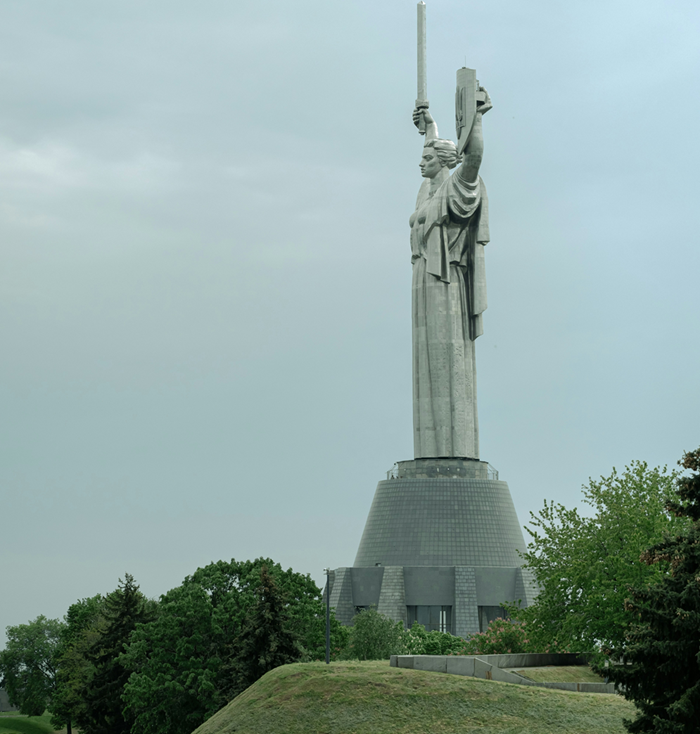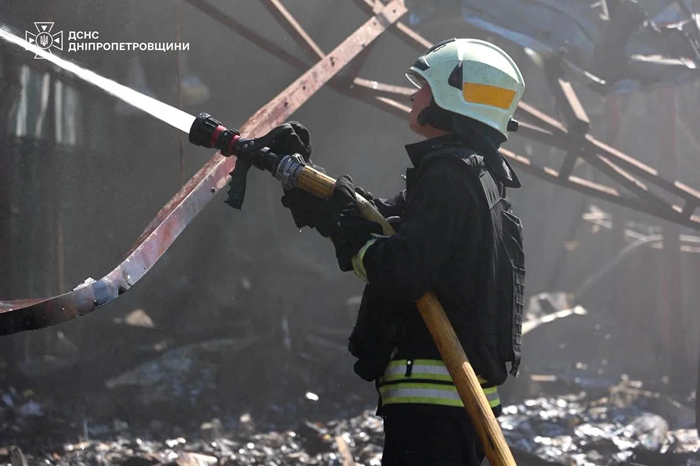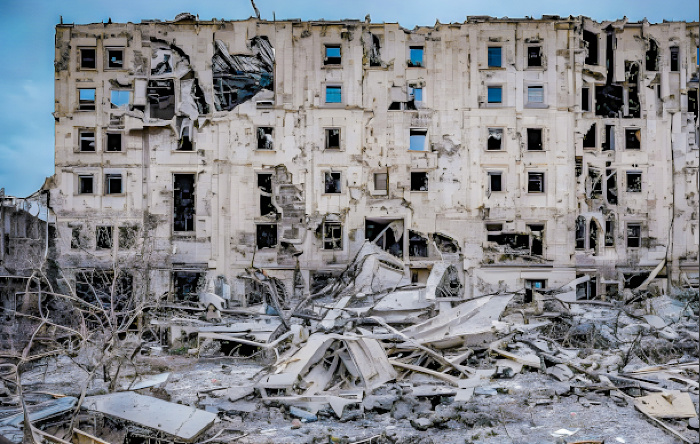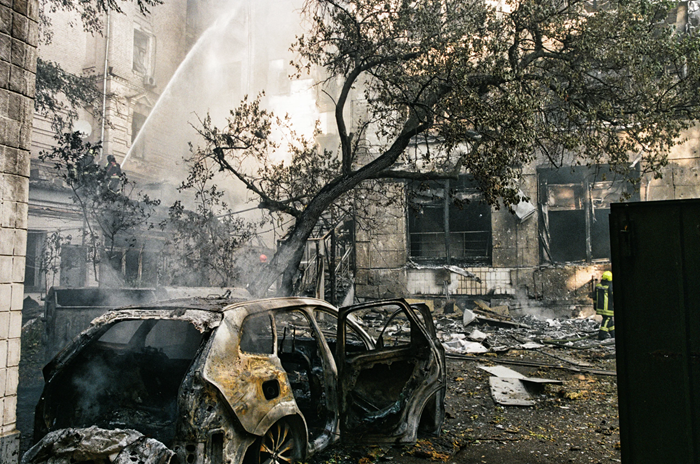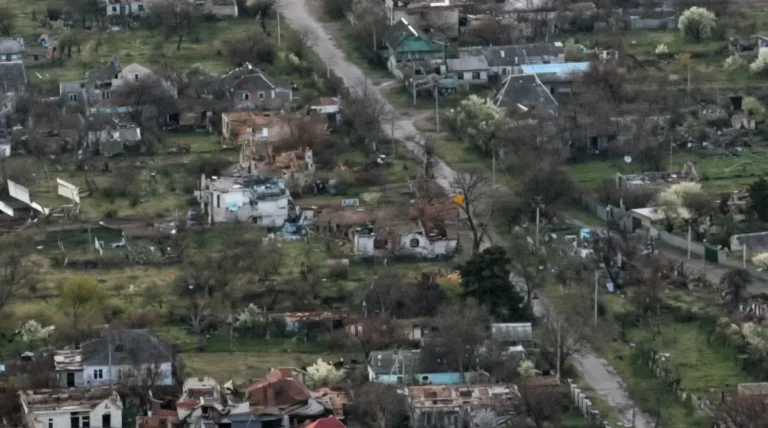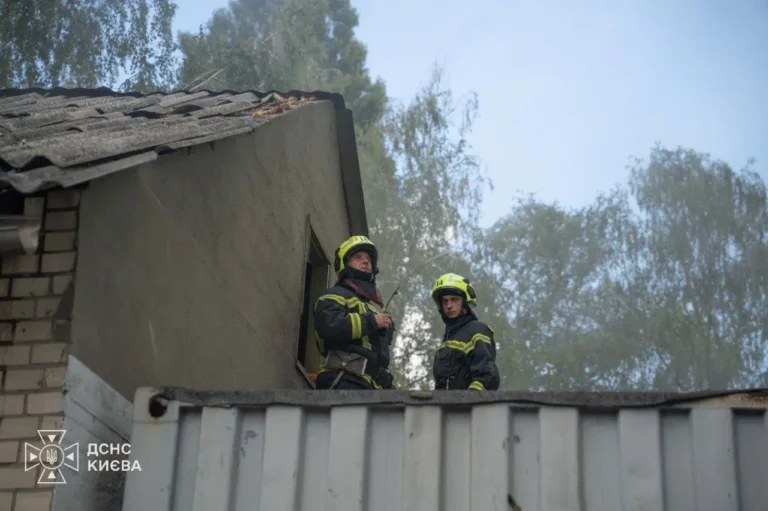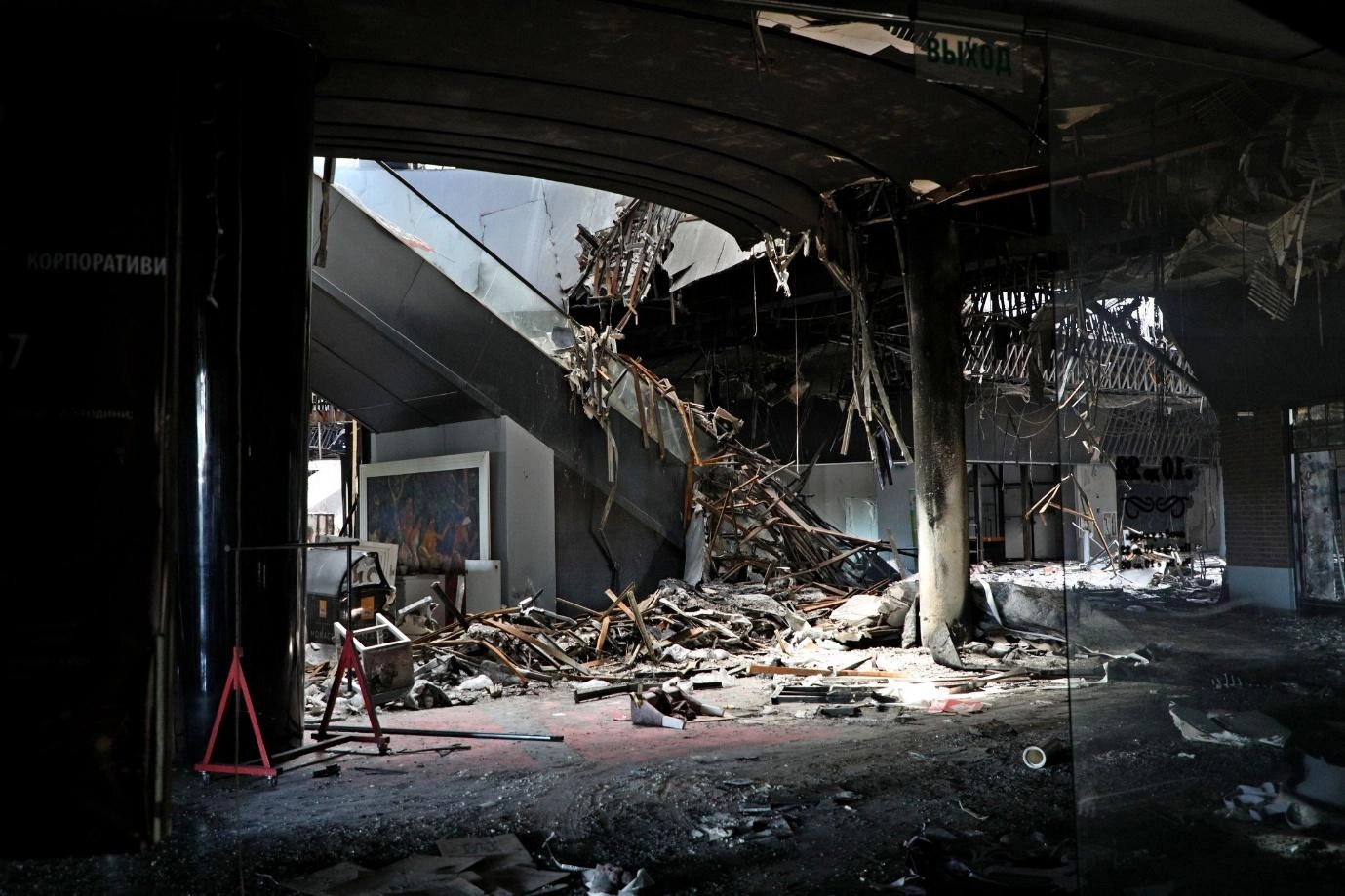
Ukrainian Shopping mall “Port City” in Mariupol, destroyed by Russian bombings in March 2022, together with hundreds of apartment buildings in the city. (Photo from Russian pro-war Telegram channel)
Grok response:
Here is a list of 10 key citations with relevant details (prioritizing recent sources from major outlets on negotiations, temporary pauses, and ongoing diplomacy in 2026):
- Wikipedia: 2026 United States–Ukraine–Russia meetings in Geneva (updated as of August 2026 crawl)
Describes trilateral talks in Geneva (Feb 2026) and earlier Abu Dhabi rounds focused on ceasefire monitoring mechanisms, territory, Zaporizhzhia NPP, and security guarantees. Zelenskyy indicated readiness for a two-month ceasefire to enable elections and security arrangements; military talks neared a draft on monitoring but political will was lacking. Axios noted limited overall progress.[1] - Chatham House: How a Russia–Ukraine ceasefire could imperil Ukrainian and European security (published May 28, 2026)
Analyzes risks of a potential ceasefire allowing Russia to redirect efforts toward hybrid threats against Ukraine. Emphasizes that any pause could undermine long-term Ukrainian/European security without robust enforcement. Assesses mitigation options amid stalled diplomacy.[2] - Reuters: Trump hopes for extension to agreed three-day Ukraine-Russia ceasefire (published/updated May 8-9, 2026)
Reports U.S.-brokered three-day ceasefire (May 9-11, 2026) confirmed by Russia and Ukraine, including a 1,000-for-1,000 prisoner swap. Trump publicly hoped for extension amid Victory Day commemorations; both sides later accused each other of violations. Fighting largely continued.[3] - Al Jazeera: Russia and Ukraine agree to 32-hour Orthodox Easter ceasefire (published April 10, 2026)
Details Putin’s announcement of a 32-hour pause (April 2026) for Orthodox Easter, honored by Zelenskyy. The short truce ran from Saturday afternoon to Sunday midnight Moscow time but saw mutual violation accusations. Reflects limited diplomatic signals amid ongoing stalemate.[4] - Council on Foreign Relations: A Turning Point in Ukraine (published June 5, 2026)
Notes Zelenskyy’s open letter to Putin proposing direct talks and a full ceasefire during negotiations. Highlights that a ceasefire was viewed as “now a realistic possibility” for the first time, driven by mounting costs and battlefield realities. Discusses the best opportunity for peace since 2022.[5] - OIIS: The War in Ukraine: The Moment of Truth in 2026? (published June 26, 2026)
Assesses high uncertainty for any 2026 ceasefire due to incompatible territorial claims and Russia’s rejection of European security guarantees. Notes neither side was ready for peace entering the fifth year of war; a ceasefire could represent semi-defeat for Russia. Discusses possible resolution factors including U.S. midterms.[6] - UK Government statement to the OSCE: Russia is not serious about peace (published June 12, 2026)
States Russia continues to refuse a full, unconditional ceasefire and demands Ukrainian territorial withdrawals. Highlights Russia’s maximalist positions and unsustainable war effort amid casualties and minimal gains. Calls for immediate ceasefire.[7] - Wikipedia: Peace negotiations in the Russo-Ukrainian war (2022–present) (updated as of August 2026 crawl)
Covers 2026 trilateral talks (Abu Dhabi Jan-Feb, Geneva Feb) including territorial issues for the first time. Notes U.S. push for resolution by June 2026 deadline and Zelenskyy’s June call for direct Putin meeting plus full ceasefire. Core disagreements on territory and guarantees persisted.[8] - Al Jazeera: Missiles fly as ‘tense’ Russia-Ukraine peace talks wrap up day one (published Feb 17, 2026)
Reports third round of U.S.-brokered Geneva talks amid ongoing strikes. Ukraine’s negotiator expressed constructive but low-expectation approach; territorial issues featured prominently. Talks occurred as the war approached its four-year mark.[9] - Polymarket: Russia x Ukraine ceasefire by end of 2026? (market data as of May 9, 2026)
Shows market-implied probability of an official mutually agreed ceasefire by Dec 31, 2026 at ~25.5% yes (74.5% no). References Kremlin statements post-May truce that peace remained “a very long way off,” with persistent airstrikes and stalled diplomacy. Market anchored in ongoing territorial/security disputes.[10]
Context on developments through early August 2026: Multiple short, temporary ceasefires were officially declared and confirmed by both sides earlier in the year (e.g., 32-hour Easter pause in April and U.S.-brokered three-day May 9-11 truce with prisoner exchange), though these were limited in scope/duration and accompanied by violation claims. Broader negotiations (Geneva, Abu Dhabi) produced drafts on monitoring but no comprehensive agreement on territory, security guarantees, or a sustained halt. As of early August 2026 reporting, U.S. Secretary of State Marco Rubio indicated intensified diplomatic efforts in the coming weeks to restart talks, while experts (CFR, Chatham House) describe a ceasefire as realistic yet uncertain given Russia’s maximalist demands and rejection of unconditional pauses. No full armistice or extended ceasefire has been declared since the spring 2026 pauses.[11]
Recent sources show continued fighting, battlefield stalemate, and mixed signals on momentum toward resolution.
=== Forecast Result ===
Systematic Analysis
Defining the Resolution Window
The question requires a ceasefire/armistice to be officially declared after August 7, 2026 and before December 31, 2026. This excludes the April 2026 Easter ceasefire (32-hour) and the U.S.-brokered May 9-11 ceasefire that already occurred. The question is specifically about the remaining ~5 months of 2026.
Base Rate Analysis
- In 2026 to date (~7 months), there have been at least 2 officially declared ceasefires (Easter: April 2026 and May 9-11, 2026), giving roughly one every 3-4 months.
- Historically, these have been short (3 days or less) and tied to specific occasions.
- The remaining calendar (Aug-Dec) has few Orthodox holidays before Christmas (January 7, 2027). New Year’s period falls outside the window.
- This reduces holiday-based ceasefire opportunities considerably.
Key Factors FOR a ceasefire (Aug 7–Dec 31):
- Active U.S. mediation (Kushner/Witkoff preparing Kyiv visit, Rubio calling for intensified efforts)
- Ukraine’s “40-day operation” designed to alter Russian calculus
- Zelenskyy has formally proposed 3 ceasefire frameworks (air truce, energy freeze, frontline freeze)
- Mounting international pressure (UN calls for “full, immediate ceasefire”)
- CFR called ceasefire “now a realistic possibility” (June 2026)
- Polymarket implied ~25.5% for all of 2026 as of May 9
Key Factors AGAINST:
- Russia continues intensive missile/drone attacks through early August (UN condemnation Aug 7)
- Russia demands full Donbas control as precondition—no softening evident
- UK government (June 12, 2026): “Russia is not serious about peace”
- All prior ceasefires were brief and involved violation accusations
- No ceasefire currently in force as of August 7
- OIIS: “Neither side was ready for peace entering the fifth year of war”
- The 5-month window contains fewer holiday triggers
Critical Assumptions
Assumption 1: Russia remains in maximalist mode through December 2026
- Probability this is wrong: ~20-25%. Russia’s economy is straining; battlefield advances are slow. But all recent sources show continued rejection of unconditional pauses.
- Impact if wrong: Large—would substantially increase ceasefire probability.
Assumption 2: U.S. mediation (Witkoff/Kushner) does not produce a breakthrough
- Probability this is wrong: ~25-30%. The U.S. successfully brokered May ceasefire; another humanitarian pause is plausible.
- Impact if wrong: Moderate—could produce another short pause, satisfying resolution.
Assumption 3: Ukraine’s 40-day operation does not alter Russian willingness sufficiently
- Probability this is wrong: ~15-20%. Military operations rarely directly trigger ceasefires within months.
- Impact if wrong: Moderate.
Probability Timeline Calibration
- Probability in next 1 month (Aug 7–Sep 7): ~8%
- Probability in next 3 months (Aug 7–Nov 7): ~18%
- Probability in full window (Aug 7–Dec 31): ~22-27%
- If extended to full 2027: ~40-45%
The Polymarket at 25.5% was for ALL of 2026—but much of the probability mass was concentrated in the spring negotiation season, which has now passed without a durable ceasefire. The remaining 5 months face fewer holiday triggers, though active diplomacy remains. Applying a modest downward adjustment:
Adjusting for:
- Historical overconfidence bias
- ~35% base positive resolution rate in similar forecasting contexts
- Active but stalled diplomacy
- Absence of major calendar triggers
Final estimate: ~24%
Probability: 24%
About The Author