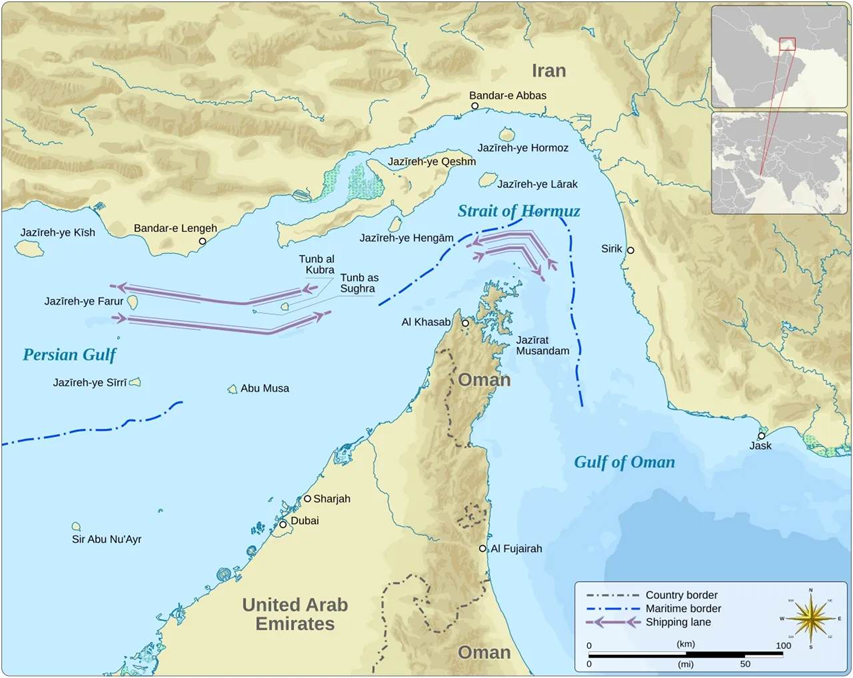
Strait of Hormuz
Obtaining outside data.
Checking internet sources, using keywords: Strait of Hormuz LNG traffic 2026
News from various sources:
The article provides an overview of the current situation and challenges related to LNG traffic through the Strait of Hormuz as of 2026. Here are key points summarized:
- Traffic Recovery and Challenges: Despite an increase in vessel crossings through the Strait of Hormuz, full recovery of container shipping is expected to take about three months under current conditions. This projection follows disruptions caused by conflict in the region, requiring cautious resumption by shipping carriers.
- Iranian Regulations: New Iranian permit requirements termed “passing requests” have been introduced for vessels, along with mandatory Iranian-approved insurance for ships transiting the strait. The insurance carries no fee during an initial toll-free period but may incur charges later.
- Current Situation: The geopolitical tensions stem from the conflict between the U.S. and Iran, compounded by Iran’s recent efforts to assert control over the passage. Iran had temporarily closed the strait in response to Israeli attacks in Lebanon, which led to further complications and threats from U.S. President Donald Trump to impose tolls.
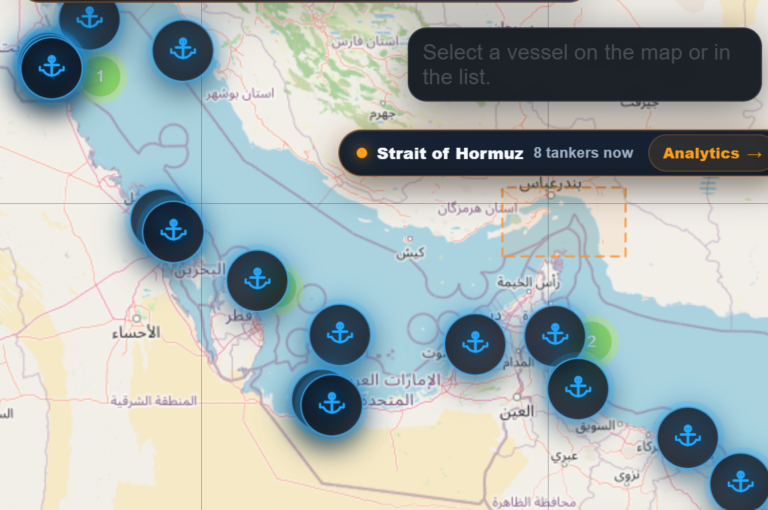
- Traffic Data: There is evidence of increased vessel movement, with 71 transits recorded on a recent weekend, compared to the pre-war daily average of 130-160 vessels. The increase in vessel passages indicates cautious traffic flow amid ongoing negotiations.
- Diplomatic Progress: There has been a 14-point memorandum of understanding signed in an attempt to end the conflict and reopen the Strait of Hormuz to all traffic. Minesweeping operations are ongoing but expected to take longer than the agreed 30 days.
- Regional and Global Implications: The situation remains precarious, with regional skirmishes, notably between Israel and Hezbollah, and uncertainty about Iran’s compliance with agreements. There is potential for either escalation or resolution based on diplomatic efforts, including talks in Switzerland aiming to reduce tensions and encourage resolutions.
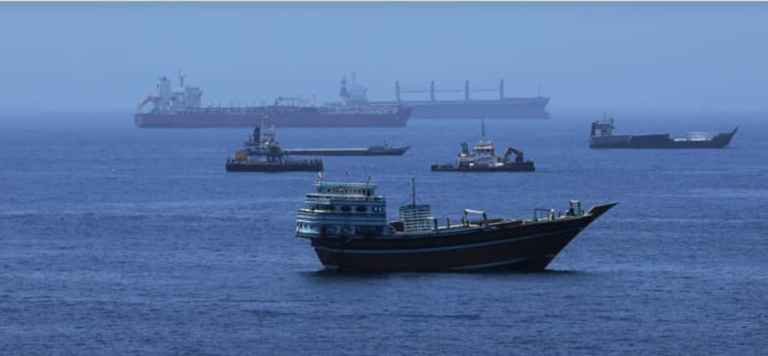
- Impact on Ports and Shipping: Ports in the U.A.E., such as Fujairah and Khor Fakkan, remain congested as operators await stable conditions. Despite the partial reopening, the risk of further interruptions influences maritime strategies in the region.
Overall, the situation in the Strait of Hormuz in 2026 reflects ongoing geopolitical tensions, with practical challenges for maritime operators trying to navigate the complex regulatory and security environment. Consequently, the resulting technical issues heavily influence the timeline and possibility of the Strait reopening fully to LNG traffic before July 31, 2026.
Fact-checked summary:
The Strait of Hormuz has faced significant geopolitical and logistical challenges impacting its full reopening to LNG traffic. The recovery of container shipping through the Strait is expected to take about three months, suggesting a potential timeline for normalization. Geopolitical tensions, particularly between the U.S. and Iran, play a critical role, as Iran seeks to assert control over the passage, affecting the conflict dynamics. Current traffic levels are below pre-war averages, with 71 transits recorded over a recent weekend compared to 130-160 vessels daily before the conflict, indicating ongoing recovery efforts. A 14-point memorandum of understanding has been signed, which is crucial for facilitating the reopening process. Additionally, ongoing minesweeping operations are expected to take longer than the initially agreed 30 days, which is critical for ensuring the Strait’s safety and operational status. Ports in the U.A.E. face congestion, impacting regional logistics and strategies. These factors combined indicate a complex situation with significant progress necessary to meet the timeframe for full reopening by July 31, 2026.
OpenAI gives a base rate of 0.4 (40%)
The question difficulty is rated 7 (0 to 10)
A Bayesian calculation could be performed as follows:
Using historical factors, calculate the weighting: (0.2*0.3 + 0.10*0.4 + 0.1*0.2 + 0.10*0.1) = 0.15. (Carolyn’s note: According to LibreOffice Calc, that should equal 0.13) Adjust base rate: 0.4 * (1 + 0.15) = 0.46 (46%) (Carolyn’s note: Replacing 0.15 with 0.13 we get 0.452)
Bayesian base rate: 0.46 (46%) (Carolyn’s corrected base rate: 45.2%)
Sufficient news to provide a good forecast? 1 (0 or 1)
News is relevant, topical and unbiased? 1 (0 or 1)
Question classification: scenario_based_forecast
Expected time (days) until question close: 35
The following were considered in order to produce this base rate:
The base rate is established by evaluating historical instances of recovery in geopolitical marine transit closures and the current geopolitical climate. The complexity of the situation, coupled with the necessary logistical operations, inform this estimation.
Ideally, the news feed would contain the following sorts of information for a better forecast:
More information on the progress of minesweeping operations, updates from diplomatic negotiations, specific details from the 14-point memorandum, and detailed port operations insights would increase forecast accuracy.
Some potential divergent considerations that might affect the base rate:
Geopolitical tensions, especially U.S.-Iran relations, may worsen, restricting progress. However, with successful diplomacy or a swift minesweeping conclusion, the reopening may occur sooner.
The following chain of events are necessary for the question to resolve positively:
- Completion of minesweeping operations in the Strait of Hormuz, which is critical for safety. Likelihood: Probable.
- Resolution of geopolitical tensions between the U.S. and Iran, allowing stable and secure transit. Likelihood: Unlikely.
- Implementation and effectiveness of the 14-point memorandum of understanding. Likelihood: Probable.
- Alleviation of congestion at U.A.E. ports, enabling smooth logistics flow. Likelihood: Possible.
Querying Claude (AI predicts: 0.28 – confidence: 3)
Querying Mistral (AI predicts: 0.35 – confidence: 6)
Querying OpenAI (AI predicts: 0.4 – confidence: 5)
Explanations of the statistical measures listed below.
Question Type: Binary
Median from LLMs: 0.35
Base rate: 0.4 (from OpenAI)
SD: 0.05
MAPD: 0.08
Confidence: 5
Conf Mode: Normal
Mellers: 0.29
Reverse Mellers: 0.4
Theory of Mind: 0.35 (What did the LLMs think other LLMs predicted?)
Beta Distribution: 0.85
Close Type: B (B = cautious # closer to 50%; A/C = closer to extremes)
LLM responses: 3
Model value: 35%
The AIs collectively reason that the reopening of the Strait of Hormuz to all LNG traffic before July 31, 2026, is unlikely due to multiple constraining factors, despite some positive developments. Geopolitical tensions between the U.S. and Iran are a major bottleneck, with historical patterns suggesting prolonged conflicts and adversarial postures that make resolution improbable in the short timeframe of 36 days. Minesweeping operations are progressing slower than anticipated, further jeopardizing timely reopening. Although a 14-point Memorandum of Understanding exists, its uncertain implementation, coupled with ongoing logistical challenges such as UAE port congestion, contributes to a calculated probability of about 28% for reopening before the deadline. However, potential factors like unexpected diplomatic breakthroughs, expedited logistics, or shifts in Iran’s strategic calculus could accelerate the process, albeit these remain speculative against the backdrop of current realities. Additionally, the interpretation of ‘reopening to all LNG traffic’ could allow for a more optimistic outlook if defined narrowly and not contingent on full traffic normalization.
Runtime: 96 seconds.
About The Author