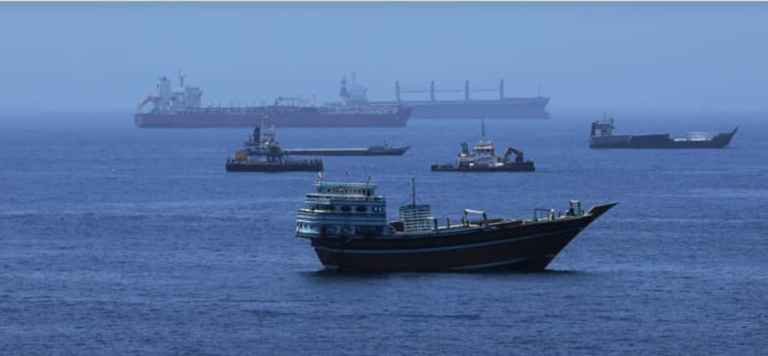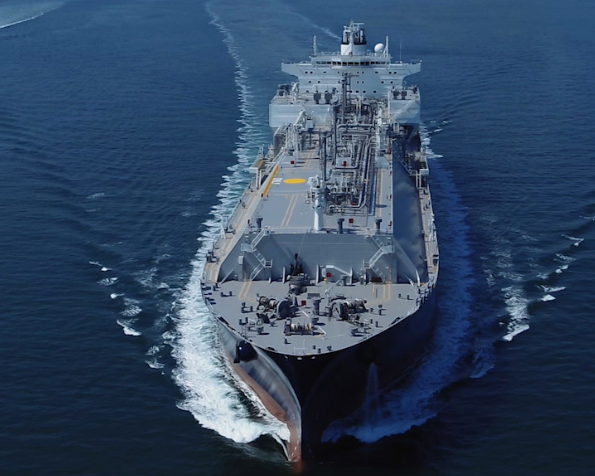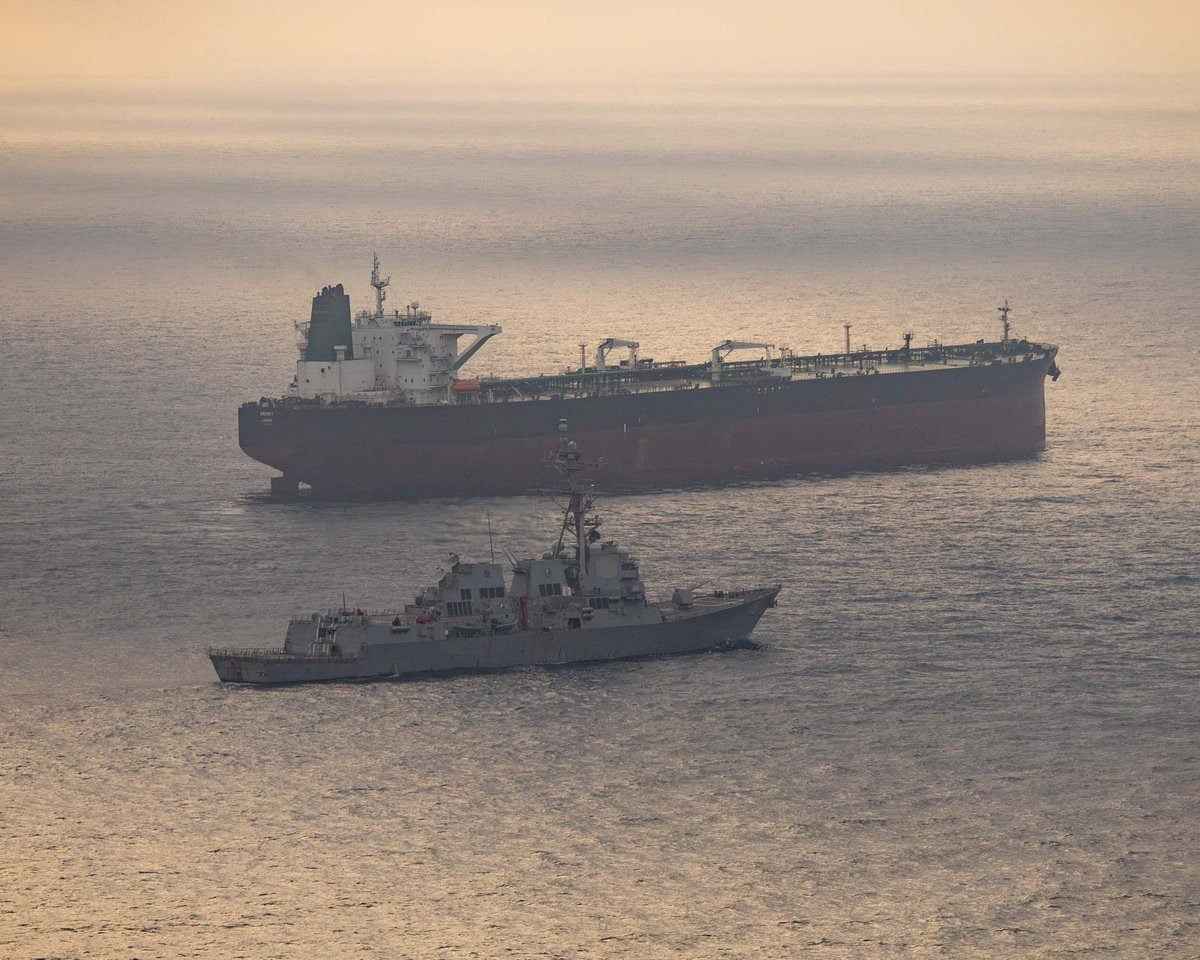
“Today, U.S. forces lifted the blockade on all maritime traffic entering and exiting Iranian ports and coastal areas, in accordance with the President’s direction,” CENTCOM said in a statement. “American forces are not impeding the transit of vessels to or from Iranian ports on the Arabian Gulf and Gulf of Oman. All U.S. military blockade enforcement efforts have ceased.”
This is its condensed report. Full version here.
Grok response:
Recent developments center on a US-Iran memorandum of understanding (MOU) or framework deal announced and signed around June 17-18, 2026, which includes provisions for reopening the Strait of Hormuz to maritime traffic without tolls for at least 60 days, alongside the lifting of the US naval blockade of Iranian ports.[1][1][2]
The strait has been effectively closed or severely restricted to most international traffic (including LNG carriers) since late February/early March 2026 amid the Iran war, with traffic dropping to near zero or a trickle at times despite earlier ceasefires.[2][3]
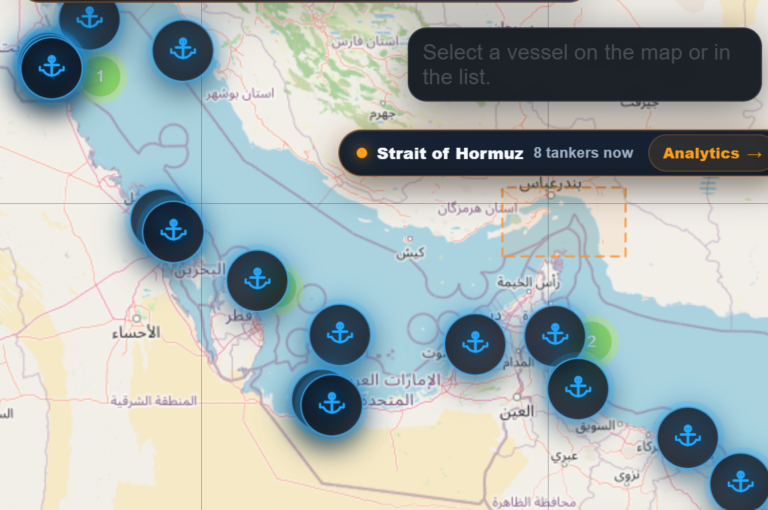
As of June 18, 2026, live vessel tracking shows minimal or zero significant commercial outbound movements, with only isolated transits (e.g., one Indian LNG tanker, Disha, and a handful of others, some pre-arranged or using alternative routes). Shipowners, insurers, and operators remain highly cautious pending full details, safety assurances, mine clearance, and demonstrated safe transits.[4][5][6]
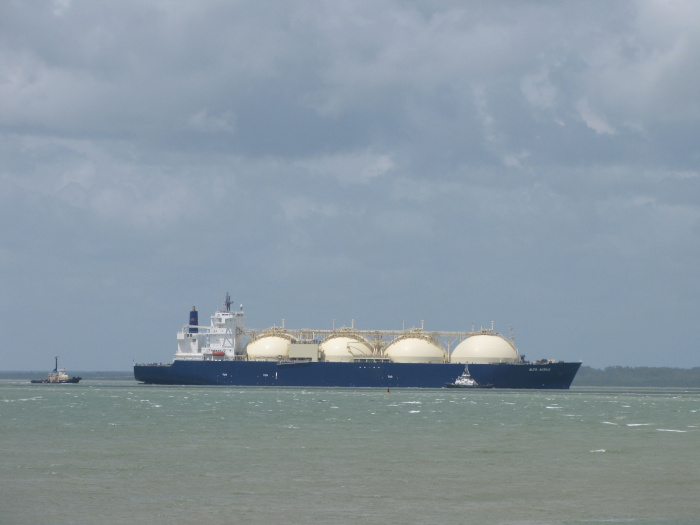
LNG-specific impacts: Qatar (a major exporter reliant on the strait for ~70%+ of its LNG shipments) declared force majeure earlier and halted much production after facility damage. It has begun repositioning empty LNG tankers back to the region and plans a gradual restart—targeting ~50% capacity within one month of safe passage being restored and ~80% within two months—with the rest potentially taking years to repair. No widespread LNG carrier movements through the strait have resumed yet.[7][8][9]
Timeline and outlook for full reopening: The deal calls for prompt reopening, but analysts and industry sources uniformly indicate normalization (clearing backlogs of hundreds of stranded vessels, restoring pre-war daily transits of ~120-140 vessels including LNG carriers, and rebuilding confidence/insurance) will take weeks to months, not days. Some sources note potential for gradual increases in tanker traffic (oil and LNG) post-deal, but emphasize risks like lingering hostilities, high war-risk premiums, and the need for verified safe passages.[1][10][11]
A Polymarket market on whether traffic returns to normal by July 31, 2026, stood around 54% yes as of mid-June. Major outlets (Reuters, Bloomberg, Al Jazeera, CNBC, Argus) have not yet reported a full, unrestricted reopening to all international LNG traffic.[12]
Key recent sources (prioritizing June 2026 publications):
- Argus Media (June 15-16, 2026): Reports unchanged tanker traffic post-US-Iran deal announcement; only limited movements like one LNG tanker Disha; shipowners awaiting formal signing on June 19.[4]
- Reuters (June 15, 2026): Notes shippers cautious despite framework deal; only one visible LNG transit (Disha); confidence and full resumption expected to take weeks.[6]
- CNBC (June 18, 2026): Details MOU signed June 17 calling for full reopening; warns traffic normalization will take weeks due to backlog and caution.[1]
- Bloomberg (June 16-17, 2026): Covers Qatar repositioning LNG tankers and planning rapid (but gradual) output restart post-reopening; 50% capacity in ~1 month, 80% in ~2 months of safe passage.[7]
- Al Jazeera (June 17, 2026): Explains reopening announced but only seven ships passed since deal; insurers and operators in wait-and-see mode; months for full restoration.[10]
- Wikipedia (updated June 18, 2026): Summarizes 2026 crisis; notes MOU implies prompt reopening effective immediately per mediator Pakistan; historical context of blockage since Feb 28.[2]
- Various trackers (MarineTraffic, hormuztracking.com, June 17-18, 2026): Show zero or minimal commercial outbound traffic; strait described as paralyzed or closed.[5]
- Bloomberg/others on Qatar (June 17, 2026): QatarEnergy communicating restart plans to buyers contingent on Hormuz safe navigation.[8]
- Argus/Reuters updates (June 2026): Limited smaller vessels and pre-arranged transits only; no surge in crude/LNG tankers post-announcement.[4]
- Earlier context (e.g., EIA historical): Pre-war, ~20% of global LNG (~10-11 Bcf/d) transited the strait, primarily from Qatar.[13]
No major news outlet has declared the strait fully reopened to unrestricted international LNG traffic as of June 18. Developments remain fluid, with the official signing referenced for June 19 and gradual traffic increases anticipated but not yet materializing at scale. Expert consensus points to a multi-week process even after political agreements.
=== Forecast Result ===
=== Reasoning ===
The question is not whether Hormuz ispolitically declared open, but whether before July 31 major outlets will be able to report that it has reopened to all international maritime LNG traffic, meaning LNG transit is no longer halted or severely restricted.
My read:
- Current status is still well short of resolution. The best current reporting says foreign-flag commercial flow is still drastically below normal, only a handful of LNG carriers have moved, and traffic remains selective, cautious, and backlog-constrained.
- The direction of travel is clearly positive. There is now a US-Iran deal/framework, a formal signing is imminent, first LNG transits have occurred, Qatar is repositioning ships, and the whole market expects some reopening rather than prolonged total closure.
- But the clock is short. There are only about six weeks left. Multiple sources describe the operational recovery as taking “weeks to months,” and that phrasing matters a lot when the resolution window is only 43 days.
- Insurance, mine clearance, and confidence are the key bottlenecks. Even if Iran and the US say the strait is open, if insurers, shipowners, and LNG buyers still treat the route as exceptional / escorted / selective, that likely does not meet “all international maritime LNG traffic.”
- LNG may resume faster than full shipping normalization, because the focus on Qatar is intense and even a moderate resumption could generate headlines. But the resolution standard still seems stricter than “some LNG is moving again.”
A useful way to think about it:
- By July 1, I’d put the chance of resolution only around 10-15%
- By July 15, around 30-35%
- By July 31, the extra two weeks help materially, but not enough to make this clearly more likely than not
So the base case remains partial reopening, not full enough to satisfy this market.
The main assumptions that could most alter this forecast:
- The ceasefire / MOU actually holds and is implemented cleanly
Chance this assumption fails: about 25%
If it fails, the forecast drops sharply. - Mine-clearing, convoying, and insurer confidence improve fast enough for routine LNG passage by late July
Chance this assumption fails: about 40%
This is probably the single biggest operational bottleneck. - Major outlets and adjudicators interpret resumed LNG movements as “reopened to all” even if flows are still below prewar levels
Chance this assumption fails: about 30%
This is the main wording / interpretation risk.
Overall, I think the strongest case is: real momentum toward reopening, but still more likely than not that by July 31 the situation is described as gradual, partial, or limited, rather than clearly reopened to all international LNG traffic.
Probability: 47%
End
About The Author