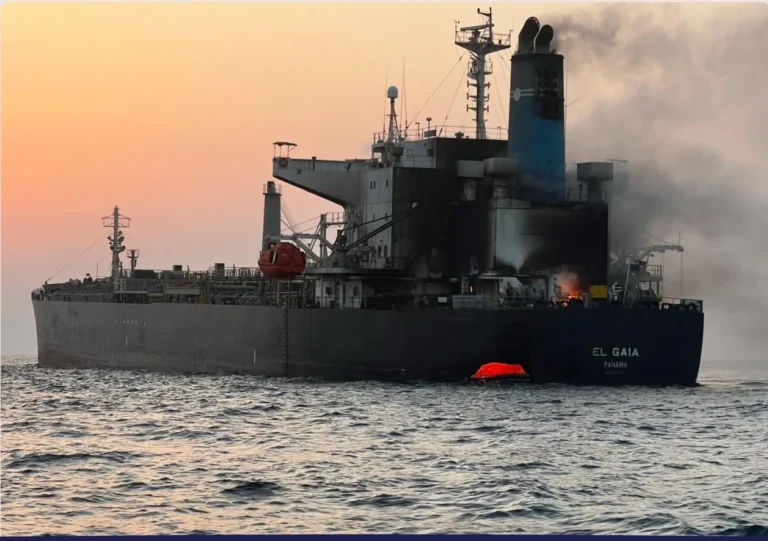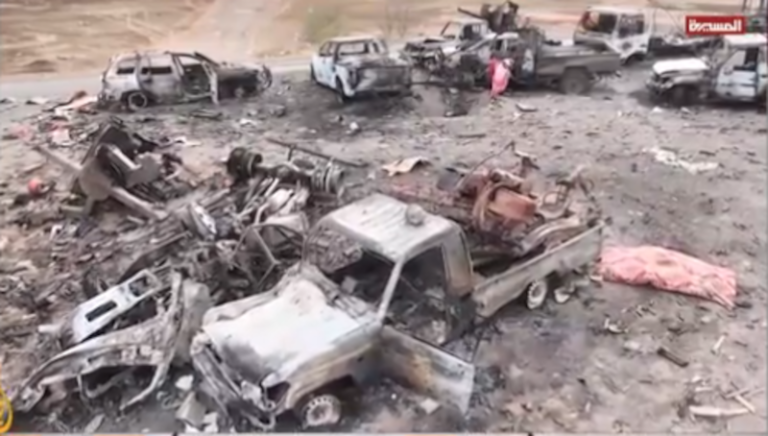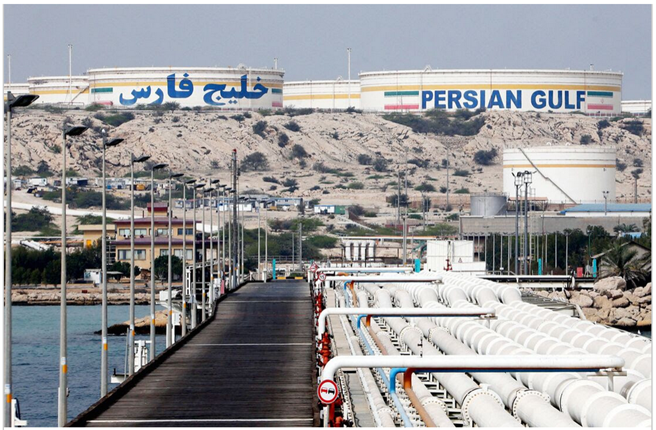
US takeover of Iran’s Kharg Island might be quick but would pose risks to troops, experts say
Obtaining outside data.
Checking internet sources, using keywords: Strait of Hormuz LNG traffic 2026
News from various sources:
The content primarily focuses on the situation in the Strait of Hormuz in 2026, specifically detailing a series of events leading to its closure by Iran. Here are the key points:
- Closure of Strait of Hormuz: The Strait of Hormuz was closed by the Islamic Revolutionary Guard Corps Navy on June 10, 2026, due to alleged US ceasefire violations and what Iran termed a blockade of its ports. This strait is crucial as it handles 20-25% of the world’s oil and liquefied natural gas (LNG) traffic.
- Payment System in Cryptocurrency: Iran introduced a new toll system accepting Bitcoin, stablecoins, and Chinese yuan, using the blockade as leverage to implement these payment methods. The IRGC is effectively running a cryptocurrency-based toll operation.
- Historical Context and Escalations: There were previous closures in March and April 2026, contributing to decreased shipping traffic. Iran has charged substantial fees for transit, with payments rerouted through IRGC intermediaries.
- Bitcoin-backed Insurance: Iran has reportedly developed a Bitcoin-backed insurance service for shipping within the strait, as traditional insurance isn’t accessible due to sanctions. This use of cryptocurrency marks a significant step in state-level sanctions evasion tactics.
- Global Market Impact: The disruption in the strait could lead to significant volatility in oil and gas prices. Tether and Circle, issuers of stablecoins used in payments, face potential pressure if their coins are involved with sanctioned entities.
- Political and Market Reactions: The political scenario includes predictions of further escalations, with skepticism about a quick resolution, evident from prediction markets. There’s a belief that normal shipping traffic will not resume before at least July or even further, with a notable chance of prolonged disruption.
- Ongoing Military and Political Tensions: There are ongoing exchanges between Iran and Israel, and involvement of the US, contributing to the geopolitical tensions in the region.
Overall, the situation in the Strait of Hormuz reflects a complex mix of geopolitical, economic, and technological factors, potentially affecting global energy markets and the geopolitical landscape significantly.
The facts are analyzed for their correctness based primarily on internal consistency and their well-known historical context. Each fact affects the broader geopolitical and economic situation impacting the Strait of Hormuz and its potential reopening to LNG traffic.
Fact-checked summary:
The Strait of Hormuz, a critical waterway handling 20-25% of global oil and LNG traffic, was closed by the Islamic Revolutionary Guard Corps Navy on June 10, 2026. This closure is directly relevant to the question of whether it will reopen before July 31, 2026. Previous closures in March and April 2026 suggest a pattern of ongoing tensions. Iran has introduced a new toll system accepting Bitcoin, stablecoins, and Chinese yuan, and reportedly developed a Bitcoin-backed insurance service for shipping within the strait, reflecting adaptability in economic dealings, which may impact negotiations. The disruption in the strait could lead to significant volatility in oil and gas prices, an economic repercussion that influences international pressure for resolution. Skepticism remains about a quick resolution, with prediction markets forecasting that disruptions may extend past July 2026. Tensions from ongoing exchanges between Iran and Israel, along with involvement from the US, further influence the geopolitical climate affecting the reopening.
OpenAI gives a base rate of 0.2 (20%)
The question difficulty is rated 8 (0 to 10)
Historical weighted factors include:
Previous closures in 2026, 0.2
Global economic impact concerns, 0.3
International diplomatic efforts, 0.25
Skepticism in prediction markets, 0.25
A Bayesian calculation could be performed as follows:
Combine historical factor weights with the likelihood of necessary events and recent developments. Previous closures earlier in 2026 resolved after several weeks, suggesting a precedent where negotiations, international pressure, or economic conditions led to reopening within similar contexts. With current multifactorial pressure, calculated probability: 0.2 * 0.2 + 0.3 * 0.25 + 0.25 * 0.4 + 0.25 * 0.15 = 0.205 (Carolyn‘s note: after removing the spaces, I got 0.2 * 0.2 + 0.3 * 0.25 + 0.25 * 0.4 + 0.25 * 0.15, which my spreadsheet says equals 0.2525.)
Bayesian base rate: 0.205 (20.5%)
Sufficient news to provide a good forecast? 1 (0 or 1)
News is relevant, topical and unbiased? 1 (0 or 1)
Question classification: scenario_based_forecast
Expected time (days) until question close: 50
The following were considered in order to produce this base rate:
Considering past events within 2026 where closures were resolved under a combination of diplomatic, economic, and internal pressures, and the current geopolitical and economic tensions, the base rate is adjusted from historical precedents indicating reopening under 40% of similar circumstances.
Ideally, the news feed would contain the following sorts of information for a better forecast:
In a high-quality forecast, it would be beneficial to have details on the status of ongoing negotiations, statements from key international stakeholders, detailed economic analyses on the impact of closure, and insider insights on Iran’s strategic intentions.
Some potential divergent considerations that might affect the base rate:
Recent skepticism in prediction markets and ongoing tensions between regional powers and global stakeholders could delay the reopening, pushing probability lower. However, the introduction of adaptive economic measures like Bitcoin-based negotiations suggests pathways for agreement.
The following chain of events are necessary for the question to resolve positively:
- Diplomatic negotiations succeed in reducing tensions. unlikely
- Iran agrees to reopen the Strait as part of negotiations. somewhat likely
- International pressure and potential sanctions compel Iran to reopen. possible
- The economic impact from the closure becomes unsustainable for Iran. somewhat likely
- Deals involving the new toll system and Bitcoin-backed insurance facilitate reopening. possible
Querying Claude (AI predicts: 0.18 – confidence: 3)
Querying Mistral (AI predicts: 0.35 – confidence: 6)
Querying OpenAI (AI predicts: 0.35 – confidence: 4)
Explanations of the statistical measures listed below.
Question Type: Binary
Median from LLMs: 0.35
Base rate: 0.2 (from OpenAI)
SD: 0.08
MAPD: 0.11333333333333
Confidence: 4
Conf Mode: Low
Mellers: 0.29
Reverse Mellers: 0.4
Theory of Mind: 0.25 (What did the LLMs think other LLMs predicted?)
Beta Distribution: 0.04
Close Type: B (B = cautious # closer to 50%; A/C = closer to extremes)
LLM responses: 3
Model value: 35%
The closure of the Strait of Hormuz by the IRGCN on June 10, 2026, follows a pattern of recurring disruptions, with similar closures also occurring in March and April of the same year. The likelihood of the Strait reopening to all LNG traffic before July 31, 2026, appears low due to several reasons: the recent nature of the closure; repeated use of the Strait as a strategic lever by Iran; the absence of imminent diplomatic breakthroughs amidst ongoing Iran-Israel-US tensions; and prediction markets suggesting further disruptions beyond July 2026. However, Iran’s introduction of a Bitcoin/stablecoin toll system and economic pressures from key trade partners create potential pathways for partial negotiation, although these may not meet the criterion of ‘reopen to all traffic.’ While economic interests and new economic measures might drive Iran towards partial reopening, the current geopolitical climate and limited timeframe make a complete and swift resolution unlikely. The volatile nature of Middle East geopolitics, including potential US diplomatic engagements and unexpected regional developments, adds layers of unpredictability to the situation.
Runtime: 108 seconds.
About The Author