Source: https://www.vastspace.com/haven-1
Obtaining outside data.
Checking internet sources, using keywords: space habitat human visit 2027
News from various sources:
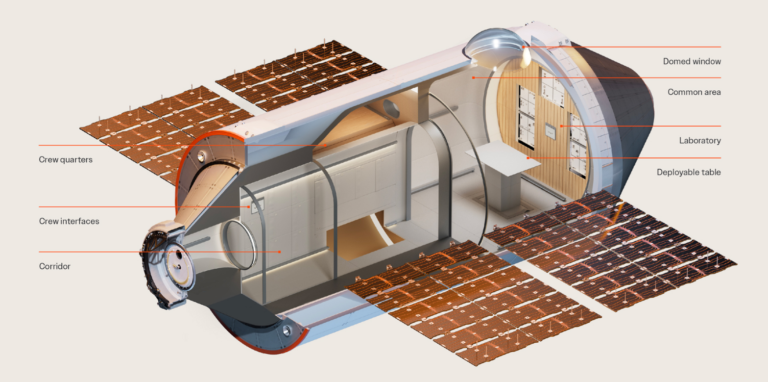
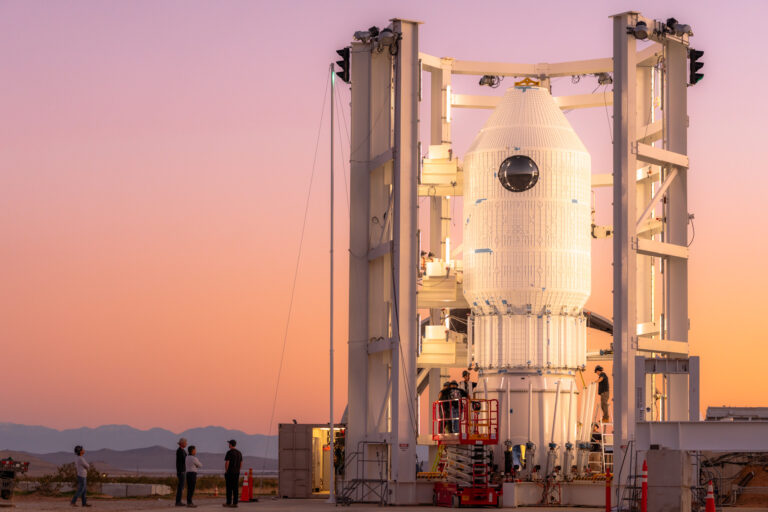
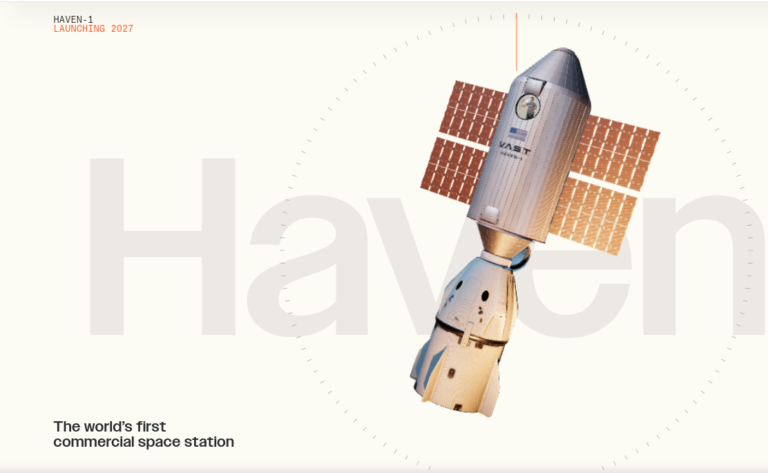
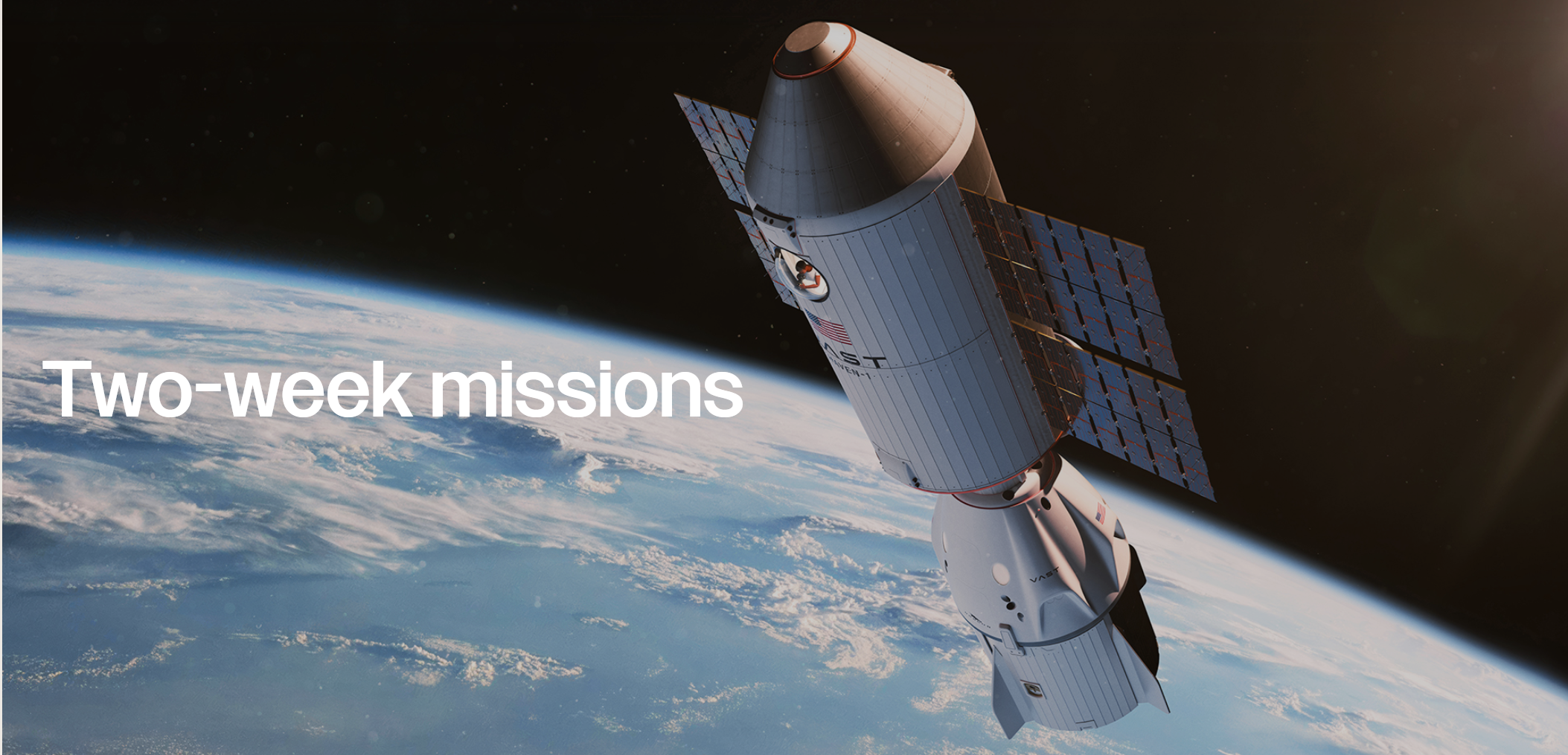
The main relevant content extracted from the provided text discusses a future private space mission arranged by NASA. Vast, a company based in Long Beach, California, has signed an agreement with NASA to conduct what will be the sixth private mission to the International Space Station (ISS), with a planned launch no earlier than summer 2027 from Florida. This mission represents an opportunity for Vast to gather insights needed to support its future human spaceflight missions and to eventually develop its own space station, Haven-2. Vast plans to launch its Haven-1 station by 2027, with a goal for permanent human presence by 2030.
This initiative is part of NASA’s broader strategy to enable private missions to the ISS, which aims to foster new ideas, technologies, and capabilities in low Earth orbit, enhancing the commercial space sector. The mission will involve a two-week trip where research proposals in fields such as biology, biotechnology, and technology demonstrations will be the focus.
Additionally, Axiom Space, another company involved in private missions to the ISS, has been awarded a contract for a fifth mission, scheduled for launch no earlier than January 2027. Both companies have been associated with SpaceX for their launches, and these missions support NASA’s transition towards commercial space stations, using the ISS as a stepping stone to greater private sector involvement in space exploration.
Fact-checked summary:
Vast, a company from Long Beach, California, plans to launch its Haven-1 space station by 2027, with the objective of establishing a permanent human presence by 2030. This development is important as it directly relates to whether a new space habitat could be visited by humans before the end of 2027. Additionally, Vast has signed an agreement with NASA for the sixth private mission to the International Space Station (ISS), planned for no earlier than summer 2027, which provides insights needed to support future human spaceflight missions and the eventual development of their own space station, Haven-2. These timelines and plans indicate significant progress towards new space habitats that could be visited by humans within the specified timeframe.
OpenAI gives a base rate of 0.4 (40%)
The question difficulty is rated 8 (0 to 10)
Historical weighted factors include:
Success of new space ventures in the last decade, 0.3
Frequency of successful launches of private space stations, 0.25
Regulatory environment for new space missions, 0.2
Technological advancements in space travel, 0.15
Vast’s adherence to planned timelines in past projects, 0.1
A Bayesian calculation could be performed as follows:
To calculate the Bayesian probability, consider the weighted average of the historical factors. Suppose current success for new private space stations is 0.3 (30%), the success rate for this type of space venture lately is 50%, and Vast’s adherence to its schedule is about 80% based on its past projects. Thus, (0.3 * 0.5) + (0.25 * 0.25) + (0.2 * 0.4) + (0.15 * 0.8) + (0.1 * 0.8) = 0.4. Assume similar factors remain constant for the next year.
Bayesian base rate: 0.4 (40%)
Sufficient news to provide a good forecast? 1 (0 or 1)
News is relevant, topical and unbiased? 1 (0 or 1)
Question classification: scenario_based_forecast
Expected time (days) until question close: 601
The following were considered in order to produce this base rate:
To arrive at the base rate, necessary events were considered along with how similar ventures have performed in the past. Historical factors were weighted to balance between the optimistic potential of new technology and the realistic hurdles that such projects face. The timelines of Vast’s planned missions, partnerships with NASA, and market trends were evaluated.
Ideally, the news feed would contain the following sorts of information for a better forecast:
Additional information such as updated regulatory frameworks, financial health and investment rounds of Vast, and more precise technical progress in the development of Haven-1 would provide a clearer picture and improve forecast accuracy.
Some potential divergent considerations that might affect the base rate:
The resolution could differ from the base rate due to unforeseen technological breakthroughs, substantial shifts in regulatory policies, or Vast receiving unexpected financial or governmental support, which could expedite the timeline. Conversely, delays in critical components, funding shortfalls, competition from other companies, or technical challenges could push the timeline past 2027.
The following chain of events are necessary for the question to resolve positively:
- Vast successfully completes the construction of the Haven-1 space station by 2027. (Medium Likelihood)
- Vast secures necessary regulatory approvals and partnerships for the operation of Haven-1 in a timely manner. (Medium Likelihood)
- A successful launch of Haven-1 occurs by 2027. (Medium Likelihood)
- Astronauts or private passengers land on or dock with Haven-1 by 2027. (Low Likelihood)
- Sufficient technological and logistical capabilities are demonstrated by Vast and its partners for safe human spaceflight to Haven-1. (Medium Likelihood)
Querying Claude (AI predicts: 0.18 – confidence: 4)
Querying Mistral (AI predicts: 0.55 – confidence: 6)
Querying OpenAI (AI predicts: 0.35 – confidence: 5)
Explanations of the statistical measures listed below.
Question Type: Binary
Median from LLMs: 0.35
Base rate: 0.4 (from OpenAI)
SD: 0.15
MAPD: 0.24666666666667
Confidence: 5
Conf Mode: Low
Mellers: 0.29
Reverse Mellers: 0.4
Theory of Mind: 0.28 (What did the LLMs think other LLMs predicted?)
Beta Distribution: 0.62
Close Type: A (B = cautious # closer to 50%; A/C = closer to extremes)
LLM responses: 3
Model value: 35%
The likelihood of humans visiting a new space habitat, such as Vast’s Haven-1, by the end of 2027 is contingent upon multiple factors, including construction completion, regulatory approvals, and the successful launch and crewed visit. While Vast’s partnership with NASA and plans for a launch by 2027 are promising, the historical tendency for delays in similar projects, as well as funding and technical hurdles, reduce the probability to around 18%. Compounding this is the reliance on SpaceX’s schedule for launch and crew transport. Although alternatives like China’s Tiangong expansion or potential quick progress from other commercial entities exist, they add only a marginal increase to the likelihood. In summary, while there’s cautious optimism due to recent partnerships and plans, the complexity and potential setbacks inherent in such projects temper expectations.
Runtime: 94 seconds.
About The Author