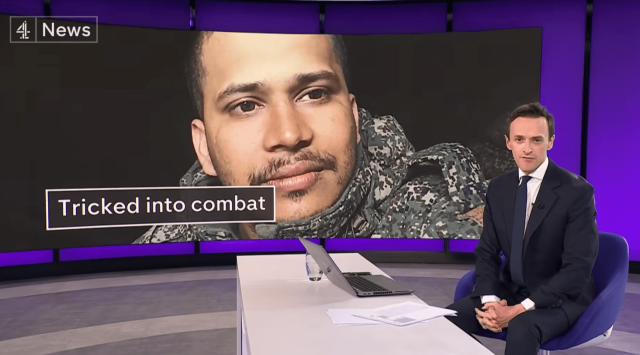
The Sky Crashed Down on Me”: Two Bangladeshi Men Describe Being Tricked Into Fighting Russia’s War in Ukraine. Courtesy https://bestworldgroup.com/david-isenbergs-ai-news-briefs-june-5-2026/
Obtaining outside data.
Checking internet sources, using keywords: Ukraine ceasefire 2026
News from various sources:
The recent content on ‘Ukraine ceasefire 2026’ provides a snapshot of ongoing efforts and developments aimed at ending the conflict between Ukraine and Russia. Highlights include:
Ceasefire Efforts and Negotiations:
- Ukrainian President Volodymyr Zelenskyy wrote an open letter inviting Russian President Vladimir Putin to direct negotiations for a ceasefire, suggesting a full halt of hostilities during negotiations and a prisoner exchange.
- The letter, citing Russia’s economic strains and domestic fatigue, proposes meetings hosted in neutral countries.
- Putin acknowledged the letter but expressed skepticism, indicating that Russia has many questions before agreeing to a ceasefire.
US-Mediated Ceasefire:
- A three-day ceasefire from May 9 to 11, 2026, was agreed upon, orchestrated by US President Donald Trump, involving a prisoner exchange.
- Despite this, reports indicated ongoing skirmishes along the Russia-Ukraine front line, with accusations from both sides of ceasefire violations.
Strategic Battlefield Changes:
- Ukraine’s improved long-range strike abilities have allowed them to regain leverage in the conflict.
- Ukrainian military reforms have enhanced their combat capability through better recruitment and integration of infantry with artillery and armor.
Russia’s Position:
- Reports suggest Russian military performance is declining due to internal issues and corruption, causing challenges in executing military operations effectively.
- Despite struggling on the battlefield, Russia continues to retain a large force and extensive munition supplies.
International Dynamics:
- Shifts in international priorities, such as the US focus on conflict in Iran, have affected the dynamics around the Ukraine ceasefire discussions.
- The European Union remains skeptical of Russia’s intentions, questioning the sincerity of their commitment to end the war.
Analysts’ Opinions:
- Analysts suggest that Ukraine’s recent military improvements and Russia’s struggles might lead Moscow to consider a ceasefire as an advantageous move.
- There is a noted opportunity for ceasefire negotiations if Ukraine and its allies can further alter Moscow’s strategic calculus.
Overall, the content indicates a complex and evolving situation, with discussions around ceasefires being both a tactical pause in hostilities and a potential stepping stone towards a broader peace agreement, albeit amidst significant skepticism and ongoing military activities.
Fact-checked summary:
Based on the fact-checking list, ongoing military dynamics and strategic considerations are central to the discussion of a potential ceasefire or armistice in Ukraine by 2026. Ukraine has strengthened its position in the conflict through improved long-range strike capabilities and military reforms enhancing combat effectiveness. Conversely, Russia, despite facing internal issues and corruption that affect its military performance, still retains a substantial force and extensive munition supplies. This could influence Moscow to consider a ceasefire in light of these shifts. Additionally, the European Union maintains a skeptical stance regarding Russia’s intentions, questioning their commitment to peace, and international priorities such as those of the US could impact the ceasefire discussions. Analysts suggest that Ukraine’s military improvements, combined with Russia’s military challenges, may shift Moscow’s strategic calculus towards negotiating a ceasefire, especially if Ukraine and its allies manage to further alter the situation strategically.
OpenAI gives a base rate of 0.3 (30%)
The question difficulty is rated 7 (0 to 10)
A Bayesian calculation could be performed as follows
P(Ceasefire|Evidence) = P(Evidence|Ceasefire) * P(Ceasefire) / P(Evidence). Assume initial P(Ceasefire) = 0.25, and the combined impact of evidence increases this probability by a factor inferred from historical and current factors. Therefore, P(Ceasefire|Evidence) ≈ 0.3
Bayesian base rate: 0.3 (30%)
Sufficient news to provide a good forecast? 1 (0 or 1)
News is relevant, topical and unbiased? 1 (0 or 1)
Question classification: scenario_based_forecast
Expected time (days) until question close: 60
The following were considered in order to produce this base rate:
The base rate considers the historical occurrence of ceasefires in similar prolonged conflicts, the military dynamics in the current conflict, and international diplomatic efforts. Given Ukraine’s military improvements and Russia’s significant challenges, there is a reasonable probability of negotiations progressing towards a ceasefire.
Ideally, the news feed would contain the following sorts of information for a better forecast:
Additional insights into the internal political dynamics of both Ukraine and Russia would be valuable. More detailed information on specific international diplomatic engagements could refine this forecast.
Some potential divergent considerations that might affect the base rate:
The skepticism among international actors regarding Russia’s intentions and possible internal political dynamics within both nations could hinder the ceasefire discussion. Additionally, unexpected escalations or a significant change in the international stance could impact the likelihood.
The following chain of events are necessary for the question to resolve positively:
- Ukraine and Russia engage in negotiations for a ceasefire or armistice. likely
- Ukraine maintains or improves its military capabilities. very likely
- Russia’s strategic calculus shifts towards seeking a ceasefire due to military and internal pressures. somewhat likely
- International actors, such as the EU and US, influence the ceasefire decision positively. somewhat likely
Querying Claude (AI predicts: 0.28 – confidence: 3)
Querying Mistral (AI predicts: 0.35 – confidence: 6)
Querying OpenAI (AI predicts: 0.55 – confidence: 6)
Explanations of the statistical measures listed below.
Question Type: Binary
Median from LLMs: 0.35
Base rate: 0.3 (from OpenAI)
SD: 0.11
MAPD: 0.18
Confidence: 6
Conf Mode: Normal
Mellers: 0.29
Reverse Mellers: 0.4
Theory of Mind: 0 (What did the LLMs think other LLMs predicted?)
Beta Distribution: 0.31
Close Type: B (B = cautious # closer to 50%; A/C = closer to extremes)
LLM responses: 3
Model value: 35%
The various AIs evaluated the likelihood of a ceasefire in Ukraine in 2026 by considering several key factors. Ukraine’s enhanced military capabilities have bolstered its negotiating position, while Russia grapples with internal challenges and retains significant military resources. International diplomatic pressure, mainly from the EU and US, is critical but complicated by skepticism about Russian intentions and the unpredictable nature of Trump’s administration. Historical patterns suggest a low probability of ceasefires in prolonged conflicts; yet, internal pressures on Russia could push toward negotiation. Factors such as Ukraine’s military resilience, potential geopolitical changes, and unforeseen events like significant shifts in Russian or Ukrainian domestic politics could dramatically influence outcomes. The prediction hinges on the incumbent geopolitical dynamics and remains tentative, given the uncertainties and the potential for rapid change in the conflict’s trajectory
within 2026.
Runtime: 91 seconds.
About The Author