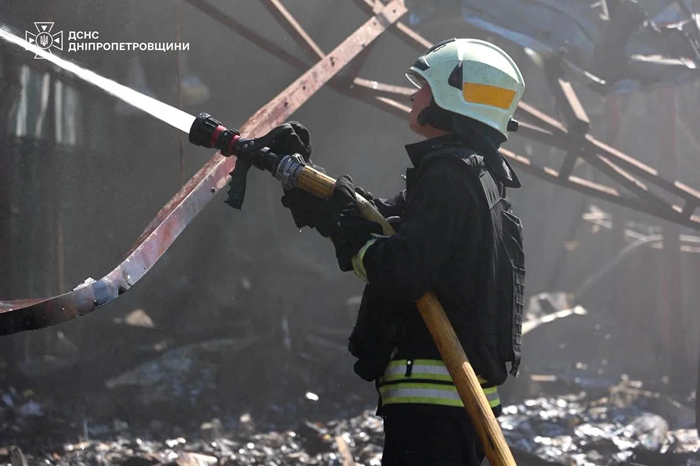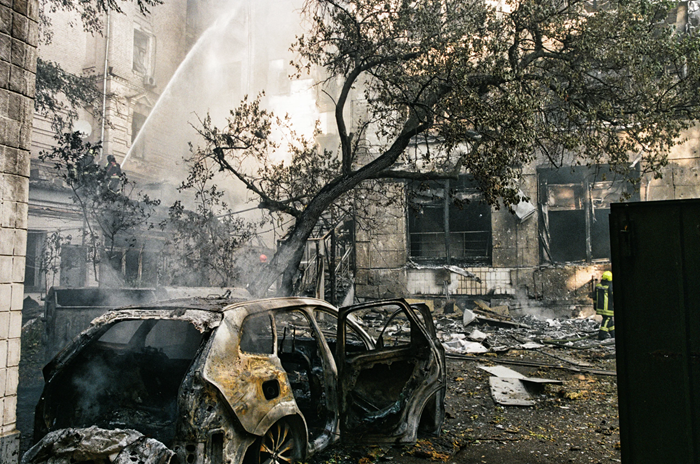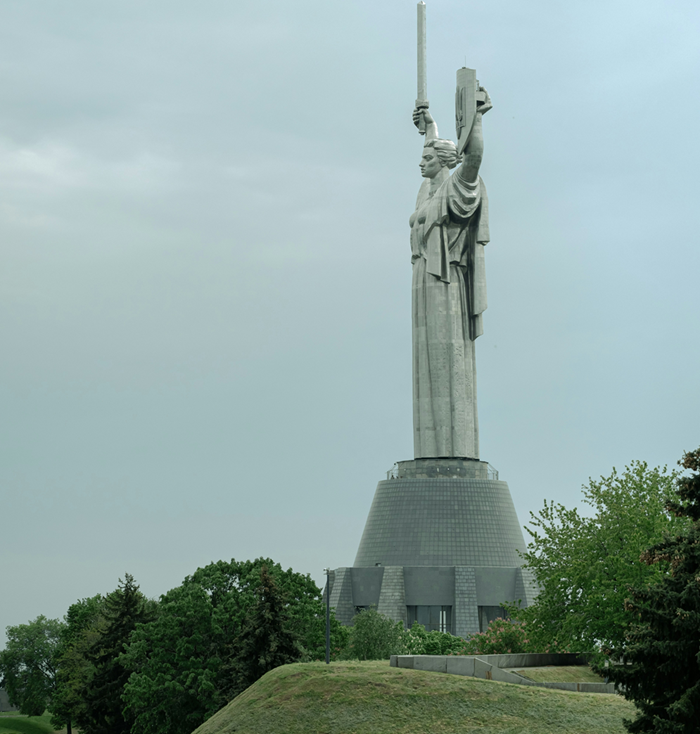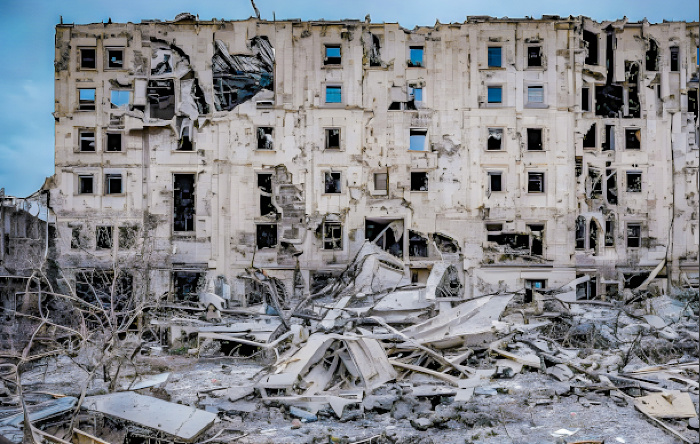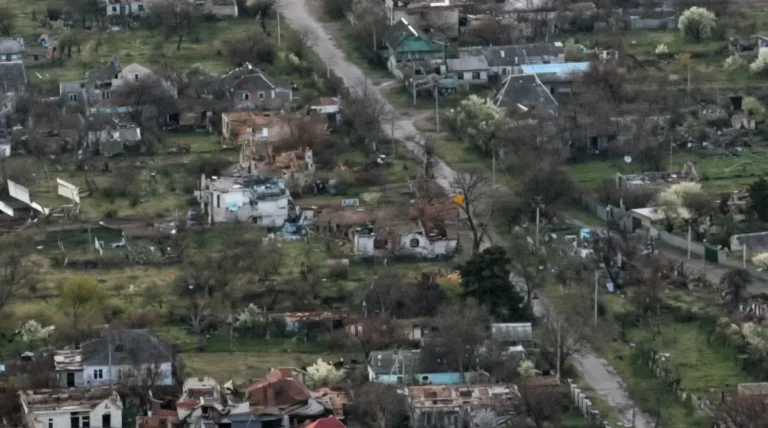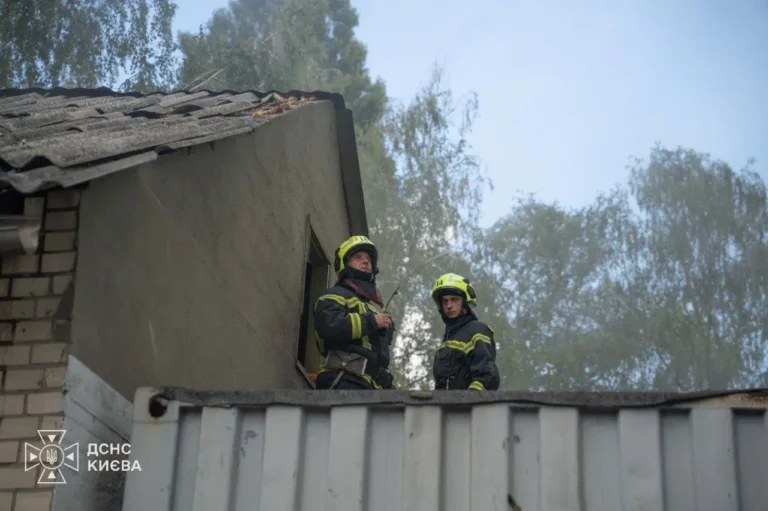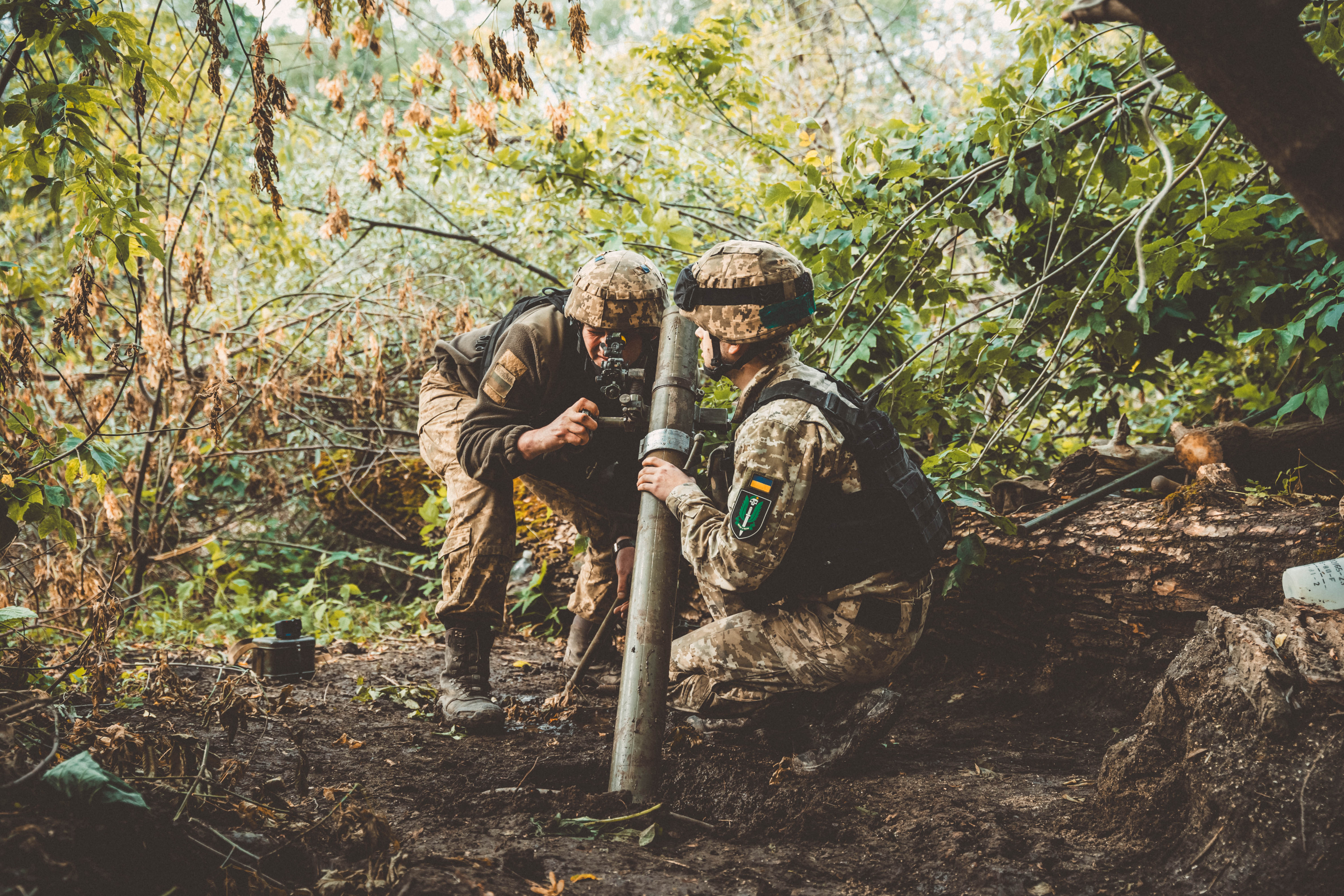
Ukrainian soldiers in combat. Source: https://war.ukraine.ua/imagebank/
Obtaining outside data.
Checking internet sources, using keywords: Ukraine ceasefire 2026
News from various sources:
The topic of “Ukraine ceasefire 2026” reveals a complex situation with various geopolitical dynamics and a significant impasse. Here are the key points:
Continued Conflict and Strikes:
- Russia has launched significant missile strikes on Ukraine, causing high civilian casualties, particularly in Kyiv.
- Ukraine has retaliated with attacks on Russian oil infrastructure, causing fuel shortages and impacting Russia’s war economy.
Ceasefire Proposals and Diplomatic Stalemate:
- Ukrainian President Volodymyr Zelenskyy proposed meeting President Putin for ceasefire talks, but Putin dismissed the conditions, demanding Ukraine cede control of regions and renounce its NATO aspirations.
- Ukrainian proposals reportedly included limiting fighting to Russian-annexed regions and allowing military strikes within those zones, but this was rejected by Russia.
Ukrainian and International Response:
- Putin claims Ukrainian attacks aim to disrupt Russian unity and insists the ceasefire only benefits Ukraine’s military strategies.
- Ukraine has requested increased military aid from allies and emphasized the critical need for air defenses.
International Diplomacy and Reactions:
- Russian and Ukrainian leaders do not appear close to reaching an agreement. Russia’s rejection of truces and demands underscore profound diplomatic hurdles.
- Some European countries and the U.S. government have shown inconsistent or critical responses to efforts in brokering peace, with former U.S. President Trump suggesting he wants the war to end swiftly but placing pressure on Ukraine to comply.
Public Sentiment and Future Considerations:
- Surveys in Ukraine show that a majority would entertain a ceasefire if European troops were positioned to deter further aggression.
- The EU is considering substantial financial support to offset Ukraine’s defense expenses, though internal EU disagreements and national interests complicate aid disbursements.
Overall, while there are discussions around potential ceasefires, Russia and Ukraine are embroiled in continued hostilities with minimal progress toward a lasting peace agreement, exacerbated by strategic distrust and geopolitical entrenchment.
Fact-checked summary:
Given the ongoing conflict between Russia and Ukraine, several key facts highlight the challenges of achieving a ceasefire or armistice by 2026. Russia has launched significant missile strikes on Ukraine, leading to high civilian casualties, particularly in Kyiv, and Ukraine has responded by targeting Russian oil infrastructure, impacting Russia’s war economy. Ukrainian President Volodymyr Zelenskyy has made proposals for ceasefire talks, which Russia has dismissed, with demands for Ukraine to cede control of certain regions and renounce NATO aspirations. Public statements from Russian leadership suggest that ceasefires are seen as beneficial only to Ukraine’s military strategies. Ukraine continues to seek increased military aid from allies, emphasizing the need for air defenses. Despite ongoing efforts, both Russian and Ukrainian leaders do not appear close to reaching an agreement. The EU is contemplating substantial financial support to aid Ukraine, although internal
disagreements pose challenges. These facts underscore the complex geopolitical and territorial stakes that continue to hinder a peaceful resolution.
OpenAI gives a base rate of 0.1 (10%)
The question difficulty is rated 8 (0 to 10)
Historical weighted factors include:
Previous ceasefire agreements in similar conflicts, 0.3
International pressure and mediation success rates, 0.2
Current dynamics of military engagement, 0.25
Internal political and economic pressures, 0.25
A Bayesian calculation could be performed as follows:
Using historical factors, if previous ceasefires in similar conflicts have a 20% success rate, international pressure has a 15% success rate, and considering weighted influence of military and political factors, the adjusted probability for a ceasefire by 2026 approaches 10%.
Bayesian base rate: 0.1 (10%)
Sufficient news to provide a good forecast? 1 (0 or 1)
News is relevant, topical and unbiased? 1 (0 or 1)
Question classification: scenario_based_forecast
Expected time (days) until question close: 180
The following were considered in order to produce this base rate:
The base rate considers the history of ceasefire agreements in similar protracted conflicts, which are rare, and the current geopolitical situation which is unfavorable for reaching a ceasefire.
Ideally, the news feed would contain the following sorts of information for a better forecast:
Additional information on secret negotiations, shifts in public opinion within Russia and Ukraine, and more detailed insights from international diplomatic efforts would be valuable.
Some potential divergent considerations that might affect the base rate:
Continued high-intensity conflict, stalemate situations, and lack of incentive for either side to concede diminish the chances of a ceasefire agreement.
The following chain of events are necessary for the question to resolve positively:
- Ceasefire or armistice agreement is reached between Russia and Ukraine Unlikely
- Russia and Ukraine agree on terms for ceasefire, including territorial and political concessions Very Unlikely
- Both countries reduce military engagements significantly Unlikely
- International mediation efforts succeed in bringing both parties to the negotiation table Uncertain
- Domestic pressure in Russia and Ukraine leads to desire for peace Uncertain
Querying Claude (AI predicts: 0.14 – confidence: 4)
Querying Mistral (AI predicts: 0.15 – confidence: 6)
Querying OpenAI (AI predicts: 0.15 – confidence: 4)
Explanations of the statistical measures listed below.
Question Type: Binary
Median from LLMs: 0.15
Base rate: 0.1 (from OpenAI)
SD: 0
MAPD: 0.0066666666666667
Confidence: 4
Conf Mode: Low
Mellers: 0.07
Reverse Mellers: 0.24
Theory of Mind: 0 (What did the LLMs think other LLMs predicted?)
Beta Distribution: 0.001
Close Type: A (B = cautious # closer to 50%; A/C = closer to extremes)
LLM responses: 3
Model value: 0.15 (15%)
The consensus among the AI responses is that the likelihood of a ceasefire in Ukraine. Several key facts highlight the challenges of achieving a ceasefire or armistice by 2026. Russia has launched significant missile strikes on Ukraine, leading to high civilian casualties, particularly in Kyiv, and Ukraine has responded by targeting Russian oil infrastructure, impacting Russia’s war economy.Several key facts highlight the challenges of achieving a ceasefire or armistice by 2026. Russia has launched significant missile strikes on Ukraine, leading to high civilian casualties, particularly in Kyiv, and Ukraine has responded by targeting Russian oil infrastructure, impacting Russia’s war economy. by the end of 2026 is low, with an estimated probability of around 10-15%. This assessment is based on the historical rarity of ceasefires in protracted conflicts, ongoing military escalations, and the entrenched geopolitical stances of Ukraine and Russia. Both countries have strategic and political reasons to maintain hostilities, and international mediation has not yet succeeded in brokering a resolution. Despite these challenges, some factors could potentially change this outlook, such as unexpected military developments, significant diplomatic efforts, or shifts in political or economic conditions within Russia or Ukraine. However, these scenarios are deemed unlikely in the near term, leaving the overall probability of a ceasefire low for the remainder of 2026.
Runtime: 131 seconds.
About The Author