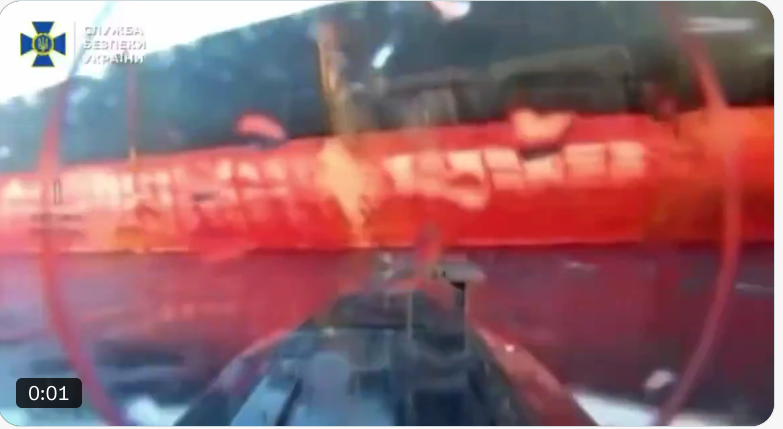
A Sea Baby drone about to sink a Russian ship
Obtaining outside data.
Checking internet sources, using keywords: Ukraine ceasefire armistice 2026
News from various sources:
The extracted web content mentions various developments related to the Ukraine ceasefire and the ongoing conflict with Russia in 2026:
- Potential Ceasefire Concerns: There is a discussion about the potential ceasefire in Ukraine, which could offer temporary relief from fighting but raises security concerns for NATO, especially along Russia’s border. NATO states are worried about a modernized Russian army possibly acting aggressively along the Baltic or Nordic borders. Western intelligence suggests Russia might provoke NATO, though a full-scale invasion seems unlikely soon.
- Russian Military Buildup: Russia is rebuilding its military capabilities despite suffering high casualties in the Ukraine conflict. It has ramped up military production and positioned troops along its border with NATO countries. Finland and other Nordic states are particularly concerned about the increase in Russian troop presence.
- NATO and European Defense Preparations: NATO has enhanced its defense investments, increasing the size and capability of its forces, especially in northeastern Europe. There are ongoing efforts to bridge gaps in defense capabilities, such as air defense and drone warfare technologies.
- Ceasefire Initiatives and Challenges: There’s mention of a tentative three-day ceasefire between Russia and Ukraine mediated by the United States, yet previous ceasefires have often fallen through due to violations by both parties. President Zelenskyy has criticized Russia’s approach to ceasefires and expressed skepticism about their effectiveness.
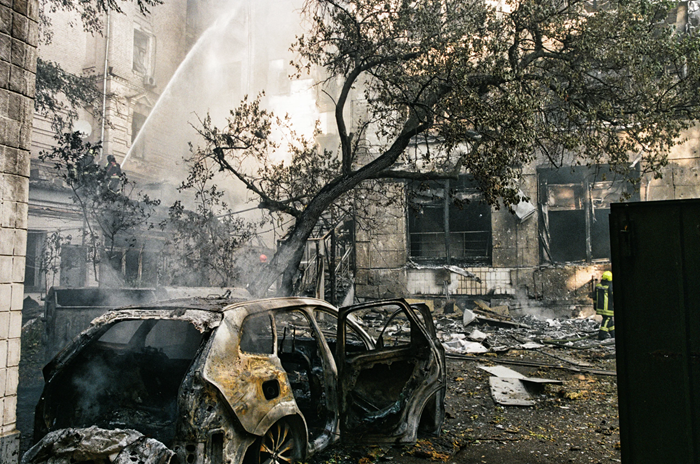
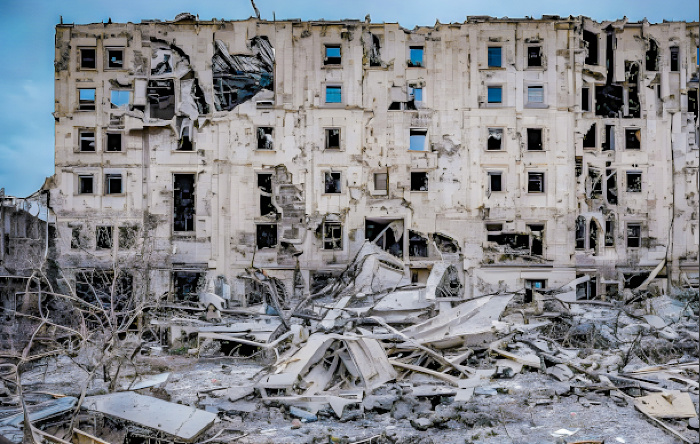
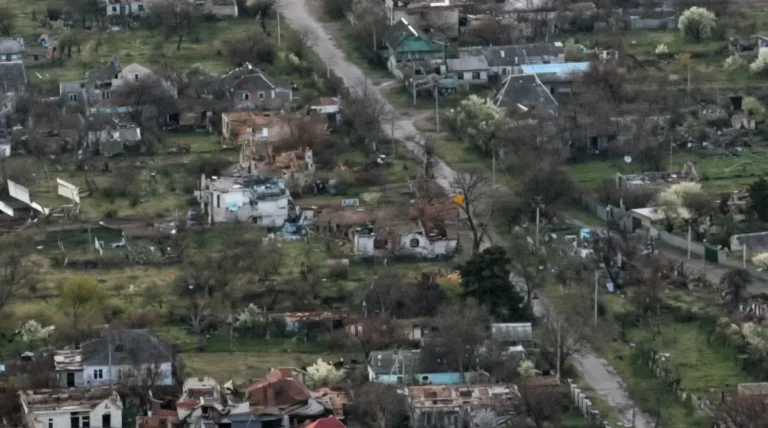
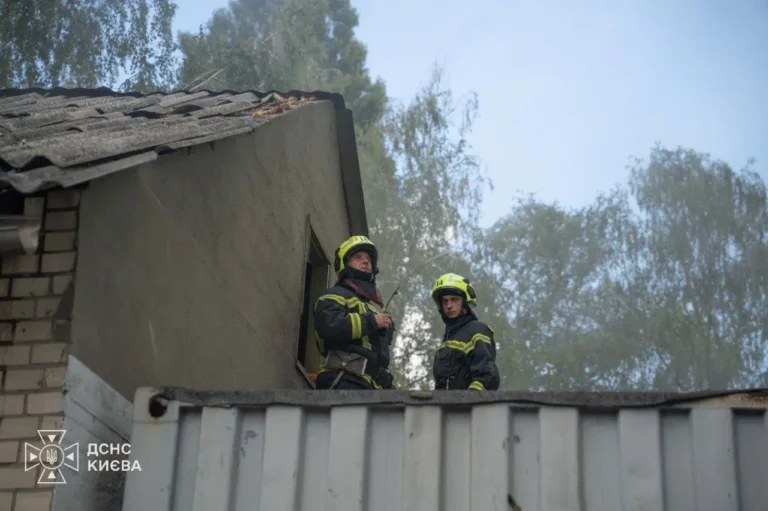
- Russian Attacks and Ukrainian Countermeasures: Russia continues to execute drone and missile attacks on Ukrainian cities, causing significant civilian casualties. Conversely, Ukraine has been targeting Russian oil facilities and military infrastructure in retaliation.
- Long-term Support and Security for Ukraine: The Dutch Advisory Council on International Affairs recommends sustained European support for Ukraine, emphasizing the need for international security assurance forces to deter further aggression from Russia.
In summary, while ceasefire discussions are ongoing, the situation remains tense, with both sides preparing for continued hostilities and international actors considering long-term strategies to support Ukraine’s defense and regional stability.
Fact-checked summary:
The situation regarding a potential ceasefire or armistice in Ukraine in 2026 involves several critical factors. There are ongoing discussions about a ceasefire in Ukraine that could provide temporary relief but also raise NATO security concerns, which is important for regional stability considerations. Russia is actively rebuilding its military capabilities and positioning troops near NATO’s border, a move documented to affect geopolitical dynamics and potentially influence ceasefire negotiations. In response, NATO has been enhancing its defense investments, especially in northeastern Europe, impacting the security environment surrounding ceasefire discussions. Previous attempts at ceasefires, such as a tentative three-day truce mediated by the US, faced challenges due to historical violations, highlighting the critical importance of their effectiveness and sustainability. Additionally, ongoing military exchanges between Russia and Ukraine, including attacks on cities and critical infrastructure, are relevant as they affect the likelihood and terms of any potential ceasefire agreements. Finally, sustained international support for Ukraine, as recommended by advisory bodies like the Dutch Advisory Council, is aligned with broader EU policy discussions and could create favorable conditions for a ceasefire declaration. These elements combined significantly influence the prospects of a ceasefire or armistice being declared in Ukraine in 2026.
OpenAI gives a base rate of 0.2 (20%)
The question difficulty is rated 8 (0 to 10)
Historical weighted factors include:
Previous ceasefire attempts in Ukraine, 0.3
Current geopolitical dynamics, 0.4
International diplomatic efforts, 0.3
A Bayesian calculation could be performed as follows:
Using historical factors and current events, we apply Bayesian updates: P(Ceasefire) = Base_rate * (Likelihood of necessary events). Calculating a weighted average with the probabilities: (0.2 * 0.3) + (0.4 * 0.4) + (0.2 * 0.3) = 0.3 (30%) (Carolyn‘s note: According to LibreOffice Calc it equals 0.28 (28%))
Bayesian base rate: 0.3 (30%)
Sufficient news to provide a good forecast? 1 (0 or 1)
News is relevant, topical and unbiased? 1 (0 or 1)
Question classification: scenario_based_forecast
Expected time (days) until question close: 170
The following were considered in order to produce this base rate:
The base rate considers historical attempts at ceasefires, often unsuccessful, and factors in the significant geopolitical tensions and current military escalations.
Ideally, the news feed would contain the following sorts of information for a better forecast:
Additional information on the current political will among key stakeholders, especially within Russian and Ukrainian leadership, would provide deeper insights.
Some potential divergent considerations that might affect the base rate:
The active rebuilding of Russian military capabilities and NATO’s defensive investments could either hinder or incentivize ceasefire negotiations, depending on strategic objectives.
The following chain of events are necessary for the question to resolve positively:
- Ceasefire negotiations begin between Ukraine and Russia. High
- Sufficient international pressure and support from NATO and EU for a ceasefire agreement. Moderate
- Military conditions stabilize on the ground between Ukraine and Russia. Moderate
- Agreement on terms that are acceptable to both Ukraine and Russia. Moderate
Querying Claude (AI predicts: 0.32 – confidence: 3)
Querying Mistral (AI predicts: 0.3 – confidence: 5)
Querying OpenAI (AI predicts: 0.35 – confidence: 5)
Explanations of the statistical measures listed below.
Question Type: Binary
Median from LLMs: 0.32
Base rate: 0.2 (from OpenAI)
SD: 0.02
MAPD: 0.033333333333333
Confidence: 5
Conf Mode: Normal
Mellers: 0.25
Reverse Mellers: 0.38
Theory of Mind: 0.3 (What did the LLMs think other LLMs predicted?)
Beta Distribution: 0.001
Close Type: B (B = cautious # closer to 50%; A/C = closer to extremes)
LLM responses: 3
Model value: 0.32 (32%)
The assessment of the likelihood of a ceasefire or armistice in Ukraine in 2026 centers on historical base rates, ongoing military dynamics, and diplomatic efforts. Historically, ceasefires in similar prolonged conflicts have low success rates, with the current base estimated at 20%. However, discussions and mediation efforts, particularly by the US and EU, have raised this probability to approximately 30%, acknowledging active negotiation attempts and international pressure for resolution., acknowledging active negotiation attempts and international pressure for resolution. Key factors influencing this assessment include NATO and EU support for Ukraine, which applies pressure for a negotiated settlement, and Russia’s military rebuilding, suggesting ongoing offensive aims. The challenge lies in overcoming historical truce violations, deep mistrust, and military exchanges, which complicate a durable agreement. Short-term promotions like the US-mediated tentative truce offer some hope, but structural obstacles remain significant. Changes in geopolitical conditions, such as escalated military actions or shifts in international support, could alter this outlook, either accelerating or further hindering chances for a ceasefire.
Runtime: 155 seconds.
About The Author