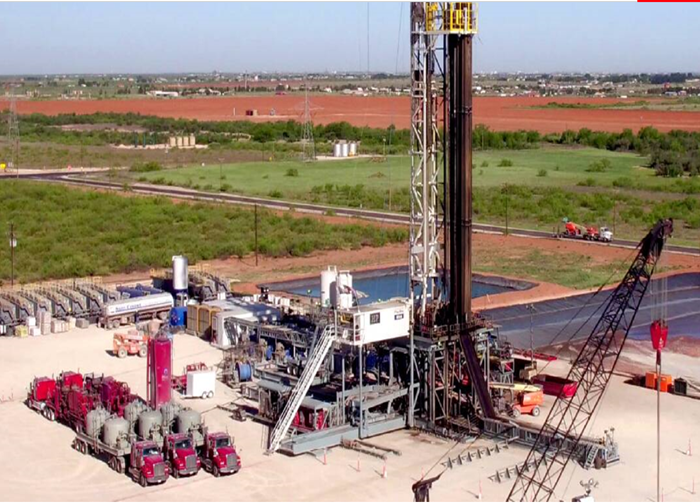
Coiled Tubing is a continuous length of steel pipe used for various well interventions. Oilwell Group offers coiled tubing services that minimize rig time and maximize well access for cleaning, acidizing, and downhole tool deployment. Source: OWS https://www.oilwellgroup.net/en-us Coiled Tubing is a continuous length of steel pipe used for various well interventions. Oilwell Group offers coiled tubing services that minimize rig time and maximize well access for cleaning, acidizing, and downhole tool deployment. Source: OWS https://www.oilwellgroup.net/en-us
Obtaining outside data.
Checking internet sources, using keywords: Brent Crude price 2026
News from various sources:
The document contains web content related to Brent Crude oil prices in 2026, interspersed with various irrelevant links, news headlines, and promotional messages. Here is a summary of the relevant information on Brent Crude prices:
Current Price Movements:
- As of April 2026, the price of Brent Crude was trading around $98 per barrel, with a recent high of $111.25. Prices have been volatile due to geopolitical tensions, particularly regarding potential conflict between the US and Iran.
- On April 14, 2026, Brent crude prices slightly fell in response to US-Iran talks but were expected to rebound if the ceasefire failed.
Geopolitical Context:
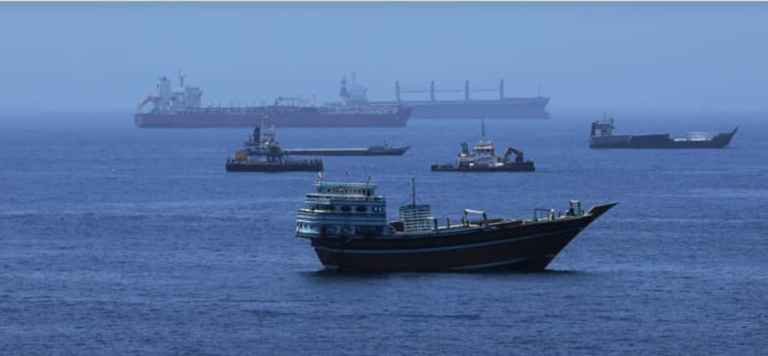
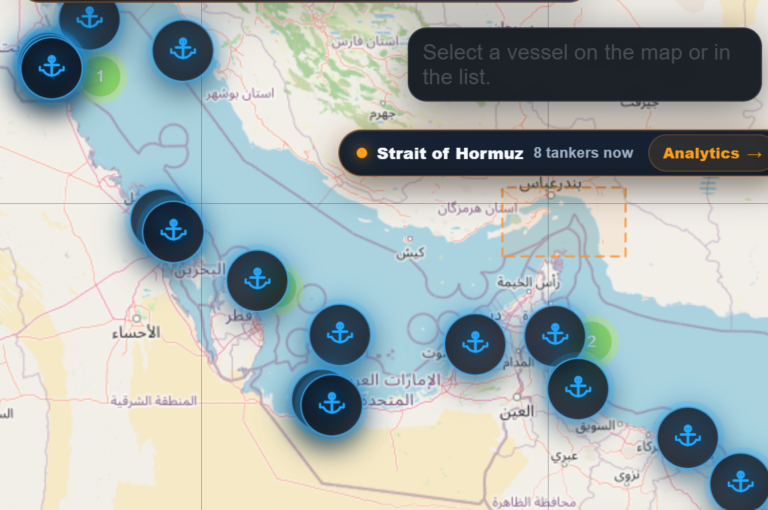
- Ongoing tensions include US-Iran negotiations about nuclear activity and US military actions (like blockading the Strait of Hormuz), which considerably impact oil prices.
- The supply through the Strait of Hormuz, a key oil transit route, remains constrained due to military actions, leading to volatility in oil prices.
Market Outlook:
- The US Energy Information Administration (EIA) lifted its Brent price forecast for 2026. Brent crude is projected to average $114.60 per barrel in the second quarter, $99.80 in the third, and $88.00 in the fourth.
- The EIA expects prices to average $96 per barrel for 2026 and decline to $76.09 in 2027, assuming geopolitical tensions ease.
Analyst Predictions:
- Some market analysts and traders, such as those on platforms like Polymarket, anticipate a rebound in crude oil prices, possibly reaching $120 per barrel, driven by geopolitical risks and the potential breakdown of ceasefires.
Technical Analysis:
- Technical indicators such as the three-day chart and Fibonacci retracement level suggest potential rebounds in prices if geopolitical tensions escalate further.
Potential Impacts:
- A return to widespread conflict involving Iran is expected to push prices higher, as it may lead to attacks on regional oil infrastructure.
- Global oil demand growth for 2026 is revised down to 0.6 million barrels per day due to high prices and potential disruptions.
In summary, Brent crude prices in 2026 are highly influenced by geopolitical developments, notably US-Iran interactions. While there is a potential for prices to spike due to military tensions, market forecasts project a decline as situations stabilize towards the year’s end.
Overall, the importance of these facts ranges from important to critical in understanding potential future movements in Brent Crude prices, with most being relevant to answering questions about future price trends. However, none directly indicate prices falling below $50 per barrel; instead, they provide context for potential price increases or stabilizations above current levels if geopolitical tensions persist.
Fact-checked summary:
The question of whether the price of Brent Crude will fall below $50 per barrel in 2026 is informed by several key factors. Current geopolitical tensions, particularly between the US and Iran, play a critical role in influencing oil prices, leading to volatility and potential spikes; this makes it relevant to future price projections. Technical indicators support the notion of potential rebounds if geopolitical tensions escalate further, suggesting continued price volatility. Additionally, military actions have constrained supply through the Strait of Hormuz, contributing to supply constraints and price volatility. Global oil demand growth has been revised down due to high prices and potential disruptions, which is important for understanding demand impacts on prices. Furthermore, a return to widespread conflict involving Iran is anticipated to push prices higher due to possible attacks on regional oil infrastructure, highlighting critical risk factors associated with price
fluctuations. These facts suggest the likelihood of Brent Crude prices stabilizing above current levels rather than dropping below $50 per barrel if these geopolitical dynamics persist.
OpenAI gives a base rate of 0.1 (10%)
The question difficulty is rated 8 (0 to 10)
Historical weighted factors include:
US-Iran geopolitical tensions, 0.3
Global oil demand trends, 0.25
OPEC production decisions, 0.2
Technological changes in oil extraction, 0.1
Global economic conditions, 0.15
A Bayesian calculation could be performed as follows:
Applying the weights to the historical factors, with updates for current events and geopolitical realities, yields a Bayesian estimate. Starting from a base rate of 0.5 (neutral likelihood), adjusting based on each factor: US-Iran tensions (down to 0.3), global demand trends (further down to 0.225), OPEC decisions (further down to 0.18), tech changes (slight decrease to 0.16), and global economy (final adjustment to approximately 0.1). These adjustments consider the negative impact of increased tensions and demand trends on the likelihood of a significant price drop.
Bayesian base rate: 0.1 (10%)
Sufficient news to provide a good forecast? 1 (0 or 1)
News is relevant, topical and unbiased? 1 (0 or 1)
Question classification: scenario_based_forecast
Expected time (days) until question close: 261
The following were considered in order to produce this base rate:
The base rate is primarily informed by recent geopolitical tensions and historical volatility in the oil markets. The significant influence of US-Iran tensions on supply routes suggests a limited chance of prices falling significantly. Historical data indicates that similar conditions have either stabilized prices or driven them higher.
Ideally, the news feed would contain the following sorts of information for a better forecast:
Additional data on potential major technological innovations or shifts in energy policy by major economies could be informative. Data on alternative energy adoption trends and major economic policy shifts would also aid in the forecast.
Some potential divergent considerations that might affect the base rate:
A major global recession could significantly reduce demand, increasing the chance of lower prices. Moreover, unexpected diplomatic resolutions or breakthroughs in energy technology could alter the current trajectory.
The following chain of events are necessary for the question to resolve positively:
- Geopolitical tensions between the US and Iran de-escalate significantly or resolve Unlikely
- Global oil demand decreases significantly Somewhat Unlikely
- Significant increase in oil supply from major producers Somewhat Unlikely
- Technological advancements significantly reduce the cost of oil extraction Unlikely
- Global recession reduces demand for oil drastically Possible
Querying Claude (AI predicts: 0.22 – confidence: 4)
Querying Mistral (AI predicts: 0.25 – confidence: 6)
Querying OpenAI (AI predicts: 0.1 – confidence: 7)
Explanations of the statistical measures listed below. https://bestworldgroup.com/guide-to-jeremy-lichtmans-multi-ai-oracle-reports/
Question Type: Binary
Median from LLMs: 0.22
Base rate: 0.1 (from OpenAI)
SD: 0.06
MAPD: 0.1
Confidence: 6
Conf Mode: Normal
Mellers: 0.14
Reverse Mellers: 0.31
Theory of Mind: 0.15 (What did the LLMs think other LLMs predicted?)
Beta Distribution: 0.05
Close Type: A (B = cautious # closer to 50%; A/C = closer to extremes)
LLM responses: 3
Model value: 22%
The consensus among the AI analyses is that the likelihood of Brent Crude oil prices dropping below $50 per barrel in 2026 is low due to several stabilizing factors. Key reasons include sustained geopolitical tensions, especially involving the US and Iran, which historically support elevated price levels through supply constraints. OPEC+’s willingness to cut production to maintain prices and the relatively stable global demand further reduce the probability of a price drop. However, risks such as the potential for a severe global recession driven by trade wars, breakdown of OPEC+ discipline, unexpected diplomatic breakthroughs, or rapid technological shifts could increase the chance of prices falling. Despite current prices being significantly above $50, an unprecedented confluence of such negative shocks could disrupt the market and push prices lower.
Runtime: 123 seconds.
About The Author