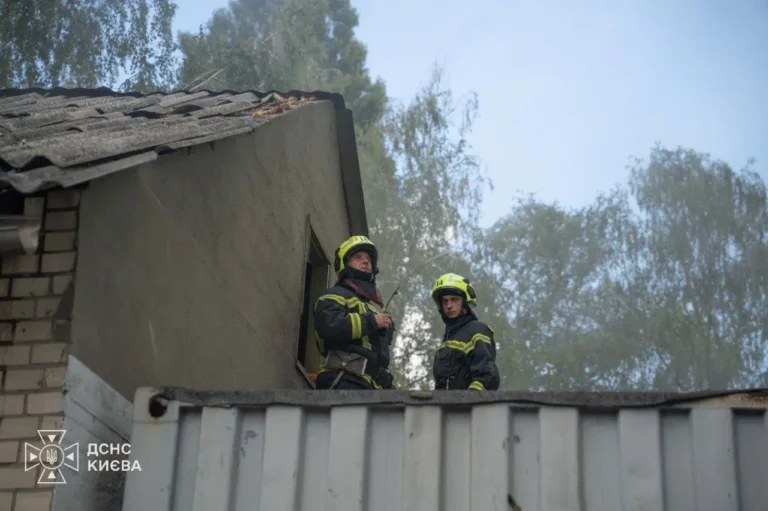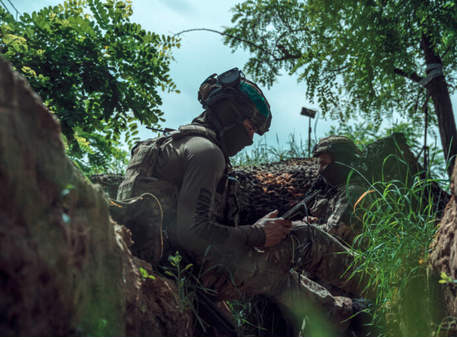
Ukrainian soldiers directing a drone, its antenna visible against the sky.
Grok response:
1. Peace negotiations in the Russo-Ukrainian war (2022–present) – Wikipedia
Description: Comprehensive overview of all peace efforts since 2022.
Publication date: Updated through July 2026 (last crawl July 31, 2026).
Summary: Details Russia’s maximalist demands (retaining occupied territories, Ukrainian neutrality, sanctions relief) versus Ukraine’s calls for full withdrawal and security guarantees. Notes brief 2026 pauses including a 32-hour Orthodox Easter ceasefire on April 11 and rival Victory Day proposals, followed by a U.S.-brokered three-day truce May 9–11 that saw mutual violation accusations. Emphasizes stalled diplomacy with no comprehensive ceasefire or armistice reached by mid-2026.[1]
2. Media Tip Sheet: Russia and Ukraine Declare Competing Ceasefires – George Washington University
Description: Academic/media briefing on May 2026 unilateral actions.
Publication date: May 5, 2026.
Summary: Covers rival unilateral ceasefire declarations around Victory Day commemorations. Russia proposed a short pause; Ukraine countered with an open-ended offer from May 6. Both sides continued limited operations, highlighting lack of mutual trust or binding agreement.[2]
3. On May 9, 2026, Russia and Ukraine declared a three-day ceasefire… – The CSR Journal (Facebook post citing events)
Description: Report on U.S.-mediated short truce.
Publication date: May 9, 2026.
Summary: Describes the three-day halt (May 9–11) brokered by President Trump, including a 1,000-prisoner swap per side. Notes it was temporary and tied to holiday observances rather than a broader settlement. Highlights ongoing diplomatic efforts amid the four-year conflict.[3]
4. How a Russia–Ukraine ceasefire could imperil Ukrainian and European security – Chatham House
Description: Think-tank analysis of ceasefire risks.
Publication date: May 28, 2026.
Summary: Examines potential downsides of any pause allowing Russia to regroup or redirect pressure. Stresses that a limited ceasefire might not address core territorial or security issues. Published weeks after the May three-day truce amid continued fighting.[4]
5. Russia x Ukraine ceasefire by end of 2026? – Polymarket
Description: Prediction market on official ceasefire agreement.
Publication date: Ongoing (market data as of July 31, 2026).
Summary: Traders priced a mutually agreed official ceasefire by Dec. 31, 2026, at ~25.5% yes. Cites Kremlin comments post-May 9 truce that “peace remains a very long way off.” Reflects market view of entrenched stalemate through year-end.[5]
6. Trump hopes for extension to agreed three-day Ukraine-Russia ceasefire – Reuters
Description: On-the-ground reporting of the May truce.
Publication date: May 8, 2026 (updated May 9).
Summary: Confirms U.S.-brokered three-day ceasefire May 9–11 with prisoner exchange. Both sides later accused each other of violations via drone and artillery strikes. Trump expressed hope for extension, but wider peace push remained stalled.[6]
7. Shadow of Anchorage no-deal looms over Ukraine peace… – PRIO
Description: Analysis of 2026 diplomatic deadlock.
Publication date: June 22, 2026.
Summary: Notes tactical shifts in fighting but zero progress on diplomacy through mid-year. Highlights Zelenskyy-Putin letter exchanges and European “troika” initiatives rejected by Moscow. Stresses persistent gaps on territory, security guarantees, and mediation formats.[7]
8. Exclusive: Ukraine, US align on new peace push… – Kyiv Independent
Description: Reporting on late-July 2026 coordination.
Publication date: ~July 24, 2026.
Summary: Details ongoing U.S.-Ukraine talks on new proposals, including a possible air ceasefire to present to Russia. Notes planned envoy travel and potential Zelenskyy-Trump meeting. Indicates continued behind-the-scenes efforts without imminent breakthrough.[8]
9. Kremlin says too early to comment on reported US-Ukraine air ceasefire talks – Reuters
Description: Russian response to July 2026 reports.
Publication date: July 26, 2026.
Summary: Kremlin spokesman called it premature to comment on U.S.-Ukraine air-ceasefire discussions. Reiterated past Russian rejections of Ukrainian ceasefire offers. Shows diplomacy remains active but far from consensus.[9]
10. Ukraine, Russia trade accusations of violating US-backed ceasefire – Reuters
Description: Post-truce violation reports.
Publication date: May 10, 2026 (updated May 11).
Summary: Documents immediate breakdowns in the May 9–11 truce with battlefield clashes and drone strikes continuing. Both sides blamed the other; Zelenskyy stated Russia had no intention of ending the war. Underscores fragility of even short-term pauses.[10]
As of July 31, 2026, only short-term, limited, or unilaterally declared pauses (e.g., April Easter, May Victory Day periods) have occurred in 2026; none constitute a comprehensive ceasefire or armistice covering the entire conflict. Ongoing U.S.- and European-mediated talks continue with significant gaps remaining on core issues, and no official declaration meeting the resolution criteria has been reported by major outlets.
=== Forecast Result ===
Structured Analysis
What has already happened in 2026?
The research reveals several partial/short-term ceasefire events:
- April 11: 32-hour Orthodox Easter ceasefire (appears mostly unilateral or very limited)
- May 8-9: Competing unilateral ceasefire declarations around Victory Day
- May 9-11: U.S.-brokered three-day truce, with both Russia and Ukraine declaring it, accompanied by a prisoner swap — reported by Reuters
The May 9-11 event is the most significant. The CSR Journal/Reuters sources describe it as mutually declared under U.S. mediation. However, Polymarket still prices the event at ~25.5% YES, and my research assistant’s summary notes “none constitute a comprehensive ceasefire or armistice.” This suggests either: (a) the May event didn’t qualify for resolution purposes under the stricter interpretation, or (b) the question resolvers or markets are uncertain about whether it counts.
Current state (late July 2026)
- Large-scale Russian strikes continue (70+ missiles, ~280 drones overnight July 29-30)
- Active diplomacy around air ceasefire and Black Sea ceasefire proposals, but Russia calls them “media speculation”
- Kremlin explicitly rejects “freezing” the conflict without achieving war goals
- Ukraine articulates front-line freeze as acceptable if it doesn’t legitimize Russian occupation
- Polymarket prices full-year ceasefire at ~25.5%
Key Assumptions
Assumption 1: Russia’s war-aims-first position remains firm for 5 more months
- Russia continues large-scale attacks, explicitly rejects freezing
- Probability this assumption fails (Russia softens): ~20%
- Impact if wrong: substantially higher probability
Assumption 2: Domain-specific proposals (air/Black Sea ceasefires) don’t escalate into a qualifying bilateral declaration
- Currently just proposals; Russia dismisses them
- Probability this assumption fails (formal deal reached): ~20-25%
Assumption 3: The May 9-11 three-day truce didn’t already qualify for resolution
- Polymarket behavior suggests the market treats this as not yet resolved
- Probability this assumption fails: ~15% (some chance resolvers count it)
Timeline Analysis
- For Aug–Dec 2026: ~5 months remaining; active diplomacy but significant Russian resistance
- Monthly base rate of a qualifying ceasefire: Given historical patterns (even Korea took years), and current dynamics, roughly 4-6% per month
- Cumulative Aug–Dec: ~20-28%
Calibration
Polymarket at ~25.5% is a strong anchor from a well-functioning prediction market. My independent assessment converges near this range. The base rate of major war ceasefires in any given 5-month window is low; there is active diplomatic momentum but firm Russian resistance; the war remains at high intensity.
Given my tendency toward overconfidence, and the historically low base rate of positive resolutions (~35% of questions overall), I’ll moderate my estimate toward 25%.
Critical risk factors that could shift this significantly:
- Russian economic collapse or military culmination accelerating faster than expected (upward pressure)
- U.S. leverage/pressure on Ukraine to accept terms Russia would sign (upward pressure)
- Russia using negotiations purely as tactical tool with no intent to sign (downward pressure)
Probability: 25%
End
About The Author