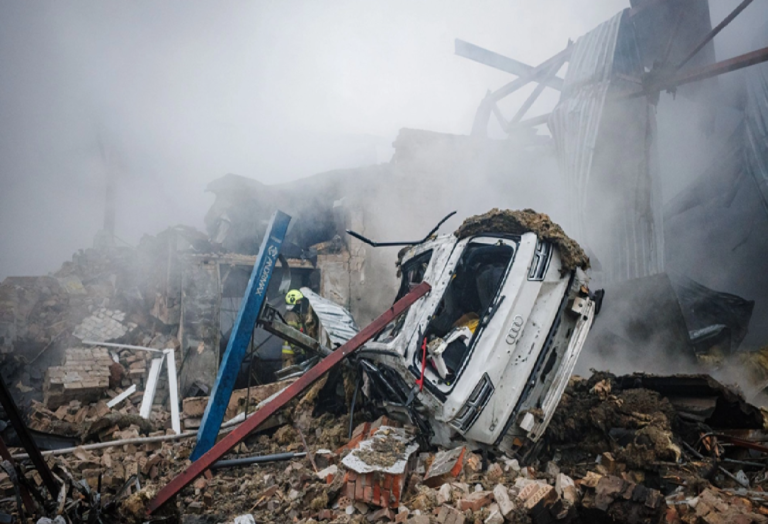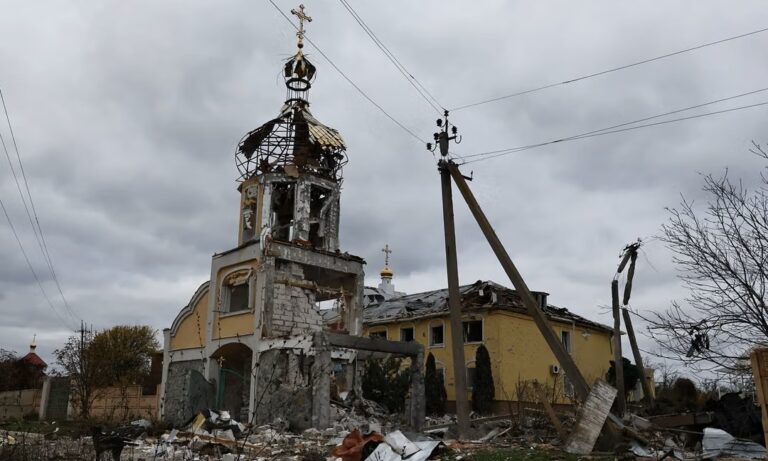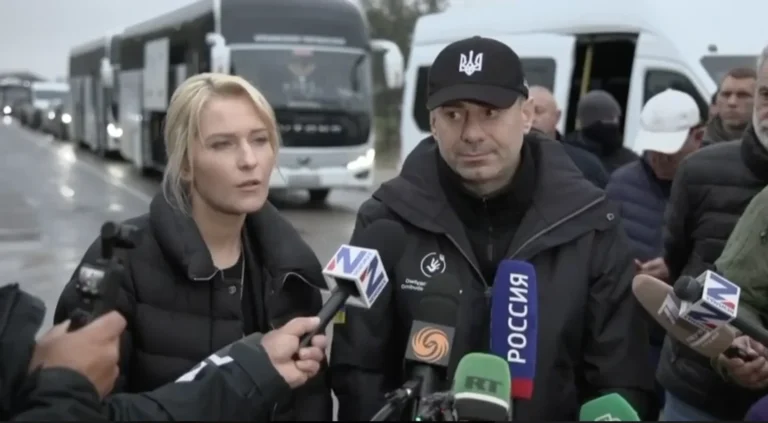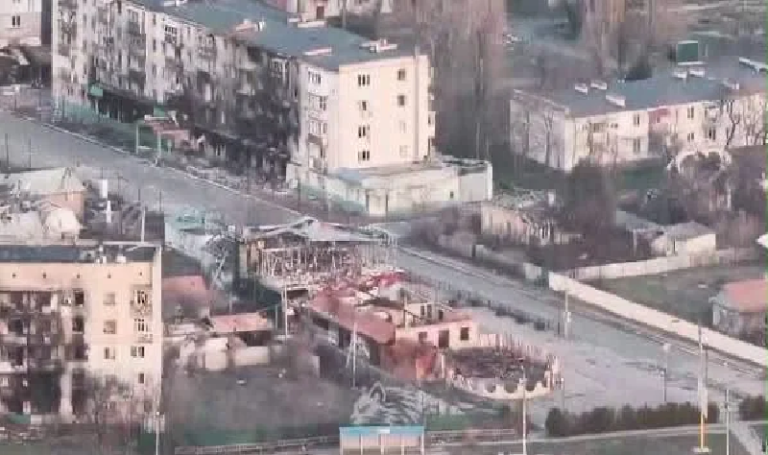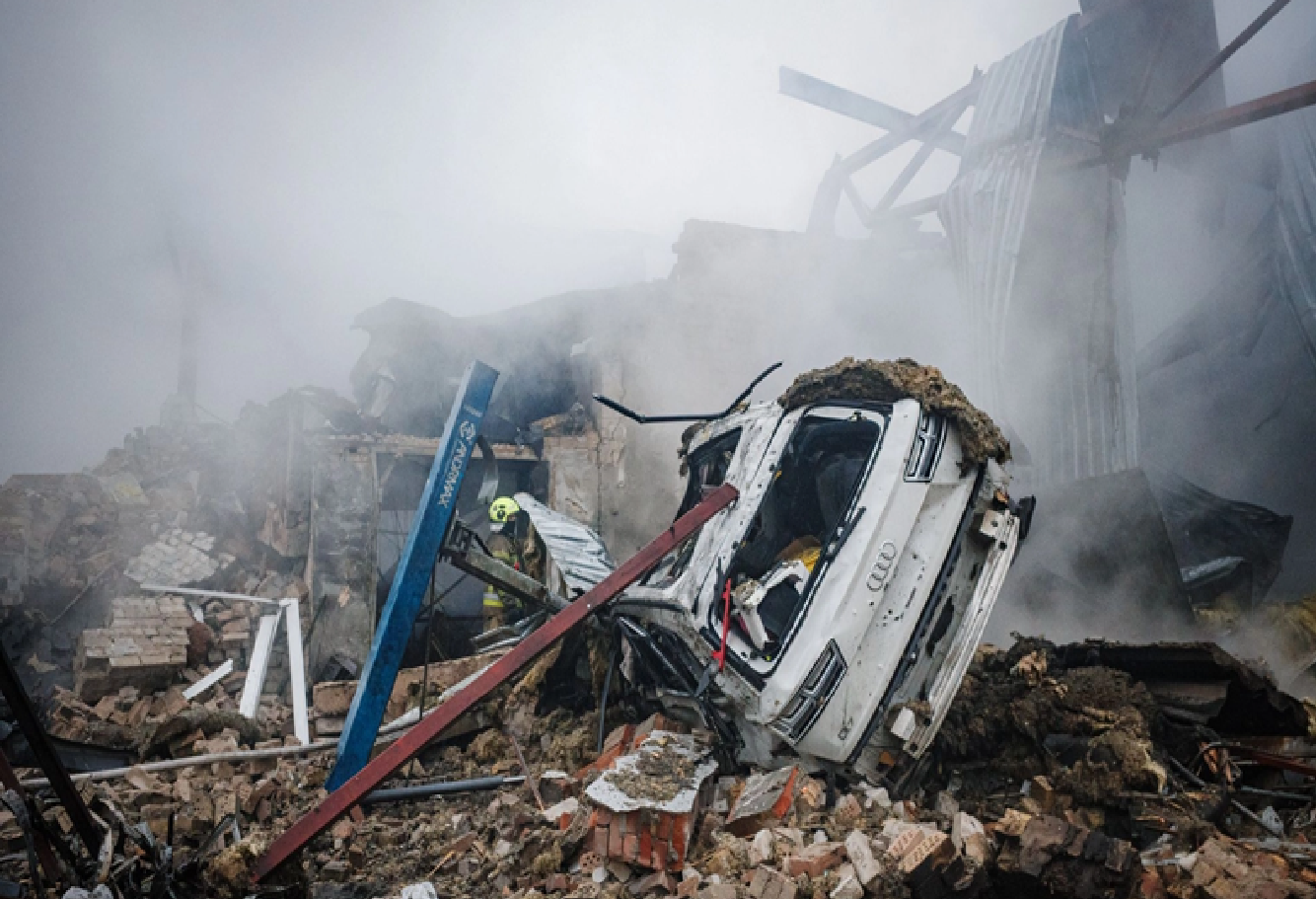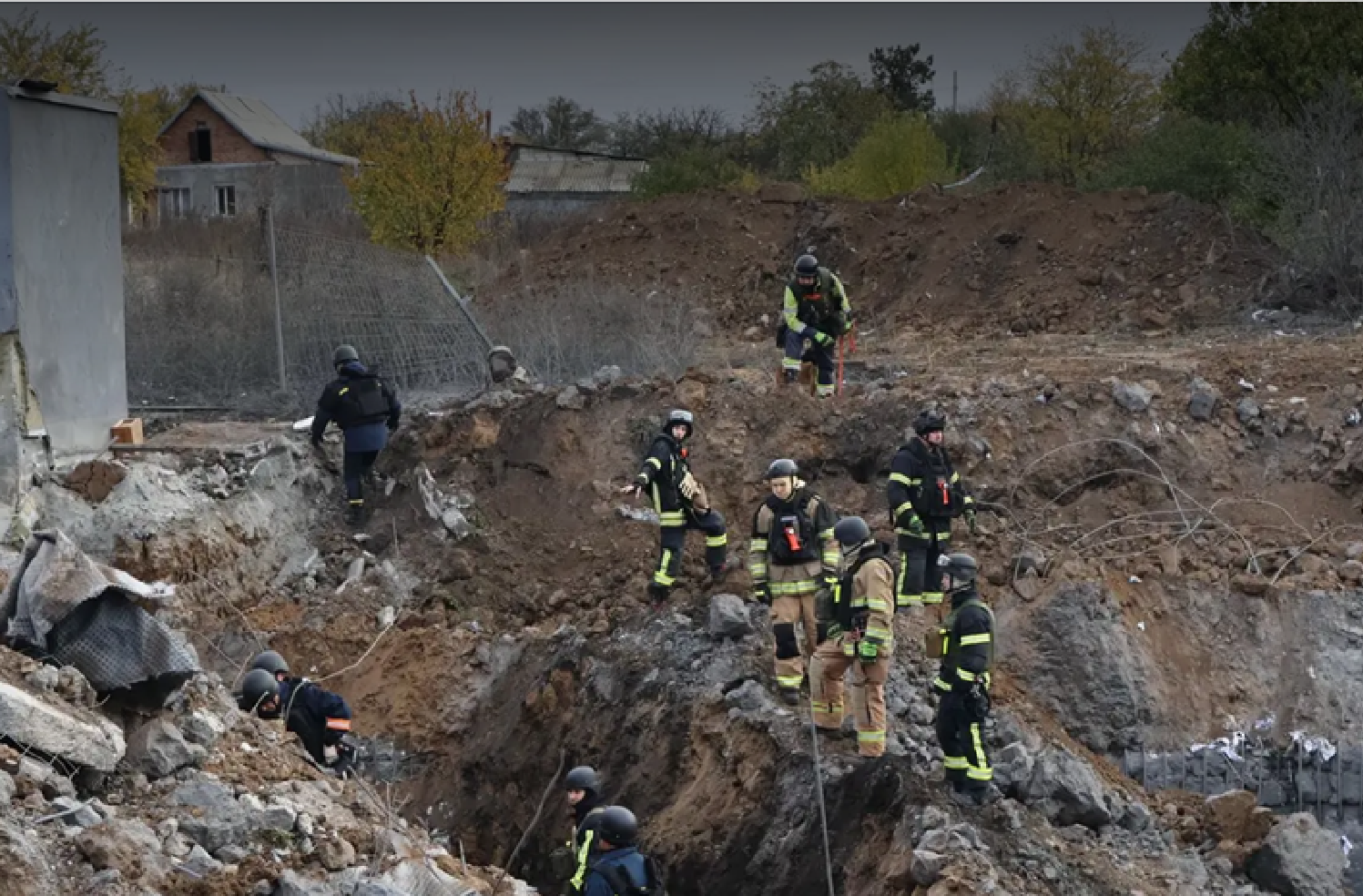
Rescuers search for victims at the site of an underground school destroyed in Russian-guided aerial bomb strikes in Komyshuvakha, Zaporizhzhia Oblast, Ukraine, on Nov. 5, 2026. (Andriy Andriyenko / Ukraine’s 65th Mechanized Brigade (Andriy Andriyenko / Ukraine’s 65th Mechanized Brigade. Source: https://kyivindependent.com/its-like-a-ghost-town-search-continues-after-deadly-russian-strike-on-underground-shelter-in-southern-ukraine/
Anthropic Binary response:
Looking at this question, I need to carefully consider the specific temporal constraint: the event must happen after today (November 6, 2026) and before the resolution date (December 31, 2026).
Key consideration on timing:
The research shows that an Oleshky ceasefire already occurred and expired (Oct 27 – Nov 1, 2026), which is before today’s date. While this satisfies the broader “any point in 2026” resolution language, the explicit system constraint states the event must occur after today. I’ll treat this as the binding constraint, meaning I need to forecast whether a NEW ceasefire/armistice declaration occurs between Nov 6 and Dec 31, 2026.
Factors favoring a new ceasefire/armistice in this window:
- Active diplomatic momentum: Abu Dhabi trilateral talks scheduled for Nov 10-11, 2026, involving US, Russian, and Ukrainian representatives
- Precedent already set: Russia and Ukraine demonstrated willingness to negotiate at least localized, temporary ceasefires (Oleshky) despite ongoing mistrust
- Multiple diplomatic channels engaged (Trump administration, Pope Leo, Melania Trump) actively pushing for de-escalation
- The resolution criteria is permissive — even a regional/temporary ceasefire counts, lowering the bar significantly
- Historical pattern in this war shows periodic humanitarian pauses, prisoner exchanges accompanied by truces, and holiday-period ceasefire attempts (an 8-week window includes the Christmas/New Year period, historically a time for such gestures)
- Background context suggests Russian military/economic exhaustion creating pressure toward resolution
Factors against:
- Continued active combat and strikes on infrastructure immediately before and likely during talks
- Zelenskyy and Merz explicitly stating no evidence of serious Russian engagement toward comprehensive ceasefire
- Previous Oleshky truce ended with mutual accusations of bad faith (rearming), suggesting fragility of any future local truce
- Putin’s continued “extreme demands” per the background, suggesting slow-walking rather than genuine resolution
- A full/durable armistice remains elusive despite negotiation attempts
Assessment:
Given the intensity of ongoing diplomatic engagement (Abu Dhabi talks, continued US mediation), the demonstrated pattern of localized ceasefires being reached even amid continued fighting, and the permissive resolution bar (any localized or temporary ceasefire qualifies), I believe the probability of at least one additional ceasefire declaration (even if brief/regional) in the Nov 6 – Dec 31 window is moderately high. However, genuine uncertainty remains given continued fighting and stated skepticism from key stakeholders.
Key assumptions that could overturn this estimate:
- If Abu Dhabi talks collapse entirely without any follow-up humanitarian arrangements (~30% chance), this would significantly lower the probability
- If this is interpreted under the “any point in 2026” criteria instead of strictly “after today,” this would already resolve YES (would push estimate to ~95%)
- If Russia’s stated economic/military pressure forces genuine armistice talks forward faster than current pace suggests (~15% chance this happens by Dec 31)
Balancing these dynamics and interpretations, I’ll weight toward the strict temporal reading while still accounting for the strong diplomatic momentum and demonstrated precedent for local ceasefires.
Data sufficiency: Sufficient
Probability: 58%
The extracted probability is: 58%
=== Forecast Result ===
=== Reasoning ===
Looking at this question, I need to carefully consider the specific temporal constraint: the event must happen after today (November 6, 2026) and before the resolution date (December 31, 2026).
Key consideration on timing:
The research shows that an Oleshky ceasefire already occurred and expired (Oct 27 – Nov 1, 2026), which is before today’s date. While this satisfies the broader “any point in 2026” resolution language, the explicit system constraint states the event must occur after today. I’ll treat this as the binding constraint, meaning I need to forecast whether a NEW ceasefire/armistice declaration occurs between Nov 6 and Dec 31, 2026.
Factors favoring a new ceasefire/armistice in this window:
- Active diplomatic momentum: Abu Dhabi trilateral talks scheduled for Nov 10-11, 2026, involving US, Russian, and Ukrainian representatives
- Precedent already set: Russia and Ukraine demonstrated willingness to negotiate at least localized, temporary ceasefires (Oleshky) despite ongoing mistrust
- Multiple diplomatic channels engaged (Trump administration, Pope Leo, Melania Trump) actively pushing for de-escalation
- The resolution criteria is permissive — even a regional/temporary ceasefire counts, lowering the bar significantly
- Historical pattern in this war shows periodic humanitarian pauses, prisoner exchanges accompanied by truces, and holiday-period ceasefire attempts (an 8-week window includes the Christmas/New Year period, historically a time for such gestures)
- Background context suggests Russian military/economic exhaustion creating pressure toward resolution
Factors against:
- Continued active combat and strikes on infrastructure immediately before and likely during talks
- Zelenskyy and Merz explicitly stating no evidence of serious Russian engagement toward comprehensive ceasefire
- Previous Oleshky truce ended with mutual accusations of bad faith (rearming), suggesting fragility of any future local truce
- Putin’s continued “extreme demands” per the background, suggesting slow-walking rather than genuine resolution
- A full/durable armistice remains elusive despite negotiation attempts
Assessment:
Given the intensity of ongoing diplomatic engagement (Abu Dhabi talks, continued US mediation), the demonstrated pattern of localized ceasefires being reached even amid continued fighting, and the permissive resolution bar (any localized or temporary ceasefire qualifies), I believe the probability of at least one additional ceasefire declaration (even if brief/regional) in the Nov 6 – Dec 31 window is moderately high. However, genuine uncertainty remains given continued fighting and stated skepticism from key stakeholders.
Key assumptions that could overturn this estimate:
- If Abu Dhabi talks collapse entirely without any follow-up humanitarian arrangements (~30% chance), this would significantly lower the probability
- If this is interpreted under the “any point in 2026” criteria instead of strictly “after today,” this would already resolve YES (would push estimate to ~95%)
- If Russia’s stated economic/military pressure forces genuine armistice talks forward faster than current pace suggests (~15% chance this happens by Dec 31)
Balancing these dynamics and interpretations, I’ll weight toward the strict temporal reading while still accounting for the strong diplomatic momentum and demonstrated precedent for local ceasefires.
Data sufficiency: Sufficient
Probability: 58%
End
About The Author