Photo: A U.S. Navy sailor stands watch in the Combat Information Center of the Arleigh Burke-class guided-missile destroyer USS Spruance (DDG-111) in support of Operation Epic Fury, March 7, 2026. Source: U.S. Navy
Perplexity response:
## Ten most relevant recent sources
- “Pakistan LNG Cargo Attacked Near Hormuz Had Iranian Approval” — gCaptain/Bloomberg, published November 1, 2026; updated November 5, 2026.
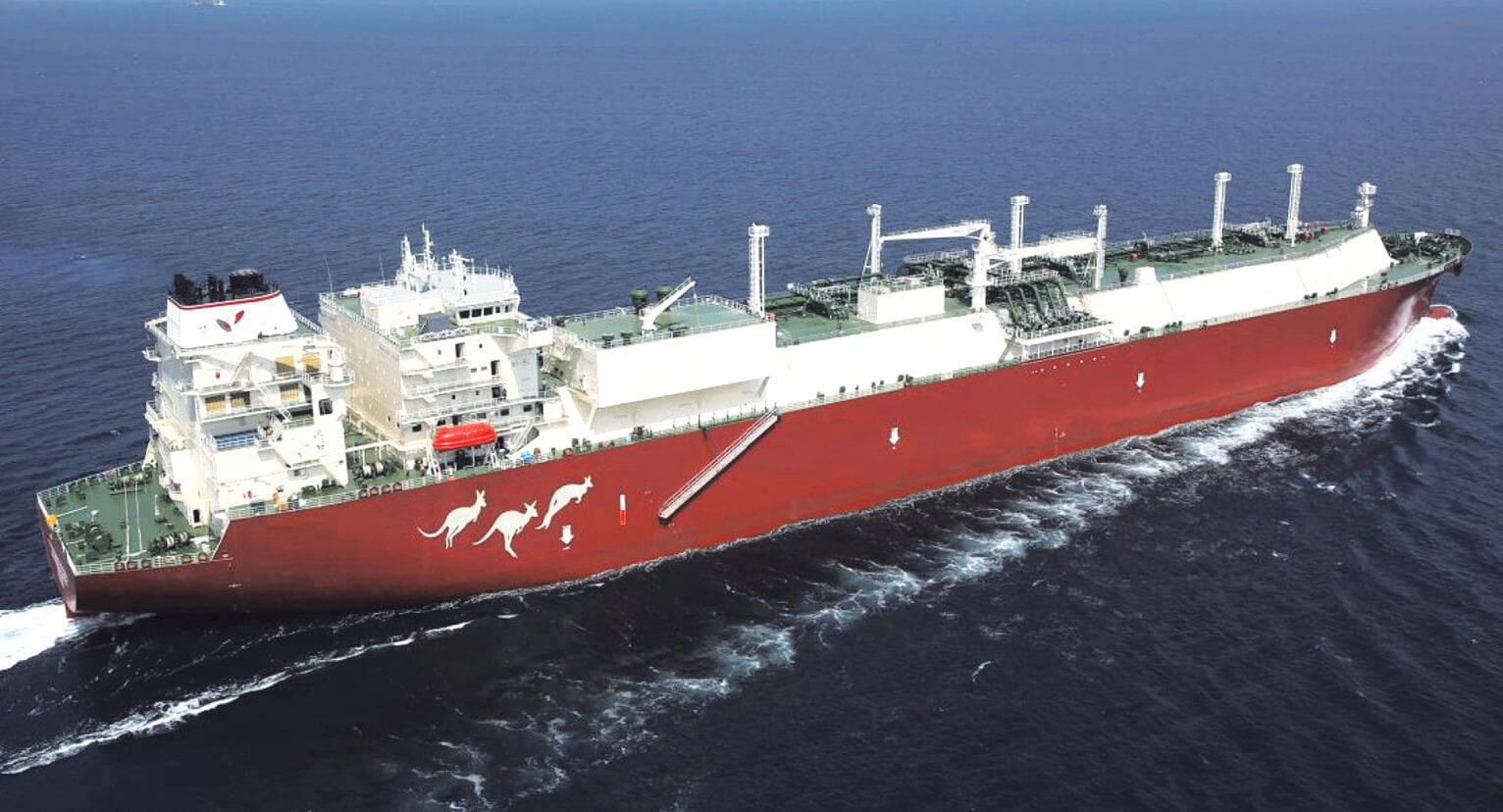
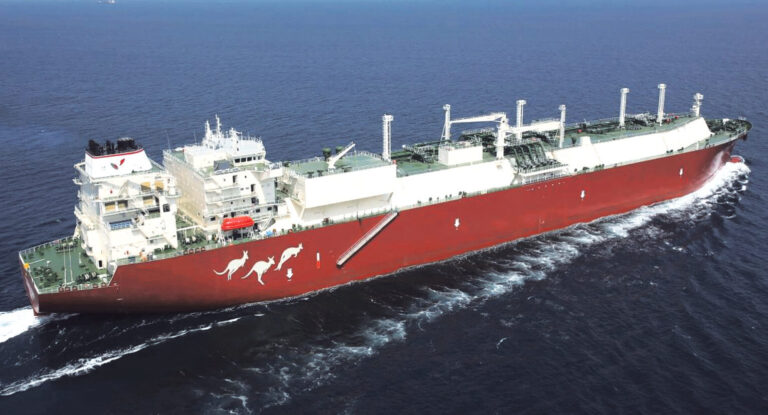
Pakistan reportedly obtained Iranian approval for the LNG carrier Al Mayeda to transit before it was attacked near the Strait of Hormuz. Other Qatari LNG shipments reportedly crossed successfully after similar communications with Iran, showing that traffic is possible but dependent on ad hoc security arrangements. LNG flows in October were only about 30% of pre-war levels, which is far from “de facto unimpeded.” [3] - “Maritime security and oil flows: Gulf shipping update” — Trade Intelligence, published November 4, 2026; updated November 5, 2026.
Overall traffic through Hormuz was broadly unchanged from September, while the composition of traffic shifted. LNG-carrier movements rose from a very low base, but the report still characterizes recovery as limited rather than normal. This supports the view that partial resumption does not yet meet the resolution standard. [2] - “Iran says 2 tankers on fire in Hormuz; Trump again claims war will end soon” — Al Jazeera, published November 2, 2026.
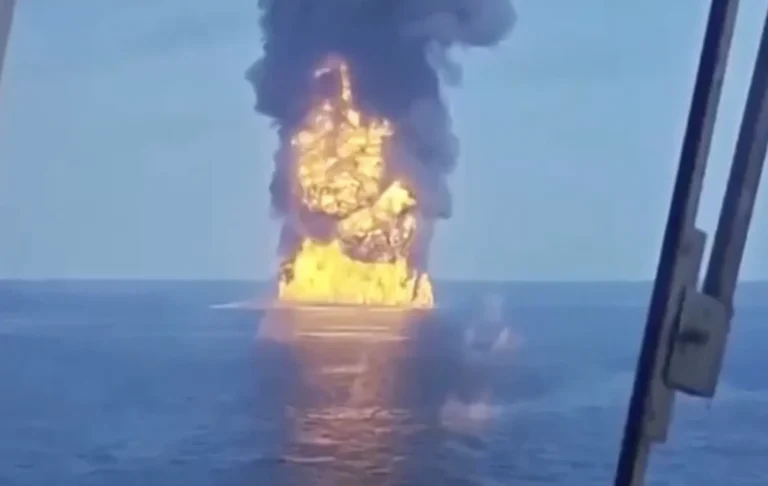
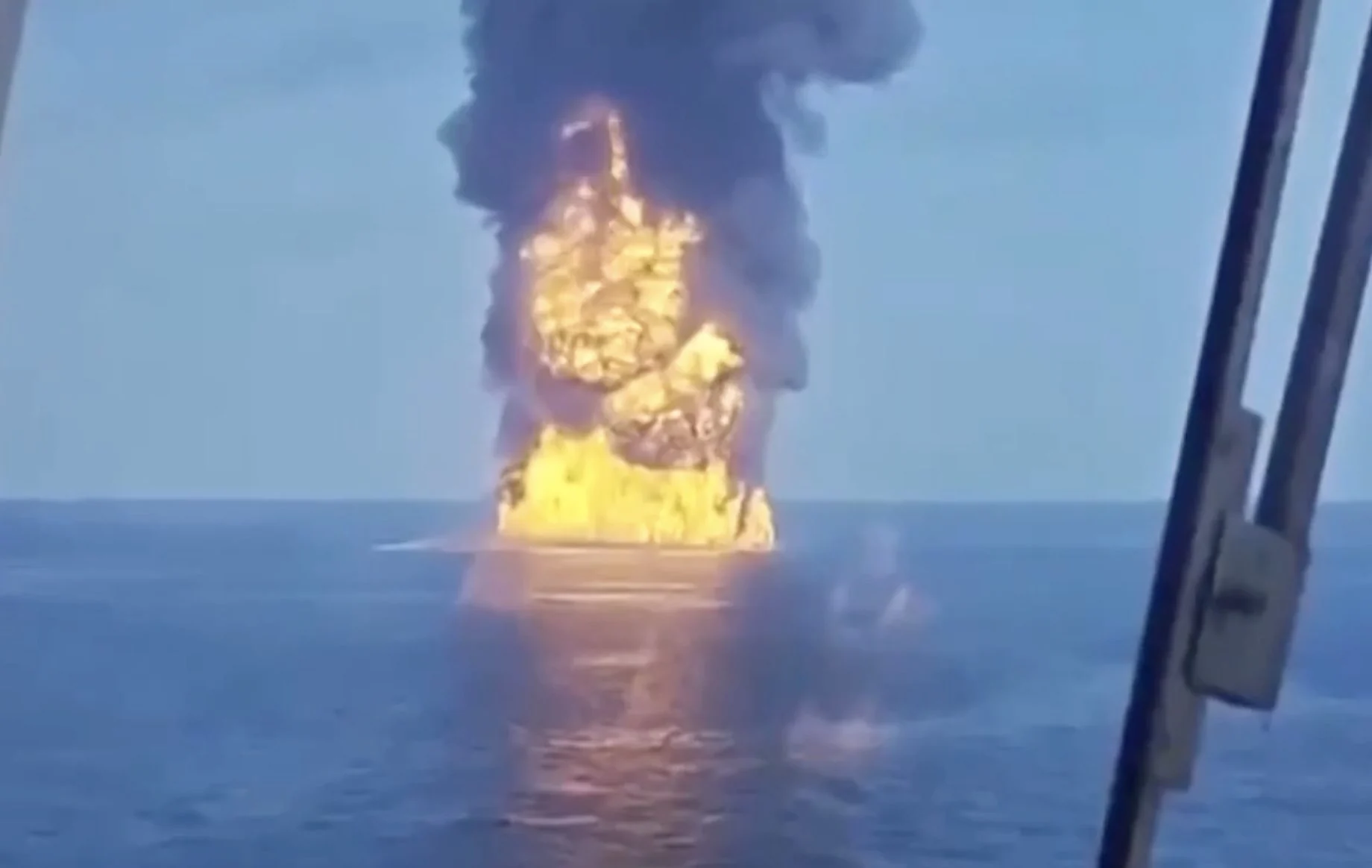
Iran’s Revolutionary Guard said two crude tankers caught fire after hitting mines, while regional actors condemned the attack on the Qatari LNG carrier. A maritime-security commentator described claims that the strait was open as “laughable,” saying that ships getting through still faced massive costs and risks. The latest security incidents therefore point away from unimpeded traffic. [4] - “Hormuz Oct crossings at 3-month high despite attacks, Red Sea traffic also rises” — S&P Global, published November 2, 2026; updated November 5, 2026.
October crossings reached their highest monthly level since July, aided by stronger dry-bulk and LNG movements. LNG carriers recorded 32 transits, the highest monthly total since the war began. However, this remains a recovery from sharply depressed levels, not evidence that international LNG traffic is operating without severe restriction. [5] - “New Wave of Attacks Hits Tankers and LNG Carrier in Strait of Hormuz and Persian Gulf” — gCaptain, published November 2, 2026; updated November 5, 2026.
Nakilat confirmed that the LNG carrier Al Mayeda was struck by unidentified objects on October 30. The Joint Maritime Information Center maintained a SEVERE threat assessment and reported that further deliberate attacks were highly likely, with 18 confirmed attacks in the strait since October 6. Approximately 490 vessels were waiting outside Hormuz as of November 1, indicating severe congestion and restriction rather than free passage. [6] - “Iran Says Contacts Over Ending War Continue After Talks Finish With No Breakthrough” — gCaptain, published November 2, 2026; updated November 5, 2026.
The war has led to Iran’s closure of the Strait of Hormuz, a U.S. blockade of Iranian ports, and repeated attacks involving Gulf states and Yemen. Diplomatic contacts continued, but the latest talks ended without a breakthrough. This creates a possible route toward reopening but provides no confirmed operational normalization by the current date. [9] - “Europe faces gas shortages this winter unless Trump ends Iran war, IEA warns” — The Independent, published November 3, 2026; updated November 4, 2026.
The IEA warned that Europe could face a gas shortage if the conflict continues and Hormuz remains closed. Under a colder-than-average-weather scenario, European gas storage could fall below 10% of working capacity by April 2027. The warning treats continued Hormuz disruption as a serious possibility rather than assuming an imminent reopening. [16] - “Low EU gas stocks leave reduced buffer against supply shocks: IEA” — Hellenic Shipping News, published November 5, 2026; reporting the IEA’s November 3 review.
Europe entered the 2026–27 heating season with gas storage at its lowest level in more than a decade. The IEA said the effective halt in Hormuz LNG flows reduced Qatar and UAE loadings by more than 60 billion cubic meters between March and October. Its stress scenario assumes continued disruption, with EU storage potentially falling below 10% by March 2027. [18] - “IEA Issues Warning on Gas Market Tightness Extending Into 2027” — Yahoo Finance, published November 3, 2026; updated November 5, 2026.
The IEA’s outlook assumes Hormuz trade flows will remain largely disrupted at least through the end of 2026. Global LNG supply is projected to fall by about 3% in 2026, or nearly 20 billion cubic meters, which the IEA describes as a record annual decline. This is directly contrary to an expectation that LNG traffic will become unimpeded before year-end. [19] - “Oil retreats as diplomacy raises hopes for Hormuz reopening” — AGBI, published November 2, 2026; updated November 5, 2026.
Iranian officials held talks in Doha with Qatari mediators, creating some diplomatic momentum toward ending the conflict. Those talks occurred shortly after the Qatari LNG carrier was hit, underscoring that diplomacy and maritime danger are developing simultaneously. The report supports a nonzero reopening possibility, but not a confirmed or durable restoration of unrestricted LNG traffic. [10]
Assessment for the resolution
Current evidence strongly favors “No” as of November 5, 2026. LNG traffic has resumed selectively, but the available evidence shows that it remains well below normal, exposed to attacks, dependent on Iranian permission or negotiated safe passage, and subject to severe maritime-security warnings.
The most important resolution-relevant facts are:
- October LNG flows were approximately 30% of pre-war levels. [3]
- October LNG traffic reached 32 carrier transits, its highest level since the war began, but from a severely depressed base. [5]
- A Qatari LNG carrier was attacked despite reportedly obtaining Iranian clearance. [3][6]
- JMIC’s threat level remains SEVERE, with further deliberate attacks considered highly likely. [6]
- Around 490 vessels were waiting outside the strait on November 1. [6]
- The IEA’s November outlook assumes that Hormuz LNG flows will remain largely disrupted through the end of 2026. [19]
- Diplomatic contacts have not yet produced a breakthrough or a verified reopening. [9][10]
What could move the question toward “Yes”
The clearest potential catalyst is a durable U.S.–Iran or regional agreement that removes the threat of attack and permits regular international navigation. A sustained increase from the current roughly 30% flow level toward normal pre-war volumes, coupled with the removal of the JMIC severe-threat warning and the disappearance of vessel queues, would indicate movement toward the stated “de facto unimpeded” standard.
Bottom line
Most likely resolution based on the latest evidence: No. The strait is not currently de facto unimpeded, and the authoritative IEA baseline assumes that LNG disruption will persist through at least the end of 2026. The recent rise in transits and continuing diplomacy are meaningful positive developments, but they currently represent limited, high-risk access—not normal international LNG traffic.
=== Forecast Result ===
Rationale:
To evaluate whether Strait of Hormuz LNG traffic will become de facto unimpeded by December 31, 2026, we examine the current operational and military situation, the timeframe remaining (56 days), and the specific resolution criteria requiring gCaptain to report that traffic is no longer halted or severely restricted.
Current Operational Status:
- As of early November 2026, LNG traffic remains severely impaired. October LNG flows were only ~30% of pre-war levels (32 transits), recovering slightly from near-zero, but still representing severe disruption [3, 5].
- Maritime danger remains critical: on October 30, the LNG carrier Al Mayeda was struck despite reportedly having Iranian approval [3, 6], and two crude tankers struck mines on November 2 [4]. The Joint Maritime Information Center (JMIC) maintains a SEVERE threat assessment [6].
- Approximately 490 vessels remain queued outside the strait [6].
- The IEA’s baseline outlook explicitly projects that Hormuz trade flows will remain substantially disrupted through the end of 2026 [19].
Timeframe and Operational Lag:
- Only 56 days remain before the December 31, 2026 resolution cutoff.
- For traffic to become “de facto unimpeded,” several sequential steps must occur: (a) a durable diplomatic breakthrough or decisive military cessation of hostilities; (b) cessation of mine-laying and active mine clearance/sweeping operations; (c) reduction of JMIC/maritime security threat levels; (d) restoration of commercial marine insurance (P&I war risk underwriting) to commercially viable terms; and (e) gCaptain reporting that traffic is no longer halted or severely restricted.
- Naval history demonstrates that clearing waterways of naval mines and restoring commercial maritime confidence typically requires several weeks to months after hostilities cease.
Key Assumptions and Sensitivity Analysis:
- Assumption 1: Active hostilities and Iranian/regional maritime strikes will not cease in time. (Probability of assumption being wrong / rapid peace deal by mid-December: ~14%). While Trump has pushed rhetoric regarding ending the war and talks have occurred in Doha, previous rounds ended without a breakthrough [4, 9, 10].
- Assumption 2: Even under a ceasefire, operational frictions (mines, insurance, queues) will delay full normalization beyond December 31. (Probability of assumption being wrong / instant reopening: ~25%). If a comprehensive, internationally guaranteed safe passage corridor is established immediately upon a ceasefire, normalization could occur faster than average.
- Assumption 3: gCaptain’s editorial standard for “unimpeded” will require a genuine normalization of flow rather than partial convoy/escort operations. (Probability of assumption being wrong: ~15%). gCaptain frequently highlights mariner safety and JMIC risk levels, making it unlikely to describe partial or convoyed transits as “de facto unimpeded.”
Combining the probability of an early breakthrough (~14%) with the likelihood of rapid operational normalization and reporting within the remaining weeks (~30%), plus a small probability (~2%) of an unexpected unilateral de-escalation/safe corridor mechanism, yields an aggregate likelihood in the high single digits.
Data sufficiency: Sufficient
Probability: 8%
About The Author