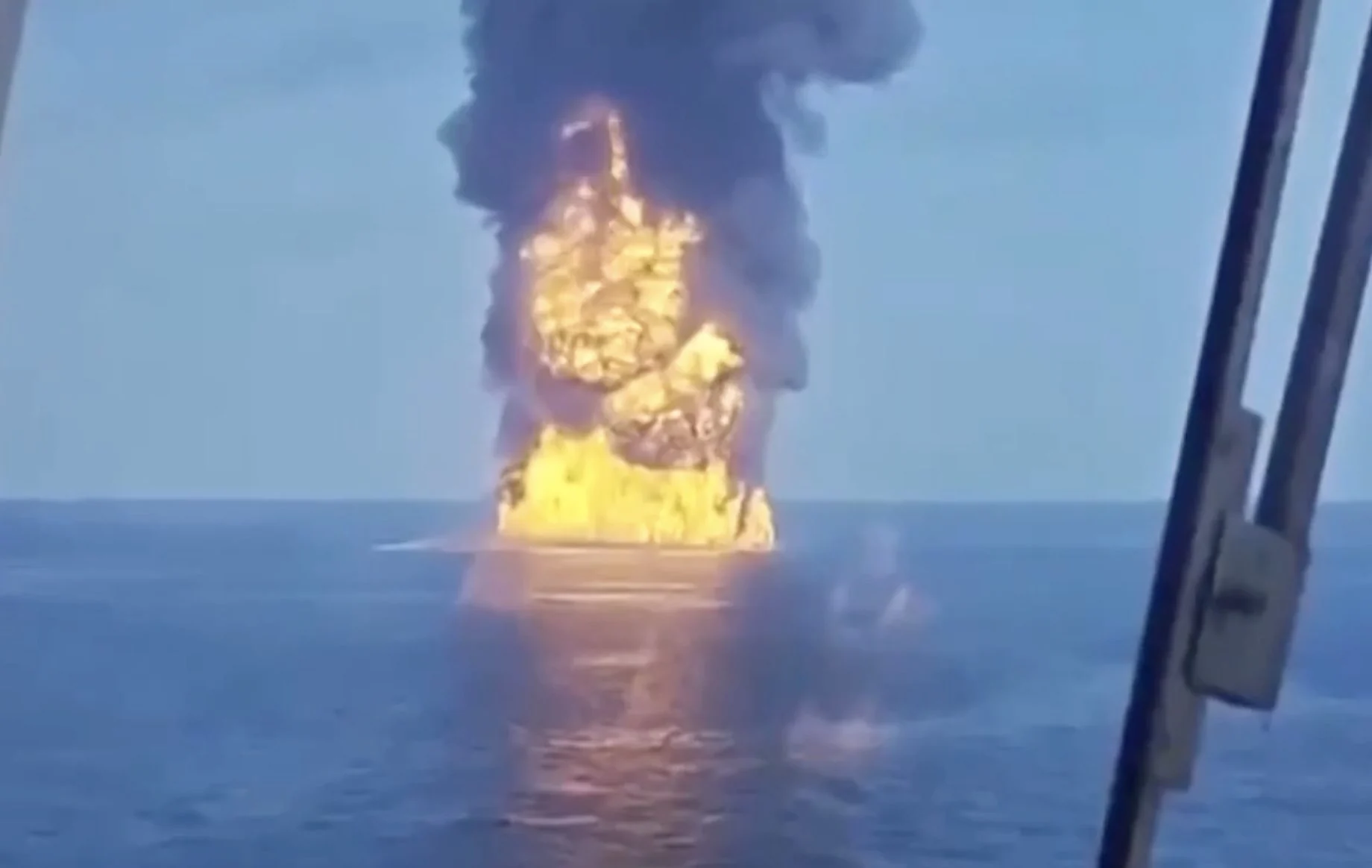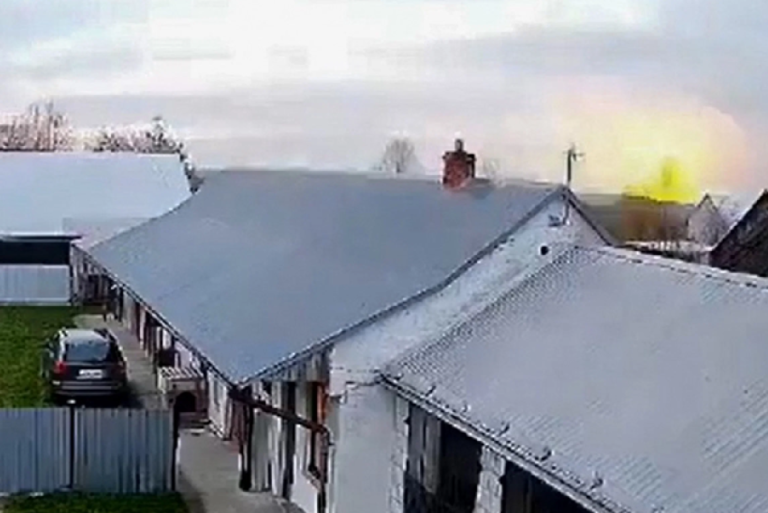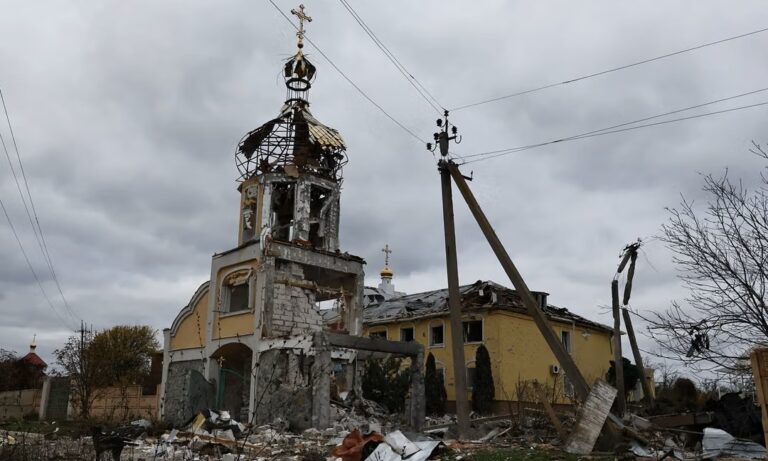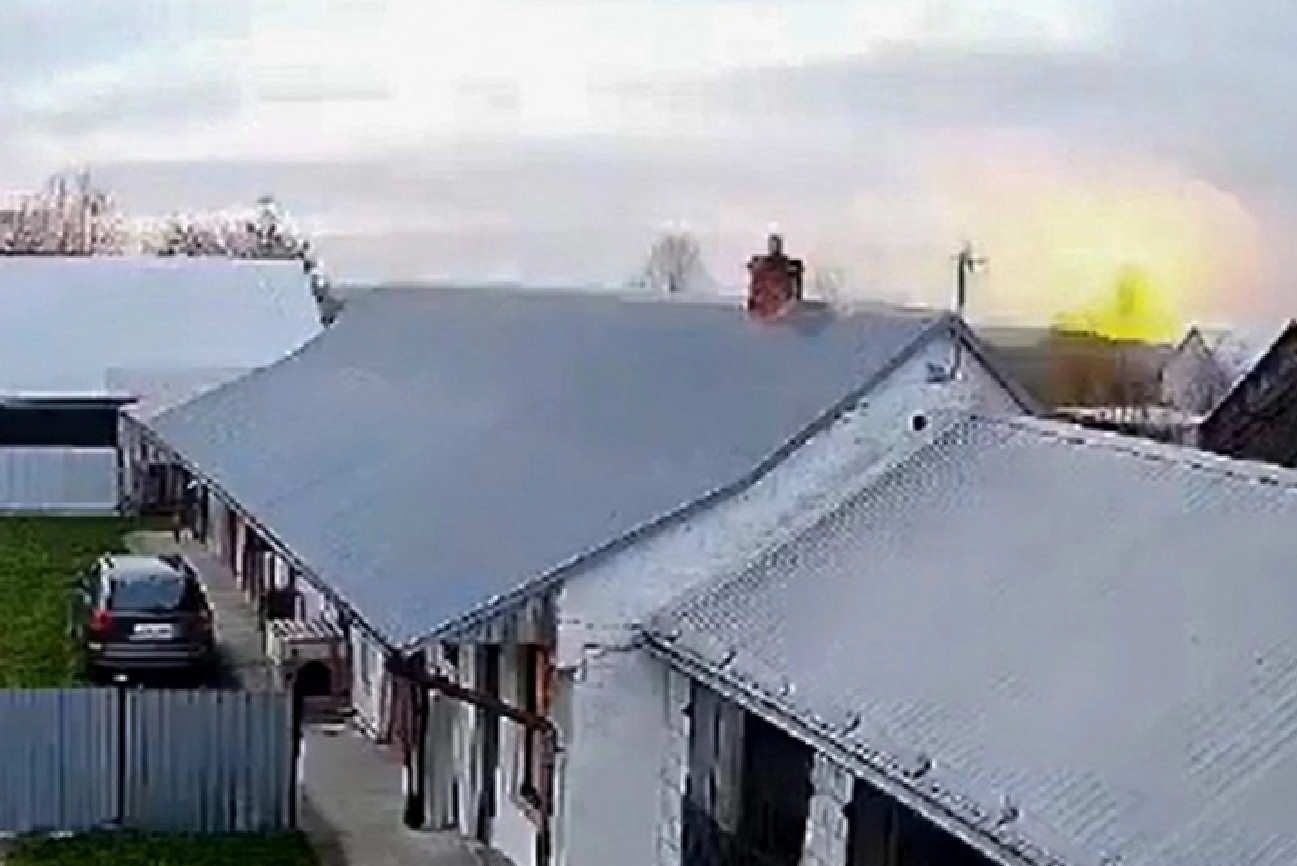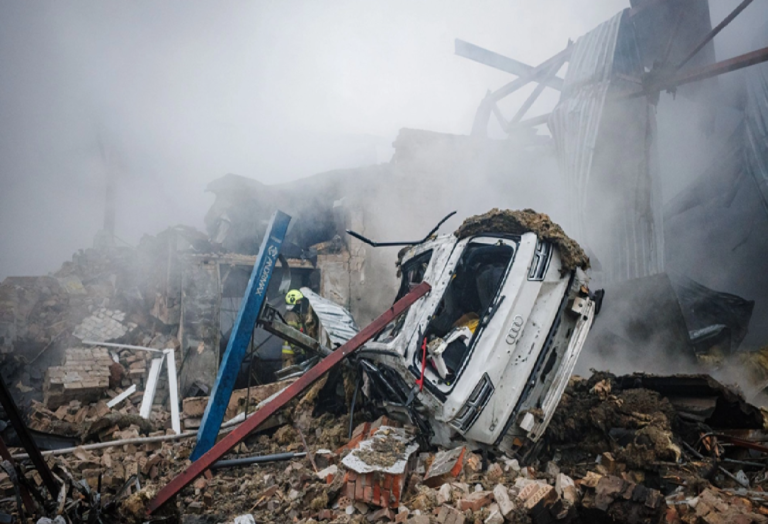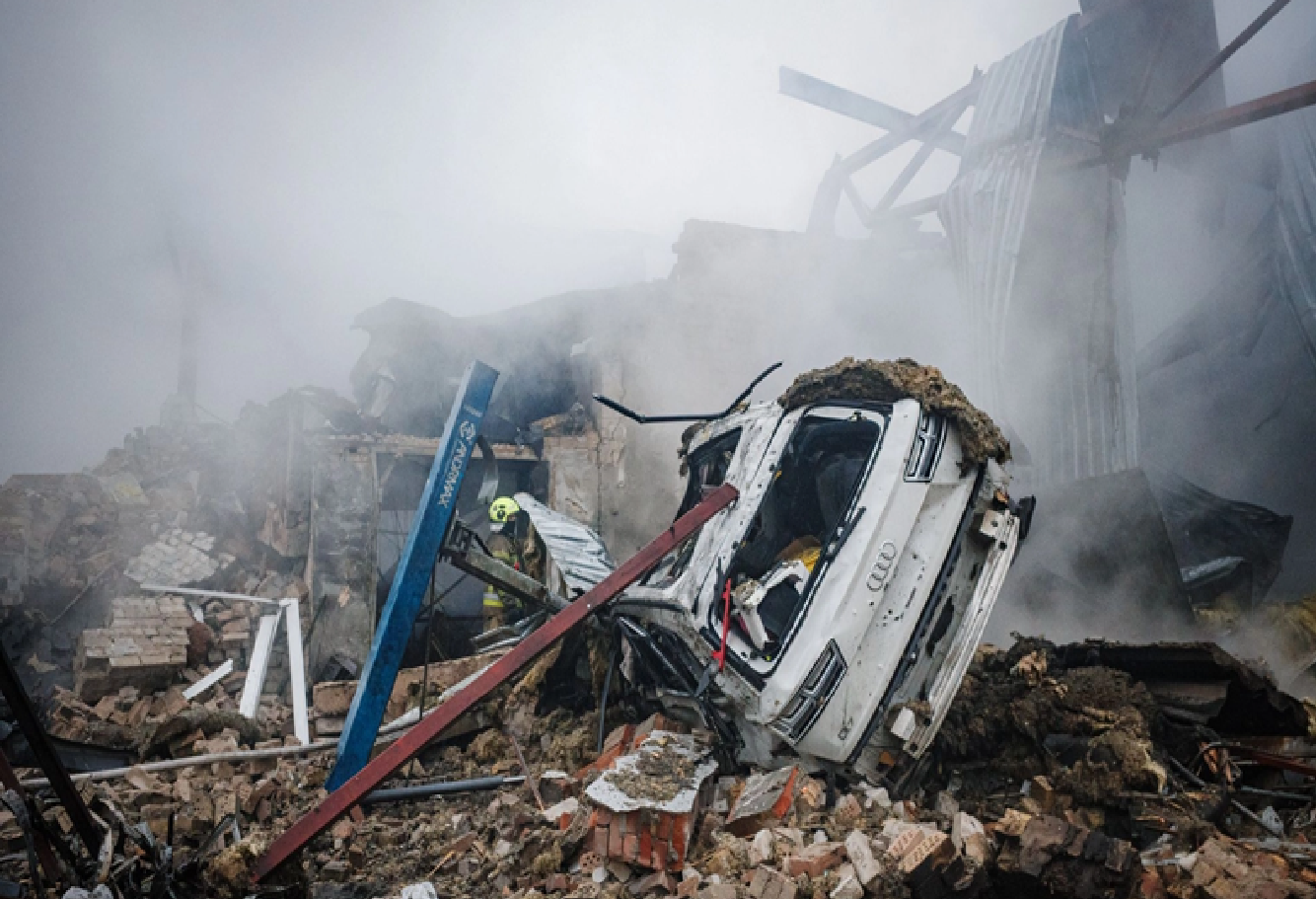
The scene of a Russian attack in the Obolon district of Kyiv, Ukraine, overnight on Nov. 20, 2026. The scene of a Russian attack on Kyiv, Ukraine, overnight on Nov. 20, 2026. (State Emergency Service of Ukraine / Telegram)(Chris Occhicone / The Kyiv Independent) Source: https://kyivindependent.com/russia-launches-mass-missile-attack-against-ukraine-after-putin-vows-revenge/
Obtaining outside data.
Checking internet sources, using keywords: Ukraine ceasefire 2026
News from various sources:
The retrieved information focuses on recent developments related to the Ukraine ceasefire in 2026. Here’s a summary of the key points:
- Melania Trump’s Role: U.S. First Lady Melania Trump played a significant role in brokering a humanitarian ceasefire in the Kherson region, which was successful in evacuating nearly 800 people from the Russian-occupied town of Oleshky. Despite the success, Ukraine accused Russia of using the ceasefire to regroup and strengthen its military position in the region. (Carolyn‘s note: Some news sources referred to this as merely a “humanitarian pause. Ukraine’s official ArmyInform report of Nov 19, 2026, stated “The situation in Oleshky shows how a humanitarian pause can be exploited”. Source: Army Media @armyinformcomua)
- International Summits:
- In Berlin, a summit of the “Coalition of the Willing,” consisting of 37 nations including key European allies and U.S. envoys Jared Kushner and Steve Witkoff, pledged sustained support for Ukraine. The coalition aims to provide financial and military aid, a potential multinational force for security assurances, and a ceasefire monitoring mechanism.
- Meanwhile, a trilateral summit occurred in Shenzhen involving U.S. President Donald Trump, Russian President Vladimir Putin, and Chinese President Xi Jinping. While discussing broader global issues, the summit did not yield specific breakthroughs on Ukraine. Putin suggested European leaders present their positions in Moscow for preliminary talks.
Overall, while these facts are pivotal discussants in ceasefire deliberation, discrepancies and unverifiable claims weaken their applicability to understanding whether a broad ceasefire or armistice will be declared in Ukraine in 2026.
The ongoing conflict in Ukraine involves continuous missile and drone attacks, which are a critical concern given their direct impact on the potential for a ceasefire. European skepticism about providing concrete security guarantees to Ukraine is also significant, as these guarantees are often a crucial component of ceasefire agreements. European military exercises in Poland, led by nations such as France and the UK, are occurring, highlighting military preparedness that may affect long-term security posture and indirectly influence peace prospects. Additionally, regional dynamics, such as the temporary ceasefire in Kherson, offer brief respite but indicate continued caution among residents, informing broader peace discussions. These verified facts collectively weigh on the complexity of achieving a ceasefire or armistice in Ukraine in 2026.
OpenAI gives a base rate of 0.1
The question difficulty is rated 8 (0 to 10)
Historical weighted factors include:
Ceasefires in ongoing military conflicts globally, 0.4
Security guarantees provided in past conflicts, 0.3
Regional military exercises leading to peace, 0.2
Temporary ceasefires leading to permanent ones, 0.1
A Bayesian calculation could be performed as follows:
Using historical factors, probability of ongoing conflicts resolving with a ceasefire is low. Given 3 ongoing major conflicts in 2025, with only 1 showing progress towards peace, initial estimate aligns with a base rate of 0.1. Adjusting for current ongoing aggression and diplomatic engagements, Bayesian reasoning suggests small upward adjustment but not above 0.15.
Sufficient news to provide a good forecast? 1 (0 or 1)
News is relevant, topical and unbiased? 1 (0 or 1)
Question classification: scenario_based_forecast
Expected time (days) until question close: 180 (Carolyn’s note: Error. Days until Jan. 1, 2027 = 42)
The following were considered in order to produce this base rate:
The base rate is derived from historical outcomes of conflicts similar to the Ukraine situation, where geopolitical complexities and lack of concrete agreements hinder the likelihood of a ceasefire within a planned timeframe.
Ideally, the news feed would contain the following sorts of information for a better forecast:
It would be important to have insider information on the peace negotiations, potential diplomatic shifts, and further intelligence on military strategies from key players involved.
Some potential divergent considerations that might affect the base rate:
Any sudden de-escalation or breakthrough in diplomatic negotiations could significantly improve the chances of a ceasefire, although current trends suggest a low probability.
The following chain of events are necessary for the question to resolve positively:
- Significant reduction in missile and drone attacks unlikely –
- Concrete security guarantees to Ukraine possible
- Conclusion of effective peace negotiations unlikely
- Change in regional dynamics promoting stability unlikely
Querying Claude (AI predicts: 0.12 – confidence: 5)
Querying OpenAI (AI predicts: 0.15 – confidence: 5)
Explanations of the measures below: Guide to Jeremy Lichtman’s Multi-AI Oracle Reports
Question Type: Binary
Median from LLMs: 0.14
Base rate: 0.1 (from OpenAI)
SD: 0.02
MAPD: 0
Confidence: 5
Conf Mode: Normal
Mellers: 0.06
Reverse Mellers: 0.23
Theory of Mind: 0.075 (What did the LLMs think other LLMs predicted?)
Beta Distribution: 0.01
Close Type: A (B = cautious # closer to 50%; A/C = closer to extremes)
LLM responses: 2
Model value: 14%
The collected summaries from various AIs suggest a generally pessimistic outlook on the probability of achieving a ceasefire or armistice by the end of 2026 in the ongoing conflict. Continuous missile and drone attacks, European reluctance to provide security guarantees, and an absence of significant peace negotiations support this pessimism. While the base rate derived from historical conflicts suggests a low likelihood of resolution, there are minor upward pressures, including a potential diplomatic role by the Trump administration and a temporary ceasefire in Kherson. Though some scenarios could theoretically increase the chances of a ceasefire, such as a major diplomatic breakthrough, a battlefield shift, or economic and political pressures, these remain unlikely given the limited remaining timeframe and current geopolitical dynamics.
Runtime: 102 seconds.
About The Author