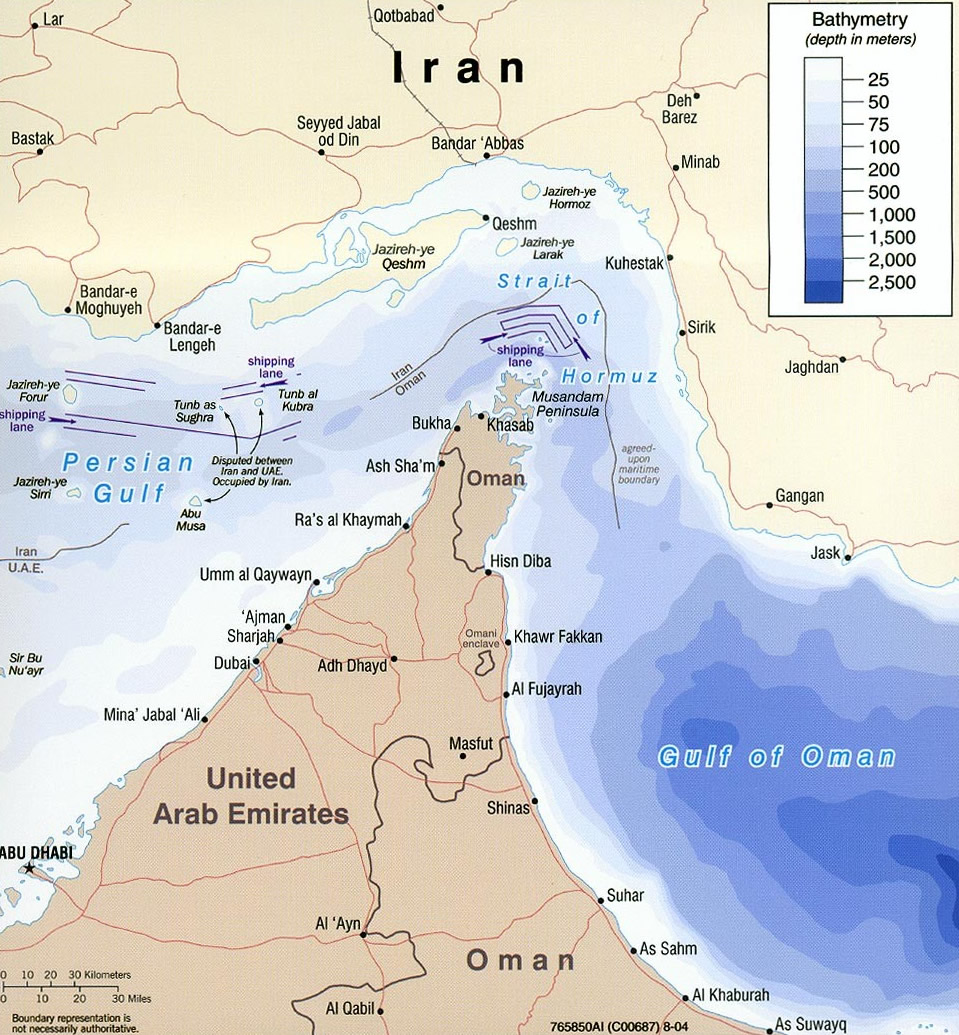
Strait of Hormuz
Obtaining outside data.
Checking internet sources, using keywords: Strait of Hormuz LNG reopening 2026
News from various sources:
The content revolves around the ongoing closure of the Strait of Hormuz due to geopolitical tensions and potential consequences for global oil supply and markets. Here are the key points extracted and summarize
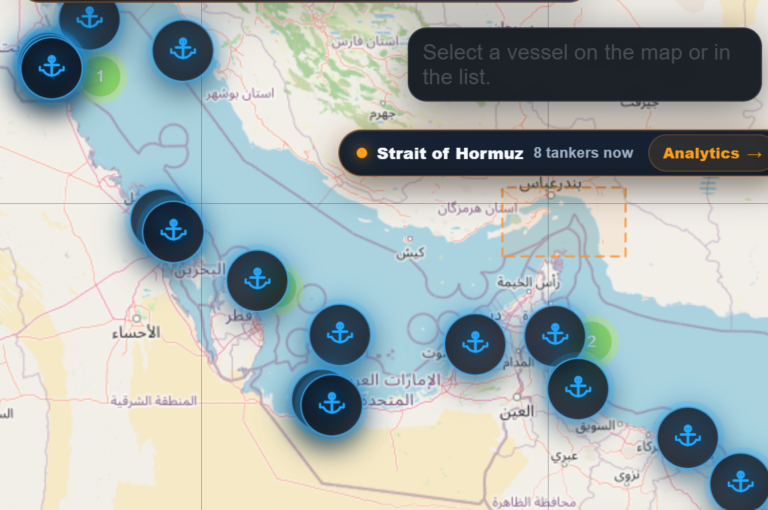
- Strait Closure and Global Impact: The Strait of Hormuz has been closed since the outbreak of a war involving Iran, the U.S., and Israel starting on February 28, 2026. This closure has heavily impacted global trade, cutting off about 20% of the world’s oil supply and significant amounts of liquefied natural gas (LNG) from reaching global markets.
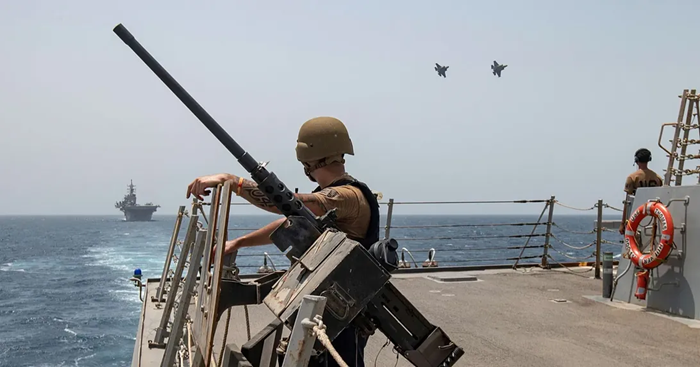
- Efforts and Challenges in Reopening: Despite U.S. assurances and some naval efforts dubbed “Project Freedom,” the strait remains largely closed. Talks between the U.S. and Iran have yet to produce a definitive agreement for reopening, and the risk environment for shipping remains high.
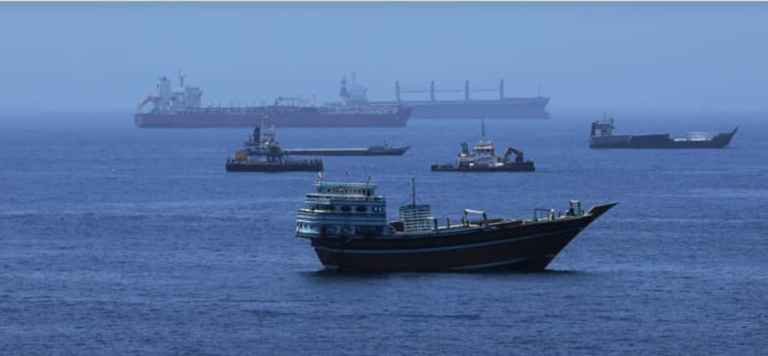
- Current Situation and Industry Reactions: The shipping industry is cautious, with only minimal traffic through the strait under current conditions. Most shipping executives are not confident enough to resume normal operations without a durable peace agreement. Shipping rates have increased globally due to these disruptions.
- Economic Consequences: Oil prices are volatile. Forecasts suggest they could spike if the strait remains closed past June. In response, Gulf States might increase pipeline capacity to bypass the strait, though these measures aren’t immediate solutions and can’t fully offset the strait’s importance.
- Future Considerations: If and when reopened, shipping traffic through Hormuz might not return to prewar levels due to possible Iranian control and lingering geopolitical tensions. This scenario could necessitate bilateral agreements for passage, potentially limiting Western access.
- Mitigation Efforts: Gulf nations are pursuing alternatives, such as pipelines to the Red Sea and Gulf of Oman, but these will take time to develop and cannot replace the strategic importance of the strait. The U.S. is under pressure to reach a settlement with Iran to stabilize markets and prevent further economic strain.
The outcome and decisions around the Strait of Hormuz will have significant repercussions not only for regional stability but also for global energy markets and economic health.
Fact-checked summary:
The closure of the Strait of Hormuz since the outbreak of a war involving Iran, the U.S., and Israel on February 28, 2026, is critically relevant to whether the strait will reopen to LNG traffic by July 31, 2026. This closure, which disrupts about 20% of the world’s oil supply and significant LNG exports, highlights the strait’s strategic importance and global impact. U.S. efforts, through naval operations labeled “Project Freedom,” have not yet achieved reopening, while ongoing talks between the U.S. and Iran have not produced a definitive agreement, maintaining a high-risk environment for shipping. In response to the strait’s closure, Gulf States might expand pipeline capacities, but these efforts can’t fully compensate for the strait’s vital role. The U.S. is under pressure to settle with Iran to stabilize markets and avoid further economic disruption, making diplomatic resolutions crucial for reopening prospects.
OpenAI gives a base rate of 0.3 {35%)
The question difficulty is rated 8 (0 to 10)
Historical weighted factors include:
Historical frequency of geopolitical resolutions in the region, 0.4
Past incidents of the Strait’s closure and median time to resolution, 0.3
Trend in diplomatic negotiations involving U.S. and Iran, 0.3
A Bayesian calculation could be performed as follows:
Combine weighted historical factors with current geopolitical situation. Historical trend of geopolitical resolution yields roughly a 40% resolution rate, strait closure history provides a 20% with current situational context lowering prospects.
Bayesian base rate: 0.25 (25%)
Sufficient news to provide a good forecast? 1 (0 or 1)
News is relevant, topical and unbiased? 1 (0 or 1)
Question classification: scenario_based_forecast
Expected time (days) until question close: 57
The following were considered in order to produce this base rate:
The base rate considers similar historical incidents of regional conflict impacting the Strait of Hormuz. The base rate is adjusted downward due to elevated current tensions and lack of clear U.S.-Iran progress.
Ideally, the news feed would contain the following sorts of information for a better forecast:
Additional information on the specific progress of current negotiations, internal Iranian political climate, and pressure faced by major world powers for economic stability would enhance forecasting accuracy.
Some potential divergent considerations that might affect the base rate:
New sanctions or diplomatic breakdowns could reduce the probability. Conversely, unexpectedly successful negotiations or shifts in regional alliances could increase it.
The following chain of events are necessary for the question to resolve positively:
- Successful resolution of diplomatic talks between the U.S. and Iran, leading to de-escalation of conflict. (Likelihood: Moderate)
- U.S. naval efforts, such as ‘Project Freedom’, result in a secure and navigable passage for LNG traffic. (Likelihood: Low to Moderate)
- Iran agrees to terms that allow the safe passage of LNG shipments. (Likelihood: Moderate)
- Alternative routes or increased pipeline capacities become sufficiently operational to reduce pressure on the negotiation table. (Likelihood: Low)
Querying Claude (AI predicts: 0.12 – confidence: 4)
Querying Mistral (AI predicts: 0.35 – confidence: 6)
Querying OpenAI (AI predicts: 0.35 – confidence: 5)
Explanations of the statistical measures listed below.
Question Type: Binary
Median from LLMs: 0.35
Base rate: 0.3 (from OpenAI)
SD: 0.11
MAPD: 0.15333333333333
Confidence: 5
Conf Mode: Normal
Mellers: 0.29
Reverse Mellers: 0.4
Theory of Mind: 0.18 (What did the LLMs think other LLMs predicted?)
Beta Distribution: 0.3
Close Type: B (B = cautious # closer to 50%; A/C = closer to extremes)
LLM responses: 3
Model value: 35%
The collective reasoning across various AI analyses suggests that although historical base rates provide a moderate probability of reopening the Strait of Hormuz, the current geopolitical landscape introduces significant uncertainty. The ongoing war involving Iran, the U.S., and Israel has resulted in stalled diplomatic efforts and ineffective naval operations, notably ‘Project Freedom,’ in securing the strait for LNG traffic. The urgency of reopening the strait is underscored by inadequate alternative pipeline capacities, yet the entrenched positions of the involved parties and the limited timeframe of less than two months hinder prospects for resolution. However, predictions could be overturned by unexpected diplomatic breakthroughs, effective military actions, or shifts in regional strategies, though such developments are deemed unlikely within the specified time frame.
Runtime: 91 seconds.
About The Author