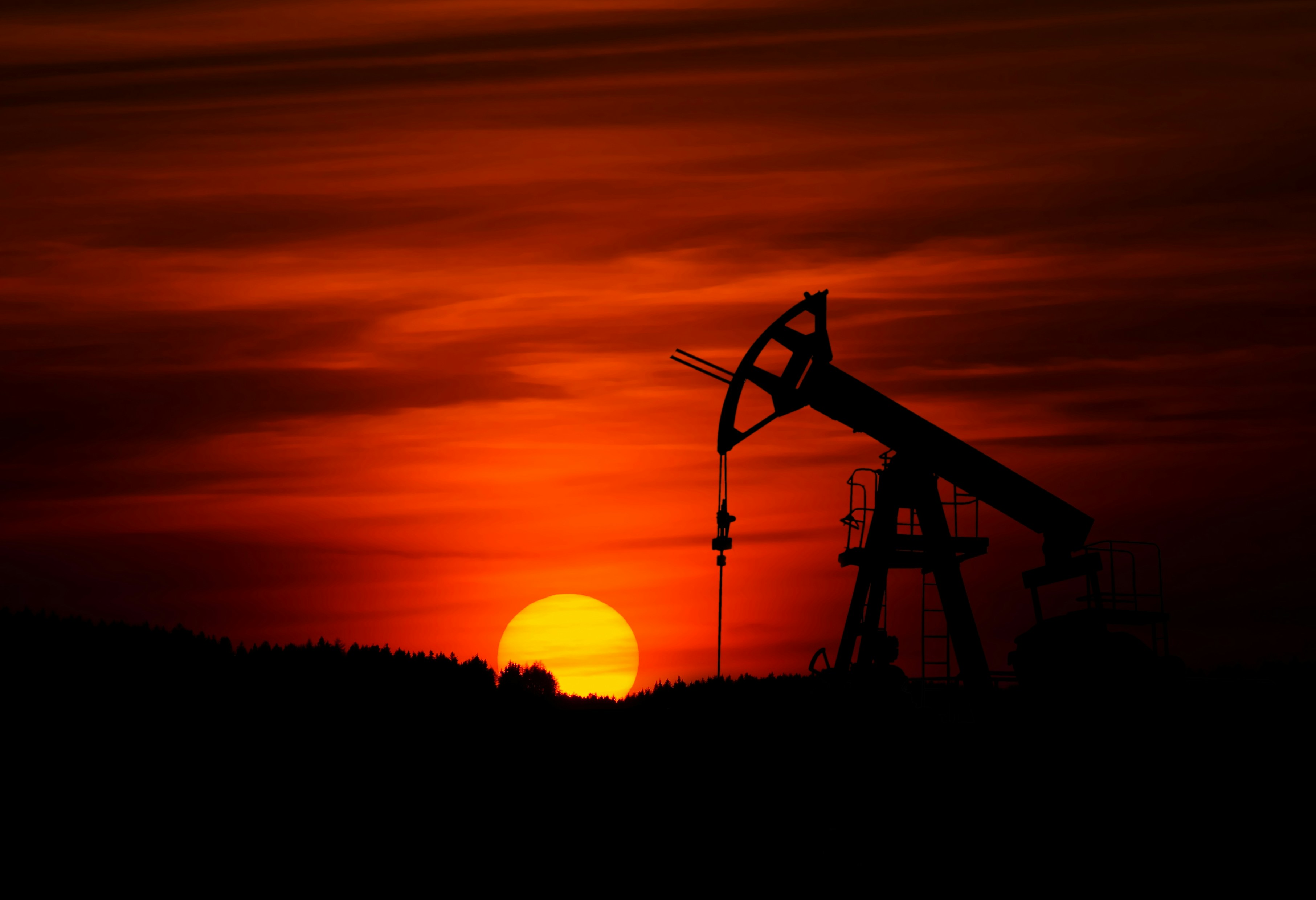
Source: Zbynek Burival
Obtaining outside data.
Checking internet sources, using keywords: Brent Crude price 2026
News from various sources:
No relevant news found.
Fact-checked summary:
Currently, there is no relevant news to inform an informed prediction about whether the price of Brent Crude will fall below $50 per barrel in 2026. This absence of news is critically important as it affects our ability to assess future price movements. Without new information or developments, making a forecast about Brent Crude’s future price remains uncertain.
OpenAI gives a base rate of 0.1 (10%)
The question difficulty is rated 7 (0 to 10)
A Bayesian calculation could be performed as follows:
Using historical factors, assign weighted average: 0.1 (base rate) * (0.3 * recent stability + 0.2 * low frequency + 0.2 * moderate economic signals + 0.1 * slow tech advances + 0.2 * moderate geopolitical stability). Assume recent stability is 0.6, low occurrence 0.3, moderate financial signals 0.5, tech advances 0.2, stable geopolitics 0.7. This provides an adjusted probability of approximately 0.12.
Bayesian base rate: 0.12 (12%)
Sufficient news to provide a good forecast? 0 (0 or 1)
News is relevant, topical and unbiased? 0 (0 or 1)
Question classification: scenario_based_forecast
Expected time (days) until question close: 254
The following were considered in order to produce this base rate:
The base rate was determined by examining the historical frequency of Brent crude prices dipping below $50, current economic indicators, and typical supply-demand scenarios. The rarity of such price levels in recent years strongly influences the base rate.
Ideally, the news feed would contain the following sorts of information for a better forecast:
It would be beneficial to have more detailed information on global economic trends, geopolitical developments, OPEC production decisions, and technological advancements in alternative energy sources.
Some potential divergent considerations that might affect the base rate:
The forecast could diverge from the base rate if major geopolitical events or unexpected economic downturns occur, or if new energy technologies rapidly reduce oil demand.
The following chain of events are necessary for the question to resolve positively:
- Global economic recession reducing oil demand significantly. Unlikely
- Increase in oil supply, either through new discoveries, increased production, or geopolitical factors. Unlikely
- Major technological advancements in alternative energy leading to reduced oil consumption. Unlikely
- Significant policy changes or agreements influencing oil prices downward. Moderate
Querying Claude (AI predicts: 0.22 – confidence: 4)
Querying Mistral (AI predicts: 0.25 – confidence: 6)
Querying OpenAI (AI predicts: 0.1 – confidence: 7)
Explanations of the statistical measures listed below.
Question Type: Binary
Median from LLMs: 0.22
Base rate: 0.1 (from OpenAI)
SD: 0.06
MAPD: 0.1
Confidence: 6
Conf Mode: Normal
Mellers: 0.14
Reverse Mellers: 0.31
Theory of Mind: 0.15 (What did the LLMs think other LLMs predicted?)
Beta Distribution: 0.05
Close Type: A (B = cautious # closer to 50%; A/C = closer to extremes)
LLM responses: 3
Model value: 22%
The reasoning among the AIs highlights that the Brent Crude oil market is under pressure due to a mix of supply and demand dynamics, geopolitical uncertainties, and historical price trends. OPEC+ production increases through 2025-2026 have added supply to the market, while the global demand growth is dampened by trade wars and uncertainties around China’s economy. Despite the current trading range in the mid-$60s, a substantial drop to below $50 is historically rare and would require significant factors such as a global recession or major geopolitical events. Alternative energy adoption and technological advancements are gradually influencing demand but are unlikely to cause drastic immediate changes in oil prices. The prediction considers an elevated probability of prices falling below $50 but still remains below 50%, as the scenarios that could drive such a decline include severe demand shocks, geopolitical instability, or supply gluts. However, mitigating factors include potential production cuts by OPEC+ or unexpected global demand recovery, which could prevent such a drastic price fall.
Runtime: 50 seconds.
About The Author