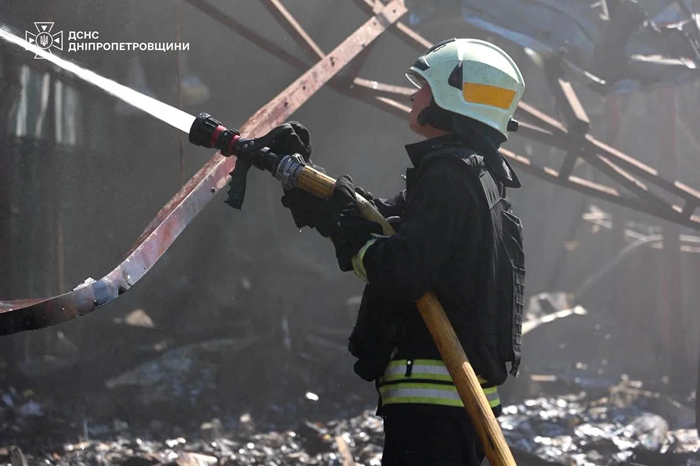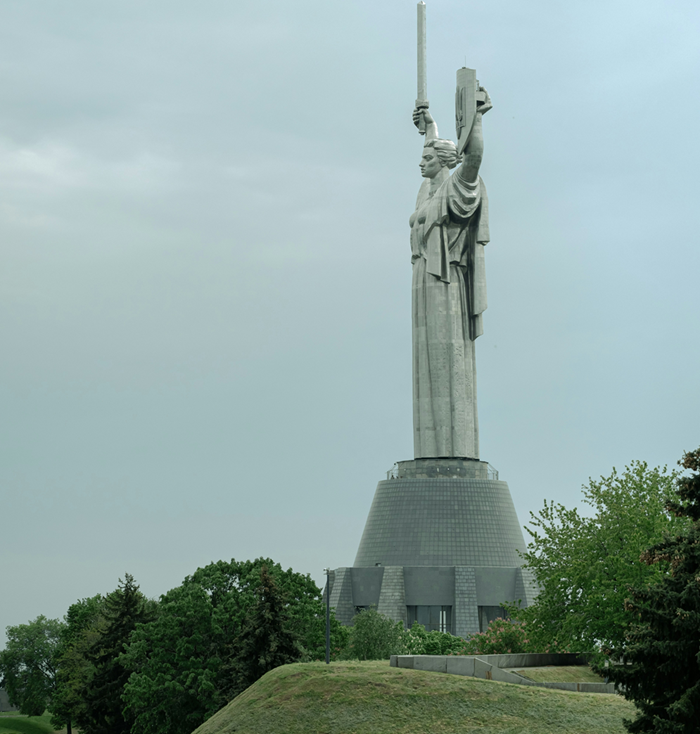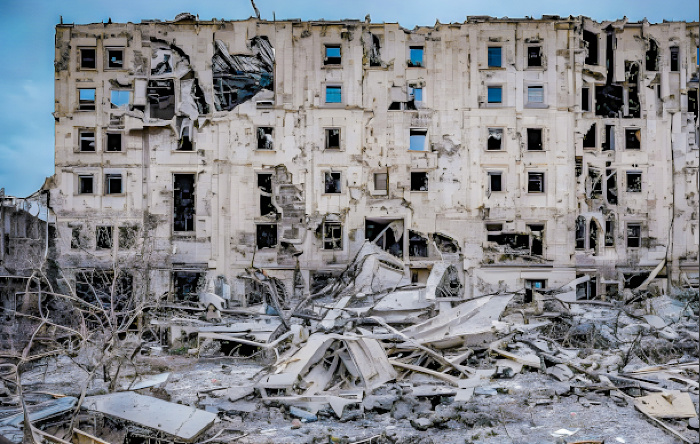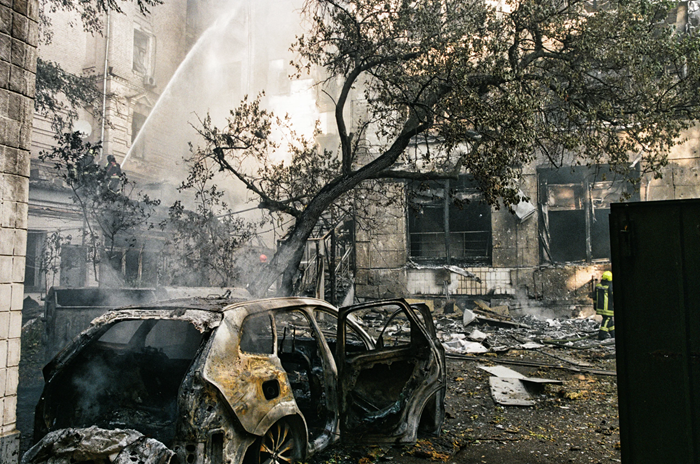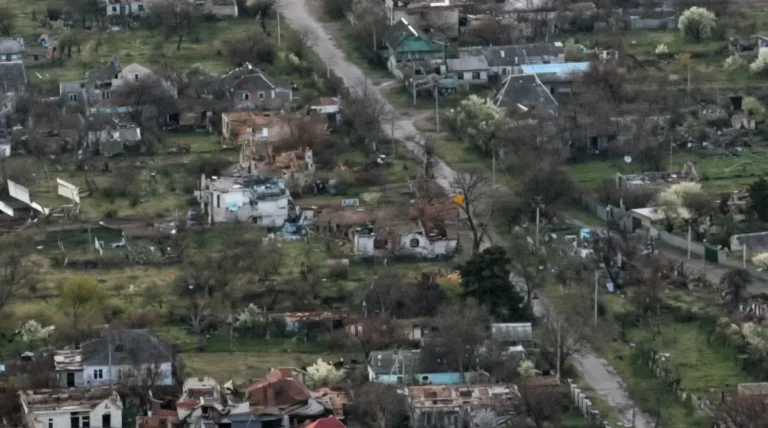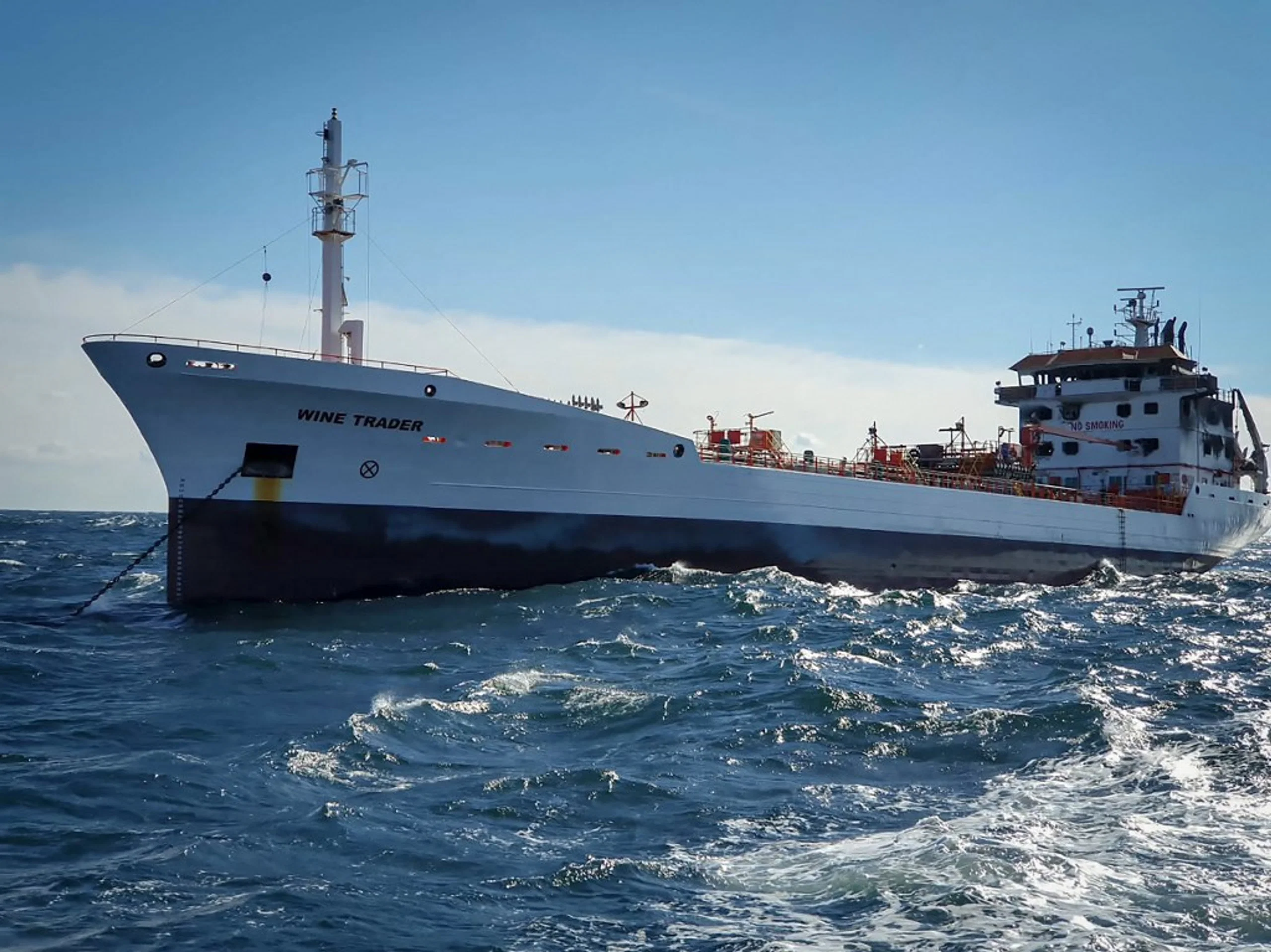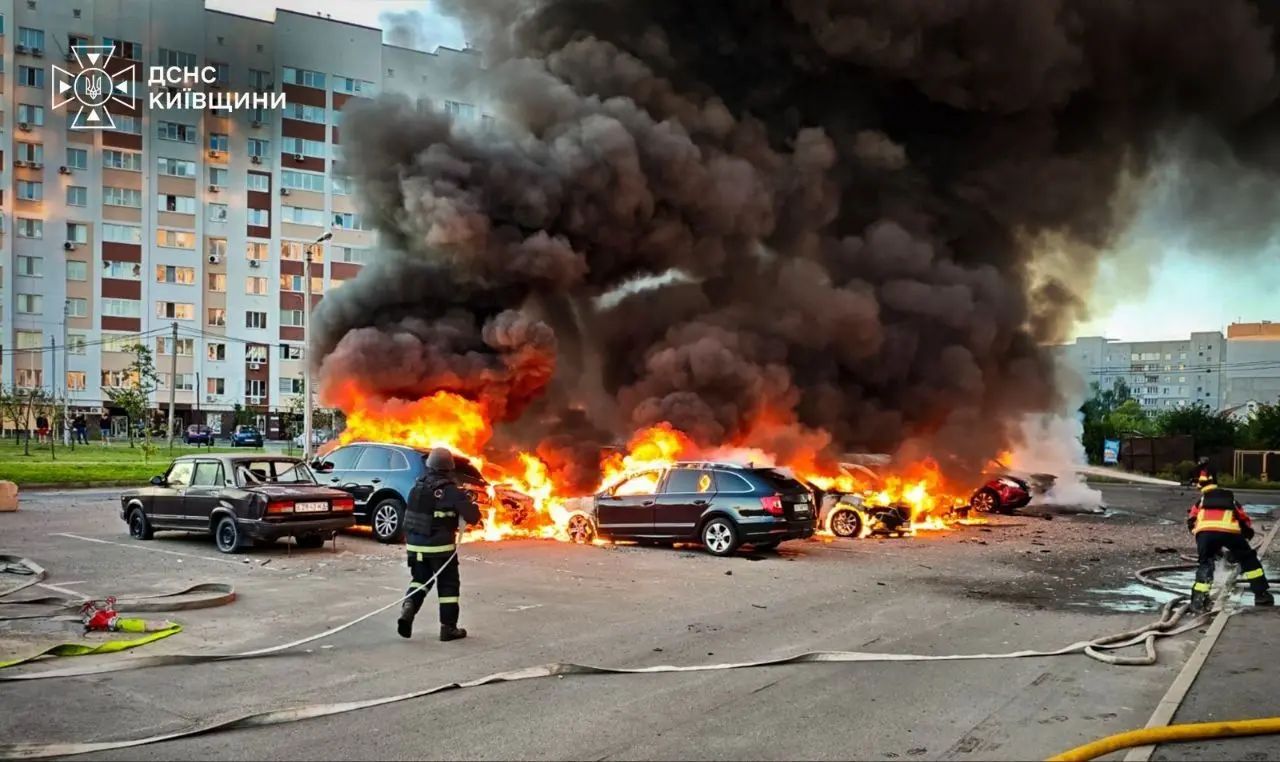
Firefighters battle a blaze following Russian attacks in the Bucha district near Kyiv on Aug. 28, 2026. (Ukraine's Emergency Service) Source: https://kyivindependent.com/kyiv-records-13-air-raid-alerts-in-single-day-most-since-full-scale-invasion-as-explosions-continue-overnight
Obtaining outside data.
Checking internet sources, using keywords: Ukraine ceasefire 2026
News from various sources:
The web content regarding the topic “Ukraine ceasefire 2026” includes a mixture of developments on diplomatic initiatives and ongoing military activities related to the Russia-Ukraine conflict as of 2026.
Diplomatic Developments:
- The Vatican has recently resumed diplomatic communications with Russia after a five-year hiatus. This renewed dialogue, marked by a meeting between Archbishop Gallagher and Russia’s Foreign Minister Lavrov, is seen as a potential step towards discussing a ceasefire. The involvement of the Vatican is notable due to its historical role as a mediator in global conflicts.
- Market confidence in a Russia-Ukraine ceasefire by December 2026 increased slightly after the Vatican’s engagement, but subsequent actions by a coalition supporting Ukraine and continuing hostilities might influence these perceptions.
International Responses:
- A coalition involving Western nations gathered in Kyiv has committed to strengthening Ukraine’s defenses, enhancing military support, and tightening sanctions on Russia. The coalition also discussed the preparation for a multinational force deployment post-ceasefire.
- Market expectations for a ceasefire’s probability changed following these announcements, reflecting skepticism about a ceasefire occurring by year-end.
Military Developments:
- Recently, there has been an increase in violent activities, including Russian missile attacks on civilian targets in Kyiv, resulting in significant casualties and destruction. The UN Secretary-General António Guterres condemned these actions and urged an immediate ceasefire.
- Ukrainian forces have also been active, launching drone attacks targeting mainland Russia and its occupied territories.
Ceasefire Negotiations:
- Ukrainian President Volodymyr Zelenskyy sees a potential window for U.S. mediation in peace negotiations until the summer of 2027. Discussions with U.S. and European officials have led to proposals, including a ceasefire and a U.S. suggestion for a free economic zone in the Donbas region.
- Russia has voiced skepticism over the feasibility of such ideas, particularly concerning a third-party-administered economic zone within regions Russia claims.
Recent Statements and Meetings:
- High-level discussions involve key international leaders, including potential meetings between top figures like U.S. President Donald Trump and Russian President Vladimir Putin. The outcomes of these talks and additional actions by bodies like the United Nations remain influential factors in the conflict’s trajectory.
Fact-checked summary:
In 2026, the Vatican resumed diplomatic communications with Russia, which could influence peace talks regarding Ukraine. This development coincides with a coalition of Western nations gathering in Kyiv to fortify Ukraine’s defenses and prepare for potential multinational force deployment post-ceasefire. The conflict has escalated with increased Russian missile attacks on Kyiv and Ukrainian drone strikes on mainland Russia and its occupied territories, which critically affect the likelihood of a ceasefire. Additionally, discussions are underway about a potential ceasefire and a proposed U.S. suggestion for a free economic zone in the Donbas region, though Russia remains skeptical of third-party-administered zones. These factors are important as they contribute to the complex geopolitical landscape that may impact the possibility of a ceasefire or armistice in Ukraine by the end of 2026.
OpenAI gives a base rate of 0.2 (20%)
The question difficulty is rated 7 (0 to 10)
Historical weighted factors include:
Historical ceasefire agreements, 0.3
International mediation success rate, 0.2
Current geopolitical alliances, 0.2
Economic incentives for both parties, 0.1
Previous conflict resolutions in the region, 0.2
A Bayesian calculation could be performed as follows:
Using the historical factors and their weights, the probability adjustment is calculated as follows: P(Ceasefire|Evidence) = [P(Evidence|Ceasefire) * P(Ceasefire)] / P(Evidence). Assume P(Evidence|Ceasefire) is affected by weighted historical factors and current events. Base rate adjusted by factors gives final probability.
Bayesian base rate: 0.25 (25%)
Sufficient news to provide a good forecast? 1 (0 or 1)
News is relevant, topical and unbiased? 1 (0 or 1)
Question classification: scenario_based_forecast
Expected time (days) until question close: 125
The following were considered in order to produce this base rate:
The base rate was developed by considering past instances where similar geopolitical conflicts, especially involving major powers, have resolved through ceasefires or armistices. Historical data suggests a low to moderate probability overall due to multiple complex factors and interests.
Ideally, the news feed would contain the following sorts of information for a better forecast:
Information on internal political pressures within Russia and Ukraine, as well as intelligence on military capabilities and economic conditions, would enhance the quality of the forecast.
Some potential divergent considerations that might affect the base rate:
Current escalations in the conflict, including increased attacks from both sides, decrease the likelihood of immediate diplomatic resolutions. However, international pressure from diplomatic communications like those through the Vatican can increase the chance of discussions.
The following chain of events are necessary for the question to resolve positively:
- Ukraine and Russia agree on a ceasefire framework. Moderate
- Vatican mediation successfully brings both parties to the negotiation table. Low
- Western coalition establishes effective defense support for Ukraine. Moderate
- Russia agrees to or is pressured into considering a ceasefire. Low
- Economic or political developments lead to a shift in strategic interests. Moderate
Querying Claude (AI predicts: 0.28 – confidence: 3)
Querying OpenAI (AI predicts: 0.25 – confidence: 4)
Guide to Jeremy Lichtman’s Multi-AI Oracle Reports
Question Type: Binary
Median from LLMs: 0.27
Base rate: 0.2 (from OpenAI)
SD: 0.02
MAPD: 0
Confidence: 3.5
Conf Mode: Low
Mellers: 0.19
Reverse Mellers: 0.34
Theory of Mind: 0.15 (What did the LLMs think other LLMs predicted?)
Beta Distribution: 0.001
Close Type: A (B = cautious # closer to 50%; A/C = closer to extremes)
LLM responses: 2
Model value: 0.27 (27%)
The likelihood of a ceasefire or armistice in Ukraine by the end of 2026 is complex and hinges on several conflicting factors. The base probability of such an agreement is low due to historical precedents in major power conflicts, sitting at 0.2. Positive diplomatic efforts include Vatican-led talks and a U.S. proposal for a free economic zone in Donbas, both signaling potential avenues for peace despite their inherent challenges. Meanwhile, the western coalition’s support for Ukraine could paradoxically either create conditions for negotiation or further entrench hostilities. The ongoing military escalations, with aggressions from both Russia and Ukraine, and the absence of a formal ceasefire framework underline the negative outlook, compounded by the mere four months left in the year. Nonetheless, unexpected developments like clandestine negotiations or shifts in Russian politics under economic duress could accelerate peace talks, suggesting that the situation remains fluid despite the current 0.28 likelihood of resolution.
Runtime: 178 seconds.
About The Author