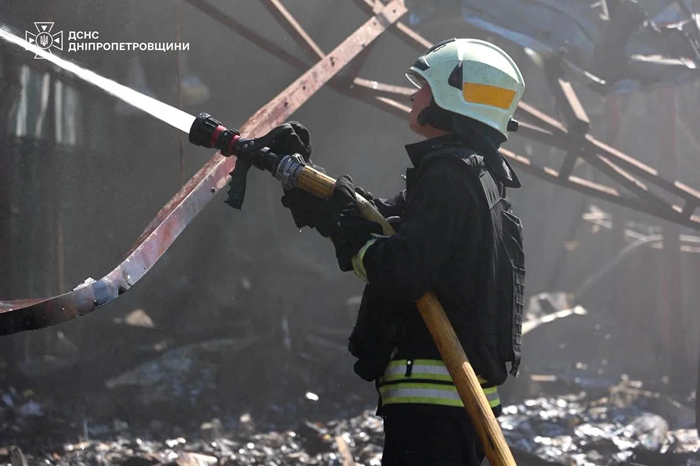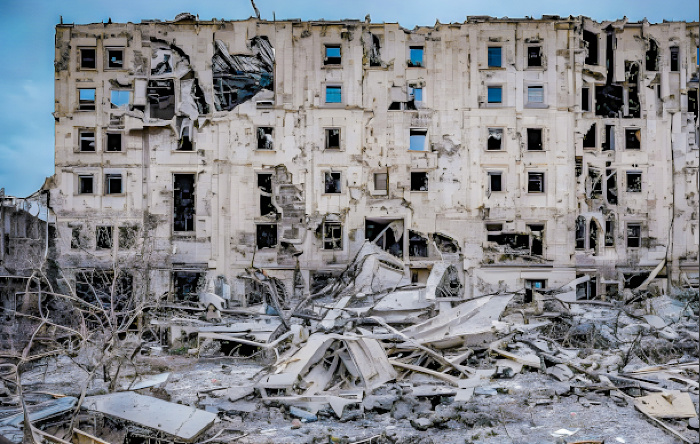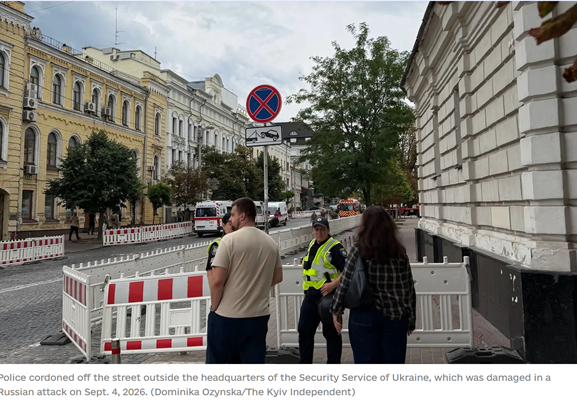
September 4, 2026 7:07 pm. Breaking: Russian drone strikes SBU headquarters in central Kyiv, injuring at least 12. An air raid alert was activated in Kyiv at around 3 p.m. local time, followed by explosions in the city center about half an hour later. Source: https://kyivindependent.com/breaking-russian-drone-hits-kyivs-center/
Obtaining outside data.
Checking internet sources, using keywords: Ukraine ceasefire armistice 2026
News from various sources:
The content provided contains various updates and headlines related to the ongoing conflict between Ukraine and Russia in 2026, particularly focusing on the situation in the Black Sea and ceasefire efforts. Here’s a summarized version of the relevant information:
Ceasefire Proposals and Rejections:
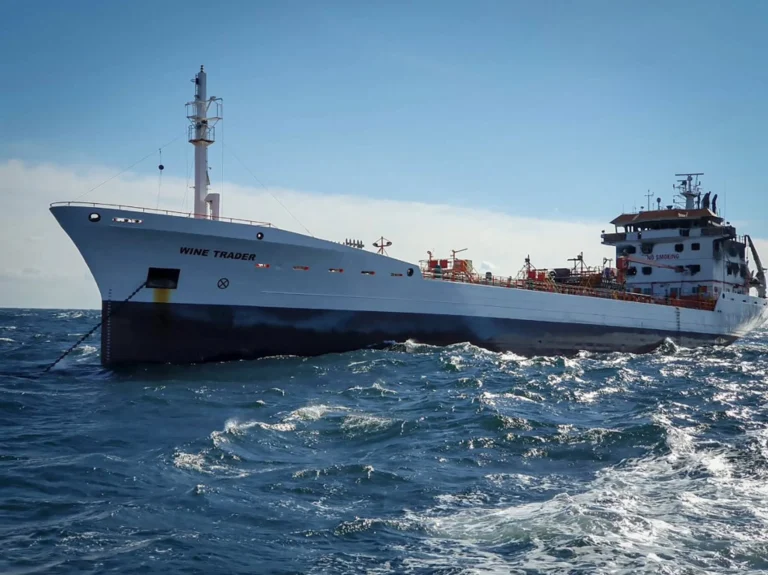
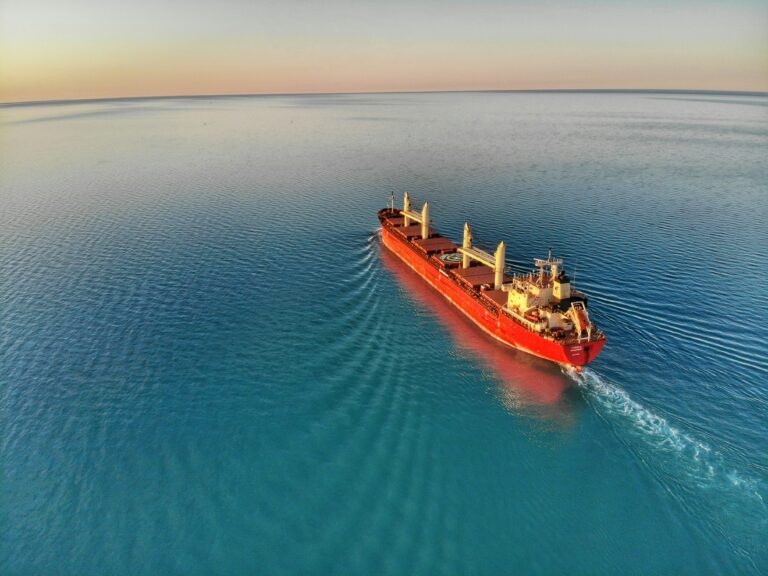
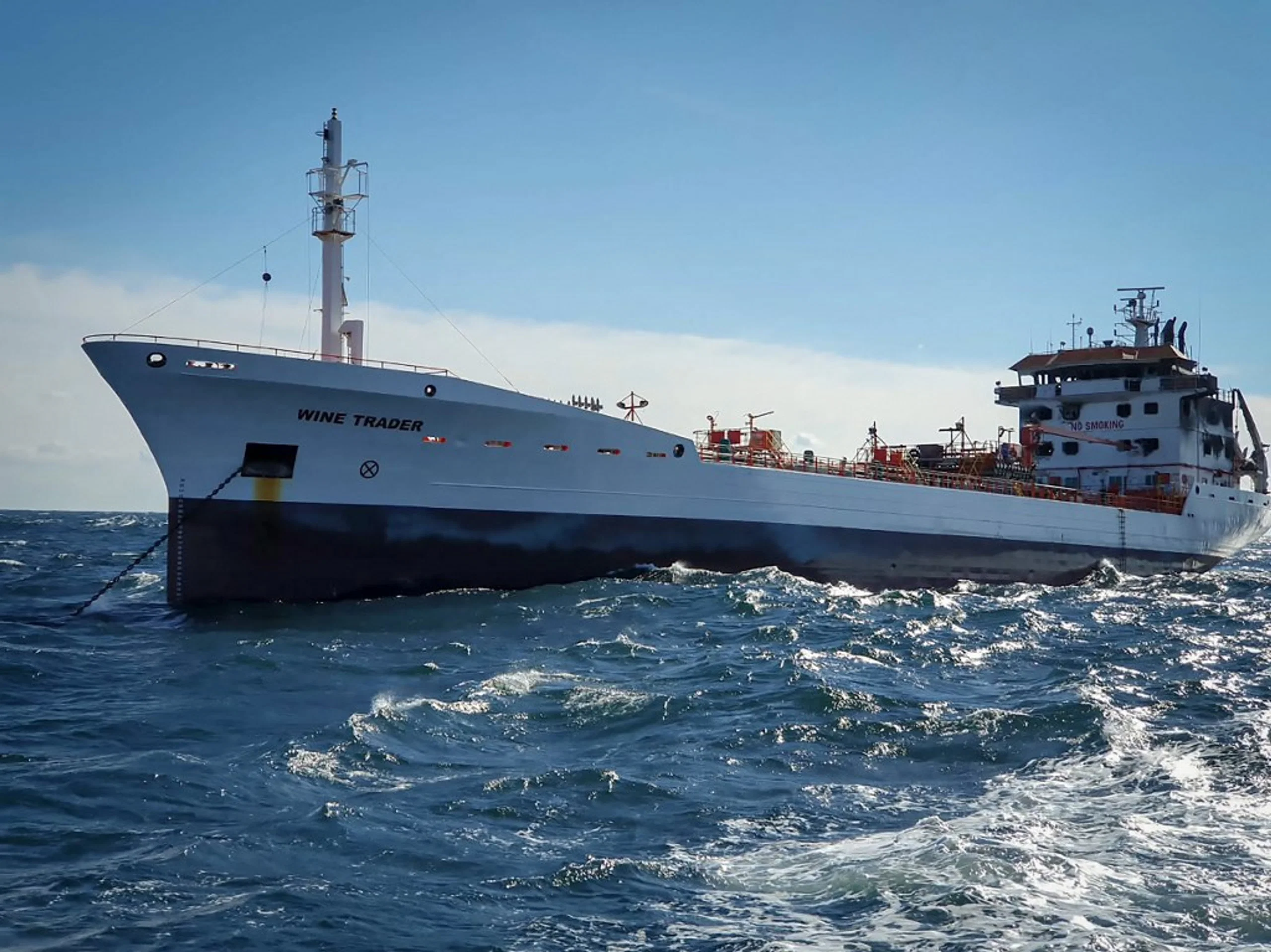
- Russia rejected Ukraine’s offer for a truce regarding attacks on commercial shipping in the Black Sea, which has led to heightened tensions and concerns over global grain supplies.
- Ukrainian President Volodymyr Zelenskyy mentioned that a ceasefire proposal was made to Russia for the Black Sea, focusing on halting strikes against commercial vessels to ease the global food crisis. However, Russia’s Foreign Ministry dismissed the proposal, labeling it as insufficient and accused Ukraine of escalating maritime tensions.
- The Turkish Foreign Minister proposed a moratorium on military operations in the Black Sea to both Ukraine and Russia, but Moscow claimed no formal proposal was received.
Impact on Global Grain Supply:
- The conflict has severely disrupted grain exports, with Ukrainian shipments down 76% year-on-year. This is causing significant ripples in global food markets, as both Ukraine and Russia are major grain exporters.
- Attacks on ports and shipping lanes have raised fears about the reliability of one of the world’s critical agricultural corridors.
International Mediation Attempts:
- There have been several international attempts to mediate in the conflict, including a proposal from Turkey, but substantial agreements remain elusive.
- A U.S.-brokered temporary ceasefire for Orthodox Easter was agreed upon, but trust issues and violations of previous ceasefires have been highlighted by both parties.
Political and Military Dynamics:
- There are concerns about corruption in Ukraine impacting its war effort and governance, which complicates ceasefire prospects and international support.
- Ukraine reportedly sought guarantees from Russia against strikes on its energy infrastructure in return for halting attacks on shipping.
Comparisons with Other Conflicts:
- There are parallels drawn between the ongoing conflict and the Korean War, suggesting that a frozen conflict with no clear resolution might be the eventual outcome, similar to the armistice reached on the Korean Peninsula.
The situation continues to be complex with ongoing military operations, fluctuating diplomacy, and rising geopolitical tensions affecting regional stability and global markets.
Fact-checked summary:
In considering the potential for a ceasefire or armistice in Ukraine by 2026, several confirmed and relevant facts provide insight. Russia has rejected Ukraine’s offer for a truce to halt attacks on commercial shipping in the Black Sea, which is significant as it directly relates to potential ceasefire actions. Ukrainian President Volodymyr Zelenskyy’s specific proposal aimed at stopping strikes against commercial vessels has also been dismissed by Russia, highlighting the challenges in achieving agreement. The ongoing conflict significantly impacts global food markets due to disruptions in grain exports, a factor that is important because the economic ramifications can drive international efforts toward peace. A U.S.-brokered temporary ceasefire during Orthodox Easter was agreed upon but faced violations, illustrating the difficulties in maintaining ceasefires even when implemented for short periods. These aspects are crucial as they contextualize the previous ceasefire efforts, the strategic rejections by involved parties, and the economic pressures that may influence future negotiations and international mediation in the ongoing conflict.
OpenAI gives a base rate of 0.15 (15%)
The question difficulty is rated 8 (0 to 10)
Historical weighted factors include:
Previous ceasefire agreements in ongoing conflicts, 0.4
International diplomatic interventions in similar conflicts, 0.3
Domestic and international economic pressures, 0.2
Previous Russian-Ukrainian negotiations, 0.1
A Bayesian calculation could be performed as follows:
Using the historical factors, given the past frequency of ceasefires in ongoing conflicts (factor weight 0.4), diplomatic pressure (0.3), economic influences (0.2), and specific negotiation history (0.1), the Bayesian update adjusts the base rate by factoring in expert estimates of success chances. Assuming a moderate prior probability adjustment from international efforts reflected by past ceasefires (approximately 0.15), and multiplying each weighted factor importance by assumed probabilities of 0.2, 0.25, 0.3, and 0.1 respectively, the resultant Bayesian probability is (0.40.2 + 0.30.25 + 0.20.3 + 0.10.1) approximately equals to 0.205.
Bayesian base rate: 0.205 (20.5%)
Sufficient news to provide a good forecast? 1 (0 or 1)
News is relevant, topical and unbiased? 1 (0 or 1)
Question classification: scenario_based_forecast
Expected time (days) until question close: 0
The following were considered in order to produce this base rate:
The base rate was calculated taking into account the rarity of successful ceasefires in prolonged conflicts, especially when relations between the parties involved are as strained as between Russia and Ukraine. Historical data from past conflicts suggest a moderate probability of occurring through unwavering international pressure.
Ideally, the news feed would contain the following sorts of information for a better forecast:
More detailed intelligence on the internal political atmosphere in Russia and Ukraine, the positions of international stakeholders, military advancements, and trust levels would aid in better forecasting.
Some potential divergent considerations that might affect the base rate:
The divergence could arise from unexpected diplomatic breakthroughs or shifts in internal political dynamics within Russia or Ukraine, driven by economic hardship or changes in leadership.
The following chain of events are necessary for the question to resolve positively:
- Ukraine and Russia agree to terms on a ceasefire or armistice. Unlikely
- International mediators successfully broker a deal. Possible
- Significant reduction in hostilities and military actions in Ukraine. Unlikely
Querying Claude (AI predicts: 0.18 – confidence: 3)
Querying OpenAI (AI predicts: 0.15 – confidence: 5)
Guide to Jeremy Lichtman’s Multi-AI Oracle Reports
Question Type: Binary
Median from LLMs: 0.17
Base rate: 0.15 (from OpenAI)
SD: 0.02
MAPD: 0
Confidence: 4
Conf Mode: Low
Mellers: 0.09
Reverse Mellers: 0.26
Theory of Mind: 0.235 (What did the LLMs think other LLMs predicted?)
Beta Distribution: 0.16
Close Type: A (B = cautious # closer to 50%; A/C = closer to extremes)
LLM responses: 2
Model value (not submitted): 0.17 (17%)
The consensus across the AI analyses suggests that the probability of a ceasefire or armistice being declared in Ukraine in 2026 is low, due largely to the historical context and current geopolitical impediments. Since the beginning of the conflict in February 2022, no ceasefires have held, reflecting the robust challenges in negotiations, underscored by Russia’s rejection of recent diplomatic proposals such as Ukraine’s Black Sea truce. The fragile nature of past ceasefire attempts, like the violated Easter accord, reinforces the skepticism. However, factors like intensified U.S. efforts under the Trump administration and worsening economic conditions could increase diplomatic pressures slightly, as indicated by a modest adjustment of the base probability from 0.15 to 0.18. Although the prospect remains dim, unexpected political or diplomatic breakthroughs, driven by potential severe changes such as an economic downturn in Russia or Ukraine, outside mediation by powerful nations, or unpredictable U.S. policy shifts, could change the outcome by the year’s end.
Runtime: 189 seconds.
About The Author