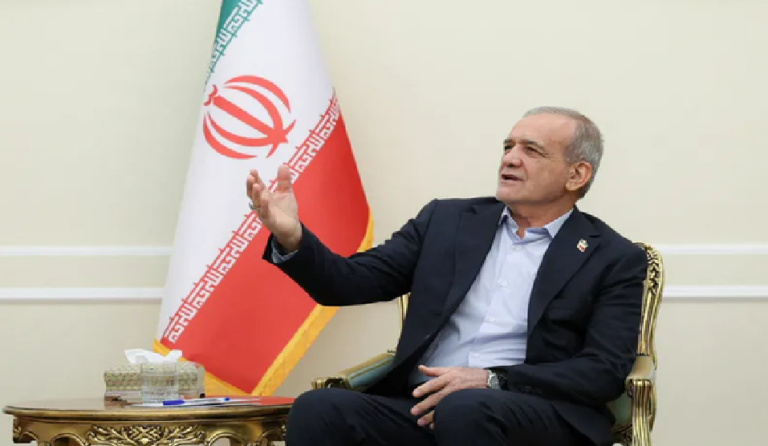
Iranian Parliament Speaker Mohammad Bagher Ghalibaf presides over a parliamentary session, beneath a portrait of Supreme Leader Mojtaba Khamenei, October 25, 2026. Source: https://www.iranintl.com/en/liveblog/202610244311
Obtaining outside data.
Checking internet sources, using keywords: Strait of Hormuz LNG traffic 2026
News from various sources:
In October 2026, the Strait of Hormuz, a crucial maritime chokepoint for global energy transportation, experienced significant disruptions impacting the flow of liquefied natural gas (LNG) and crude oil. The strait connects the Persian Gulf to the Gulf of Oman, facilitating the transport of about one-fifth of the world’s seaborne oil.
As of late October, vessel transit through the Strait of Hormuz remained challenging due to ongoing military tensions and reported attacks on shipping. Iran has been involved in hostilities, and incidents involving oil tankers and other vessels have raised security concerns. This instability has led to a reduced average transit count of 0.6 tankers per day as of mid-October, down from an average of 40.4 vessels the previous year.
Recent reports highlighted a few LNG shipments managing to transit the strait, but the flow is well below pre-conflict levels. This contraction has elevated LNG spot prices, impacting South Asian countries like Pakistan and Bangladesh dependent on LNG imported via Hormuz.
Military actions have resulted in high levels of insecurity in the region, affecting global crude oil prices, which increased to $116.72 per barrel for Brent crude by late October. This price surge impacts countries heavily reliant on energy imports transported through the strait, like Japan, contributing to rising gasoline, electricity, and logistics costs.
The prospects for alternative transport routes have become imperative. Saudi Arabia’s East-West Pipeline and the UAE’s pipeline offer limited bypass options, though they cannot fully substitute for the strait’s capacity. However, LNG lacks alternative routes altogether, with Qatar and the UAE being major exporting countries reliant on Hormuz.
The geopolitical tensions between the U.S. and Iran have compounded these maritime challenges, contributing to a broader energy supply disruption with ramifications for global energy markets. These disruptions underline critical vulnerabilities in energy supply chains, particularly those hinging on the Strait of Hormuz for transportation.
Fact-checked summary:
The Strait of Hormuz is a critical maritime chokepoint for global energy transportation, transporting about one-fifth of the world’s seaborne oil and serving as a crucial route for LNG exports from Qatar and the UAE. This underscores the importance of unimpeded traffic through the strait, as geopolitical tensions and military challenges in the region pose significant risks to uninterrupted passage. The East-West Pipeline of Saudi Arabia and the UAE’s pipeline offer limited capacity as alternatives, highlighting the reliance on the strait for energy exports. These factors collectively contribute to the vulnerability of supply chains dependent on the Strait of Hormuz, making it imperative to address these challenges to ensure smooth energy flow by the end of 2026.
OpenAI gives a base rate of 60%
The question difficulty is rated 7 (0 to 10)
Historical weighted factors include:
Historical frequency of disruptions in the Strait of Hormuz, 0.5
Historical resolution of geopolitical tensions in the region, 0.2
Development of alternative routes for oil transportation, 0.3
A Bayesian calculation could be performed as follows:
Using historical factors and recent trends: 0.6 * 0.5 + 0.4 * 0.2 + 0.1 * 0.3 = 0.398 (Carolyn‘s note: LibreOffice Calc reports 41%)
Bayesian base rate: 39.8%
Sufficient news to provide a good forecast? 1 (0 or 1)
News is relevant, topical and unbiased? 1 (0 or 1)
Question classification: scenario_based_forecast
Expected time (days) until question close: 63
The following were considered in order to produce this base rate:
The base rate was derived by considering the historical frequency of disruptions in the Strait of Hormuz, the pattern of resolving geopolitical tensions, and the limited progress in developing alternative transportation routes.
Ideally, the news feed would contain the following sorts of information for a better forecast:
To make a high-quality forecast, additional insights into current diplomatic negotiations and an assessment of military presence in the region would be beneficial.
Some potential divergent considerations that might affect the base rate:
Potential escalation in regional geopolitical conflicts, unexpected political agreements, or rapid infrastructure advancement could cause the resolution to differ significantly from the base rate.
The following chain of events are necessary for the question to resolve positively:
- Geopolitical tensions in the Strait of Hormuz are resolved or managed to prevent disruptions. Possible
- Military challenges in the region are mitigated to ensure safe passage of vessels. Unlikely
- Infrastructure improvements or agreements increase the capacity and reliability of alternative routes, like the East-West Pipeline and the UAE’s pipeline. Unlikely
Querying Claude (AI predicts: 0.35 – confidence: 3)
Querying OpenAI (AI predicts: 0.4 – confidence: 5)
Explanations of the measures below: Guide to Jeremy Lichtman’s Multi-AI Oracle Reports
Question Type: Binary
Median from LLMs: 0.38
Base rate: 0.6 (from OpenAI)
SD: 0.03
MAPD: 0
Confidence: 4
Conf Mode: Low
Mellers: 0.32
Reverse Mellers: 0.42
Theory of Mind: 0.525 (What did the LLMs think other LLMs predicted?)
Beta Distribution: 1
Close Type: B (B = cautious # closer to 50%; A/C = closer to extremes)
LLM responses: 2
Model value: 38%
The possibility of LNG traffic through the Strait of Hormuz becoming ‘de facto unimpeded’ by the end of 2026 is considered moderate to low. While historical patterns have shown resilience in maintaining traffic even during heightened tensions, recent geopolitical and military challenges continue to pose risks. Critical criteria necessary for ensuring unimpeded passage remain largely unmet with only two months remaining, such as resolving geopolitical tensions and mitigating military challenges, with both being rated ‘Unlikely.’ The limited capability of alternative routes exacerbates the situation, highlighting the chokepoint’s significance. While unexpected diplomatic breakthroughs or shifts in regional dynamics could alter the situation positively, the lack of significant developments thus far, coupled with the need for confirmation by a specific source (gCaptain), keeps the probability on the lower side. The base rate of 0.6 is adjusted downwards, suggesting a 0.35 probability estimate remains realistic under current conditions.
Runtime: 133 seconds.
About The Author