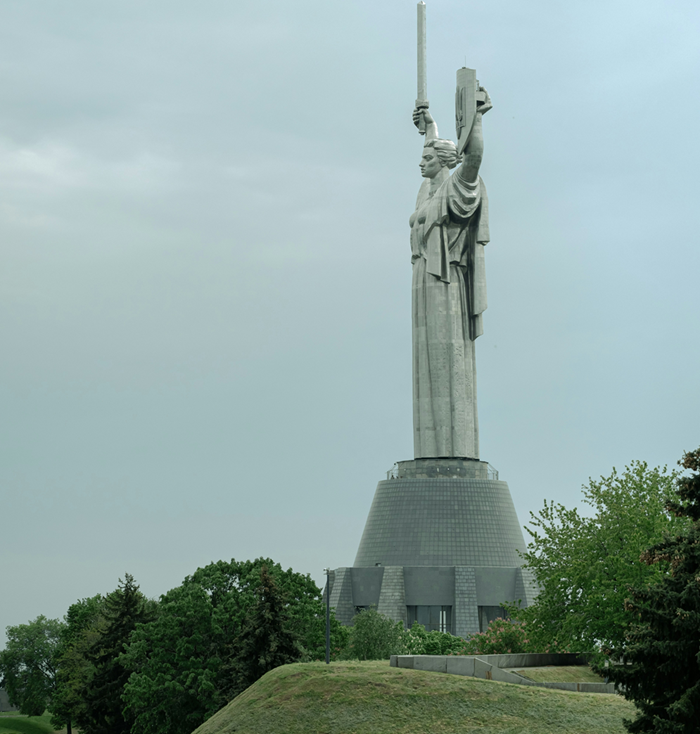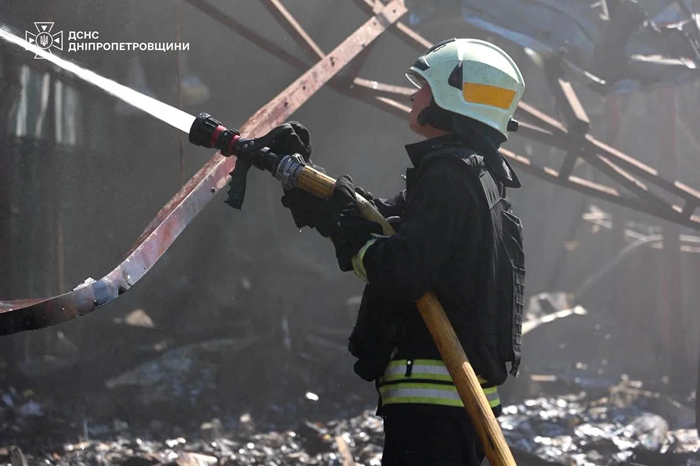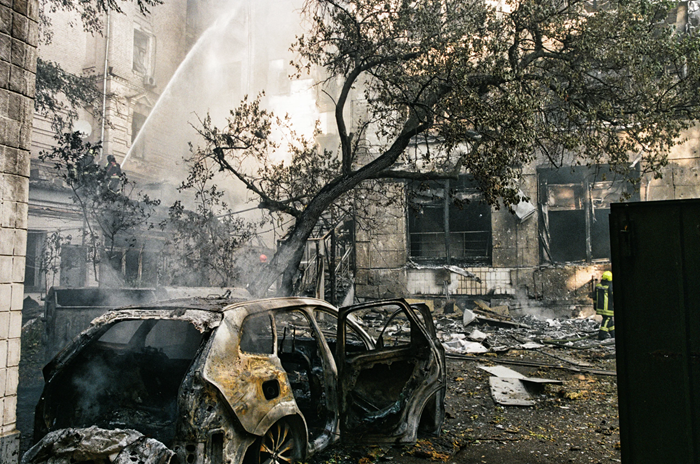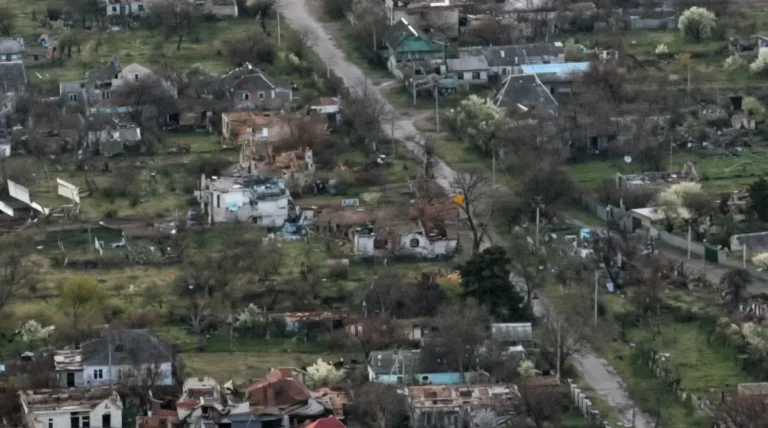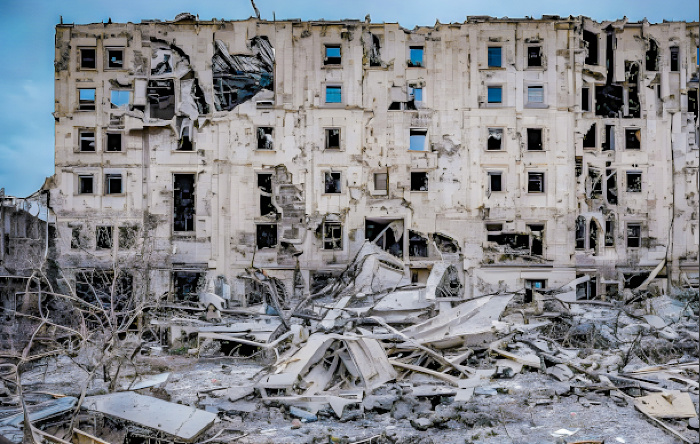
Photo of wartime devastation in Ukraine by Jade Koroliuk of Kyiv, Ukraine. Source: https://unsplash.com/@jadekoroliu
Deepseek Binary response:
The question asks whether a ceasefire or armistice will be officially declared between Russia and Ukraine after 2026-10-02 and before 2026-12-31. The resolution criteria are broad: a temporary or regional ceasefire can count if officially declared and reported by major news outlets.
Key considerations:
- The April 2026 Easter ceasefire already demonstrates that short mutual ceasefires are possible, but it occurred before the relevant window and does not count.
- Current diplomacy is focused on limited arrangements: Black Sea shipping, energy infrastructure, or localized pauses. Talks are scheduled for early October, but Putin explicitly rejected a mutual halt to long-range strikes on October 1 and insists Russia will not pause fighting during negotiations.
- Prediction markets for a durable ceasefire by end-2026 were around 13–21% in September, but those contracts often require the ceasefire to hold. Our criterion only requires an official declaration, which is a lower bar.
- However, the most likely limited deals (Black Sea/energy) may be framed as sectoral arrangements rather than a general “ceasefire in Ukraine,” creating ambiguity. Even if declared, they might not resolve the question depending on interpretation.
- Q4 historically has seen no ceasefires in this war, and the next major Orthodox holiday (Christmas) falls after the resolution date. The main near-term opportunity is the October Black Sea talks, but success is far from assured.
- Weighing the active diplomacy against Putin’s hardline stance, the 90-day window, and the base rate for such declarations, I estimate a modest but non-trivial probability.
My central estimate accounts for the chance of a qualifying Black Sea or energy ceasefire declaration, a small chance of a broader armistice, and a minor chance of a humanitarian/temporary nationwide pause.
Data sufficiency: Sufficient
Probability: 20%
Grok response:
Key citations
Polymarket-related reporting on ceasefire odds (Telegraf analysis of Polymarket and related market summaries). Published September 21, 2026 (with related snapshots into early October). Market-implied probabilities for a Russia–Ukraine ceasefire agreement by the end of October 2026 were around 7%, by end-November around 12%, and by end-2026 roughly 13–21% depending on the contract and date (some contracts require the ceasefire to take effect and hold continuously for 10 days). Probabilities rose into 2027 (often 30%+ by early 2027 and higher later in the year). These are distinct from the broader “officially declared” standard in the question.
Russia’s Putin rules out ceasefire with Ukraine during speech in Moscow (Al Jazeera). Published October 1, 2026. At the Valdai forum, Putin called a mutual halt to long-range strikes (framed as stopping Ukrainian attacks on refineries in exchange for Russia stopping strikes on ships or energy targets) “simply ridiculous” and rejected it. He said Ukrainian refinery strikes had cost Russia about 1% of GDP but that Russia was responding in kind, while reiterating a preference for talks that produce a neutral Ukraine and warning of nuclear options if Kaliningrad were attacked.
Russia to Raise Taxes, Tap Mining Profits for Ukraine War Funding / Here’s How Russia Plans to Pay for the Ukraine War in 2027 (Bloomberg and The Moscow Times). Published October 1–2, 2026. Draft budgets project defense spending of about 17.1 trillion rubles (~$205 billion) in 2027, roughly 27% above prior plans and a post-Soviet record share of spending, with multi-year deficits (2026 deficit revised toward ~7.3 trillion rubles or ~$88 billion / ~3% of GDP). Financing relies on higher taxes (including on passive income and a mining windfall), increased domestic borrowing, and further draws on the National Wealth Fund as oil-and-gas revenues are cut.
Russia paid with more than 46,000 casualties, and the front moved the other way, ISW finds (Euromaidan Press, citing ISW and Ukrainian General Staff). Published October 2, 2026. Ukrainian figures put Russian casualties at 46,230 in September 2026 (highest monthly total of the year; cumulative claimed losses ~1.53–1.54 million since February 2022). ISW assessed a net Russian territorial loss in September (roughly 81 km², or larger when counting infiltrations) and cumulative net losses of nearly 300 km² since March after Ukrainian gains such as Operation Vivaldi, with seizure rates far below 2025 peaks.
Ukraine offers reciprocal energy truce as US carries proposal to Moscow / US seeks to revive Russia-Ukraine ceasefire talks (bne IntelliNews, Al Jazeera, Kyiv Independent). Published September 22–25, 2026. After a September 22 UN meeting with Trump, Zelenskyy said Ukraine was ready for any reciprocal energy ceasefire (halting strikes on Russian refineries if Russia stops attacking Ukraine’s grid, electricity, heating, and water). The US was working to carry the proposal to Moscow and arrange technical trilateral talks, possibly in the UAE in October, also covering a Black Sea grain/shipping pause; both sides confirmed interest in talks but details were absent and strikes continued.
Russia: Recruitment of foreign nationals to fight in Ukraine amounts to human trafficking (Amnesty International) and related Kyiv Post reporting. Published September 10 and September 25, 2026. Amnesty documented deceptive and coercive recruitment of economically vulnerable foreigners (from countries including Brazil, Colombia, Cuba, Egypt, Sierra Leone, Sri Lanka, Somalia, and South Africa) into Russian forces, often amounting to trafficking. Ukrainian data indicated one in 10 Russian POWs is a foreign citizen (from 55 countries), with foreign captures in the first nine months of 2026 already exceeding all of 2025; estimates of foreign recruits since 2022 run into the tens of thousands (FIDH ~27,000+ from 130+ countries; African recruits identified near 3,000 by August).
Russian Offensive Campaign Assessment, September 30, 2026 (ISW, via Kyiv Post and ISW summaries). Published/assessed around September 30–October 1, 2026. Russia launched a massive drone-and-missile strike primarily on Kyiv energy infrastructure, marking the start of a winter 2026–27 campaign that ISW linked to a modified theory of victory aimed at degrading energy security and forcing capitulation. Ukrainian forces made localized advances (including north of Sumy and in the Lyman area via Operation Vivaldi); Russian ground rates of advance remained very slow by historical standards.
=== Forecast Result ===
=== Reasoning ===
Looking at this question, I need to carefully consider what counts for resolution: the event must occur between today (2026-10-02) and 2026-12-31. This means the Orthodox Easter ceasefire from April 2026 (though it technically satisfied “ceasefire” criteria per the loose definition in the background) does NOT count since it already occurred before the “today” date in this scenario.
Key considerations for the Oct-Dec 2026 window:
Negative signals (recency bias toward “No”):
- Putin explicitly rejected the primary ceasefire proposal (mutual halt on long-range strikes/energy infrastructure attacks) on Oct 1, 2026, just one day before our forecast window begins
- Russia just launched a winter campaign of strikes on Ukrainian energy infrastructure, signaling continued escalation rather than de-escalation
- Draft 2027 Russian budgets show continued high war spending commitment, not imminent capitulation
- Prediction markets (Polymarket) price ceasefire probability at only ~13-21% by end of 2026 (though with stricter “holds 10 days” criteria)
Positive signals (toward “Yes”):
- Multiple active diplomatic tracks: Black Sea/grain ceasefire (Turkey-UN mediated, talks scheduled early October), energy infrastructure reciprocal truce (US-mediated)
- Historical precedent within 2026 itself: a 32-hour Easter ceasefire was officially declared and reciprocated (April), showing both sides are capable of agreeing to brief, limited pauses even amid ongoing war
- Ukraine has repeatedly signaled unconditional readiness for ceasefire—the “ask” is primarily on Russia
- Resolution criteria is relatively loose: even a brief, partial, regionally-limited ceasefire (per the question’s own definition) would qualify, not requiring a durable comprehensive armistice
- Four separate ceasefire proposals (India, Turkey, Egypt, US) are reportedly under consideration by Kyiv
Base rate from 2026 itself: Within the first 9 months of 2026, there was one successful declared ceasefire (Easter) and at least one failed/ambiguous announcement (September Trump-announced ceasefire that wasn’t confirmed by both sides, February energy pause that collapsed). This suggests a periodic pattern of attempts, roughly one notable declaration every 4-5 months, giving reasonable odds for at least one more attempt materializing as an actual declaration in the remaining 3 months (which includes Western Christmas, a plausible target for a symbolic pause similar to past patterns in this war).
Key assumptions that could shift this forecast:
- If Putin’s Oct 1 rejection is narrowly about long-range strikes (not all ceasefire types), other tracks (Black Sea, regional) remain viable—probability this assumption is wrong: ~20%
- If “officially declared” is interpreted strictly to require ratification/durability rather than brief symbolic pauses—probability this stricter interpretation applies: ~25%, which would lower the forecast
- If battlefield/economic pressure on Russia accelerates faster than visible in current data, forcing Moscow to concede to a partial ceasefire—probability: ~15%
Weighing active multi-track diplomacy, the historical base rate of periodic partial ceasefires in this specific conflict during 2026, and the relatively loose resolution bar (per the background’s explicit inclusion of “temporary” or “regional” ceasefires), against Putin’s immediate rejection and intensifying winter campaign, I estimate the probability to be moderate but below 50%.
Data sufficiency: Sufficient
Probability: 29%
End
About The Author