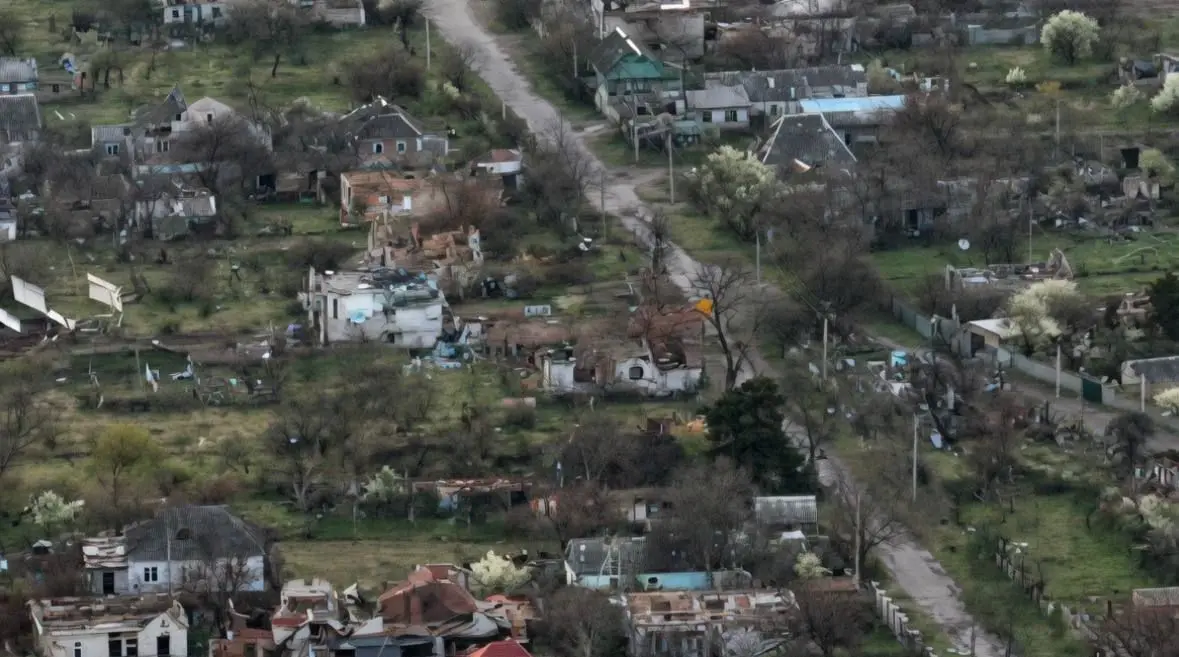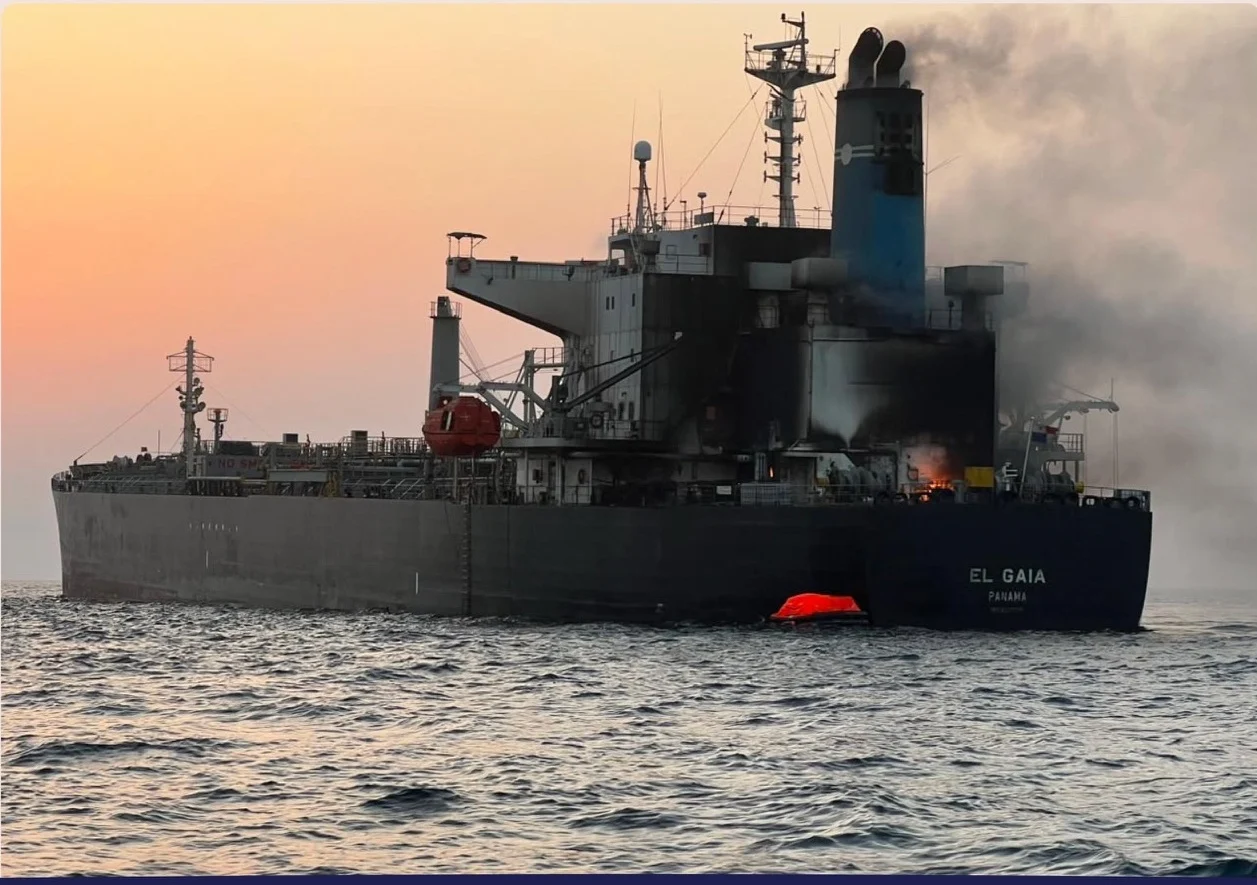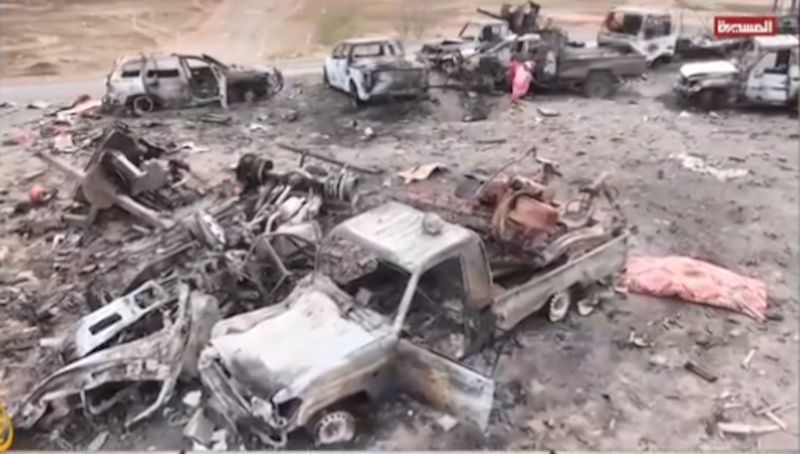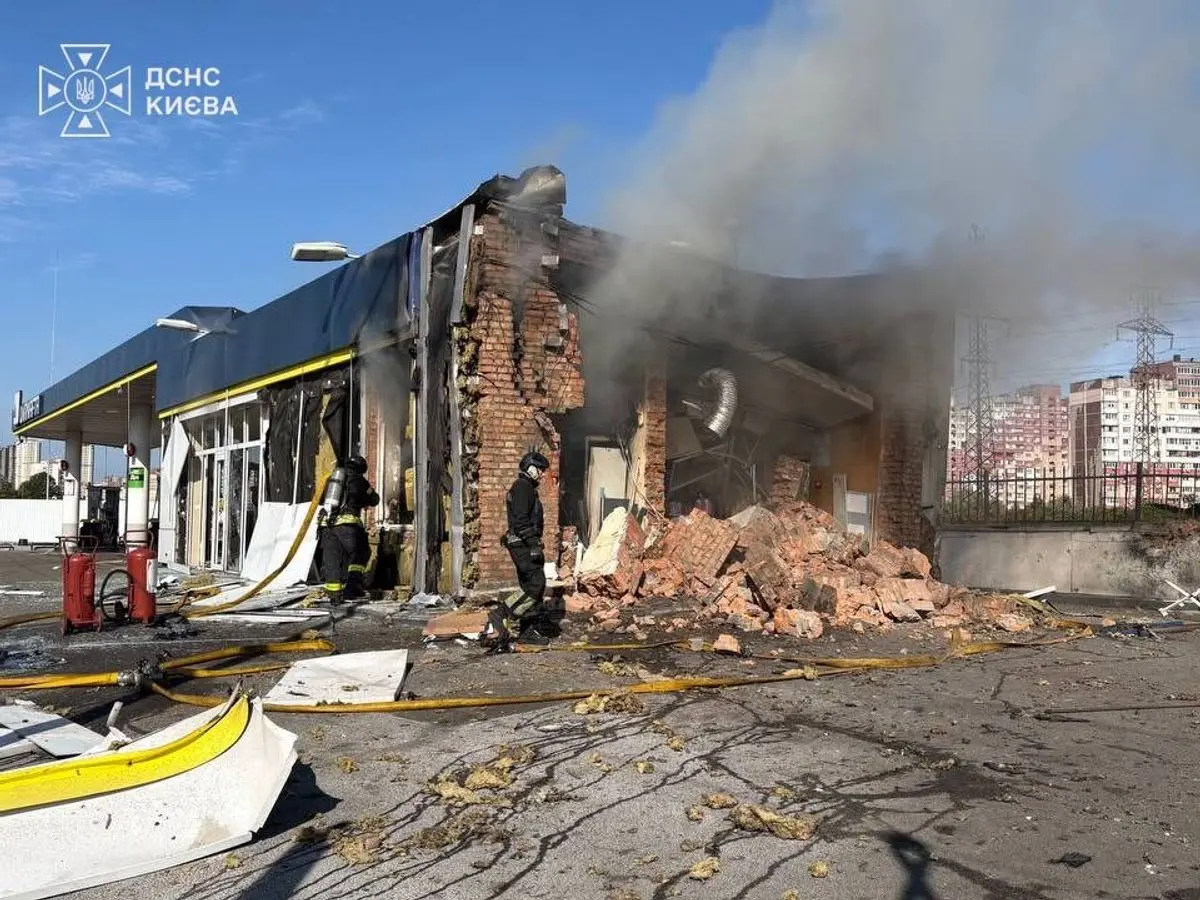
A Russian drone hits a gas station in Kyiv on the morning of Sept. 11, 2026. (Ukraine's Emergency Service) Source: https://kyivindependent.com/russia-strikes-2-gas-stations-injures-at-least-2-in-kyiv-during-morning-rush-hour/
Grok response:
10 Citations
- Title: Here Is Where Ukraine Peace Talks Stand, as a New Round Approaches
Description: New York Times reporting on US-mediated diplomacy.
Date: September 5, 2026
Summary: Trump administration envoys Steve Witkoff and Jared Kushner arrived in Moscow to restart stalled talks amid escalating airstrikes. Russia demands Ukraine cede remaining Donetsk territory it does not fully occupy; Ukraine refuses unilateral withdrawal and seeks security guarantees. Ukrainian intelligence chief Kyrylo Budanov indicated conditions for a ceasefire are unlikely before spring 2027.[1] - Title: Russian Offensive Campaign Assessment, Sept. 5, 2026
Description: Institute for the Study of War daily military analysis.
Date: September 5, 2026
Summary: A temporary three-day halt to long-range strikes on Kyiv and Moscow was agreed to facilitate US envoys’ travel. Putin rejected a broader frontline ceasefire proposed by Ukraine. Russian forces continued operations elsewhere, and Kremlin sources reported extremely low expectations for the visit given Putin’s tough terms.[2] - Title: Russia says it hopes US-mediated talks with Ukraine will resume soon
Description: Reuters coverage of Kremlin statements post-envoy visit.
Date: September 9, 2026
Summary: Kremlin spokesman Dmitry Peskov said Russia hopes trilateral talks resume in the foreseeable future after Witkoff and Kushner’s Moscow-Kyiv trip, with “confirmed political will.” A huge gulf remains on territory, with Kyiv rejecting demands to give up more land. Trump and Putin spoke by phone after the meetings.[3] - Title: Russia rejects an air truce as the US peace push leaves Ukraine only more talks
Description: bne IntelliNews analysis of weekend diplomacy.
Date: September 8, 2026
Summary: Russia rejected a proposed air truce (energy infrastructure or all aerial strikes) and repeated demands that Ukraine leave Donbas. The only tangible result was agreement to resume trilateral negotiations. Ukrainian MP Anna Skorokhod said terms had hardened, now including constitutional changes and territorial recognition.[4] - Title: Russia’s foreign recruit drive amounts to human trafficking, Amnesty International says
Description: Euronews report on Amnesty briefing.
Date: September 11, 2026
Summary: Amnesty documented deceptive recruitment of foreigners (from 136 countries, ~28,000 identified plus North Koreans) via false job offers, document confiscation, and coercion, amounting to trafficking under the Palermo Protocol. Recruits from Brazil, Colombia, Sri Lanka, South Africa and elsewhere were used as “cannon fodder” with minimal training. Ukraine identified over 28,000 foreign fighters in Russian ranks.[5] - Title: Russian central bank holds key rate steady ahead of election
Description: Reuters on Russian monetary policy and economy.
Date: September 11, 2026
Summary: The central bank held its key rate at 14% as the $2.6 trillion economy is expected to grow just above zero in 2026, weighed by high rates, sanctions, Ukrainian strikes, and a strong ruble. Inflation rose due to drone attacks on refineries causing fuel shortages. The budget deficit narrowed slightly but remains elevated.[6] - Title: Putin welcomes Trump’s peace envoys but has no intention of ending the war
Description: Atlantic Council UkraineAlert analysis.
Date: September 8, 2026
Summary: Putin’s emphasis on “root causes” (demilitarization, denazification, restrictions on Ukrainian military size/alliances, Russian language/Orthodox Church status) signals aims beyond limited territorial demands. A 2025 Kremlin memorandum sought sweeping concessions including history rewriting. Putin has no interest in a genuine end, using talks to buy time while advancing.[7] - Title: Russian Offensive Campaign Assessment, Sept. 10, 2026
Description: Institute for the Study of War latest update.
Date: September 10, 2026 (published Sept. 11)
Summary: Ukrainian forces conducted their deepest drone strikes, hitting gas plants ~2,800-2,840 km inside Russia. Neither side advanced on Sept. 10. United Russia Chair Dmitry Medvedev articulated commitment to a protracted war and long-term militarization of society even after fighting ends. Russia launched 149 drones overnight.[8] - Title: Zelensky outlines plan to end war: Ceasefire, troop withdrawal, free economic zone
Description: Ukrinform reporting Zelensky statements.
Date: August 23, 2026
Summary: Zelensky said Ukraine, the US, and Europe developed a plan for a ceasefire, a free economic zone/buffer (third-party administered), and troop withdrawals. These joint ideas with Americans and Europeans received positive responses with no objections. Additional American ideas were expected.[9] - Title: Budanov Says Putin Ignored Ukraine’s Ceasefire Proposal
Description: Kyiv Post on Ukrainian intelligence chief comments.
Date: September 5, 2026
Summary: Kyrylo Budanov stated Russia failed to respond to a proposed ceasefire coinciding with US envoys’ visit. Combat continued after Russia refused a mutual truce for Sept. 5-9. Budanov previously warned of winter combat and dismissed a near-term ceasefire, expecting talks possibly in late September.[10]
Detailed Rundown of Relevant News
As of mid-September 2026, no general ceasefire or armistice covering the entire front (or even a substantial regional pause lasting beyond a few days) has been officially declared and held between Russia and Ukraine. Limited, short-duration pauses have occurred, including a Trump-announced three-day ceasefire in May 2026 (which unraveled quickly with mutual accusations of violations) and a three-day halt to strikes on Kyiv and Moscow in early September 2026 solely to facilitate US envoys’ travel. These do not appear to meet a full “declared ceasefire or armistice” threshold for the entire war, though the question’s criteria (official declaration reported by major outlets, allowing temporary or regional) could be interpreted as already triggered by the May event. Fighting, including massive drone/missile exchanges and Ukrainian deep strikes into Russia, continues unabated.[11]
Recent Diplomatic Activity (September 2026 Push): US special envoy Steve Witkoff and Jared Kushner visited Moscow (Sept. 5, three-hour meeting with Putin) then Kyiv (Sept. 6, with European representatives). Outcomes were modest: a temporary capital-strike pause, agreement to resume trilateral (US-Russia-Ukraine) talks possibly in September or October before winter, and discussion of limiting energy/agricultural infrastructure attacks. Russia rejected a broader air truce or frontline ceasefire and reiterated maximalist demands (full Ukrainian withdrawal from remaining Donbas/Donetsk areas it still holds, no NATO, no Western troops, constitutional changes, territorial recognition). Ukraine proposed ideas including a ceasefire, equivalent troop withdrawals creating a demilitarized “free economic zone,” and security guarantees. Zelensky expressed hope for autumn talks and noted Putin “needs Trump” ahead of US midterms. [1] [12] [13]
Military Situation: Russian advances have slowed dramatically (1.03 sq km/day in June 2026 vs. 16+ in Aug. 2025; ~90 sq km in Aug. 2026 vs. 505 in Aug. 2025). Ukraine recaptured territory in 2025-2026 (Kupyansk area, southern Ukraine, Zaporizhzhia settlements). Neither side advanced on Sept. 9-10. Russia suffers high casualties (~1.5 million total claimed by Ukraine; ~30,000/month estimates) and relies heavily on foreign recruits/mercenaries (28,000+ from 136 countries plus North Koreans; Amnesty calls much of it trafficking via deception/coercion). Ukraine intensifies long-range strikes on Russian logistics, air defenses, ports, and energy (causing fuel rationing in 90%+ of Russian regions, affecting 50 million people, global diesel spikes). Russia launches large drone/missile barrages (149 drones Sept. 9-10). Winter energy grid attacks on Ukraine are anticipated. ISW notes Russia’s rate of advance collapsed amid Ukrainian successes.[14]
Russian Economy: Showing strain—“endgame” per Kiel Institute (June 2026). [15] [16]
=== Forecast Result ===
The relevant baseline is not “peace talks” but an officially declared cessation of hostilities. The recent evidence shows active diplomacy, but also a repeated pattern: Russia accepts narrowly tailored pauses for diplomatic logistics while rejecting broader ceasefire proposals and maintaining maximalist territorial demands.
The broad wording of the criterion matters. A ceasefire need not end the war or cover the entire front; a formally announced regional or temporary ceasefire would qualify. That makes the event materially more likely than a durable nationwide armistice. Possible qualifying events include a localized pause around infrastructure, a humanitarian arrangement, or a short ceasefire attached to renewed U.S.-mediated talks. A ceasefire that is quickly violated would still likely qualify if major outlets report it as officially declared.
Factors increasing the probability:
- U.S.-mediated negotiations are expected to resume, creating occasions for a ceasefire announcement.
- Both sides have already demonstrated willingness to conduct narrow reciprocal pauses.
- Russia faces rising costs and slowing battlefield gains, while Ukraine has incentives to seek at least temporary relief.
- The criterion can be met by a limited or temporary ceasefire rather than a final settlement.
Factors decreasing it:
- The latest capital-strike pause did not expand into a broader agreement.
- Russia rejected an air truce and continues to pursue territorial and political concessions that Ukraine is unlikely to accept.
- Ukraine and Russia are both still conducting substantial attacks, suggesting that diplomacy is being used alongside, rather than instead of, military pressure.
- The remaining window is only about three and a half months, limiting the time for negotiations to overcome the core territorial dispute.
My approximate timing distribution is: about 20% by the end of October, about 28% by the end of November, and about 36% by the resolution date. The probability of a durable all-front armistice is substantially lower, roughly in the low teens; most of the positive probability comes from a short or geographically limited ceasefire.
The most important assumptions are:
- The talks produce at least one formal confidence-building agreement. I assign roughly a 35% chance that this assumption fails; continued talks could remain purely rhetorical.
- The criterion is applied to a narrow but officially acknowledged ceasefire. I assign roughly a 20% chance that any future pause is described only as an operational lull or unilateral action and therefore does not qualify.
- U.S. pressure remains sustained through the autumn. I assign roughly a 30% chance that U.S. attention shifts or mediation loses leverage, reducing the chance of a deal before year-end.
Balancing these risks against the unusually broad resolution criteria, I estimate the event as slightly more likely than a one-in-three outcome, but well short of even odds.
Data sufficiency: Sufficient
Probability: 36
End
About The Author