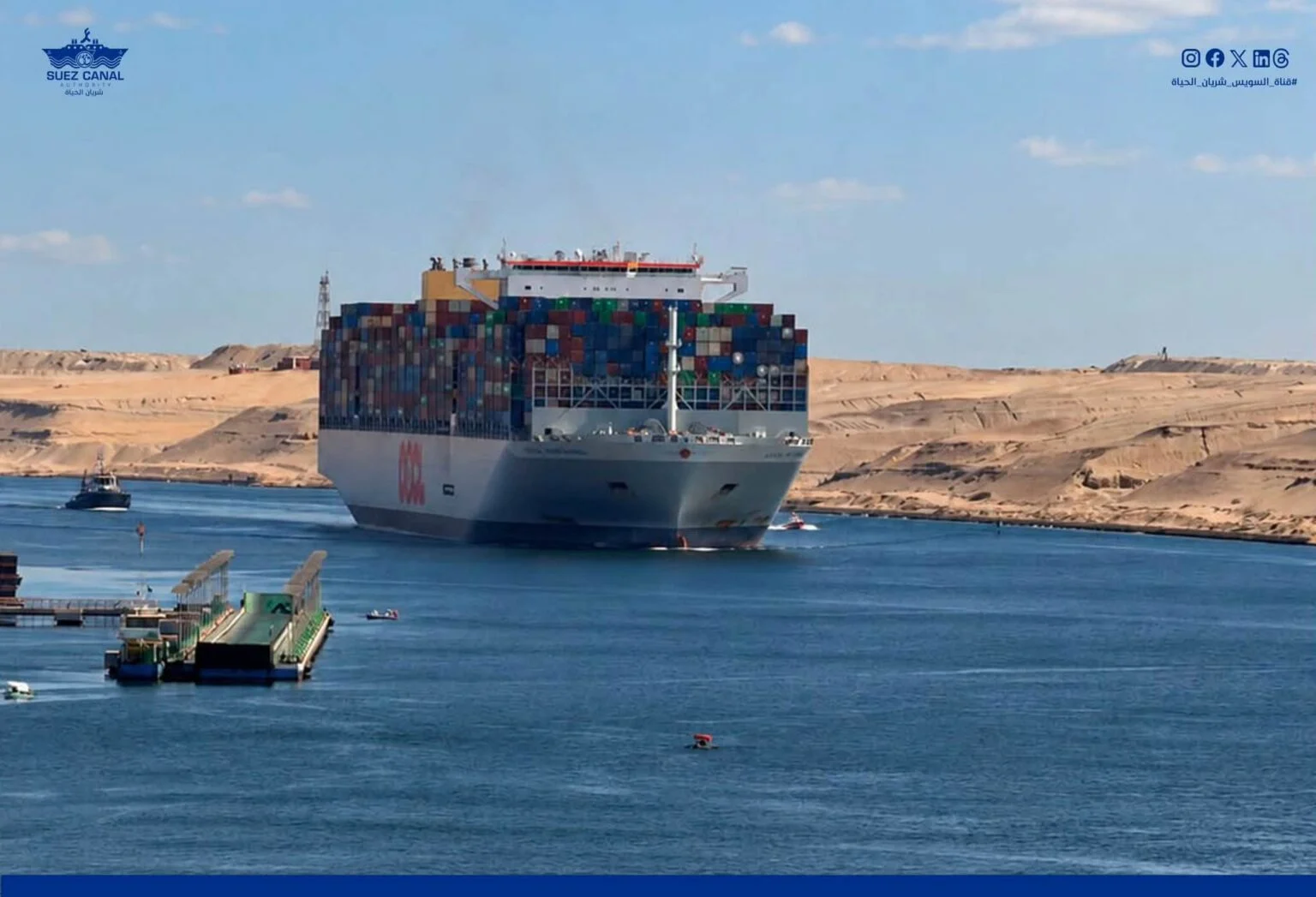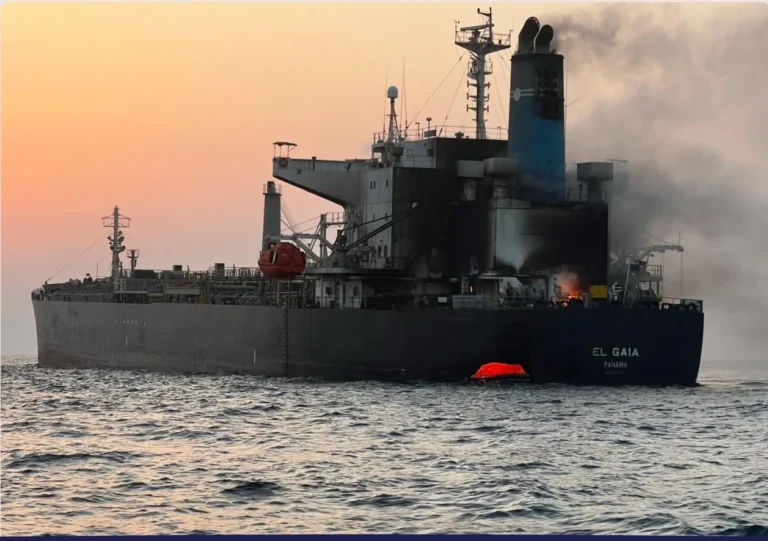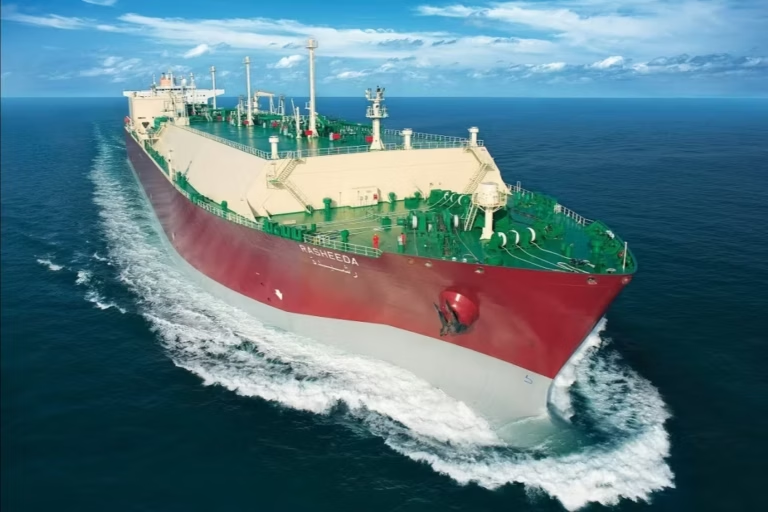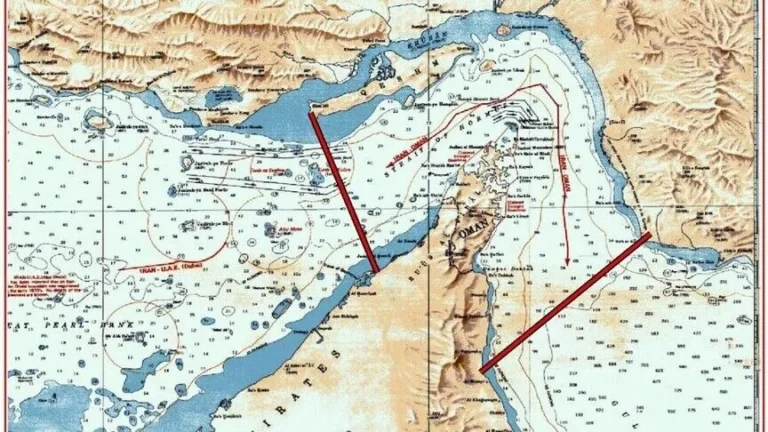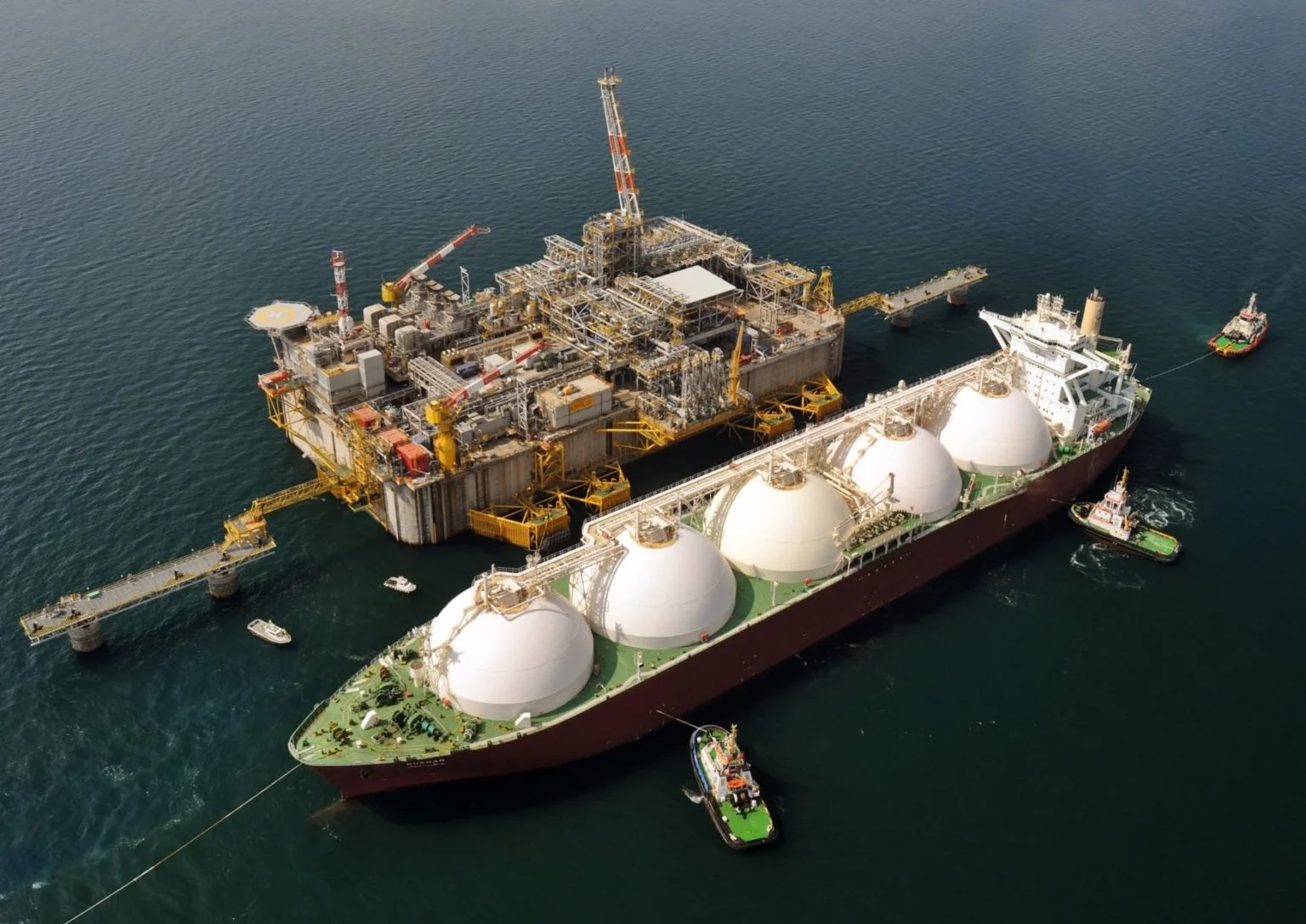
LNG Tanker at the North Field, which lies north-east off the Qatar peninsula, is the biggest natural gasfield in the world. Image Via Qatargas. Source: https://gcaptain.com/first-qatar-lng-shipment-moves-through-hormuz-since-war-started/
Obtaining outside data.
Checking internet sources, using keywords: Strait of Hormuz LNG traffic 2026
News from various sources:
In September 2026, a Qatari liquefied natural gas (LNG) carrier, Al Marrouna, successfully transited the Strait of Hormuz, delivering 81,936 metric tons of LNG to Port Qasim in Pakistan as part of a government-to-government arrangement between Pakistan and Qatar. This event is significant amid ongoing regional tensions, with conflicts involving Iranian-backed Houthis and US forces in the Middle East escalating, which have disrupted shipping activities through the strait.
The successful transit of Al Marrouna is seen as temporary relief for Pakistan’s struggling energy sector, which faces severe loadshedding. The LNG cargo was acquired at a price equivalent to 13.37% of Brent crude, reflecting its urgency for Pakistan. This Qatari shipment was the first to pass through the Strait since tensions increased in July, alleviating some concerns over prolonged disruptions of Qatari LNG supplies.
The event is also closely watched by international LNG markets, influencing regional prices. Despite the shipment, global LNG exports from the Persian Gulf remain below pre-conflict levels. Rising security concerns have led to increased insurance costs for vessels navigating the Strait of Hormuz.
Qatar, which had largely halted LNG shipments due to earlier conflicts affecting one of its tankers, continues to manage its LNG exports strategically. It maintains strong diplomatic ties in the region to minimize reliance on the vulnerable chokepoint of the Strait of Hormuz, even as it remains a pivotal LNG supplier globally.
Fact-checked summary:
By September 2026, a Qatari LNG carrier, Al Marrouna, successfully transited the Strait of Hormuz, which is an important instance illustrating that LNG traffic is potentially unimpeded despite ongoing regional tensions. Conflicts involving Iranian-backed Houthis and US forces continue to impact shipping, a critical factor given the importance of this context in determining the ease of passage through the Strait. Insurance costs for vessels navigating the Strait have increased, reflecting heightened security concerns, and acting as a quantifiable measure of impediment to traffic. Furthermore, Qatar had largely halted its LNG shipments, representing a strategic response to risk, thereby affecting overall traffic levels in the Strait. Despite these challenges, Qatar has maintained strong diplomatic ties to minimize its reliance on potentially disrupted routes, indicating alternative strategies to manage transit through the Strait. Global LNG exports from the Persian Gulf remain below pre-conflict levels, highlighting ongoing impediments in the region.
OpenAI gives a base rate of 0.65 (65%)
The question difficulty is rated 7 (0 to 10)
Historical weighted factors include:
Past successful transits, 0.4
Regional security instability, 0.3
Diplomatic measures and negotiations, 0.2
Economic and insurance conditions, 0.1
A Bayesian calculation could be performed as follows:
Using historical factors, assume prior P(A)=0.65. Update with evidence: effective diplomatic strategies (increased likelihood), rising insurance costs (decreased likelihood), and recent transits (increased likelihood). Assume updated probability P(A|B)=0.70.
Bayesian base rate: 0.7 (70%)
Sufficient news to provide a good forecast? 1 (0 or 1)
News is relevant, topical and unbiased? 1 (0 or 1)
Question classification: scenario_based_forecast
Expected time (days) until question close: 20
The following were considered in order to produce this base rate:
The base rate is based on the historical success of LNG transport through the Strait, normalized for current geopolitical and economic factors. The factors include past transit events, regional tensions, and Qatar’s proactive diplomatic efforts to mitigate risks.
Ideally, the news feed would contain the following sorts of information for a better forecast:
Additional intelligence reports on military movements and explicit intentions of regional groups’ actions concerning the Strait would be useful. Economic analyses of insurance trends and monitoring shifts in Qatari diplomatic relations provide additional insights.
Some potential divergent considerations that might affect the base rate:
Potential escalations in regional conflicts or further spikes in insurance costs could lower the actual probability of an unimpeded transit. Additionally, unexpected geopolitical shifts or further decrease in global LNG demand could impact both insurance and diplomatic dynamics.
The following chain of events are necessary for the question to resolve positively:
- The security situation in the Strait of Hormuz remains stable enough to allow safe passage for LNG carriers. (Moderately likely)
- Insurance costs for navigation in the Strait do not become prohibitively high, allowing for economically viable traffic. (Moderately likely)
- Qatari diplomatic strategies are sufficient to mitigate significant risks and allow continued LNG traffic. (Moderately likely)
- No significant escalations occur between Iranian-backed Houthis and US forces affecting the safety of maritime transit. (Moderately unlikely)
Querying Claude (AI predicts: 0.28 – confidence: 4)
Querying OpenAI (AI predicts: 0.4 – confidence: 5)
Guide to Jeremy Lichtman’s Multi-AI Oracle Reports
Question Type: Binary
Median from LLMs: 0.34
Base rate: 0.65 (from OpenAI)
SD: 0.06
MAPD: 0
Confidence: 4.5
Conf Mode: Low
Mellers: 0.28
Reverse Mellers: 0.39
Theory of Mind: 0.425 (What did the LLMs think other LLMs predicted?)
Beta Distribution: 1
Close Type: B (B = cautious # closer to 50%; A/C = closer to extremes)
LLM responses: 2
Model value: 34%
The reasoning across different analyses highlights key obstacles that might prevent LNG traffic through the Strait of Hormuz from becoming de facto unimpeded by the end of 2026. Ongoing regional conflicts, particularly involving the Houthis, and increased insurance costs constitute significant barriers to normalized shipping activity. The temporary halt in Qatar’s LNG shipments underscores the severity of the situation, suggesting that the current environment falls short of the conditions needed for routine and unimpeded traffic. Despite some diplomatic efforts and isolated successful ship transits, the overall picture remains one of disruption, with global LNG exports still below pre-conflict levels. However, there is a recognition that potential rapid geopolitical shifts, such as a US-Iran agreement or a stabilization of insurance markets, could alter this trajectory, enabling a more unimpeded flow of LNG. The likelihood of achieving this outcome by the end of 2026 is uncertain, with predictions varying based on interpretations of current data and potential breakthrough developments.
Runtime: 82 seconds.
About The Author